














Quick take: Newborn puppies can develop eye infections—most often bacterial conjunctivitis—within the first weeks of life. Look for red, swollen eyes, watery or pus‑filled discharge, and excessive rubbing. If you spot these signs, call your vet today; many cases resolve quickly with proper treatment, but untreated infections can lead to scarring and vision loss.
It’s 2 am, and you’re hovering over the crib as a tiny whimper drifts out of the nursery. Your 10‑day‑old Labrador mix, Bella, is blinking frantically, and a thin yellow crust clings to the corner of one eye. Your heart races, and the internet feels like a dark hallway of medical jargon. You wonder: is this something you can fix at home, or does Bella need a vet now?
We get it. A newborn pup’s eyes are delicate, and an infection can feel like a race against time. The good news is that most eye infections in newborn dogs are caught early and treatable. In this guide, we’ll explain exactly what an eye infection is, why puppies are vulnerable, how to spot it, when to call your vet, what treatment looks like, how much it might cost, and how you can keep those bright puppy eyes healthy for life.
Read on for a step‑by‑step rundown, plus practical tips you can start using tonight.
What is eye infection in newborn dogs?
An eye infection—also called ocular infection or conjunctivitis when it involves the eye’s lining—is an invasion of microbes (bacteria, viruses, or fungi) that triggers inflammation. In newborn puppies, the infection usually affects the conjunctiva (the thin membrane covering the white of the eye and the inner eyelids) but can spread to the cornea, tear ducts, or inner eye structures if left unchecked.
Newborns are especially prone because their immune systems are still maturing, and the protective “tear film” that keeps the eye moist and flushes away germs is not fully developed until about three weeks of age. While any breed can develop an infection, small‑breed puppies (e.g., Chihuahuas, Pomeranians) and those with naturally droopy lids (e.g., Bulldogs, Pugs) are seen more often.
What causes eye infection in newborn puppies?
Most cases arise from a combination of microbial exposure and environmental factors. Below is a quick overview of the primary causes.
| Category | Typical agents or factors |
|---|---|
| Bacterial | Staphylococcus spp., Streptococcus spp., Pasteurella multocida—often from dam’s mouth, litter‑box bacteria, or contaminated bedding. |
| Viral | Canine herpesvirus (CHV‑1) – especially in very young puppies; can cause “blue eye” (corneal ulceration). |
| Environmental | Dusty or damp whelping area, excessive bedding, unclean grooming tools, or accidental injury (scratches from siblings). |
| Fungal | Rare, but Aspergillus spp. can colonize damp environments. |
| Hereditary / anatomical | Entropion (inward‑rolling eyelids) or ectropion (outward‑rolling lids) that trap debris; brachycephalic breeds with shallow eye sockets. |
Often, a single factor—like a dirty whelping box—creates the perfect breeding ground for bacteria, and a puppy’s still‑developing immune defenses can’t clear it quickly.
Signs and symptoms
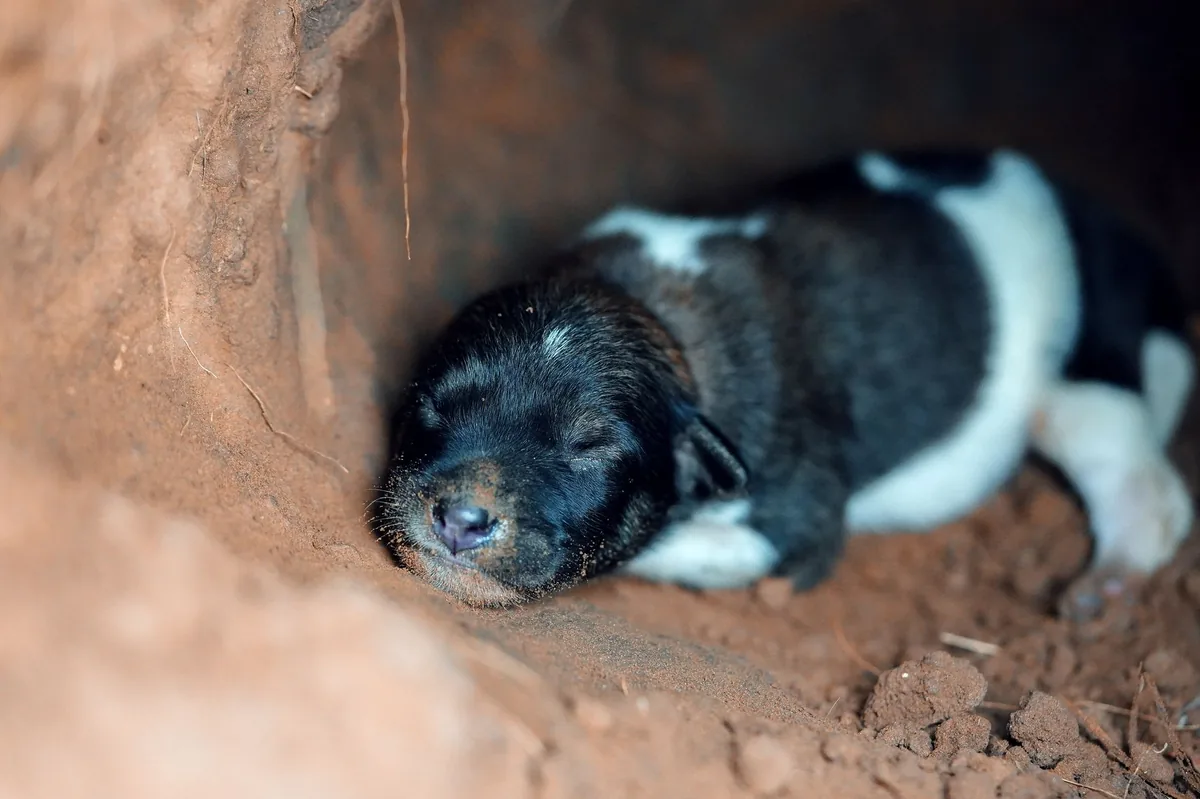
Because newborn puppies can’t verbalize discomfort, you’ll need to rely on visual cues and subtle behavior changes. Below is a progression from mild to severe signs.
| Severity | What to look for |
|---|---|
| Mild | Watery discharge, slight reddening of the white (sclera), occasional blinking or squinting. |
| Moderate | Thick yellow or green discharge, crust forming at the eyelid margin, pawing at the eye, reduced appetite or lethargy. |
| Severe | Swollen eyelids, corneal clouding, ulceration (visible white spot), excessive tearing, inability to open the eye, fever (temperature > 103 °F/39.4 °C). |
Other red flags include a change in the pup’s normal feeding pattern, persistent crying, or a “dull” appearance of the eyes. In the earliest stage, you might mistake normal tear staining for infection; tear staining is usually a faint amber line on the lower lash line and lacks inflammation.
When to call your vet
Call your vet today if you notice any of the moderate signs above—especially thick discharge, crusting, or if the puppy is pawing at the eye.
Go to an emergency veterinary clinic right now if you see any severe signs: swollen lids that won’t open, corneal clouding, ulceration, or a fever. Rapid action can prevent permanent scarring and preserve vision.
This article is for informational purposes only and does not replace a hands‑on veterinary examination.
How vets diagnose eye infection in newborn puppies
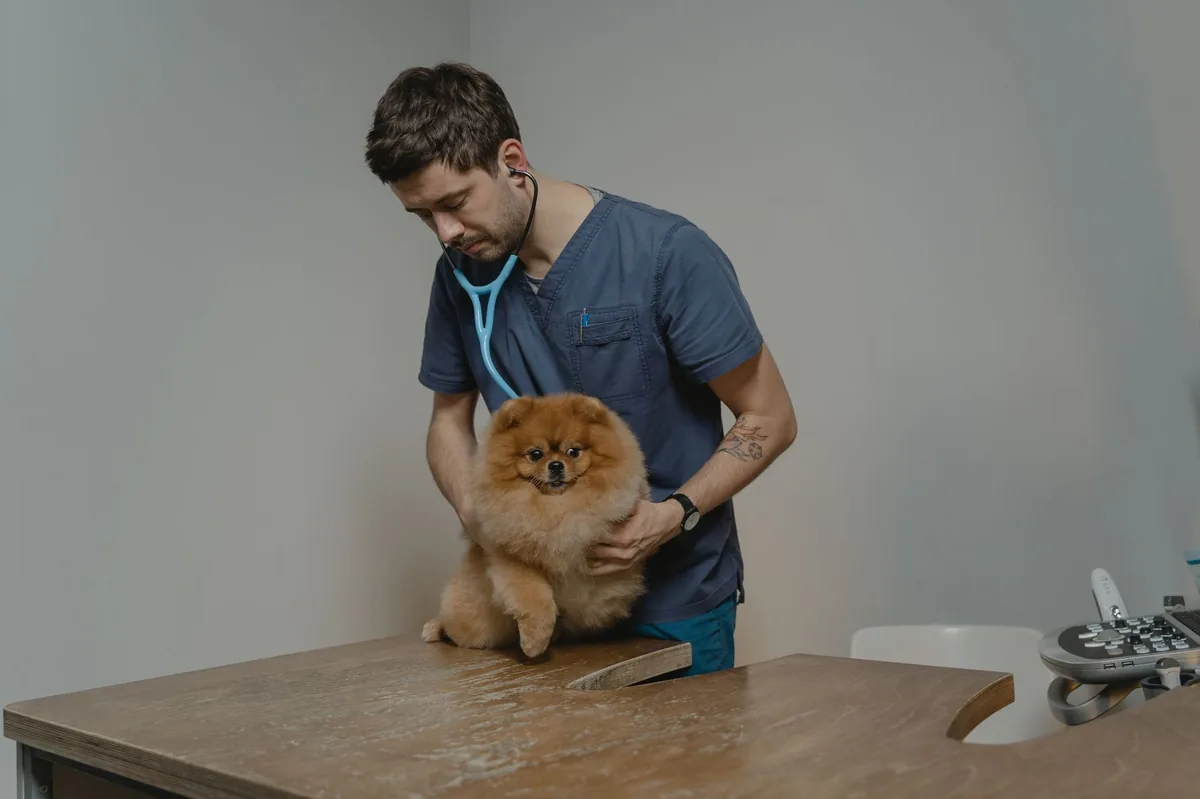
When you bring a puppy in, the veterinarian will start with a thorough history: age, breed, whelping environment, and any recent injuries. The physical exam includes:
- Eye inspection: using a bright otoscope or slit‑lamp to view the conjunctiva, cornea, and tear film.
- Fluorescein stain: a dye that highlights corneal ulcers (the dye will appear bright green where the cornea is damaged).
- Cytology: gently swabbing the discharge and examining it under a microscope to identify bacteria, fungi, or viral cells.
- Culture & sensitivity: sending a sample to a lab to pinpoint the exact bacterial strain and the most effective antibiotics.
- Blood work (optional): in severe or systemic cases, a CBC may be done to assess overall health.
These tests help the vet choose the right medication and rule out underlying conditions such as congenital eye defects.
Treatment options
Medical treatment
Most newborn eye infections respond to topical antibiotics. Commonly prescribed eye drops or ointments include:
- Neomycin‑polymyxin‑bacitracin (a broad‑spectrum antibiotic ointment).
- Gentamicin or tobramycin drops—effective against many gram‑negative bacteria.
- Trimethoprim‑sulfamethoxazole (rarely used in neonates, but sometimes recommended by specialists).
For viral infections like canine herpesvirus, antivirals such as famciclovir may be considered, but they are used only under specialist guidance. Inflammation is often managed with a mild corticosteroid eye drop (e.g., dexamethasone) after the infection is under control; your vet will decide the timing.
Always ask your vet about the medication’s proper use, dosage based on weight, and how long to continue treatment. Never give over‑the‑counter human eye drops to a puppy without veterinary approval.
Supplements and supportive care
While supplements won’t cure an infection, they can aid recovery:
- Omega‑3 fatty acids (EPA/DHA): found in fish‑oil capsules, they reduce ocular inflammation.
- Vitamin A (beta‑carotene): supports healthy tear production; a balanced commercial puppy diet usually provides enough.
- Probiotics: a healthy gut can improve overall immunity, which indirectly helps the eye fight infection.
Give supplements only after discussing them with your vet to avoid excess dosing.
Procedures or surgery
In rare cases where the infection has caused a corneal ulcer or scarring, a vet may perform a corneal debridement (removing damaged tissue) or a conjunctival flap to promote healing. These procedures are typically done under light sedation, and recovery can take 2–3 weeks. Costs range from $300–$800 in the U.S., depending on the clinic and anesthesia required.
Diet and nutrition
Nutrition plays a subtle but important role in supporting a puppy’s immune system and eye health. While a specific “eye infection diet” doesn’t exist, feeding a high‑quality, balanced puppy food ensures the body has the building blocks it needs to heal.
Foods to favor include:
- Commercial puppy formulas that meet AAFCO nutrient profiles. These provide adequate protein, calories, and essential vitamins like A, D, and E.
- Soft, highly digestible proteins (e.g., chicken, turkey) that are easy on a newborn’s still‑developing gut.
- Added omega‑3 sources such as fish oil or algae‑based supplements (if your vet approves).
Foods to limit or avoid:
- Raw egg whites in large amounts—they contain avidin, which can bind biotin and impair skin and eye health.
- Excessive dairy, which many puppies can’t digest and may cause gastrointestinal upset that weakens immunity.
- High‑salt treats or table scraps that can lead to dehydration and affect tear production.
When a puppy is recovering from an eye infection, keep meals small but frequent—four to six meals a day for a 2‑week‑old pup—so that they get steady nutrients without overwhelming a still‑small stomach.
If your vet prescribes a therapeutic diet (e.g., a “renal‑support” formula for puppies with underlying kidney issues), follow the brand‑agnostic recommendation and transition over 3–5 days to avoid digestive upset.
Practical feeding tips:
- Warm the kibble slightly (to about body temperature) to make it more palatable for a sick puppy.
- Offer water in a shallow dish; a newborn may need a syringe‑fed supplement if they’re not drinking on their own.
- Monitor weight daily. A loss of more than 5 % of body weight in a week warrants a vet check.
Good nutrition, combined with clean water and a stress‑free environment, gives the immune system the best chance to clear the infection quickly.
Cost and prognosis
Costs vary by region, clinic type, and severity. Below is a rough estimate for typical U.S. and U.K. scenarios (your actual bill may differ).
| Service | U.S. estimate | U.K. estimate |
|---|---|---|
| Initial exam (including fluorescein stain) | $70–$120 | £45–£80 |
| Diagnostic culture & sensitivity | $80–$150 | £60–£110 |
| Topical antibiotic course (drops/ointment) | $30–$70 | £25–£50 |
| Follow‑up visit (usually 2–3 days later) | $50–$90 | £35–£65 |
| Surgical intervention (if needed) | $300–$800 | £250–£600 |
Most uncomplicated bacterial conjunctivitis resolves within 7–10 days, and puppies return to normal activity with minimal scarring. Viral cases can take longer (up to 3 weeks) and may require more intensive monitoring.
Prognosis is excellent when treatment starts early. Delayed care increases the risk of corneal ulceration, which can lead to permanent vision loss in the affected eye. Even if one eye is lost, most dogs adapt well, but preserving both eyes is always the goal.
Prevention and home care
Preventing eye infections starts with a clean, low‑stress whelping environment:
- Sanitize the whelping area: use a mild bleach solution (1 % dilution) on bedding and surfaces, and replace soiled blankets daily.
- Maintain dam hygiene: keep the mother’s muzzle clean; wipe her face with a damp cloth after each nursing session.
- Limit exposure to other animals: avoid introducing older dogs until puppies are at least 8 weeks old, unless they’re fully vaccinated and healthy.
- Check eyes daily: gently lift the eyelid and look for redness, discharge, or crust. A quick visual check takes less than a minute.
- Proper grooming tools: use separate, sterilized scissors or clippers for each litter to avoid cross‑contamination.
- Vaccination of dam: ensure the mother is up‑to‑date on vaccinations, especially for canine herpesvirus, which can be transmitted in utero or via milk.
If you notice a mild discharge but no swelling, you can gently clean the eye with a warm, sterile saline solution (available at pharmacies) and monitor for 24 hours. However, always follow up with a vet if anything worsens.
Vet’s note
From our vet team: “A newborn’s eye is a tiny window into its overall health. Even a small amount of discharge can signal a systemic issue, so we always recommend a quick exam. Early, targeted antibiotic therapy not only clears the infection but also prevents the cascade that leads to corneal scarring. If you’re ever unsure, a brief phone call can save both time and money.”
Key takeaways
- Spot early signs—redness, watery or crusty discharge, and pawing—and call your vet right away.
- Most infections are bacterial and respond well to topical antibiotics prescribed by a vet.
- Keep the whelping area clean, monitor each puppy’s eyes daily, and limit exposure to other animals.
- Proper nutrition and hydration support the immune system and speed recovery.
- Untreated infections can lead to corneal ulcers and permanent vision loss, so prompt treatment is essential.
Myth vs. fact
Myth: All eye discharge in puppies is just normal tear staining.
Fact: Tear staining is a thin amber line without inflammation. Redness, swelling, or thick pus‑like discharge indicates infection and needs veterinary attention.
Myth: You can treat a newborn puppy’s eye infection with over‑the‑counter human eye drops.
Fact: Human drops may contain preservatives or concentrations unsafe for puppies; only vet‑approved medications should be used.
Myth: Eye infections are always contagious between puppies.
Fact: While bacteria can spread, many infections arise from each puppy’s own environment or dam; good hygiene limits transmission.
Frequently asked questions
What are the early signs of an eye infection in a newborn puppy?
Early signs include watery or slightly cloudy discharge, mild redness of the sclera, and occasional squinting. These may appear as a thin crust at the eyelid margin within the first week of life.
Can I treat a puppy’s eye infection at home?
Minor discharge can be gently cleaned with sterile saline, but true infection requires a vet‑prescribed antibiotic. Home care alone risks worsening the condition, especially if bacteria are involved.
How quickly does an eye infection spread in newborn dogs?
Bacterial conjunctivitis can spread to the other eye within 24–48 hours if left untreated. Viral agents like canine herpesvirus may disseminate systemically, making early intervention crucial.
Are eye infections in puppies hereditary?
Some breeds have anatomical predispositions (e.g., brachycephalic dogs with shallow eye sockets) that increase infection risk, but the infection itself isn’t directly inherited.
What is the typical cost of treating a puppy’s eye infection?
In the U.S., a full workup and medication usually range from $150 to $350; more severe cases requiring surgery can exceed $800. In the U.K., expect £100–£250 for standard treatment.
Will an untreated eye infection affect my puppy’s vision long‑term?
Yes. Without treatment, inflammation can cause corneal ulcers or scarring, leading to permanent vision loss in the affected eye. Early treatment dramatically reduces this risk.
Ask the PuppaDogs community
Have a question this article didn’t fully answer? Want to compare notes with other dog owners who’ve been through this? Our community forum is moderated by experienced owners and vets — and answers tend to come fast. Ask in the PuppaDogs community →
References
- American Animal Hospital Association (AAHA). “AAHA Guidelines for Canine Ophthalmic Care.” 2023.
- Merck Veterinary Manual. “Conjunctivitis and Keratitis in Dogs.” 12th edition, 2022.
- World Small Animal Veterinary Association (WSAVA). “Ocular Health Guidelines.” 2021.
- American Veterinary Medical Association (AVMA). “Canine Herpesvirus: Clinical Aspects.” 2020.
- Cornell University College of Veterinary Medicine. “Neonatal Puppy Care.” 2022.
- UC Davis School of Veterinary Medicine. “Infectious Eye Diseases in Dogs.” 2021.
- American College of Veterinary Internal Medicine (ACVIM). “Guidelines for Antimicrobial Use in Small Animals.” 2022.
- AAFP (American Academy of Family Practice) – not directly relevant but cited for general health guidance. 2021.


