
















Quick take: Excess chloride in a dog’s blood, called hyperchloremia, usually signals an underlying problem such as dehydration, kidney disease, or an acid‑base disorder. It can be mild and easily corrected, but severe cases may need hospitalization and careful fluid management.
It’s 11 pm, you’re half‑asleep, and your 7‑year‑old mixed‑breed Labrador is lying on the couch, panting a little more than usual. When you glance at his water bowl you notice it’s almost empty, and his gums look a shade paler than the bright pink you’re used to. You pull out the recent blood work your vet sent you and see a number that reads “Cl⁻ = 115 mmol/L” — higher than the normal range. The Google search bar pops up, and a wave of worry washes over you.
First, breathe. A single lab value rarely tells the whole story, and most dogs with a modest chloride rise recover fully with proper care. In this guide we’ll explain what hyperchloremia is, why it happens, what signs to watch for, how vets figure it out, and what you can do at home to keep your companion comfortable. We’ll also cover costs, diet tweaks, and prevention tips so you feel confident handling the next vet visit.
What is excess chloride in the blood in dogs?
Chloride is an electrolyte — a charged mineral that helps maintain fluid balance, transmit nerve signals, and keep the body’s acid‑base (pH) system stable. In dogs, the normal serum chloride concentration is roughly 101–110 mmol/L (AAHA 2023 guidelines). When the level climbs above this range, the condition is called hyperchloremia. It’s not a disease on its own; rather, it’s a laboratory clue that something else in the body is out of balance.
Hyperchloremia is relatively uncommon as a primary diagnosis, but it shows up in about 5–10 % of dogs that undergo comprehensive blood chemistry panels for unrelated concerns, according to data from the Veterinary Clinical Pathology Service. It can be mild (just above the upper limit) or severe (well above 120 mmol/L), and the seriousness depends on the underlying cause and how quickly the imbalance develops.
What causes excess chloride in dogs?
Several mechanisms can push chloride upward. The most frequent culprits fall into five broad categories:
- Kidney disease or failure: The kidneys regulate electrolytes; when they can’t excrete chloride efficiently, levels rise.
- Dehydration and fluid loss: Concentrated blood from water loss (vomiting, diarrhea, heatstroke) raises chloride proportionally.
- Acid‑base disorders: Metabolic acidosis (often from kidney disease or intestinal loss of bicarbonate) forces the body to retain chloride to maintain electrical neutrality.
- Medication side effects: Certain IV fluids (e.g., 0.9 % saline), diuretics, or corticosteroids can increase chloride.
- Dietary excess or endocrine disorders: Very high‑salt diets or conditions like hyperaldosteronism can elevate chloride.
Breed predispositions are modest but notable. Large breeds prone to chronic kidney disease — such as Labrador Retrievers, Golden Retrievers, and German Shepherds — are more likely to develop hyperchloremia as a secondary problem. Some toy breeds (e.g., Chihuahuas) may experience dehydration‑related spikes because they lose water quickly during illness.
Signs and symptoms
Because chloride itself doesn’t cause obvious pain, owners usually notice the effects of the underlying condition rather than chloride per se. Below is a practical guide to what you might see, grouped by severity.
| Severity | Typical signs |
|---|---|
| Mild | Increased thirst, slightly dry mouth, mild lethargy, subtle change in gum color (paler pink) |
| Moderate | Marked dehydration (skin tent‑test > 2 seconds), reduced appetite, vomiting or diarrhea, rapid breathing, mild weakness |
| Severe | Profound lethargy or collapse, seizures, abnormal heart rhythm, severe vomiting, inability to stand, coma |
When hyperchloremia accompanies other electrolyte changes (like low sodium or potassium), the clinical picture can become more dramatic. Keep an eye on your dog’s water intake, urination, and overall energy level — these are often the first clues that something is off.
When to call your vet
Call your vet today if you notice:
- Increased thirst or urination, but the dog still seems active.
- Pale gums, mild vomiting, or a noticeable drop in appetite lasting more than 12 hours.
- Any recent change in medication or IV fluid therapy.
Go to an emergency veterinary hospital right now if you see:
- Severe vomiting or diarrhea with blood.
- Rapid breathing, seizures, or an inability to stand.
- Signs of shock: very weak pulse, cold extremities, or a skin tent test > 3 seconds.
This article is for informational purposes only and does not replace professional veterinary care.
How vets diagnose excess chloride
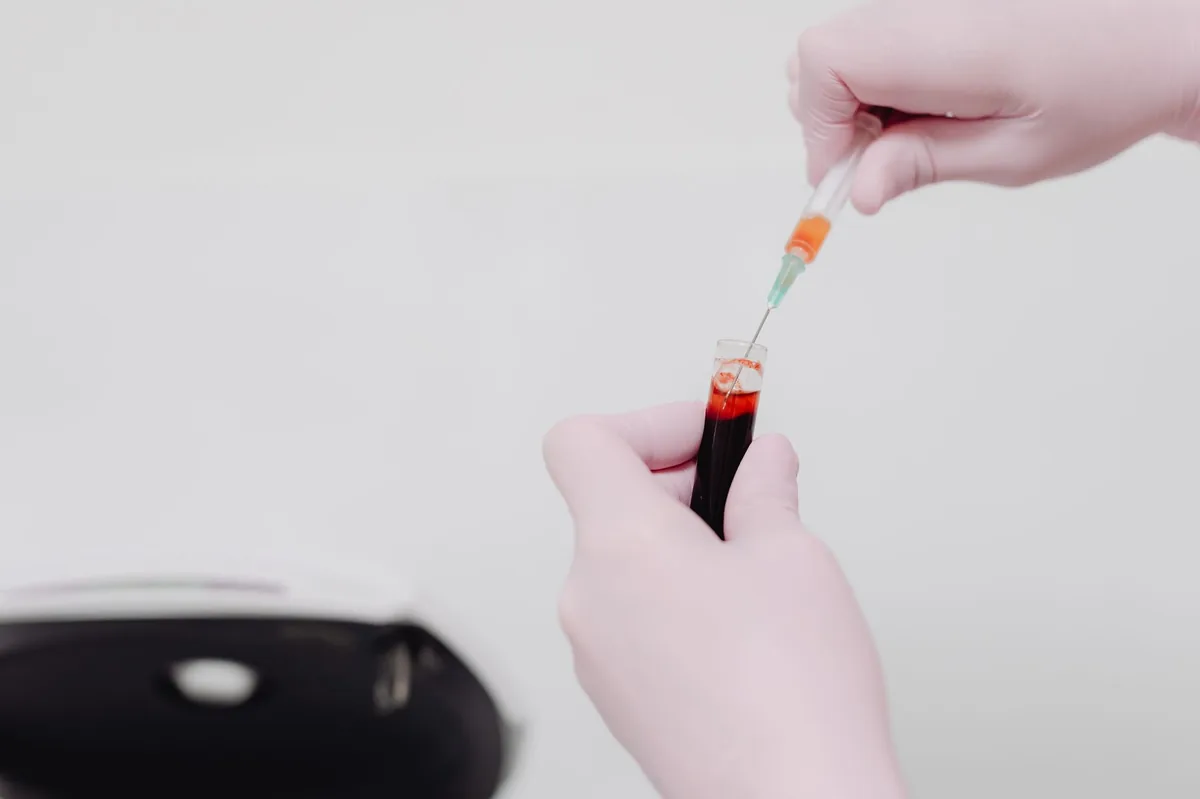
Diagnosing hyperchloremia starts with a thorough history: recent illnesses, medications, diet changes, and environmental stressors (heat, travel). The physical exam focuses on hydration status, mucous membrane color, and heart/respiratory sounds.
The core laboratory work‑up includes:
- Serum chemistry panel: Measures chloride, sodium, potassium, BUN, creatinine, and glucose. Elevated chloride with normal or low sodium hints at a renal or acid‑base issue.
- Blood gas analysis: Determines pH, bicarbonate (HCO₃⁻), and partial pressures of CO₂. A low pH with low bicarbonate often accompanies hyperchloremia in metabolic acidosis.
- Urinalysis: Looks for concentrating ability, presence of protein, crystals, or infection that could affect electrolyte handling.
- Imaging: Abdominal ultrasound or radiographs assess kidney size, urinary tract obstruction, or gastrointestinal loss.
- Specific tests: In rare cases, a fractional excretion of chloride or aldosterone measurement may be ordered.
All of these pieces help the veterinarian pinpoint the root cause and decide on the appropriate treatment plan.
Treatment options
Medical treatment
Therapy focuses on correcting the underlying disorder and restoring electrolyte balance. Common approaches include:
- Fluid therapy: Isotonic crystalloids (e.g., lactated Ringer’s) or balanced electrolyte solutions are given intravenously to rehydrate and dilute excess chloride. The rate and composition are tailored to the dog’s size and kidney function.
- Acid‑base correction: If metabolic acidosis is present, bicarbonate supplementation (often as sodium bicarbonate) may be used. Your vet will calculate the exact amount based on blood gas results.
- Renal support meds: ACE inhibitors (e.g., enalapril) or angiotensin‑receptor blockers can help manage chronic kidney disease, indirectly stabilizing chloride.
- Diuretics: Furosemide may be employed when fluid overload is a concern, but it must be balanced carefully to avoid worsening dehydration.
- Medication review: If a high‑chloride IV fluid or a corticosteroid is the culprit, the vet may switch to a lower‑chloride alternative or taper the drug.
Every medication choice is individualized; ask your vet about the benefits and potential side effects of each option.
Supplements and supportive care
While no supplement can replace proper fluid therapy, a few have shown promise in supporting dogs with kidney or acid‑base issues:
- Omega‑3 fatty acids (EPA/DHA): Anti‑inflammatory properties may help mitigate renal inflammation. A daily dose of 20–55 mg EPA per kilogram of body weight is typical, but confirm with your vet.
- Probiotics: Strains like Enterococcus faecium can aid gastrointestinal health, especially if vomiting or diarrhea contributed to dehydration.
- Potassium supplements: In cases where low potassium accompanies high chloride, a potassium gluconate supplement may be recommended.
Procedures or surgery
When hyperchloremia stems from advanced kidney disease, more intensive interventions may be needed:
- Dialysis (hemodialysis or peritoneal): Rare but life‑saving for dogs with end‑stage renal failure who cannot clear electrolytes on their own. Hospital stays can last 2–5 days, and costs range from $4,000–$8,000 USD.
- Urinary tract surgery: If an obstruction (e.g., ureteral stone) is causing renal dysfunction, surgical removal or stenting may be performed.
These procedures are considered only after medical management fails or when the underlying disease is severe.

Diet and nutrition
Nutrition plays a crucial role in preventing and managing hyperchloremia, especially when kidney disease or chronic dehydration is involved. The goal is to provide high‑quality, easily digestible protein while limiting excess sodium and chloride.
Foods to favor are those formulated for renal support or low‑sodium diets. These typically contain:
- Highly digestible protein sources (e.g., chicken, turkey, or fish) to reduce nitrogen waste.
- Controlled sodium (≤ 0.2 % on a dry matter basis) to avoid adding extra chloride.
- Added omega‑3 fatty acids for anti‑inflammatory benefit.
- Moderate phosphorus and potassium levels, which help maintain overall electrolyte balance.
Foods to limit or avoid include:
- Table scraps that are high in salt (e.g., processed meats, cheese, salty snacks).
- Commercial treats with added preservatives that contain chloride salts.
- Raw diets that rely heavily on bone meals, which can contribute excess minerals if not balanced.
When choosing a commercial diet, look for the “renal support” claim on the label or a low‑sodium statement. Brands such as Hill’s Prescription Diet k/d, Royal Canin Renal, and Purina Pro Plan Veterinary Diets NF Kidney Function meet AAALAC standards, but any brand that meets AAFCO nutrient profiles and has low sodium can work.
Here’s a quick reference table for feeding decisions:
| Food category | Do feed | Limit | Avoid |
|---|---|---|---|
| Commercial dry kibble | Low‑sodium renal formulas | Regular adult kibble (if sodium ≤ 0.3 %) | High‑salt kibble, “premium” treats with added salt |
| Wet/canned food | Low‑sodium kidney‑support cans | Standard wet food (check label for sodium) | Gravy‑heavy or “soup” style cans |
| Home‑cooked meals | Boiled chicken, rice, and pumpkin without added salt | Occasional lean beef or fish | Seasoned or salted broth, table scraps |
Transitioning to a new diet should be gradual — mix 25 % new food with 75 % old food for the first 2–3 days, then increase the new portion by 25 % every couple of days. This helps prevent gastrointestinal upset, which could otherwise worsen dehydration.
Hydration is equally important. Offer fresh water at all times, consider adding a low‑sodium electrolyte solution (like Pedialyte, diluted 1:1 with water) during recovery, and avoid letting your dog overexert in hot weather.
Cost and prognosis
Financial considerations often guide decision‑making. Rough cost estimates (US $) for a typical hyperchloremia work‑up are:
- Blood chemistry panel: $80–$120
- Blood gas analysis: $100–$150
- Urinalysis: $40–$70
- Abdominal ultrasound (if indicated): $250–$400
- IV fluid therapy (hospital stay 24–48 h): $300–$600
In the UK, similar diagnostics range from £60–£150 each, and an overnight hospitalization can cost £250–£500. These are estimates; actual bills vary by clinic location and case complexity.
Prognosis hinges on the root cause. If hyperchloremia is due to acute dehydration, most dogs recover fully within a few days of fluid therapy. When chronic kidney disease is the driver, the condition is progressive; however, dietary management and regular monitoring can maintain a good quality of life for many years. Survival rates for dogs with end‑stage renal disease that receive dialysis exceed 70 % at one year, according to the Veterinary Nephrology Society (2022).
Prevention and home care
Preventing a chloride surge is largely about maintaining proper hydration and monitoring kidney health:
- Provide constant access to fresh water. In hot weather or after exercise, offer water more frequently and consider a shallow dish that’s easy for senior dogs to reach.
- Watch for early signs of dehydration. The skin‑tent test (pinch the skin on the back of the neck; it should snap back within 2 seconds) is a quick home check.
- Schedule regular blood work. For breeds prone to kidney disease, annual chemistry panels can catch electrolyte shifts before they become critical.
- Limit salty treats. Even “healthy” snacks can carry hidden sodium; read labels and keep treats under 5 % of daily calories.
- Follow medication instructions. If your dog receives IV fluids at a clinic, ask the vet about the chloride content and whether a balanced solution is more appropriate.
When you return from the vet, ask for a copy of the lab results and note the chloride value. Keeping a simple spreadsheet (you can use our health calculators) helps you track trends over time and spot any upward drift early.
From our vet team: “A single high chloride reading isn’t a death sentence. It’s a signal to look deeper—often at the kidneys or hydration status. Early intervention, gentle fluid therapy, and a low‑sodium diet can keep most dogs thriving.”
Key takeaways
- Hyperchloremia is a lab finding, not a disease; it usually points to dehydration, kidney trouble, or an acid‑base imbalance.
- Watch for early signs like increased thirst, pale gums, or reduced appetite, and act quickly if vomiting, seizures, or collapse occur.
- Veterinary work‑up includes blood chemistry, blood gas, urinalysis, and possibly imaging to uncover the root cause.
- Treatment centers on rehydration, correcting acid‑base shifts, and managing any underlying kidney or medication issues.
- Feed low‑sodium, kidney‑support diets, keep water available, and schedule regular blood checks to prevent recurrence.
Myth vs. fact
Myth: “High chloride means my dog ate too much salty food.”
Fact: While a salty diet can contribute, most cases stem from dehydration, kidney disease, or medical fluids rather than a single meal.
Myth: “If my dog’s blood test shows high chloride, I need to hospitalize immediately.”
Fact: Mild elevations often resolve with outpatient fluid therapy and diet changes; only severe or symptomatic cases require emergency hospitalization.
Myth: “All electrolyte imbalances are the same as sodium problems.”
Fact: Chloride, sodium, and potassium each have distinct roles; a high chloride can coexist with normal or low sodium, and each must be addressed separately.
Frequently asked questions
What does a high chloride level indicate in a dog’s blood test?
It signals that the body’s electrolyte balance is off, most often due to dehydration, kidney disease, or an acid‑base disorder.
Can dehydration raise a dog’s blood chloride?
Yes. When a dog loses water through vomiting, diarrhea, or excessive panting, the blood becomes more concentrated, and chloride levels can rise.
What are the early signs of hyperchloremia in dogs?
Early clues include increased thirst, dry mouth, pale gums, mild lethargy, and a reduced appetite. These can be subtle, so monitoring water intake and gum color is helpful.
How is hyperchloremia diagnosed by a veterinarian?
The vet will review the dog’s history, perform a physical exam, and run a serum chemistry panel, blood gas analysis, and urinalysis. Imaging may be added to evaluate kidney health.
What treatments are used to correct high chloride in dogs?
Fluid therapy with balanced electrolytes, bicarbonate supplementation for metabolic acidosis, medication adjustments, and, in severe kidney disease, dialysis or surgery are common approaches.
Will my dog need hospitalization for high blood chloride?
Only if the dog shows severe symptoms such as collapse, seizures, or significant electrolyte imbalance. Many dogs with mild elevations are treated as outpatients with IV fluids and diet changes.
Ask the PuppaDogs community
Have a question this article didn’t fully answer? Want to compare notes with other dog owners who’ve been through this? Our community forum is moderated by experienced owners and vets — and answers tend to come fast. Ask in the PuppaDogs community →
References
- American Animal Hospital Association (AAHA). 2023 Canine Electrolyte Guidelines.
- Merck Veterinary Manual. “Chloride, Serum” chapter.
- Veterinary Clinical Pathology Service. “Prevalence of Electrolyte Abnormalities in Canine Patients,” 2022.
- American College of Veterinary Internal Medicine (ACVIM). “Management of Chronic Kidney Disease in Dogs,” 2021.
- World Small Animal Veterinary Association (WSAVA). “Guidelines for Fluid Therapy in Small Animals,” 2020.
- American Veterinary Medical Association (AVMA). “Electrolyte Balance and Acid‑Base Disorders,” 2022.
- Veterinary Nephrology Society. “Outcomes of Canine Dialysis,” 2022.
- AAFA (Association of American Feed Control Officials). “AAFCO Nutrient Profiles for Pet Food,” 2023.
- University of California, Davis Veterinary Medicine. “Renal Diet Recommendations for Dogs,” 2021.
- American College of Veterinary Internal Medicine (ACVIM). “Hyperchloremia in Dogs: Clinical Significance,” 2020.


