
















Quick take: Excess acidity in the blood—also called metabolic acidosis—is a serious imbalance that can develop quickly in dogs. It usually shows up as lethargy, rapid breathing, or a sour‑smelling breath. Prompt veterinary care, IV fluids and treatment of the underlying cause, are essential for a good outcome.
It’s 11 p.m., and your 7‑year‑old mixed‑breed Labrador isn’t answering the door like she usually does. She’s lying on the couch, eyes half‑closed, and when you gently press her gums they feel pale, almost gray. You glance at the kitchen clock, hear the faint whirr of the refrigerator, and wonder if a simple stomach upset could be behind it. The Googling starts, and the words “blood acidity” jump out of the search results.
We get it—seeing a beloved dog act out of character is terrifying. The good news is that metabolic acidosis has clear warning signs, and most owners who act fast can get their pets back to normal. In this guide we’ll explain what excess blood acidity is, why it happens, how you can spot it at home, what your vet will do to diagnose it, and how treatment, diet, and prevention fit together. We’ll also cover costs, prognosis, and a few common myths.
What is excess acidity in the blood in dogs?
Excess acidity, or metabolic acidosis, means the blood’s pH has dropped below the normal range (about 7.35–7.45 in dogs). pH measures how acidic or alkaline a fluid is; a lower number indicates more acid. The body normally keeps blood pH tightly regulated through breathing, kidney function, and buffering systems. When those mechanisms are overwhelmed, acids build up faster than they can be cleared, and the blood becomes too acidic.
Metabolic acidosis is not rare—AAHA’s 2023 guidelines note that it appears in roughly 5 % of dogs presented to emergency clinics, often as a complication of kidney disease, uncontrolled diabetes, severe gastrointestinal loss, or toxin exposure. While any breed can develop it, certain breeds with a predisposition to kidney problems (e.g., Shar‑Peis, Miniature Schnauzers) are seen more often.

What causes excess acidity in the blood in dogs?
The underlying problem is usually one of three broad categories: loss of bicarbonate (the body’s main buffer), accumulation of acids, or impaired excretion of acids. Below are the most common triggers.
| Cause | Typical Mechanism | Examples |
|---|---|---|
| Renal disease | Kidneys can’t excrete hydrogen ions or reabsorb bicarbonate | Chronic kidney disease, acute kidney injury |
| Diabetic ketoacidosis (DKA) | Uncontrolled diabetes leads to ketone buildup, a strong organic acid | Insulin‑deficient dogs, especially toy breeds |
| Severe gastrointestinal loss | Vomiting or diarrhea flushes bicarbonate from the body | Parvovirus, toxin‑induced gastroenteritis |
| Toxin ingestion | Some toxins (e.g., ethylene glycol, methanol) metabolize into acids | Antifreeze, certain cleaning agents |
| Other metabolic disorders | Rare enzyme deficiencies or lactic acid buildup | Lactic acidosis from shock or severe sepsis |
Signs and symptoms
Acidosis can masquerade as other illnesses, but a few clues are fairly specific. Early signs are often subtle; they progress quickly if the underlying cause isn’t addressed.
| Severity | Typical Signs |
|---|---|
| Mild | Lethargy, decreased appetite, mild rapid breathing (tachypnea) |
| Moderate | Very rapid breathing, pale or gray gums, vomiting, mild dehydration |
| Severe | Severe tachypnea, shock signs (cold limbs, weak pulse), seizures, coma |
Other red‑flag clues include a sour or “acetone‑like” breath (often heard in DKA) and an inability to stand or walk straight. Because many of these symptoms overlap with kidney failure, dehydration, or heart disease, a veterinary work‑up is essential for accurate diagnosis.
When to call your vet
Call your vet today if you notice: lethargy lasting more than a few hours, rapid breathing, vomiting or diarrhea that won’t stop, or pale/gray gums.
Go to an emergency veterinary hospital right now if your dog shows: severe breathing difficulty, seizures, collapse, or a very weak pulse. These are signs of life‑threatening acidosis that need immediate IV fluids and possibly bicarbonate therapy.
This article is for informational purposes only and does not replace professional veterinary advice. If you suspect acidosis, contact your vet promptly.
How vets diagnose excess acidity in the blood in dogs
The first step is a thorough history—what’s been eating, any recent illnesses, medications, or possible toxin exposure. A physical exam will focus on respiratory rate, gum color, hydration, and abdominal palpation.
Key laboratory tests include:
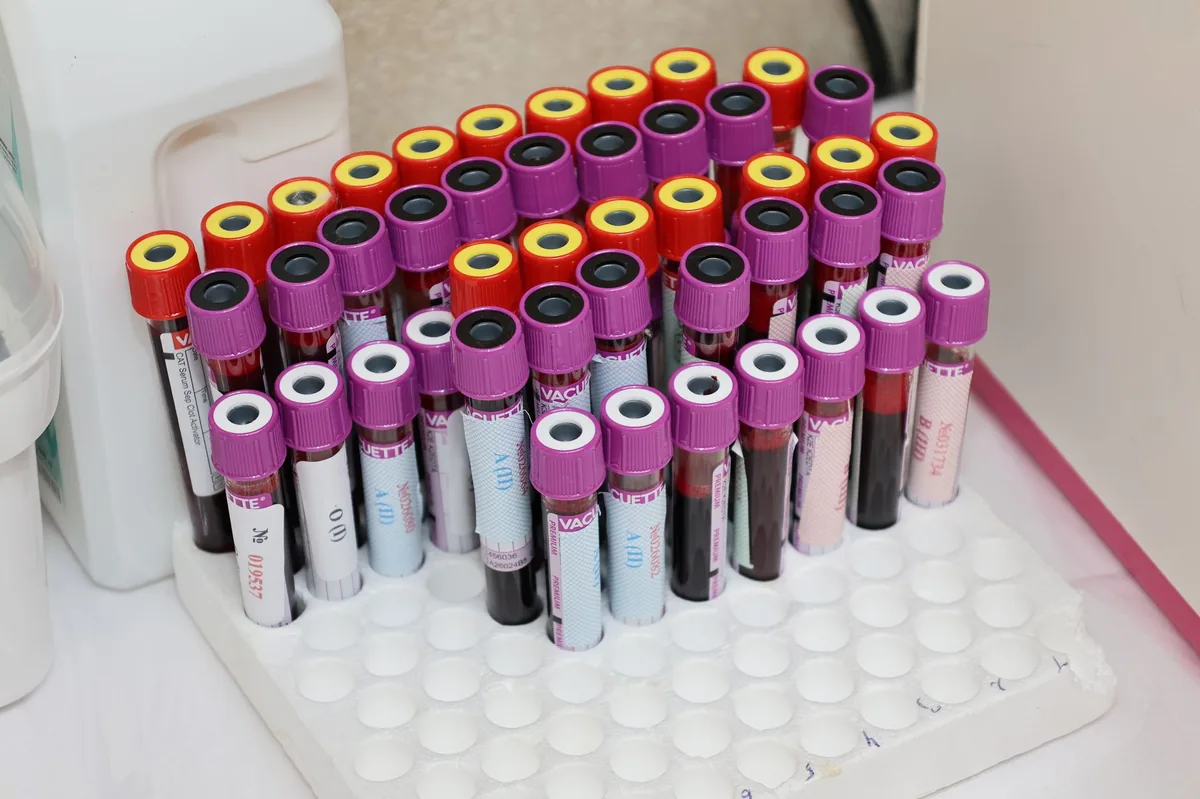
- Blood gas panel: measures pH, partial pressure of carbon dioxide (pCO₂), and bicarbonate (HCO₃⁻). A pH below 7.35 with normal pCO₂ confirms metabolic acidosis.
- Serum electrolytes: looks for low bicarbonate, high chloride, or changes in potassium that help calculate the anion gap.
- Anion gap: a high gap (>12 mmol/L) points to accumulation of unmeasured acids (e.g., ketones, lactic acid).
- Urinalysis: checks for ketones, protein, or crystals that suggest kidney involvement.
- Specific disease tests: fructosamine or blood glucose for diabetes, kidney function panels (BUN, creatinine), and toxin screens when indicated.
Imaging such as abdominal ultrasound may be ordered if kidney disease or gastrointestinal loss is suspected, as recommended by the ACVIM consensus statements.
Treatment options
Medical treatment
Emergency care focuses on restoring normal pH and addressing the root cause.
- IV fluid therapy: isotonic crystalloids (e.g., lactated Ringer’s) replace lost volume and dilute acids.
- Alkalinizing agents: sodium bicarbonate or carbicarb may be given intravenously to raise pH, especially when the acidosis is severe or the underlying cause cannot be corrected immediately.
- Targeted drugs: insulin for diabetic ketoacidosis, antibiotics for bacterial gastroenteritis, and anti‑emetics to stop vomiting.
- Ask your vet about these options—dosage is always weight‑based and tailored to your dog’s condition.
Supplements and supportive care
While supplements can’t replace proper treatment, a few have evidence of helping buffer acid load or protect organ function.
- Omega‑3 fatty acids (EPA/DHA): reduce inflammation in kidney disease and may improve acid‑base balance. Look for a high‑quality fish‑oil supplement.
- Potassium citrate: sometimes used under veterinary guidance to help neutralize acid in chronic kidney disease.
- Probiotics: support gut health after severe diarrhea, which can aid in recovery of normal bicarbonate levels.
Procedures or surgery
If a toxin like ethylene glycol has caused renal failure, dialysis may be required—a specialized procedure available at referral centers. Costs can range from $2,500 to $5,000 in the U.S., and from £2,000 to £4,500 in the UK. Recovery can take weeks, and long‑term kidney management is usually needed.
Diet and nutrition
Nutrition is a cornerstone of both acute recovery and long‑term prevention. The goal is to minimize acid production, support kidney function, and provide easily digestible protein.
- Favor highly digestible protein: foods labeled “renal support” or “low‑phosphorus” often contain 18–22 % protein that’s easier on the kidneys.
- Choose moderate‑carbohydrate, low‑acid foods: rice or sweet potato provide energy without generating excess acids.
- Limit foods that increase acid load: excessive meat‑only diets, high‑protein treats, and dairy can raise blood acidity.
- Avoid high‑sodium or high‑phosphorus treats: they strain kidneys and can worsen acidosis.
- Consider a prescription renal diet: brands such as Hill’s k/d or Royal Canin Renal Support are formulated to be alkaline‑forming and low‑phosphorus. Your vet can recommend one that matches your dog’s preferences.
- Feeding frequency: smaller, more frequent meals (3–4 times daily) reduce the metabolic load compared with one large meal.
- Transition tips: mix 25 % new diet with 75 % current food for 2 days, then 50/50 for another 2 days before fully switching. This helps prevent gastrointestinal upset.
| Do feed | Limit | Avoid |
|---|---|---|
| High‑quality, highly digestible protein (renal‑support formulas) | Excessive meat‑only treats | Raw diets high in bone content (risk of acid load) |
| Complex carbs (sweet potato, rice) | High‑phosphorus commercial treats | Cheese, milk, other dairy products |
| Omega‑3 supplement (fish oil) | Large single meals | Salty snacks or human table scraps |
For senior dogs with early kidney changes, a diet that maintains a slightly alkaline urine (pH 6–7) can help prevent the progression to metabolic acidosis. The WSAVA nutrition guidelines recommend regular monitoring of blood chemistry and adjusting diet accordingly.

Cost and prognosis
Treatment costs vary widely based on severity, underlying cause, and whether emergency care is needed.
| Service | US estimate | UK estimate |
|---|---|---|
| Initial emergency exam & blood work | $200–$400 | £150–£300 |
| IV fluid therapy (24 hr) | $150–$300 | £120–£250 |
| Sodium bicarbonate (if needed) | $30–$80 | £20–£60 |
| Underlying disease treatment (e.g., insulin for DKA) | $100–$500 | £80–£400 |
| Renal diet (first month) | $40–$80 | £30–£70 |
| Dialysis (rare, severe renal failure) | $2,500–$5,000 | £2,000–£4,500 |
When caught early, most dogs recover within a few days to a week, especially if the cause is reversible (e.g., vomiting from a toxin). Chronic kidney disease‑related acidosis may require lifelong dietary management; survival rates improve dramatically with proper diet and regular monitoring, according to AAHA data.
Prevention and home care
Preventing metabolic acidosis is largely about managing the conditions that produce it.
- Schedule regular wellness exams (at least annually) to monitor kidney function and blood chemistry.
- Keep a close eye on your dog’s water intake; dehydration accelerates acid buildup.
- Control diabetes with consistent insulin dosing and regular blood glucose checks.
- Use pet‑safe products; store antifreeze and chemicals out of reach.
- Provide a balanced diet low in excess protein and phosphorus, especially for senior dogs.
- Monitor for early signs—lethargy, rapid breathing, or changes in gum color—and act quickly.
Our dog health calculators can help you track kidney values and fluid needs, making it easier to spot trends before they become emergencies.
From our vet team: “If you notice rapid breathing or a sudden loss of appetite, think of acidosis as a possible cause and call your vet right away. Early fluid therapy and a quick blood gas test can make the difference between a short hospital stay and a life‑threatening crisis.”
Key takeaways
- Metabolic acidosis is a drop in blood pH below 7.35, often caused by kidney disease, uncontrolled diabetes, severe GI loss, or toxins.
- Early signs include lethargy, rapid breathing, and pale gums; severe signs include seizures and collapse.
- Urgent veterinary care with IV fluids, possible bicarbonate, and treatment of the underlying cause is essential for recovery.
- Prescription renal diets, moderate protein, and omega‑3 supplements support long‑term management.
- Regular check‑ups, proper hydration, and safe storage of toxins are the best ways to prevent acidosis.
Myth vs. fact
Myth: “A dog can fix high blood acidity just by drinking more water.”
Fact: While water helps prevent dehydration, acidosis usually requires medical treatment to restore proper pH balance.
Myth: “All dogs with kidney disease will develop acidosis.”
Fact: Not every kidney‑diseased dog becomes acidic; diet, hydration, and early intervention can keep blood pH in the normal range.
Myth: “If the breath smells normal, the blood isn’t acidic.”
Fact: Some forms of metabolic acidosis (e.g., lactic acidosis) don’t produce a distinctive breath odor, so a vet’s blood test is still needed.
Frequently asked questions
What is the normal blood pH range for a healthy dog?
Blood pH in healthy dogs typically falls between 7.35 and 7.45. Values below 7.35 indicate acidosis, while values above 7.45 suggest alkalosis.
Can diet alone fix high blood acidity in a dog?
Diet is a crucial part of long‑term management, but acute acidosis usually requires IV fluids and medication. A therapeutic diet helps prevent recurrence once the underlying cause is treated.
How does kidney disease lead to metabolic acidosis in dogs?
Damaged kidneys lose the ability to excrete hydrogen ions and reabsorb bicarbonate, causing acids to accumulate in the bloodstream. This is why renal‑support diets are often recommended.
Is metabolic acidosis in dogs reversible?
Yes, when the root cause is addressed promptly. Acute cases from toxins or vomiting often resolve within days, while chronic kidney‑related acidosis may need ongoing dietary and medical management.
When should I take my dog to the vet for suspected acidosis?
If you notice rapid breathing, lethargy, vomiting, or pale gums, call your vet today. If your dog collapses, has seizures, or shows a weak pulse, go to an emergency clinic immediately.
What is the typical recovery time for a dog with metabolic acidosis?
Recovery can be as quick as 24–48 hours with aggressive IV therapy for acute cases. Chronic cases requiring diet changes may take several weeks to stabilize.
Ask the PuppaDogs community
Have a question this article didn’t fully answer? Want to compare notes with other dog owners who’ve been through this? Our community forum is moderated by experienced owners and vets — and answers tend to come fast. Ask in the PuppaDogs community →
References
- AAHA 2023 Canine Vaccination and Wellness Guidelines.
- American College of Veterinary Internal Medicine (ACVIM) Consensus Statement on Renal Disease in Dogs.
- Merck Veterinary Manual, “Acid‑Base Disorders in Dogs” chapter.
- World Small Animal Veterinary Association (WSAVA) Nutrition Guidelines for Renal Support.
- Veterinary Clinics of North America: Small Animal Practice, 2022 – “Metabolic Acidosis in Dogs: Pathophysiology and Management.”
- University of California, Davis Veterinary Medicine – “Diabetic Ketoacidosis in Dogs.”
- AVMA Guidelines on Emergency Fluid Therapy for Dogs.


