















Quick take: Exocrine pancreatic insufficiency (EPI) in dogs is a condition where the pancreas can’t produce enough digestive enzymes, leading to chronic weight loss, diarrhea, and nutrient deficiencies. It’s treatable with lifelong enzyme replacement, vitamin B12 injections, and a low‑fat, highly digestible diet, but requires regular veterinary monitoring.
It’s 11 p.m., and you’ve just finished a half‑hour of searching for “why won’t my dog gain weight.” Your 7‑year‑old mixed‑breed terrier, Milo, has been slipping on walks, his stool looks greasy, and his belly feels oddly thin. The vet’s phone number is on the counter, but you’re still scrolling, hoping for a quick answer.
First, breathe. You’re not alone—many owners discover the same pattern of weight loss, foul‑smelling stool, and a ravenous appetite before a diagnosis is made. In most cases, the condition is manageable, and dogs can live a happy, active life with the right care.
In this guide we’ll explain what EPI in dogs (exocrine pancreatic insufficiency) actually is, how to spot the early signs, what tests your vet will run, and the step‑by‑step treatment plan—including diet, enzyme supplements, and cost expectations. By the end you’ll know exactly what questions to ask at your next appointment and how to keep Milo thriving.
What is EPI in dogs?
EPI stands for exocrine pancreatic insufficiency. The pancreas has two jobs: an endocrine part that releases insulin and glucagon, and an exocrine part that produces enzymes—lipase, protease, and amylase—to break down fats, proteins, and carbohydrates in the small intestine. In EPI, the exocrine portion is damaged or under‑developed, so the dog can’t make enough of these enzymes. Without them, food passes through the gut largely undigested, leading to chronic malabsorption.
The condition is relatively uncommon but not rare. Studies from the American College of Veterinary Internal Medicine (ACVIM) estimate a prevalence of about 0.5‑1 % in the general dog population, but certain breeds have a much higher risk. While EPI can develop at any age, it most often appears in middle‑aged to senior dogs.
What causes it?
The underlying cause is usually damage to the pancreatic tissue. The most common reasons include:
- Pancreatic acinar atrophy (PAA): A hereditary loss of enzyme‑producing cells, especially seen in German Shepherds and Rough Collies.
- Chronic pancreatitis: Repeated inflammation that scars the pancreas, frequently linked to high‑fat diets or previous episodes of pancreatic inflammation.
- Congenital defects: Rare developmental anomalies that can affect puppies of any breed.
- Resection or trauma: Surgical removal of part of the pancreas or severe abdominal injury.
Other risk factors that can predispose a dog to EPI include:
| Risk factor | Why it matters |
|---|---|
| Breed genetics | German Shepherds, Rough Collies, and Border Collies have a genetic predisposition to PAA. |
| History of pancreatitis | Inflammation damages the enzyme‑producing cells. |
| High‑fat diet | Excess fat can trigger pancreatitis, leading to secondary EPI. |
Signs and symptoms
Because the pancreas can’t break down nutrients, the body reacts in several ways. Early or mild signs often look like other gastrointestinal (GI) problems, which is why owners sometimes mistake EPI for a simple upset stomach.
| Severity | Typical signs |
|---|---|
| Mild | Increased appetite, occasional loose stool, mild weight loss. |
| Moderate | Steatorrhea (very greasy, foul‑smelling stool), consistent weight loss despite eating more, dull coat, occasional vomiting. |
| Severe | Severe malnutrition, lethargy, dehydration, anemia, poor growth in puppies, failure to thrive. |
Key red‑flag symptoms that differentiate EPI from other GI disorders include:
- Persistent weight loss despite a ravenous appetite.
- Foul‑smelling, frothy or oily stool that may float.
- Dark, tarry stool (melena) if there’s accompanying ulceration.
- Signs of vitamin deficiencies—especially B12 (cobalamin) deficiency—like weakness, pale gums, or neurological changes.
When to call your vet
Call your vet today if you notice:
- Steady weight loss over a few weeks.
- Greasy, malodorous stool that doesn’t improve with diet changes.
- Increased appetite paired with a thin appearance.
- Any vomiting, diarrhea, or lethargy lasting more than 48 hours.
Go to an emergency veterinary hospital right now if your dog shows:
- Severe dehydration (dry gums, skin tenting).
- Profound weakness or collapse.
- Persistent vomiting preventing fluid intake.
- Signs of anaphylaxis after a medication or supplement.
Remember, this article is for information only and does not replace professional veterinary care.
How vets diagnose it
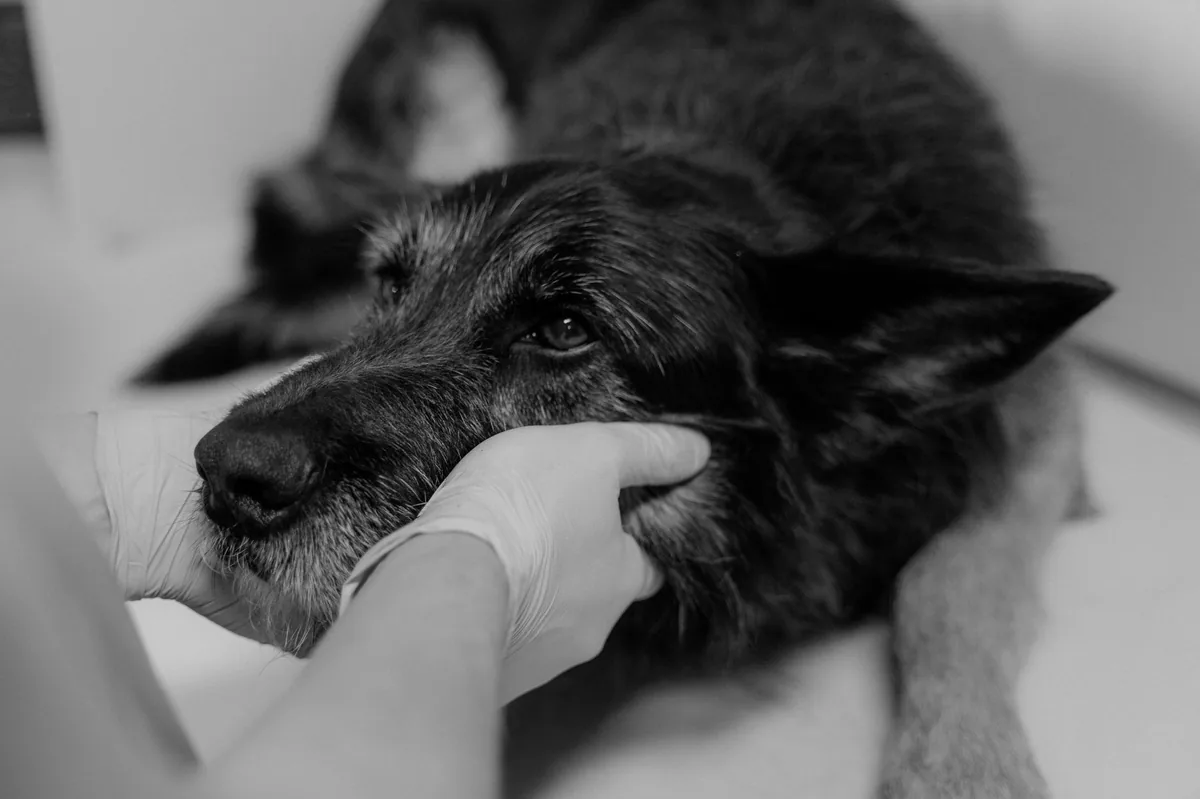
The diagnostic work‑up for EPI is systematic. Your vet will start with a thorough history and physical exam, then move on to specific tests:
- Trypsin‑like immunoreactivity (TLI) test: Measures the amount of pancreatic enzymes in the blood. A TLI below 5 µg/L is highly indicative of EPI (the AAHA recommends this as the primary screening test).
- Cobalamin (vitamin B12) level: Many dogs with EPI have low B12 because the pancreas also produces intrinsic factor needed for B12 absorption. Low levels support the diagnosis and guide supplementation.
- Fecal fat analysis: A stool sample examined for excess fat confirms malabsorption, though it’s less specific than TLI.
- Abdominal ultrasound: Helps rule out other causes such as pancreatic tumors, severe pancreatitis, or intestinal obstruction.
- Complete blood count (CBC) and chemistry panel: Detects anemia, electrolyte imbalances, and organ function that may be affected by chronic malnutrition.
These tests together give a clear picture. The TLI is the gold standard, but your vet will often combine it with B12 testing and imaging to determine the underlying cause and rule out other diseases.
Treatment options
Medical treatment
Once EPI is confirmed, the cornerstone of therapy is pancreatic enzyme replacement. Most vets prescribe powdered or capsule forms of pancreatin that contain lipase, protease, and amylase. The enzymes are mixed into the dog’s food at each meal. Common products include:
- Pancreaze (pancrelipase)
- Viokase (pancrelipase)
- Creon (pancrelipase)
Dosage is individualized—your vet will calculate the amount based on your dog’s weight and the fat content of the diet. In addition to enzymes, dogs with EPI almost always need vitamin B12 (cobalamin) injections because the pancreas can’t absorb this vitamin from food. The typical protocol is an initial series of weekly injections, then monthly maintenance, but your vet will tailor the schedule.
Supplements and supportive care
Beyond enzymes and B12, a few supplements can help improve gut health:
- Omega‑3 fatty acids (EPA/DHA): Reduce intestinal inflammation and support skin/coat health. Fish‑oil capsules are a common source.
- Probiotics: Specific strains such as Enterococcus faecium can aid digestion and help stabilize the microbiome, especially during diet transitions.
- Digestive‑support blends: Products containing prebiotics (e.g., inulin) may be useful, but always discuss with your vet before adding them.
These supplements are not a replacement for enzyme therapy, but they can smooth the road to better nutrient absorption.
Procedures or surgery
Most cases of EPI are managed medically, and surgery is rarely needed. However, if an underlying cause such as a pancreatic tumor or severe chronic pancreatitis is identified, surgical removal or drainage may be considered. The prognosis for EPI itself remains good with proper enzyme and B12 therapy, regardless of whether surgery is performed.
Diet and nutrition
Food is the other half of the treatment equation. Because the pancreas can’t break down dietary fat, the diet for a dog with EPI should be low‑fat, highly digestible, and rich in quality protein. Here’s what to look for:
- Low‑fat content: Aim for less than 10 % fat on a dry‑matter basis. Fat that is too high can overwhelm the limited enzyme supply and cause steatorrhea.
- Highly digestible protein: Chicken, turkey, or fish that is cooked and finely ground are excellent choices.
- Carbohydrate source: Easily digestible carbs such as rice or oatmeal provide energy without taxing the pancreas.
- Added fiber: Moderate soluble fiber (e.g., beet pulp) can help normalize stool consistency.
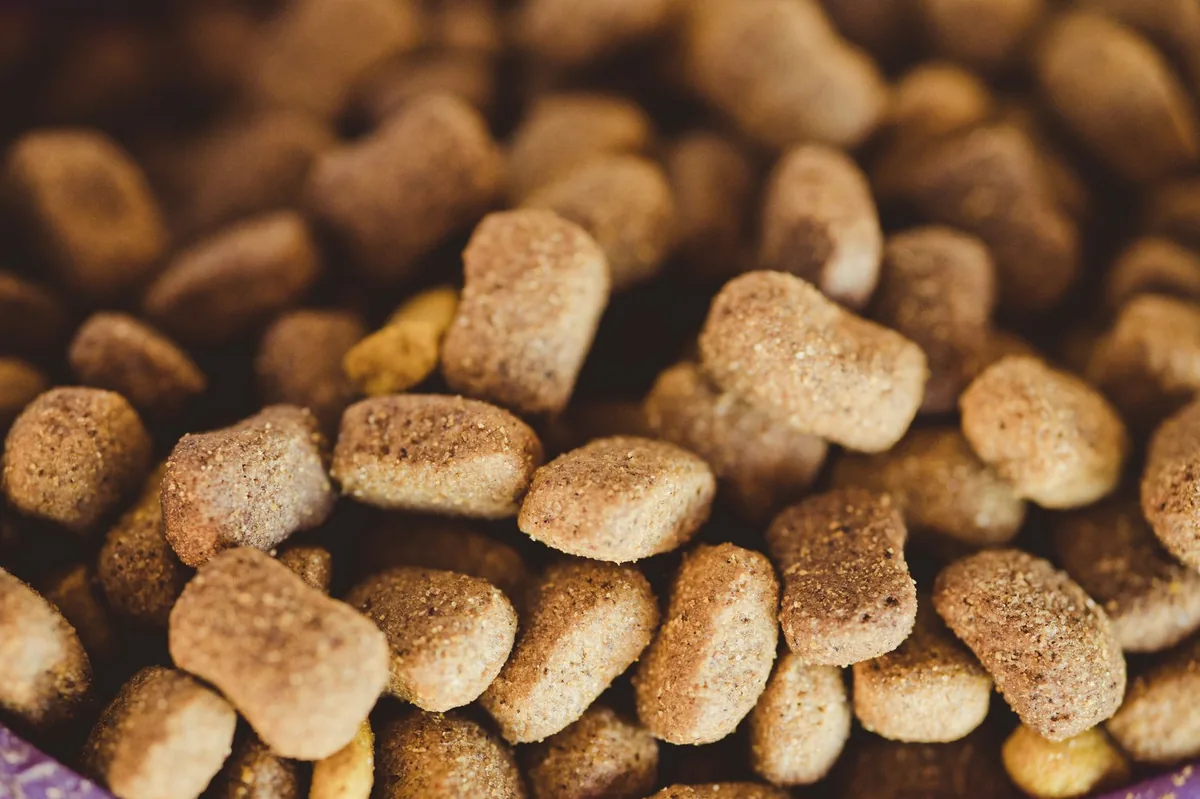
Several commercial therapeutic diets are formulated specifically for EPI. While we won’t endorse a single brand, reputable options include:
- Hill’s Prescription Diet i/d Low‑Fat
- Royal Canin Gastrointestinal Low‑Fat
- Purina Pro Plan Veterinary Diets EN Gastroenteric Low‑Fat
These diets meet AAHA nutritional standards and are designed to be gentle on the digestive tract. If you prefer home‑cooked meals, the PuppaDogs home‑cooking guide provides step‑by‑step recipes that balance protein, carbs, and low fat. A typical home‑cooked bowl might look like:
- 80 % boiled chicken breast (no skin)
- 15 % white rice
- 5 % steamed carrots or pumpkin
When feeding, mix the prescribed enzyme powder thoroughly into each meal—usually 1 gram of enzyme per 100 kcal of food, but follow your vet’s exact instructions. The enzymes work best at body temperature, so let the food sit for a few minutes after adding the powder.
Transitioning to a new diet should be gradual, over 7‑10 days. Start with 25 % of the new food mixed with 75 % of the old, and increase the new portion daily. This helps avoid sudden GI upset and gives the gut time to adjust.
In addition to the main meals, make sure fresh water is always available. Hydration supports digestion and helps prevent constipation, a possible side‑effect of a low‑fat diet.
Finally, monitor your dog’s stool quality daily. A quick “thumb test”—press a small amount of stool between your thumb and forefinger—should feel soft but not watery. If it’s consistently greasy or very loose, discuss enzyme dose adjustments with your vet.
Cost and prognosis
Managing EPI is a lifelong commitment, but the financial impact can be broken down into a few categories:
| Expense | Typical range (US) | Typical range (UK) |
|---|---|---|
| Initial diagnostics (TLI, B12, imaging) | $200‑$400 | £150‑£300 |
| Pancreatic enzyme supplement (monthly) | $30‑$60 | £25‑£50 |
| Vitamin B12 injections (first year) | $150‑$250 | £120‑£200 |
| Therapeutic diet (monthly) | $40‑$80 | £35‑£70 |
| Routine rechecks (twice yearly) | $100‑$200 | £80‑£150 |
For a medium‑sized dog, owners can expect an average yearly cost of $500‑$900 (or £400‑£750) after the initial work‑up. Many pet insurance plans cover enzyme therapy and B12 injections, so checking your policy can offset expenses.
Prognosis is generally good. With consistent enzyme replacement and proper nutrition, most dogs regain lost weight, have normal stool, and enjoy a quality of life comparable to healthy peers. Studies cited by the Merck Veterinary Manual show a 2‑year survival rate of 80‑90 % when treatment adherence is high.
Prevention and home care
Because most cases of EPI are linked to genetics or chronic pancreatitis, true prevention isn’t always possible. However, owners can reduce risk and support a dog with EPI by:
- Feeding a balanced, low‑fat diet—especially for breeds prone to pancreatitis.
- Avoiding sudden, high‑fat treats (e.g., table scraps, bacon).
- Keeping up with regular veterinary wellness exams, including annual blood work for at‑risk breeds.
- Monitoring stool consistency and weight monthly; early detection of changes leads to quicker intervention.
- Ensuring timely vitamin B12 injections—some dogs need them every 3‑6 months for life.
If your dog has been diagnosed with EPI, treat the enzyme supplement like any other daily medication: set a reminder, keep a spare bottle, and store it in a cool, dry place.
From our vet team: The biggest hurdle for owners is remembering to give the enzyme dose every meal, especially if the dog eats multiple small meals throughout the day. We recommend pre‑measuring the powder into a small dish or using a dedicated scoop that you keep by the food bowl. Consistency is the secret to turning a chronic malabsorption problem into a manageable, happy life.
Key takeaways
- EPI is a treatable enzyme deficiency; lifelong pancreatic enzyme powders and vitamin B12 injections are the core therapy.
- Early signs include weight loss despite a big appetite and greasy, foul‑smelling stool—watch for these clues.
- Diagnosis relies on a low TLI blood test, B12 level, and sometimes ultrasound; your vet will guide the work‑up.
- Feed a low‑fat, highly digestible diet and mix enzyme powder into every meal; transition foods gradually.
- Regular rechecks and B12 injections keep the condition stable; expect yearly costs of $500‑$900 in the US.
- Breeds such as German Shepherds, Rough Collies, and Border Collies are at higher genetic risk—screening them early can catch EPI before severe malnutrition.
Myth vs. fact
Myth: “EPI can be cured with a special diet alone.”
Fact: Diet alone does not replace missing pancreatic enzymes. Even the most digestible diet needs enzyme supplementation to be effective.
Myth: “If my dog’s stool looks normal, the pancreas must be fine.”
Fact: Early EPI can present with subtle stool changes; a TLI test is the definitive way to rule out enzyme deficiency.
Myth: “Enzyme supplements are dangerous if used long‑term.”
Fact: Pancreatic enzyme powders are safe for lifelong use when dosed correctly; they simply mimic the pancreas’s natural function.
Frequently asked questions
What are the common symptoms of EPI in dogs?
Dogs with EPI typically show a ravenous appetite, steady weight loss, and greasy, foul‑smelling stool. You may also notice a dull coat, occasional vomiting, and signs of vitamin B12 deficiency such as pale gums or weakness.
How do veterinarians test for exocrine pancreatic insufficiency?
The primary test is the trypsin‑like immunoreactivity (TLI) blood test; a low TLI (<5 µg/L) strongly indicates EPI. Your vet will also check vitamin B12 levels, run a fecal fat analysis, and may use ultrasound to rule out other pancreatic diseases.
What foods should I feed a dog with EPI?
Choose a low‑fat, highly digestible diet—either a therapeutic prescription kibble (e.g., Hill’s i/d Low‑Fat) or a home‑cooked blend of boiled chicken, rice, and vegetables. Always mix the prescribed enzyme powder into each meal.
Is enzyme replacement therapy safe for long‑term use?
Yes. Pancreatic enzyme powders are designed for lifelong use and have an excellent safety profile when dosed according to your vet’s instructions. They simply replace the enzymes your pancreas can’t produce.
How much does lifelong EPI treatment typically cost?
After the initial diagnostic work‑up ($200‑$400), expect monthly expenses of $30‑$80 for enzyme supplements, $40‑$80 for therapeutic diet, and $150‑$250 per year for vitamin B12 injections. Total yearly cost averages $500‑$900 in the United States.
Which dog breeds are most at risk for developing EPI?
German Shepherds, Rough Collies, and Border Collies have the highest genetic predisposition due to pancreatic acinar atrophy. Other breeds like Labrador Retrievers and Standard Poodles can develop EPI secondary to chronic pancreatitis.
Ask the PuppaDogs community
Have a question this article didn’t fully answer? Want to compare notes with other dog owners who’ve been through this? Our community forum is moderated by experienced owners and vets — and answers tend to come fast. Ask in the PuppaDogs community →
References
- American College of Veterinary Internal Medicine (ACVIM). “Pancreatic Exocrine Insufficiency.” ACVIM Consensus Guidelines, 2022.
- American Animal Hospital Association (AAHA). “AAHA Nutrition Guidelines for Dogs with EPI,” 2023.
- Merck Veterinary Manual. “Exocrine Pancreatic Insufficiency (EPI) in Dogs.” Updated 2023.
- World Small Animal Veterinary Association (WSAVA). “Nutrition for Dogs with Malabsorption Syndromes.” 2022.
- Veterinary Clinics of North America: Small Animal Practice. “Management of Canine Exocrine Pancreatic Insufficiency.” 2021.
- University of California, Davis Veterinary Medicine. “Pancreatic Enzyme Supplementation in Dogs.” Clinical Resources, 2022.
- American Veterinary Medical Association (AVMA). “Guidelines for Vitamin B12 (Cobalamin) Therapy in Dogs.” 2021.
- Cornell University College of Veterinary Medicine. “Low‑Fat Diets for Pancreatic Disorders.” 2023.
- Hill’s Pet Nutrition. “Prescription Diet i/d Low‑Fat for EPI.” Product Information, 2022.
- Royal Canin. “Gastrointestinal Low‑Fat Diet for Dogs with EPI.” Technical Data Sheet, 2022.


