






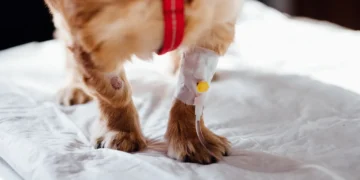








Quick take: Ehrlichiosis is a tick‑borne bacterial infection that can cause fever, anemia, and organ damage in dogs. Early signs include lethargy, loss of appetite, and pale gums. Prompt diagnosis with blood tests and a 28‑day course of doxycycline usually leads to full recovery, but lifelong tick prevention is essential.
It’s 9 p.m., you’ve just noticed your 4‑year‑old mixed‑breed Labrador isn’t sprinting to the door like he usually does. Instead, he’s lying on the rug, his gums look a little pink‑gray, and he’s barely interested in his dinner. Your mind races to “Is this something serious?” and you start Googling “dog fever and pale gums.” The answers point to a tick‑borne disease called ehrlichiosis.
We get it—seeing a beloved pup act out of character is alarming. The good news is that with early detection and proper treatment, most dogs bounce back. In this guide we’ll explain what ehrlichiosis is, how it spreads, the signs to watch for, how vets confirm the diagnosis, treatment options, costs, and how you can keep ticks at bay for good.
By the end you’ll know when to call your vet, what to expect from the treatment plan, and how to support your dog’s recovery with the right nutrition and home care. Let’s dive in.
What is Ehrlichiosis in Dogs?
Ehrlichiosis is an infectious disease caused by the bacterium Ehrlichia canis (and, less commonly, E. chaffeensis or E. ewingii). The bacteria live inside white blood cells, disrupting the immune system and often leading to anemia, bleeding disorders, and organ inflammation. While the disease is most common in warm climates where the brown dog tick (Rhipicephalus sanguineus) thrives, cases have been reported worldwide.
According to the American Animal Hospital Association (AAHA), ehrlichiosis accounts for roughly 5–10 % of tick‑related illnesses in dogs in the United States. The infection can affect dogs of any age or breed, though certain breeds (e.g., German Shepherds, Boxers, and Labrador Retrievers) appear in veterinary case series more often, likely because of lifestyle and exposure patterns.
What causes it?
The primary cause is a bite from an infected brown dog tick. Ticks acquire the bacteria by feeding on an infected animal, then transmit it to the next host during a subsequent blood meal.
- Tick exposure: Outdoor activities in wooded, grassy, or suburban areas where ticks are prevalent.
- Seasonality: Tick activity peaks in late spring through early fall, but indoor‑living dogs can still pick up ticks that hitch a ride on humans or other pets.
- Geographic risk: Warm, humid regions (e.g., the southeastern U.S., parts of the Midwest, Mediterranean Europe, and tropical Australia) have higher tick densities.
Signs and symptoms
Ehrlichiosis progresses through three overlapping stages—acute, subclinical, and chronic. Early signs can be subtle, so it helps to know what to look for.
| Stage | Early / Mild Signs | Moderate Signs | Severe / Late Signs |
|---|---|---|---|
| Acute (1–3 weeks) | Fever, lethargy, loss of appetite, mild lameness | Vomiting, diarrhea, swollen lymph nodes | Severe anemia, bleeding from gums or nose, hemorrhagic rash |
| Subclinical (weeks‑months) | Often none—dog appears normal | Intermittent fever, mild weight loss | Recurrent infections, joint pain |
| Chronic (months‑years) | Progressive weight loss, intermittent fever | Persistent anemia, splenomegaly, eye inflammation | Kidney failure, neurological signs, death if untreated |
Because the early stage mimics many other illnesses, a “quick check” of your dog’s gums (pale = possible anemia) and a watch for fever or lameness after a tick bite are often the first clues owners spot.
When to call your vet
Call your vet today if you notice:
- Fever (temperature > 103°F/39.5°C) lasting more than 24 hours
- Pale or yellow‑tinged gums
- Loss of appetite or sudden weight loss
- Unexplained lameness or joint swelling
Go to an emergency veterinary hospital right now if you see:
- Bleeding from the nose, gums, or any wound
- Severe weakness or collapse
- Difficulty breathing or rapid heart rate
- Signs of shock (cold paws, bright eyes, rapid shallow breathing)
These red‑flag signs indicate that the infection may be causing dangerous anemia or organ dysfunction and need immediate care.
This article is for informational purposes only and does not replace a hands‑on veterinary examination.
How vets diagnose it
Diagnosing ehrlichiosis starts with a thorough history (tick exposure, travel, clinical signs) and a physical exam. The vet then uses one or more of the following tests:
- Blood smear: Microscopic examination can reveal the characteristic “morulae” (clusters of bacteria) inside white blood cells, but sensitivity is low in early disease.
- Serology (indirect immunofluorescence assay – IFA) or ELISA: Detects antibodies to Ehrlichia. A positive result indicates exposure, though antibodies can persist for months after infection.
- Polymerase chain reaction (PCR): Detects bacterial DNA in the blood and is the most specific test, especially useful in the acute stage.
- Complete blood count (CBC) and chemistry panel: Shows anemia, low platelet count, and organ‑function changes that support the diagnosis.
According to the American College of Veterinary Internal Medicine (ACVIM), a combination of PCR and serology provides the highest diagnostic accuracy.
Treatment options
Medical treatment
The cornerstone of therapy is the antibiotic doxycycline, given twice daily for 28 days. Doxycycline is effective against Ehrlichia and is the AAHA‑recommended first‑line drug. Your vet may also prescribe:
- Non‑steroidal anti‑inflammatory drugs (NSAIDs) to control fever and pain.
- Blood transfusions for severe anemia (rare, but life‑saving).
- Supportive fluids and electrolytes if the dog is dehydrated or has gastrointestinal loss.
Ask your vet about these options and whether your dog needs a full 28‑day course, even if they start feeling better sooner.
Supplements and supportive care
While antibiotics treat the infection, supportive supplements can help the body recover:
- Omega‑3 fatty acids (EPA/DHA): Reduce inflammation and support skin and coat health during recovery.
- Iron‑rich supplements or a low‑dose iron‑containing diet: Helpful if anemia persists after antibiotics, but only under veterinary guidance.
- Probiotics: Maintain gut health, especially if your dog has had diarrhea from the disease or from antibiotics.
These supplements are not a cure, but they can smooth the road to full health.
Procedures or surgery
In rare cases of severe, chronic organ damage (e.g., splenic enlargement or kidney failure), your vet may recommend diagnostic imaging or, very rarely, surgical removal of damaged tissue. Most dogs recover with medication alone, so surgery is seldom needed.
Diet and nutrition
Nutrition plays a pivotal role in healing from ehrlichiosis, especially when anemia or organ stress is present. The goal is to provide highly digestible, protein‑rich foods that are easy on the liver and kidneys while supporting the immune system.
What to feed
- High‑quality protein: Choose foods with named animal proteins (e.g., chicken, turkey, salmon) that supply essential amino acids for red‑cell production.
- Limited phosphorus and sodium: If your dog shows kidney involvement, a therapeutic renal diet (e.g., “renal support” label) can reduce workload on the kidneys.
- Added antioxidants: Vitamin E and selenium help combat oxidative stress caused by infection.
- Omega‑3 sources: Fish oil or flaxseed oil mixed into meals can temper inflammation.
What to limit or avoid
- High‑fat, low‑quality kibble that may be harder to digest.
- Excessive treats, especially those high in sodium or artificial additives.
- Raw diets that are not balanced for protein and calcium (unless recommended by your vet) because they can increase the risk of secondary infections.
When transitioning to a new diet, follow a gradual 7‑day schedule: mix 25 % new food with 75 % old food on day 1, increase the new food by 25 % each day. This helps prevent gastrointestinal upset, which can already be an issue during recovery.
| Do feed | Limit | Avoid |
|---|---|---|
| Cooked lean meats, boiled rice, sweet potato, commercial therapeutic renal diets | High‑fat kibble, large amounts of cheese or butter | Raw meat with unknown pathogens, processed treats with excess salt |
Hydration is also critical. Fresh water should be available at all times, and you can add low‑sodium broth to encourage drinking if your dog is reluctant.

Cost and prognosis
The financial side of ehrlichiosis varies by region, severity, and whether complications arise.
| Expense | U.S. estimate | U.K. estimate |
|---|---|---|
| Initial vet visit (exam, CBC, chemistry) | $80–$150 | £70–£130 |
| Diagnostic testing (PCR, IFA) | $120–$250 | £100–£200 |
| 28‑day doxycycline course | $30–$60 | £25–£50 |
| Supportive care (IV fluids, NSAIDs) | $100–$300 | £80–£250 |
| Blood transfusion (if needed) | $400–$800 | £350–£700 |
Pet insurance often covers a substantial portion of the diagnostic work‑up and medication, but owners should check policy specifics for exclusions related to tick‑borne diseases.
Prognosis is generally good when treatment starts in the acute stage—up to 90 % of dogs recover fully. Chronic cases have a more guarded outlook, with potential for lasting kidney or joint issues. Your vet will tailor a follow‑up plan based on your dog’s response.
Prevention and home care
Because ehrlichiosis is tick‑borne, preventing tick attachment is the most effective strategy.
- Monthly tick preventatives: Products containing fipronil, permethrin, or afoxolaner (e.g., Frontline®, Bravecto®) are AAHA‑approved for year‑round use.
- Environmental control: Keep grass trimmed, remove leaf litter, and treat the yard with a veterinarian‑recommended acaricide if ticks are prevalent.
- Regular grooming checks: After walks in wooded areas, run a fine‑toothed comb through your dog’s coat and inspect the ears, neck, and paws.
- Vaccination: In some countries (e.g., parts of Europe), a vaccine for canine ehrlichiosis exists, but it is not yet FDA‑approved in the United States. Discuss regional options with your vet.
Monthly prevention costs typically range from $15–$30 per dog. For multi‑dog households, buying a multi‑dose package can lower the per‑dog price.

Vet’s note
From our vet team: Early detection makes all the difference. If you find a tick attached, remove it promptly with fine tweezers, clean the bite site, and watch for fever or pale gums over the next week. Even if your dog seems fine, a quick blood test can catch subclinical ehrlichiosis before it progresses to chronic organ damage.
Key takeaways
- Ehrlichiosis is a tick‑borne bacterial infection that can cause anemia, fever, and organ damage.
- Early signs include lethargy, loss of appetite, and pale gums—check for ticks after any outdoor activity.
- Diagnosis relies on blood tests (PCR, serology) plus a CBC; treatment is a 28‑day doxycycline course plus supportive care.
- Full recovery is common when treated early; chronic cases need long‑term monitoring for kidney or joint issues.
- Monthly tick preventatives, regular grooming checks, and environmental control are the best ways to keep ehrlichiosis away.
- Discuss insurance coverage and cost estimates with your vet; most owners spend $300–$600 on initial diagnosis and treatment.
Myth vs. fact
Myth: Ehrlichiosis only affects hunting or working dogs.
Fact: Any dog that spends time outdoors—family pets, rescue mixes, and senior companions—can be exposed to infected ticks.
Myth: Once a dog recovers, it’s immune for life.
Fact: Immunity is not guaranteed; reinfection can occur if the dog is bitten by another infected tick.
Myth: Tick collars alone are enough to prevent disease.
Fact: Combining a collar with a monthly spot‑on or oral preventive provides the most reliable protection, according to the AAHA.
Frequently asked questions
What symptoms indicate my dog might have ehrlichiosis?
Early symptoms include fever, lethargy, loss of appetite, and mild lameness; later signs can progress to pale gums, anemia, and bleeding. If you notice any of these, especially after a tick bite, call your vet promptly.
How do vets test for ehrlichiosis in dogs?
Veterinarians typically use a combination of PCR to detect bacterial DNA and serology (IFA or ELISA) to identify antibodies, alongside a CBC to assess anemia and platelet counts.
Can ehrlichiosis be transmitted to humans?
Yes, the same tick species can carry Ehrlichia chaffeensis, which causes human ehrlichiosis. While the risk is low, practicing good tick control for both pets and people reduces transmission chances.
What is the typical treatment plan for canine ehrlichiosis?
The standard regimen is doxycycline 10 mg/kg twice daily for 28 days, plus supportive care such as fluids, NSAIDs, and, in severe anemia, blood transfusions. Your vet will tailor the plan to your dog’s severity and health status.
How much does ehrlichiosis treatment cost?
Initial diagnostics (exam, blood work, PCR) range from $200–$400 in the U.S., while the full 28‑day doxycycline course adds $30–$60. Additional supportive care or transfusions can increase the total to $500–$1,000, depending on severity.
Are there any long‑term effects after a dog recovers from ehrlichiosis?
Most dogs recover fully if treated early. Chronic cases may develop kidney disease, joint inflammation, or lingering anemia, so regular follow‑up exams and blood tests are recommended.
Ask the PuppaDogs community
Have a question this article didn’t fully answer? Want to compare notes with other dog owners who’ve been through this? Our community forum is moderated by experienced owners and vets — and answers tend to come fast. Ask in the PuppaDogs community →
References
- American Animal Hospital Association (AAHA). 2023 Canine Tick‑Borne Disease Guidelines.
- American College of Veterinary Internal Medicine (ACVIM). Ehrlichiosis Consensus Statement, 2022.
- Merck Veterinary Manual. “Ehrlichiosis in Dogs” chapter, 12th edition.
- World Small Animal Veterinary Association (WSAVA). Tick‑Borne Diseases Overview, 2021.
- Centers for Disease Control and Prevention (CDC). “Ehrlichiosis – Disease Overview,” 2023.
- Veterinary Partner. “Doxycycline dosing and safety in dogs,” 2022.
- American Veterinary Medical Association (AVMA). “Pet Insurance and Tick‑Borne Illnesses,” 2022.


