








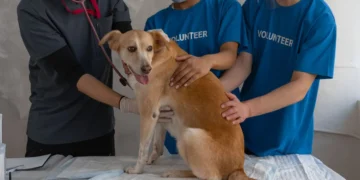







Quick take: Early contractions are the first signs that a pregnant dog is getting ready to whelp. They’re usually mild, last a few minutes, and happen every 15‑30 minutes. If the contractions become strong, frequent, or are accompanied by distress, call your vet right away. Most dogs deliver safely at home with a calm, warm whelping area and close monitoring.
It’s 2 a.m., the house is quiet, and your golden‑retriever, Bella, is lying on the couch with a soft whine. You notice her belly is tightening for a few seconds, then relaxing. A quick search later, you’re faced with a flood of terms—“early labor,” “false contractions,” “uterine inertia.” You’re relieved to find out it’s often normal, but you still wonder: Is this a problem? How long will it last? What should you do now?
We’ve been in this spot with many of our readers. The first sign is usually a subtle, rhythmic tightening that looks like a mild cramp. Most owners notice a change in behavior—restlessness, nesting, or a slight drop in appetite—right before the first true labor stage. The good news is that, with a little preparation, you can help Bella through the next few hours safely.
In this guide we’ll explain what early contractions are, how to tell them from false alarms, what a typical labor timeline looks like, when to call the vet, how to set up a safe whelping area, and what to expect after the puppies arrive. We’ll also cover costs, nutrition, and common concerns like using medication to stop early labor. By the end you’ll have a clear action plan for every stage of the process.
What is early contractions and labor in dogs?
Early contractions are the first uterine muscle movements that occur as a pregnant dog (dam) approaches whelping. They are part of the first stage of canine labor, which prepares the uterus for the powerful, rhythmic pushes of the second stage when puppies are actually delivered. In most breeds, stage 1 begins about 24 hours before the first puppy is born and can last from a few hours up to a day.
According to the Merck Veterinary Manual, the three stages of canine labor are:
- Stage 1 (pre‑labor): uterine quiescence ends, hormone shifts (decrease in progesterone, rise in estrogen and oxytocin) trigger mild, irregular contractions.
- Stage 2 (active labor): strong, regular uterine contractions push each puppy through the birth canal.
- Stage 3 (afterbirth): delivery of the placenta and the dam’s recovery.
Early contractions belong to stage 1. They’re usually painless for the dam and often go unnoticed until a watchful owner spots the pattern.
What causes early contractions?
Early contractions are a natural physiological response, but several factors can influence their timing and intensity:
| Factor | How it affects early labor |
|---|---|
| Hormonal changes | Drop in progesterone and rise in estrogen trigger uterine muscle activity. |
| Breed size | Large‑breed dogs (e.g., Great Danes) often have a longer pre‑labor phase than small breeds. |
| Nutrition & hydration | Proper calcium and overall nutrition support smooth uterine contractions. |
| Stress or environmental temperature | Cold or noisy environments can delay onset of true labor. |
| Health conditions | Uterine inertia, infection, or hormonal imbalances can cause premature or weak contractions. |
Most of these are normal variations. However, if a dam has a known medical issue (e.g., previous dystocia), her vet may monitor her more closely during stage 1.
Signs and symptoms
Early contractions are often subtle. Below is a progression chart that helps owners differentiate mild, normal signs from more concerning ones.
| Severity | Typical signs | When to act |
|---|---|---|
| Mild (early) | Soft belly tightening lasting 10‑30 seconds, occurring every 15‑30 minutes; dam may be restless, panting lightly, or nesting. | Monitor; ensure a warm, quiet whelping area. |
| Moderate | Contractions last 30‑60 seconds, become more regular (every 10‑15 minutes); dam may show mild discomfort, lower appetite. | Continue monitoring; check temperature (should be 99‑100 °F). If >101 °F, call vet. |
| Severe (red flag) | Strong, painful contractions lasting >1 minute, occurring every 5‑10 minutes; dam shows distress, vocalizes, or collapses. | Call vet immediately or go to an emergency clinic. |
Other early‑stage clues include a “nesting” behavior (digging or arranging blankets), a slight drop in body temperature (often 24‑48 hours before whelping), and a change in gum color (pale gums can signal blood loss). Recognizing these patterns helps you stay ahead of potential complications.

When to call your vet
Call your vet today (non‑emergency) if you notice:
- Contractions lasting longer than 1 minute or becoming increasingly frequent.
- Dam’s temperature stays above 101 °F for more than 2 hours.
- Significant loss of appetite, vomiting, or signs of pain (e.g., whining, pacing).
- Any discharge that looks bloody or foul‑smelling before a puppy is delivered.
Go to the emergency clinic now if you see any of these red flags:
- Dam collapses, is unable to stand, or appears weak.
- Strong contractions every 5‑10 minutes without any puppies emerging after 30 minutes (possible uterine inertia).
- Visible distress, such as excessive panting, trembling, or a bluish tongue.
- Retained placenta for more than 2 hours after the last puppy is born.
These signs can indicate dystocia (difficult birth) or other emergencies that need prompt veterinary intervention.
This article is for informational purposes only and does not replace professional veterinary care.
How vets diagnose early labor issues
When you bring your dam to the clinic, the veterinarian will perform a systematic workup:
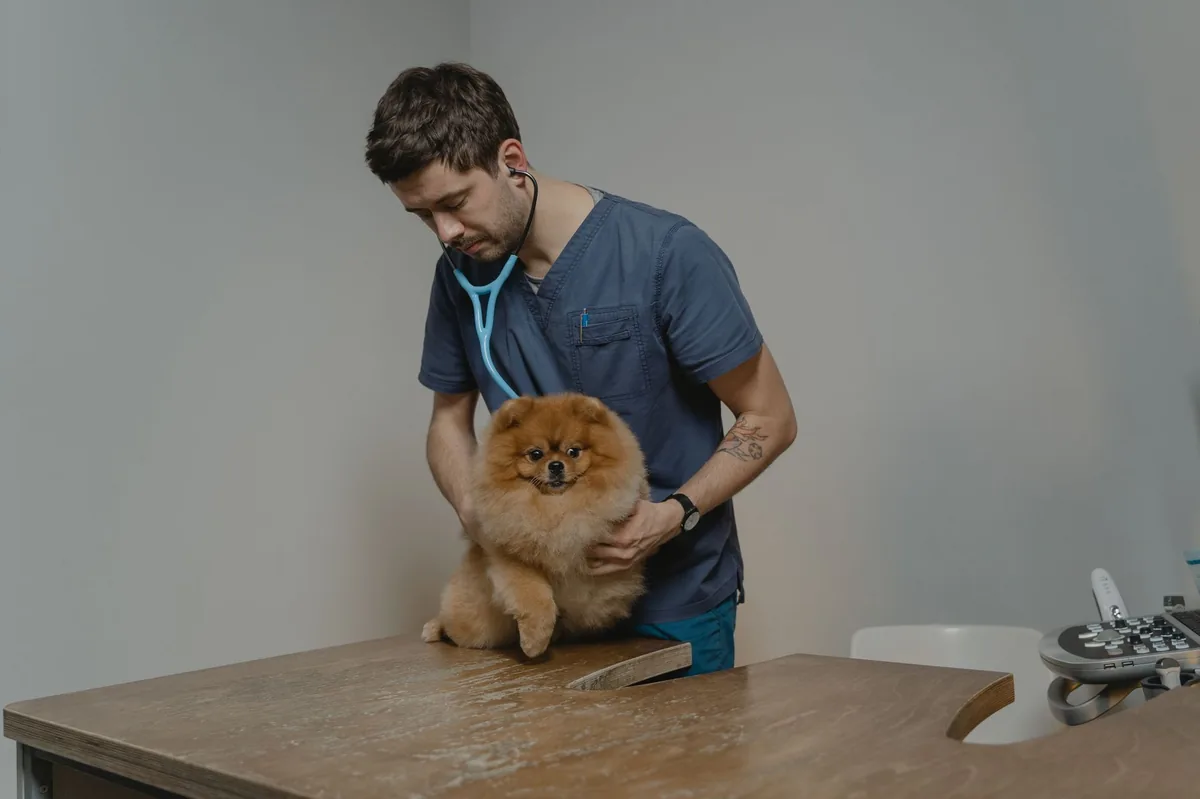
- History & physical exam: The vet will ask about the dam’s breeding date, previous whelpings, and any observed signs. A physical exam checks temperature, heart rate, and abdominal palpation for fetal positioning.
- Ultrasound or radiographs: An ultrasound can confirm fetal viability and estimate the number of puppies. X‑rays are useful later in stage 2 to locate puppies that haven’t yet descended.
- Bloodwork: A complete blood count (CBC) and serum chemistry assess calcium levels, which are critical for muscular contraction. Low calcium (hypocalcemia) can cause weak or absent contractions.
- Hormone testing (optional): In some cases, progesterone levels are measured to gauge how close the dam is to full term.
These diagnostics help the vet decide whether the dam can finish labor naturally or needs medical assistance such as oxytocin or calcium gluconate.
Treatment options
Medical treatment
When early labor becomes abnormal, veterinarians may use a few standard drug classes:
- Oxytocin: A synthetic hormone that stimulates uterine contractions. It’s given intravenously or subcutaneously, usually only after at least one puppy has been delivered to avoid “uterine inertia.”
- Calcium gluconate: Administered intravenously if blood tests show low calcium. Calcium supports muscle contraction and can help a dam with weak stage 1 contractions.
- Antibiotics: If there’s evidence of infection (e.g., foul‑smelling discharge), a broad‑spectrum antibiotic such as amoxicillin‑clavulanic acid may be prescribed. Ask your vet about this option.
- NSAIDs (non‑steroidal anti‑inflammatory drugs): Used sparingly for pain control; they do not stop labor but can ease discomfort. Your vet will choose a safe option based on the dam’s health.
All medication decisions are individualized. Always ask your vet about the benefits, possible side effects, and cost before starting any drug.
Supplements and supportive care
While supplements can’t replace proper veterinary treatment, they may support a smooth labor:
- Omega‑3 fatty acids (EPA/DHA): Help reduce inflammation and support overall health. A daily fish‑oil supplement (e.g., 100 mg per 10 lb of body weight) is commonly recommended during the last trimester.
- Vitamin B‑complex: B vitamins aid in energy metabolism and may improve uterine tone. A high‑quality prenatal B‑complex can be given as directed by your vet.
- Probiotics: Maintaining gut health can aid digestion and prevent constipation, which sometimes complicates whelping.
These supplements should be introduced gradually and only after discussing with your vet, especially if the dam has any underlying health issues.
Procedures or surgery
In rare cases, surgical intervention (cesarean section) is required when the dam cannot deliver puppies safely. Indications include:
- Severe dystocia where the puppies are stuck in the birth canal.
- Uterine rupture or severe uterine inertia unresponsive to medication.
- Maternal health emergencies (e.g., heart failure).
A C‑section involves a sterile abdominal incision, removal of the puppies, and suturing the uterus. Recovery typically takes 10‑14 days, with pain management and antibiotics prescribed. The cost in the United States averages $2,500‑$4,500, while in the United Kingdom it can range £1,800‑£3,200. These figures are estimates; exact pricing depends on clinic location and individual case complexity.
Diet and nutrition
Nutrition plays a crucial role before, during, and after labor. A well‑balanced diet supports the dam’s energy stores, calcium levels, and overall health of the puppies.
What to feed during the last trimester
- High‑quality, protein‑rich dog food (minimum 30 % protein, 20 % fat). Look for “prenatal” or “gestation” formulas from reputable brands that meet AAFCO nutrient profiles.
- Increase the daily caloric intake by 25‑30 % after the 5th week of pregnancy. This can be achieved by adding a measured amount of cooked chicken, boiled eggs, or a commercial supplement.
- Ensure calcium to phosphorus ratio stays around 1.2 : 1. Too much calcium can cause uterine hypertonicity, while too little can lead to weak contractions.
- Provide fresh water at all times; dehydration can impair uterine activity.
Foods to favor
| Do feed | Limit | Avoid |
|---|---|---|
| Lean meats (chicken, turkey), boiled eggs, cottage cheese | Commercial treats, high‑fat snacks | Raw bones (risk of splintering), onions, grapes, chocolate |
| Complex carbs (sweet potato, rice), vegetables (carrots, green beans) | Excessive dairy | High‑salt foods, spicy seasonings |
These options provide readily digestible protein and calories without overloading the dam’s gastrointestinal system.
Transitioning to postpartum diet
After whelping, the dam’s nutritional needs increase dramatically—up to 3 times her pre‑pregnancy intake for the first two weeks, especially if she’s nursing a large litter. Continue the high‑protein diet, but add extra calories via a lactation supplement (e.g., a “puppy‑growth” formula) to support milk production.
Monitor the dam’s body condition score (BCS) daily. If she appears overly thin, increase portions; if she’s gaining excessive weight, reduce treats. Proper nutrition helps prevent mastitis, helps the dam regain body condition, and ensures a healthy milk supply for the puppies.
Cost and prognosis
Most uncomplicated whelpings are low‑cost. The biggest expenses are usually:
- Pre‑whelping check‑ups: $80‑$150 per visit (US), £60‑£120 (UK).
- Emergency veterinary care: If an intervention like oxytocin or a C‑section is needed, total bills range $1,200‑$4,500 (US) or £900‑£3,200 (UK), depending on anesthesia, surgery, and post‑op care.
- Post‑natal supplies: Puppy formula, heating pads, disinfectants, and newborn care kits can add $100‑$250.
Prognosis for a healthy dam and puppies is excellent when labor proceeds normally. Survival rates for puppies born at term exceed 95 % in most breeds. Complications such as uterine inertia or dystocia increase the risk, but timely veterinary care dramatically improves outcomes.
Prevention and home care
While you can’t stop labor, you can set the stage for a smooth delivery:
- Temperature monitoring: Check the dam’s rectal temperature twice daily starting at day 55 of gestation. A drop to 98‑99 °F usually signals labor within 24 hours.
- Safe whelping area: Provide a clean, quiet space with a padded nest, a low‑heat lamp (maintain 85‑90 °F), and easy access to fresh water.
- Hydration: Offer water frequently; consider adding a little low‑sodium broth to encourage drinking.
- Exercise: Light, short walks keep muscles toned but avoid strenuous activity that could stress the uterus.
- Regular veterinary check‑ups: Schedule a final prenatal exam at 63‑65 days gestation (approximately 9 weeks). Discuss any concerns about early contractions then.
Keep a log of contraction timing, temperature changes, and dam behavior. This information is valuable if you need to call the vet.
From our vet team: “Most early contractions are harmless, but they’re a cue to be ready. Have a whelping box pre‑assembled, keep a thermometer handy, and trust your instincts—if Bella seems uncomfortable or the contractions become intense, we’re just a phone call away.”
Key takeaways
- Early contractions are mild, last seconds to a minute, and occur every 15‑30 minutes during stage 1 of labor.
- Monitor temperature, contraction pattern, and dam behavior; call your vet if contractions become strong, frequent, or are accompanied by distress.
- Set up a warm, quiet whelping area with a padded nest, water, and easy access to the dam.
- Maintain a high‑protein, calcium‑balanced diet in the final weeks of pregnancy and increase calories postpartum for nursing.
- Medical interventions (oxytocin, calcium) are only given under veterinary supervision; never self‑medicate a pregnant dog.
- Complications such as uterine inertia or dystocia are treatable when recognized early, so keep emergency contact info handy.
Myth vs. fact
Myth: “If my dog has early contractions, I should give her a painkiller to stop them.”
Fact: Painkillers like NSAIDs do not halt uterine activity and can be unsafe for a pregnant dam. Only a vet can determine if medication is needed, and most early contractions resolve without treatment.
Myth: “All dogs need a C‑section if they show any early labor signs.”
Fact: Most dogs deliver naturally. C‑sections are reserved for severe dystocia or maternal health emergencies, not for routine early contractions.
Myth: “I can give my dog calcium supplements at home to boost contractions.”
Fact: Excess calcium can cause uterine hypertonicity and fetal distress. Only a vet should administer calcium intravenously after confirming a deficiency.
Frequently asked questions
How can I tell if my dog is really in labor or just having false contractions?
True labor contractions become progressively stronger, last longer than 30 seconds, and are accompanied by nesting behavior or a temperature drop. False contractions are brief, irregular, and the dam remains comfortable.
What should I expect during the first stage of dog labor?
Stage 1 lasts 6‑24 hours and includes mild uterine tightening, a drop in temperature, and increased restlessness. The dam may dig a nest and drink more water. No puppies are born yet.
When is it necessary to call the vet for a dog in early labor?
Call your vet if contractions become strong, occur every 5‑10 minutes, the dam’s temperature stays above 101 °F, or she shows signs of pain or distress. These could signal uterine inertia or dystocia.
Can I give my pregnant dog any medication to stop early contractions?
No. Medications that affect uterine tone (oxytocin, calcium) should only be administered by a veterinarian. Giving over‑the‑counter drugs can worsen the situation.
How long does the entire whelping process usually take?
The full whelping timeline—from the first contraction to the delivery of the last placenta—typically spans 6‑12 hours, though some breeds may take up to 24 hours. The first puppy usually appears within 12‑24 hours after stage 1 begins.
What are the signs of a dystocia (difficult birth) in dogs?
Key signs include prolonged, intense contractions without a puppy emerging, a “stuck” puppy visible at the vulva, the dam’s inability to stand, and a rapid drop in temperature after delivery. Prompt veterinary care is essential.
Ask the PuppaDogs community
Have a question this article didn’t fully answer? Want to compare notes with other dog owners who’ve been through this? Our community forum is moderated by experienced owners and vets — and answers tend to come fast. Ask in the PuppaDogs community →
References
- American Animal Hospital Association (AAHA). “Canine Reproductive Health Guidelines.” 2023.
- Merck Veterinary Manual. “Parturition (Whelping) in Dogs.” Updated 2022.
- American College of Veterinary Internal Medicine (ACVIM). “Uterine Inertia and Dystocia in the Canine.” 2021.
- World Small Animal Veterinary Association (WSAVA). “Nutrition of the Pregnant and Lactating Dog.” 2020.
- American Veterinary Medical Association (AVMA). “Pregnancy and Birth in Dogs.” 2022.
- Veterinary Partner (VETMED). “Oxytocin Use in Canine Labor.” 2023.
- University of California, Davis School of Veterinary Medicine. “Canine Whelping Timeline.” 2021.
- American Kennel Club (AKC). “Breed‑Specific Whelping Considerations.” 2022.
- British Veterinary Association (BVA). “Cost of Emergency Veterinary Care for Dystocia.” 2023.
- National Research Council (NRC). “Nutrient Requirements of Dogs.” 2006, updated 2020.


