





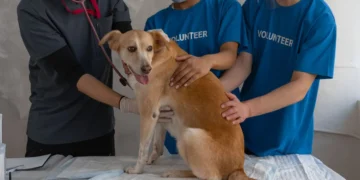










Quick take: Ear cancer in dogs is a malignant tumor that originates in the ear canal or surrounding tissues. It often looks like an ear infection but can cause swelling, bleeding, and foul odor. Early detection, proper diagnosis, and a tailored treatment plan—including surgery, radiation, or chemotherapy—greatly improve the odds of a good quality of life.
It’s 9 p.m., you’re scrolling through pet forums, and you notice your 7‑year‑old mixed‑breed’s left ear is crusty, smells sour, and she’s shaking her head more than usual. The vet mentioned “a growth” last week, but you weren’t sure how serious it could be. That knot of worry is what drives most owners to search for “ear cancer in dogs.” You’re not alone—many pet parents discover the same confusing mix of infection‑like signs and fear of a cancer diagnosis.
First, breathe. Most ear tumors are caught early enough that effective treatment is possible. In this guide we’ll explain exactly what ear cancer is, how it differs from a stubborn ear infection, what tests your vet will run, and the full range of treatment options—from surgery to radiation to supportive care. We’ll also cover cost expectations, diet tips for recovery, and practical steps you can take at home to keep your dog comfortable.
By the end you’ll know which signs demand an immediate vet call, what questions to ask during your next appointment, and how to plan for the financial and emotional journey ahead. Let’s walk through it together, step by step.

What is ear cancer in dogs?
Ear cancer, also called a malignant ear tumor, is a collection of abnormal cells that grow unchecked in the ear canal, external ear, or surrounding bone. The most common type is ceruminous gland adenocarcinoma, which arises from the wax‑producing glands at the base of the ear canal. Other less frequent forms include squamous cell carcinoma, melanoma, and mast cell tumor.
According to the American Veterinary Medical Association (AVMA), ear tumors account for roughly 5–7 % of all canine skin cancers, making them one of the more common head‑and‑neck malignancies. While any breed can develop ear cancer, certain lines—especially those with long, floppy ears—are over‑represented.
What causes ear cancer in dogs?
Exact causes are still being studied, but several risk factors are well documented:
| Risk factor | Why it matters |
|---|---|
| Chronic ear inflammation | Repeated infections or otitis can trigger cellular changes that lead to cancer. |
| Breed predisposition | Breeds with long, pendulous ears (e.g., Cocker Spaniel, Basset Hound, English Springer Spaniel) retain moisture and debris, fostering chronic irritation. |
| Sun exposure | Light‑pigmented skin on the ear flap is vulnerable to UV‑induced DNA damage, especially in outdoor dogs. |
| Environmental carcinogens | Exposure to pesticides, herbicides, or tobacco smoke may increase cancer risk, though data are limited. |
Genetics likely play a role, but most cases arise from a combination of these factors rather than a single cause.
Signs and symptoms
Ear cancer often masquerades as a stubborn ear infection. Below is a quick guide to help you differentiate the two:
| Sign | Ear infection | Ear cancer |
|---|---|---|
| Discharge | Yellow or brown, usually odorless | Thick, dark, foul‑smelling, may contain blood |
| Swelling | Usually mild, resolves with treatment | Persistent, may involve the ear flap or canal |
| Itching/Head shaking | Frequent, improves with meds | Continues despite cleaning, may be painful |
| Ear shape | Normal | Visible mass, ulceration, or deformity |
| Progression | Improves within weeks | Gradual worsening over months |
Early signs you might notice include:
- Redness or crusting along the ear canal.
- Odor that becomes increasingly foul.
- Occasional bleeding when the dog scratches the ear.
- Head tilting or persistent head shaking.
Later, more serious signs can develop:
- Visible tumor or ulcerated area on the ear flap.
- Swelling that extends to the jaw or neck.
- Difficulty hearing or balance problems.
- Weight loss or lethargy if the tumor spreads.
When to call your vet
Call your vet today if you see any of the early signs above—especially foul‑smelling discharge, persistent swelling, or a visible growth. These symptoms warrant an in‑person exam to rule out infection versus tumor.
Go to an emergency veterinary hospital right now if your dog is bleeding heavily, shows sudden collapse, has severe facial swelling, or is unable to breathe. These could indicate rapid tumor invasion or secondary infection.
This article is for informational purposes only and does not replace a professional veterinary examination.
How vets diagnose ear cancer
Diagnosing an ear tumor involves a stepwise approach:
- History & physical exam: Your vet will ask about the duration of symptoms, any prior ear infections, and will palpate the ear and surrounding lymph nodes.
- Ear canal cleaning and cytology: Cleaning removes debris, and a sample of cells is examined under a microscope to look for cancerous changes.
- Imaging: Radiographs (X‑rays) or a CT scan visualize bone involvement and assess whether the tumor has spread to nearby structures. According to the American College of Veterinary Internal Medicine (ACVIM), CT offers the most detail for surgical planning.
- Biopsy: A small tissue sample taken from the mass is sent to a veterinary pathologist. This is the definitive test that confirms the tumor type and grade.
- Staging: If cancer is confirmed, additional imaging (CT or ultrasound) and possibly a chest X‑ray are performed to see if metastasis (spread) has occurred.

Treatment options
Medical treatment
When surgery alone cannot remove all cancer cells, adjunctive therapies are used. Common drug classes include:
- Non‑steroidal anti‑inflammatory drugs (NSAIDs): Medications such as carprofen can reduce inflammation and may have mild anti‑tumor effects. Ask your vet about this option.
- Immunosuppressive chemotherapy: Drugs like lomustine (CCNU) or temozolomide are frequently employed for advanced ear tumors. Your vet will tailor dosing to your dog’s weight and health status.
- Targeted therapy: In select cases, tyrosine‑kinase inhibitors (e.g., toceranib) are considered, especially if the tumor expresses certain receptors. Discuss eligibility with your veterinarian.
Supplements and supportive care
While supplements cannot replace cancer‑directed treatment, they can help maintain overall health during therapy:
- Omega‑3 fatty acids (EPA/DHA): Found in fish oil, these reduce systemic inflammation and may improve appetite.
- Probiotics: Beneficial for dogs on chemotherapy, as they support gut health and can mitigate diarrhea.
- Vitamin C or antioxidant blends: Some owners report better energy levels, but evidence is limited—always ask your vet before adding them.
Procedures or surgery
Complete surgical removal (total ear canal ablation) is often the first‑line treatment for localized tumors. The procedure involves excising the affected ear canal and surrounding tissue, then reconstructing the area with a skin flap.
Recovery typically requires 2–3 weeks of restricted activity, pain medication, and daily ear cleaning. The cost for a standard ear canal ablation ranges from $2,500–$4,500 in the United States, with additional fees for anesthesia and post‑op care. In the United Kingdom, similar procedures average £2,000–£3,500.
Diet and nutrition
Nutrition plays a crucial role in supporting recovery after ear cancer treatment. While there isn’t a “cure‑diet,” certain principles help your dog heal and maintain body condition.
High‑quality protein is essential for tissue repair. Look for foods that list a named animal protein (e.g., chicken, turkey, or salmon) as the first ingredient and contain at least 22 % protein on a dry‑matter basis. If your vet recommends a therapeutic diet, a “high‑protein, moderate‑fat” prescription (often labeled as “oncologic” or “recovery”) can be a good foundation.
Digestibility matters. Dogs recovering from surgery may have reduced appetite or mild nausea. A diet with highly digestible protein sources—such as hydrolyzed chicken or fish—reduces the workload on the gastrointestinal tract. Adding a small amount of boiled chicken or low‑fat cottage cheese can make meals more appealing without overloading the stomach.
Omega‑3 fatty acids (EPA/DHA) from fish oil or algae supplements reduce inflammation and may improve skin health around the surgical site. Aim for 100–200 mg EPA/DHA per kilogram of body weight daily, as suggested by the National Research Council (NRC) for dogs undergoing cancer therapy.
Limit sodium and simple carbohydrates. Excess salt can increase fluid retention, while high‑glycemic carbs may fuel tumor growth. Choose kibble or canned foods with limited grain content and avoid table scraps that are high in salt or sugar.
Hydration is key. Post‑operative pain medication can cause mild constipation. Fresh water should always be available, and you might add a little low‑sodium broth to encourage drinking.
Below is a quick reference for feeding decisions during recovery:
| Food type | Do feed | Limit | Avoid |
|---|---|---|---|
| High‑protein, limited‑fat commercial diets | ✓ | — | — |
| Prescription oncologic or recovery formulas | ✓ | — | — |
| Homemade boiled chicken & rice | ✓ (small portions) | ✓ (rice) | — |
| Raw bone‑in‑mouth treats | — | — | ✓ (risk of infection) |
| High‑salt snacks & table scraps | — | — | ✓ |
Transition to a new diet gradually—mix 25 % new food with 75 % old food for a few days, then increase the new food portion every 2–3 days. This helps avoid gastrointestinal upset and lets you monitor your dog’s tolerance.
For individualized guidance, our dog nutrition calculators can estimate daily caloric needs based on weight, activity level, and recovery status.
Cost and prognosis
Financial planning is a realistic part of cancer care. Below are typical cost ranges (all estimates, actual bills vary by clinic and region):
- Surgical removal (ear canal ablation): $2,500–$4,500 (US), £2,000–£3,500 (UK).
- Radiation therapy: $5,000–$8,000 for a full course of 12–16 fractions.
- Chemotherapy (e.g., lomustine): $1,200–$2,500 per protocol, plus monitoring labs.
- Palliative care (pain meds, supplements): $200–$600 per month.
Prognosis depends on tumor type, size, and whether it has metastasized. For localized ceruminous gland adenocarcinoma, median survival after complete surgery can be 12–18 months, with some dogs living beyond two years. Advanced disease that has spread to lymph nodes or lungs shortens survival to 6–9 months on average.
Factors that improve outlook include early detection, clean surgical margins, and a supportive home environment. Regular re‑checks every 3–6 months help catch recurrences early.
Prevention and home care
While you can’t guarantee a dog will never develop ear cancer, several daily habits reduce risk:
- Routine ear cleaning: Gently wipe the outer ear with a veterinarian‑approved solution once or twice weekly, especially for breeds with floppy ears.
- Prompt treatment of ear infections: Any redness, discharge, or odor should be evaluated promptly; untreated otitis can become a chronic irritant.
- Sun protection: For dogs that spend a lot of time outdoors, consider a lightweight dog‑safe sunscreen on lightly pigmented ear flaps.
- Regular veterinary exams: Annual check‑ups allow the vet to spot early ear changes before they progress.
- Environmental safety: Avoid exposing your dog to known carcinogens like tobacco smoke, certain pesticides, and excessive UV light.
After treatment, keep the surgical site clean and dry. Your vet may recommend a topical antibiotic ointment and a soft collar to prevent scratching. Monitor for any new lumps, changes in behavior, or loss of appetite, and report them promptly.
From our vet team: Early detection is the most powerful tool we have. If you notice any persistent ear changes—especially foul odor, bleeding, or a visible mass—schedule a vet visit right away. Even if it turns out to be an infection, treating it promptly prevents the chronic inflammation that can set the stage for cancer.
Key takeaways
- Ear cancer often mimics ear infections; foul odor, bleeding, or a visible mass should trigger a vet visit.
- Diagnosis requires cleaning, cytology, imaging, and a definitive biopsy.
- Treatment options include surgery, radiation, chemotherapy, and supportive care—chosen based on tumor stage and your dog’s health.
- Costs can range from a few thousand dollars for surgery to over $8,000 for radiation; discuss financing and insurance with your vet.
- High‑quality protein, digestible foods, and omega‑3 supplements support recovery; avoid high‑salt treats and raw bones during healing.
- Regular ear cleaning, prompt infection treatment, and annual exams are the best preventive measures.
Myth vs. fact
Myth: Home remedies like tea tree oil can cure ear cancer.
Fact: There is no scientific evidence that essential oils or over‑the‑counter creams eradicate malignant tumors. They may irritate the ear and delay proper treatment.
Myth: All ear tumors are fatal within weeks.
Fact: Many ear cancers are slow‑growing and, when caught early, can be managed with surgery and adjunct therapies, giving dogs months to years of quality life.
Myth: Radiation therapy is only for human cancers.
Fact: Radiation is a standard, evidence‑based option for canine ear cancer, especially when surgery cannot achieve clean margins. It’s administered by veterinary oncologists under strict safety protocols.
Frequently asked questions
What are the early signs of ear cancer in dogs?
Early signs include persistent foul‑smelling discharge, crusty or ulcerated skin, and a small mass that doesn’t improve with standard ear infection treatment. If you notice any of these, schedule a veterinary exam.
How is malignant ear tumor diagnosed in dogs?
Diagnosis starts with a physical exam and ear cleaning, followed by cytology, imaging (X‑ray or CT), and a tissue biopsy. The biopsy is the gold standard that confirms cancer type and grade.
Can ear cancer in dogs be treated with radiation therapy?
Yes. Radiation is commonly used when surgery cannot remove all tumor cells or when the tumor is located near critical structures. A typical protocol involves 12–16 sessions over 2–3 weeks, and it can extend survival by several months.
What is the average cost of ear cancer surgery for dogs?
In the United States, surgical removal (ear canal ablation) generally costs between $2,500 and $4,500, including anesthesia, hospitalization, and post‑op care. Costs vary by region and clinic; discuss a detailed estimate with your vet.
How do I care for my dog after ear cancer removal surgery?
Keep the incision clean and dry, use any prescribed topical ointments, and prevent scratching with an e‑collar. Limit activity for 2–3 weeks, feed a highly digestible, high‑protein diet, and follow up with your vet for suture removal and re‑checks.
Is ear cancer in dogs life‑threatening?
It can be, especially if the tumor has metastasized. However, many dogs with localized disease live months to years after appropriate treatment. Early detection and aggressive management improve the odds of a good quality of life.
Ask the PuppaDogs community
Have a question this article didn’t fully answer? Want to compare notes with other dog owners who’ve been through this? Our community forum is moderated by experienced owners and vets — and answers tend to come fast. Ask in the PuppaDogs community →
References
- American Veterinary Medical Association (AVMA). “Cancer in Dogs: Overview.”
- American Animal Hospital Association (AAHA). “Canine Ear Tumor Guidelines,” 2023.
- American College of Veterinary Internal Medicine (ACVIM). “Imaging Recommendations for Head and Neck Tumors,” 2022.
- Merck Veterinary Manual. “Ear Tumors in Dogs.”
- World Small Animal Veterinary Association (WSAVA). “Guidelines for Diagnosis and Treatment of Canine Skin Tumors,” 2021.
- National Research Council (NRC). “Nutrient Requirements of Dogs,” 2006.
- Veterinary Oncology Group. “Radiation Therapy Protocols for Canine Ear Cancer,” 2020.
- University of California, Davis School of Veterinary Medicine. “Canine Otitis and Chronic Inflammation as Cancer Risk Factors.”
- American College of Veterinary Surgeons (ACVS). “Surgical Management of Ear Canal Tumors,” 2022.
- PetMD. “Ear Tumors in Dogs: Symptoms, Diagnosis, Treatment.”


