
















Quick take: Drug poisoning in dogs occurs when a dog ingests or absorbs a medication that is toxic to them. Early signs include vomiting, drooling, tremors, or lethargy, and they can develop within minutes to a few hours. Prompt veterinary care—often involving activated charcoal, IV fluids, and specific antidotes—greatly improves the chance of a full recovery.
It’s 11 p.m., the house is quiet, and you’re rummaging through a kitchen drawer for a late‑night snack when you hear the soft whine of your 4‑year‑old mixed‑breed, Milo, lying on the floor. His eyes are glassy, his tongue hangs out, and he’s chewing at his own paws. You glance at the counter and see a bottle of ibuprofen half‑empty, a forgotten cat medication, and a handful of human vitamins. The Google search bar lights up with “dog drug poisoning symptoms.” You’re not alone—many owners face that exact moment of panic.
We get it. The fear that your beloved companion has ingested something dangerous can feel overwhelming. The good news is that most drug poisonings are treatable when caught early, and there are clear steps you can take tonight and tomorrow. In this guide we’ll explain what drug poisoning is, list the medications most likely to cause trouble, walk you through the signs to watch for, and give you a roadmap for emergency care, costs, and prevention.
Read on for a plain‑English overview, practical tips you can act on right now, and answers to the most common questions—including whether ibuprofen is toxic, how long symptoms take to appear, and how to keep your pup safe from accidental ingestions.
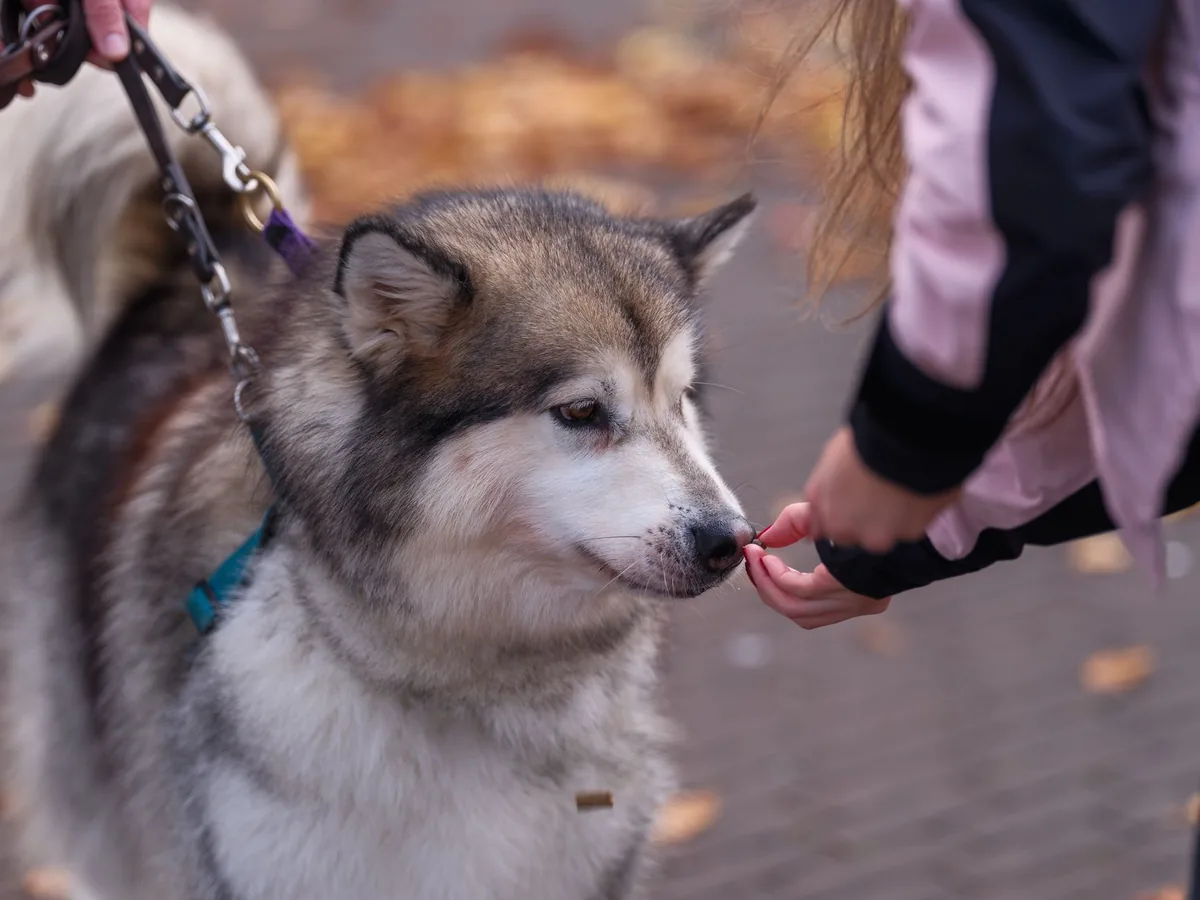
What is drug poisoning in dogs?
Drug poisoning—also called medication toxicity—happens when a dog’s body absorbs a dose of a human or veterinary drug that exceeds what its liver, kidneys, or other organs can safely process. Unlike food poisoning, which is caused by bacteria, toxins, or spoiled ingredients, drug poisoning is a direct chemical injury. The toxic effect can be immediate (e.g., heart‑blocking agents) or delayed (e.g., certain antibiotics that accumulate). While any dog can be affected, puppies and small breeds are especially vulnerable because a tiny amount can represent a large proportion of their body weight.
According to the American Society for the Prevention of Cruelty to Animals (ASPCA) and the American Veterinary Medical Association (AVMA), medication‑related emergencies rank among the top three causes of accidental poisonings in pets, accounting for roughly 10–15 % of all calls to pet poison hotlines each year.
What causes it?
Most drug poisonings are accidental—owners leave pills on a counter, children’s medicine cabinets are within reach, or a pet finds a discarded prescription bottle. Certain factors increase the risk:
| Category | Common culprits | Why they’re risky |
|---|---|---|
| Human over‑the‑counter (OTC) pain relievers | Ibuprofen, naproxen, acetaminophen | Can cause gastric ulcers, kidney failure, or liver damage in dogs. |
| Prescription human meds | Selective serotonin reuptake inhibitors (SSRIs), anticoagulants (warfarin), opioids (oxycodone) | Alter neurotransmission or clotting; even a few tablets can be lethal. |
| Veterinary drugs for other species | Cat flea treatments (e.g., selamectin), rodenticides, dewormers for livestock | Species‑specific dosing makes them highly toxic to dogs. |
| Supplements & “natural” products | Essential oils (tea tree, eucalyptus), high‑dose vitamin D, herbal tinctures | Concentrated compounds can cause cardiac arrhythmias or kidney injury. |
| Inappropriate use of veterinary meds | Chemo agents, steroids, NSAIDs meant for larger dogs | Dosage errors are common when owners try to treat mild pain at home. |
Breed predisposition is modest, but breeds with known metabolic quirks—such as Miniature Schnauzers (sensitive to acetaminophen) and certain terriers (prone to hepatic disease)—may be at slightly higher risk. Small breeds (under 10 lb) also reach toxic thresholds faster.
Signs and symptoms
Because drug toxicity can affect many organ systems, the clinical picture varies. Early signs are often nonspecific, which is why a high index of suspicion is crucial.
| Severity | Typical early signs | Progressive / severe signs |
|---|---|---|
| Mild | Vomiting, drooling, loss of appetite, mild lethargy | — |
| Moderate | Diarrhea, tremors, rapid breathing, pale gums | — |
| Severe | — | Seizures, collapse, black stool, uncontrolled bleeding, cardiac arrhythmia, coma |
Specific drugs have hallmark signs. For example, ibuprofen often causes gastric ulceration and bloody vomiting, while acetaminophen can lead to bright red gums and jaundice. Opioids may produce pinpoint pupils and slowed breathing, and anticoagulants cause unexplained bruising or bleeding from the nose.
When to call your vet
Call your regular vet today if:
- Any vomiting, diarrhea, or drooling occurs after a suspected exposure.
- Your dog shows tremors, weakness, or seems unusually sleepy.
- You notice pale or discolored gums, rapid breathing, or a change in pupil size.
Go to an emergency veterinary hospital right now if you see any of these red‑flag signs:
- Seizures, collapse, or inability to stand.
- Profuse bleeding (nose, gums, or from the rectum).
- Dark, tar‑colored stool or vomiting blood.
- Rapid, irregular heartbeat or signs of shock (cold extremities, very weak pulse).
Remember, this article is for information only. When in doubt, contact a veterinarian—prompt professional care is the best way to protect your dog’s health.
How vets diagnose it
Diagnosis starts with a thorough history: the exact medication, amount, time of ingestion, and any attempts at home decontamination. Your vet will then perform a physical exam, focusing on vital signs, oral cavity, and neurologic status.
Lab work commonly includes:
- Complete blood count (CBC) – to assess anemia or infection.
- Serum chemistry panel – to evaluate liver and kidney function.
- Coagulation profile – especially if an anticoagulant was involved.
- Urinalysis – for renal toxins.
In some cases, specific drug levels can be measured (e.g., acetaminophen, salicylates) using a toxicology screen, though many toxins are diagnosed by exclusion. Imaging—such as abdominal X‑rays or ultrasound—helps identify gastric foreign material or internal bleeding.
Treatment options
Medical treatment
The cornerstone of therapy is rapid decontamination and supportive care. Common interventions include:
- Activated charcoal: Binds many oral toxins and reduces absorption. It’s most effective when given within 1–2 hours of ingestion.
- IV fluids: Maintain blood pressure and help the kidneys flush out toxins.
- Antidotes: Specific drugs such as N‑acetylcysteine for acetaminophen toxicity, vitamin K₁ for warfarin overdose, or lipid emulsion therapy for certain lipophilic drugs (e.g., ivermectin).
- Gastrointestinal protectants: Medications like famotidine or sucralfate protect the stomach lining if ulceration is a concern.
All medication choices are guided by the specific drug involved, the amount ingested, and the dog’s clinical status. Your vet will tailor dosing based on weight and severity—always ask your vet about each option.
Supplements and supportive care
Adjunctive supplements can aid recovery when organ function is compromised:
- Omega‑3 fatty acids (EPA/DHA): Anti‑inflammatory properties that support kidney and liver health.
- S‑adenosyl‑methionine (SAMe) or milk thistle: May help protect the liver after exposure to hepatotoxic drugs.
- Probiotics: Support gut integrity, especially after vomiting or diarrhea.
These are not replacements for veterinary treatment, but they can be discussed as part of a comprehensive recovery plan.
Procedures or surgery
In severe cases, more intensive interventions may be needed:
- Gastric lavage (stomach pumping): Used when a large amount of a toxin is still in the stomach and the dog is stable enough for anesthesia.
- Plasma or whole‑blood transfusion: For severe anemia or clotting disorders caused by anticoagulant poisoning.
- Hemodialysis: Rare, but life‑saving for drugs that are poorly cleared by the kidneys (e.g., certain anticonvulsants).
Procedural costs vary widely; we provide a range in the next section.
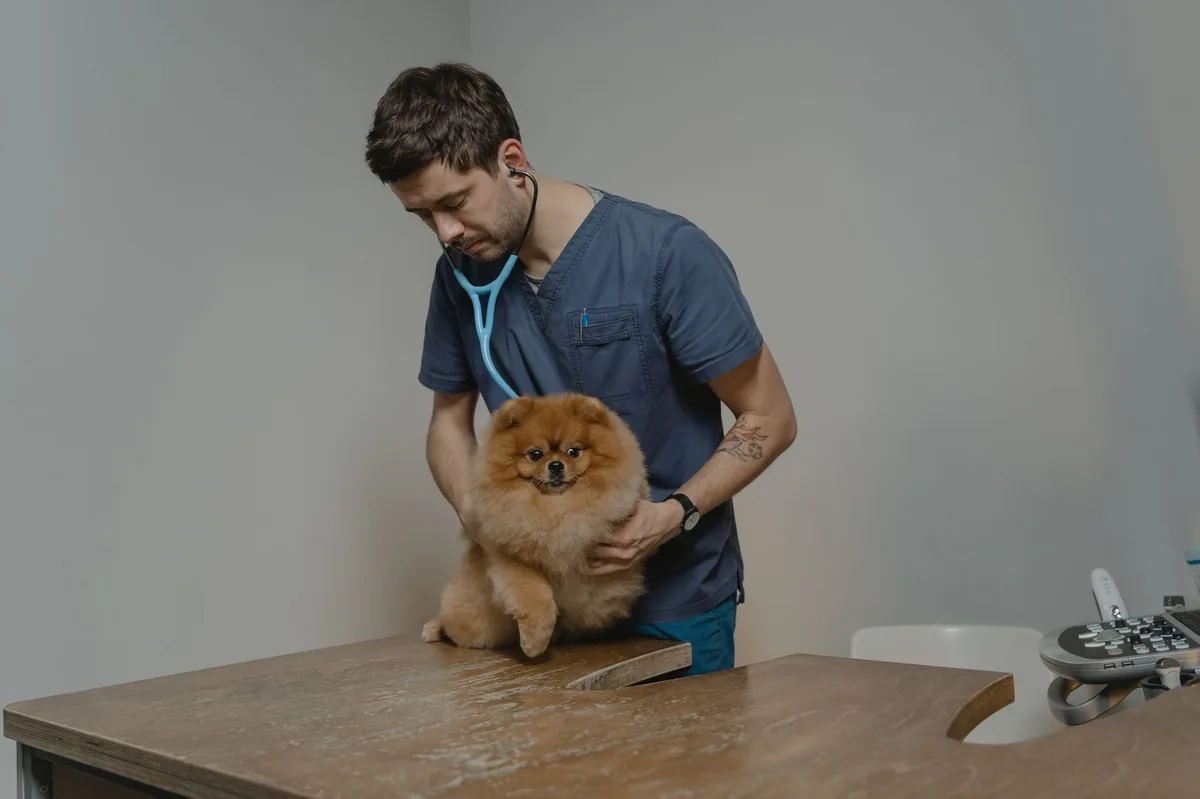
Diet and nutrition
While the primary focus after a drug overdose is medical stabilization, nutrition plays a vital role in recovery. A balanced, easily digestible diet reduces stress on the liver and kidneys and helps maintain body weight during the convalescent period.
Foods to favor are those that are low in fat, moderate in protein, and rich in antioxidants. Options include boiled chicken or turkey (skinless), white rice, sweet potatoes, and commercially available “intestinal recovery” formulas that meet AAFCO nutrient profiles for maintenance. These foods provide the energy your dog needs without overwhelming the digestive system.
Foods to limit or avoid include:
| Do feed | Limit | Avoid |
|---|---|---|
| Boiled lean meats, white rice, pumpkin, low‑fat cottage cheese | High‑fat treats, cheese chunks, cooked bones | Raw organ meats, fatty fish, high‑protein kibble, anything with added preservatives or artificial flavors |
If your dog has a specific organ injury—say, liver damage from acetaminophen—your vet may recommend a therapeutic diet such as a “hepatic support” formula (e.g., low copper, increased antioxidants). These diets are formulated to the same AAFCO standards but are enriched with nutrients like vitamin E, zinc, and omega‑3s to aid regeneration.
When transitioning back to regular food, do it slowly over 3–5 days: mix 25 % recovery diet with 75 % regular kibble on day 1, then gradually increase the regular portion. This helps prevent gastrointestinal upset.
Hydration is equally important. Offer fresh water frequently, and consider adding a low‑sodium broth (unsalted chicken) to encourage drinking. In cases where vomiting or diarrhea persists, your vet may place a feeding tube (esophagostomy or nasogastric) to ensure adequate nutrition.
Finally, avoid any “home remedy” foods that could interact with the toxic drug—such as grape‑based products, which contain compounds that can further stress the kidneys.
Cost and prognosis
The financial impact of drug poisoning varies with the drug, severity, and required interventions. Below are typical cost ranges (USD) for the United States; UK figures are provided where they differ appreciably.
| Service | US estimate | UK estimate |
|---|---|---|
| Initial ER exam (incl. blood work) | $150–$300 | £120–£250 |
| Activated charcoal administration | $50–$120 | £40–£90 |
| IV fluid therapy (24 h) | $200–$400 | £150–£300 |
| Specific antidote (e.g., N‑acetylcysteine) | $100–$250 | £80–£180 |
| Gastric lavage + sedation | $300–$600 | £250–£500 |
| Blood transfusion (if needed) | $800–$1,500 | £700–£1,300 |
| Hospitalization (24‑48 h) | $500–$1,200 | £400–£900 |
Overall prognosis is good for most dogs when treatment begins within a few hours. Early‑treated ibuprofen or acetaminophen overdoses have survival rates above 90 %. Delayed care, especially with drugs that cause irreversible organ damage (e.g., certain chemotherapy agents), can lower the odds.
Prevention and home care
Preventing accidental drug ingestion is mostly about managing the environment:
- Store all medications out of reach: Use high cabinets with child‑proof locks, and keep pet food and water bowls away from counters.
- Keep pill bottles closed: Even “dog‑safe” medications can be dangerous in the wrong dose.
- Dispose of unused meds safely: Take them to a pharmacy take‑back program or follow FDA disposal guidelines.
- Educate family members: Make sure everyone knows which pills are off‑limits to pets.
- Use pet‑specific products when possible: For pain relief, ask your vet about dog‑approved NSAIDs like carprofen or meloxicam instead of human ibuprofen.
During routine vet visits, ask about safer alternatives for any human medications you regularly keep at home. Many vets can suggest dog‑friendly formulations or non‑pharmacologic options (e.g., joint supplements, physical therapy) that reduce the need for accidental self‑medication.
From our vet team: If you ever suspect a drug overdose, the most important thing is to act fast—don’t wait for symptoms to become severe. Even if you’re unsure what the pill was, bring the container (or a photo) to the vet; it speeds up identification and treatment. Most owners who call within the first hour see the best outcomes, and we’ve seen many “rescues” where a quick charcoal dose turned a potentially fatal situation into a full recovery.
Key takeaways
- Drug poisoning can happen with any medication; even a single human tablet can be toxic to a small dog.
- Early signs include vomiting, drooling, tremors, or lethargy—watch for them within minutes to a few hours after exposure.
- Contact your vet immediately for any vomiting or abnormal behavior; go to an emergency clinic if seizures, bleeding, or collapse occur.
- Treatment often involves activated charcoal, IV fluids, and specific antidotes; prompt care dramatically improves survival.
- Prevent accidental ingestion by storing meds out of reach, using child‑proof locks, and disposing of unused drugs safely.
- During recovery, feed a bland, low‑fat diet and keep your dog hydrated; follow your vet’s guidance on any therapeutic diet.
Myth vs. fact
Myth: “If my dog ate a tiny piece of a prescription pill, it’s probably fine.”
Fact: Even a small fragment can contain a lethal dose for a dog, especially for potent drugs like opioids or anticoagulants. Always assume toxicity and seek veterinary care.
Myth: “Over‑the‑counter pain relievers are safe for dogs because they’re sold in pharmacies.”
Fact: Human NSAIDs such as ibuprofen and naproxen are unsafe for dogs and can cause severe kidney and gastrointestinal damage. Use only vet‑approved pain meds.
Myth: “If my dog looks okay after a few hours, the drug is no longer a problem.”
Fact: Some toxins have delayed effects; symptoms can emerge up to 24 hours later. Monitoring and a vet check are essential.
Frequently asked questions
What symptoms indicate my dog has been poisoned by medication?
Common early signs include vomiting, drooling, loss of appetite, and lethargy; more serious signs may involve tremors, seizures, pale gums, or uncontrolled bleeding.
How quickly do drug poisoning symptoms appear in dogs?
Onset can be rapid—within 15–30 minutes for fast‑acting toxins like ibuprofen—or delayed up to several hours for drugs that require metabolic activation, such as certain antidepressants.
Can activated charcoal be given to a dog at home?
Yes, if a veterinarian advises it. Activated charcoal is most effective within 1–2 hours of ingestion, but it should only be administered under vet guidance because improper dosing can cause aspiration.
When should I call an emergency vet for suspected drug poisoning?
Call an emergency clinic right away if your dog shows seizures, collapses, severe vomiting with blood, or any signs of shock (cold extremities, rapid heartbeat). For milder symptoms, contact your regular vet promptly.
What is the typical cost of treating drug toxicity in dogs?
Initial emergency care (exam, labs, charcoal) can range from $150–$300, while full hospitalization with IV fluids, antidotes, and possible procedures may exceed $1,500. Costs vary by region and severity.
Are certain breeds more prone to drug poisoning?
All breeds can be affected, but small breeds and those with known metabolic sensitivities—such as Miniature Schnauzers (acetaminophen) and certain terriers (liver disease)—may reach toxic levels more quickly.
Ask the PuppaDogs community
Have a question this article didn’t fully answer? Want to compare notes with other dog owners who’ve been through this? Our community forum is moderated by experienced owners and vets — and answers tend to come fast. Ask in the PuppaDogs community →
References
- American Veterinary Medical Association (AVMA). “Pet Poison Prevention.” AVMA Guidelines, 2023.
- ASPCA Animal Poison Control Center. “Drug Toxicity in Dogs.” ASPCA, 2022.
- American Animal Hospital Association (AAHA). “Emergency Care Standards for Toxicology.” AAHA, 2023.
- Merck Veterinary Manual. “Drug Toxicity, Clinical Signs, and Treatment.” 12th edition, 2022.
- Veterinary Poisons Information Service (VPIS). “Common Toxic Medications for Dogs.” UK, 2023.
- World Small Animal Veterinary Association (WSAVA). “Guidelines on Use of Activated Charcoal.” WSAVA, 2021.
- American College of Veterinary Internal Medicine (ACVIM). “Management of Acute Drug Overdose.” ACVIM Consensus, 2022.
- Cornell University College of Veterinary Medicine. “Medication Safety in Pets.” Cornell Vet Resources, 2023.
- National Institutes of Health (NIH). “Human Drug Toxicity in Companion Animals.” NIH Publication, 2022.


