













Quick take: Dog tumors are abnormal growths that can be benign (non‑cancerous) or malignant (cancerous). Common signs include new lumps, swelling, or changes in behavior. Early detection, proper staging, and a tailored treatment plan—often surgery, chemotherapy, or radiation—offer the best chance for a good quality of life. Costs vary widely, but many owners find options that fit their budget and their dog’s needs.
It’s 9 p.m., you’re scrolling through pet forums, and you notice a small, firm bump on your 7‑year‑old Boxer’s flank that wasn’t there a week ago. The lump feels a little warm, and your dog seems a bit more tired than usual. Your heart races as you wonder: “Is this something serious?” You’re not a vet, but you need answers—fast.
We get it. A new growth can feel like a mystery wrapped in fear. The good news is that most tumors are caught early, and with the right care, many dogs continue to thrive. In this article we’ll explain what dog tumors are, how to spot them, what your vet will do to diagnose and stage them, the treatment options and their costs, and how you can help prevent problems before they start. By the end you’ll have a clear roadmap for the next steps, and you’ll know exactly when a vet visit is urgent.
Read on for a step‑by‑step guide that covers everything from lump feel to post‑surgery nutrition, plus practical tips you can start using tonight.
What is dog tumors?
A tumor is a mass of cells that grow abnormally. In dogs, tumors can arise from any tissue—skin, bone, organs, or blood vessels. They are classified as benign (non‑cancerous, usually slow‑growing and not invasive) or malignant (cancerous, capable of spreading, or metastasizing, to other parts of the body). While benign tumors often cause cosmetic concerns, malignant tumors can threaten a dog’s health and lifespan.
According to the American Veterinary Medical Association (AVMA), cancer is the leading cause of death in dogs over ten years old, affecting roughly one in four dogs during their lifetime. The most common malignant tumor types are mast cell tumors, lymphoma, and osteosarcoma, but benign skin tumors like lipomas are also very frequent.
What causes dog tumors?
Tumor development is multifactorial. Below are the main categories that increase a dog’s risk:
| Category | Typical Factors |
|---|---|
| Genetics | Certain breeds (e.g., Boxers, Golden Retrievers, Bernese Mountain Dogs) have higher rates of specific cancers such as mast cell tumors or lymphoma. |
| Age | Older dogs (≥ 7 years) accumulate cellular mutations over time, making cancer more likely. |
| Environmental exposures | Second‑hand smoke, chronic pesticides, and prolonged UV radiation (especially for light‑colored breeds) can damage DNA. |
| Chronic inflammation | Long‑standing infections, hormonal imbalances, or persistent wounds can promote tumor growth. |
| Immune suppression | Dogs on long‑term immunosuppressive drugs (e.g., after organ transplants) have an elevated cancer risk. |
While you can’t change a dog’s genetics, you can manage many of the environmental and health‑related factors to lower overall risk.
Signs and symptoms
Early detection hinges on recognizing subtle changes. Below is a progression from mild to severe signs you might notice:
| Stage | Signs to Watch For |
|---|---|
| Mild | New lump or bump, slight swelling, hair loss over a spot, occasional limping. |
| Moderate | Lump becomes firm, painful, or changes size quickly; visible ulceration; loss of appetite; increased panting or fatigue. |
| Severe | Rapid weight loss, persistent vomiting or diarrhea, coughing, difficulty breathing, unexplained lameness, or neurological signs (head tilt, seizures). |
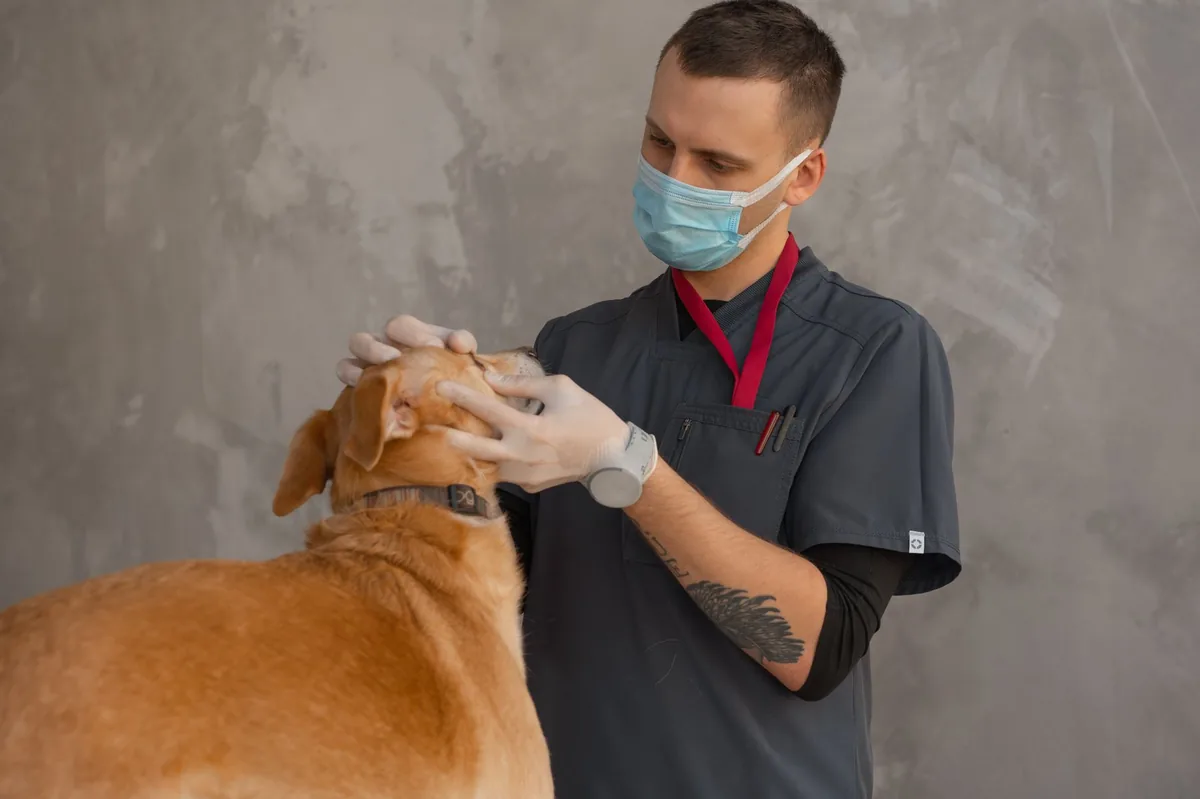
Most owners first notice a lump that feels like a pea or grape under the skin. A benign lipoma is usually soft, movable, and painless, while a malignant mast cell tumor may feel firmer, be fixed to underlying tissue, and sometimes bleed.
When to call your vet
Call your regular vet today if you notice:
- A new lump that’s growing, changing shape, or becoming painful.
- Any swelling, ulceration, or discharge from a mass.
- Unexplained weight loss, loss of appetite, or persistent lethargy.
- Persistent coughing, difficulty breathing, or lameness.
Go to an emergency veterinary hospital right now if:
- The lump is bleeding heavily or the skin is broken and the area looks infected.
- Your dog is vomiting repeatedly, has a distended abdomen, or shows signs of severe pain.
- There’s sudden, severe weakness or collapse, especially if accompanied by a rapid breathing rate.
This article is for informational purposes only and does not replace professional veterinary care.
How vets diagnose dog tumors
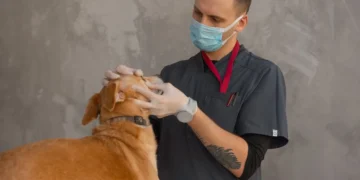
Diagnosis starts with a thorough history and physical exam. Your vet will palpate the lump, assess its size, consistency, and attachment to deeper structures. The typical work‑up includes:
- Fine‑needle aspirate (FNA): A thin needle draws cells for cytology. It’s quick, inexpensive, and often tells whether a tumor is likely benign or malignant.
- Core needle or excisional biopsy: Provides a larger tissue sample for histopathology, the gold standard for confirming cancer type and grade.
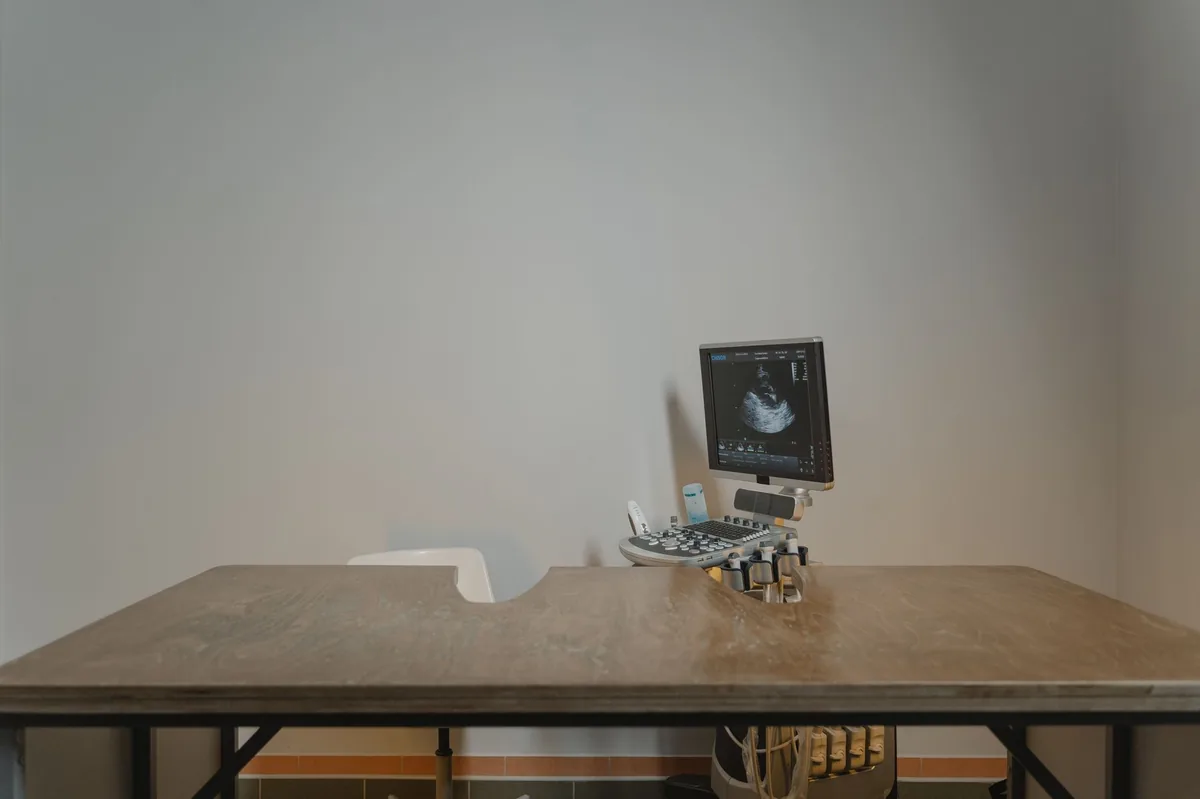
- Imaging: X‑rays, ultrasound, CT, or MRI help determine if the tumor has spread (metastasized) to lungs, liver, or bones.
- Blood work: CBC, chemistry panel, and specific tumor markers (e.g., thymidine kinase for lymphoma) give insight into organ function and overall health.
- Staging: The American Joint Committee on Cancer (AJCC) staging system classifies tumors based on size, lymph node involvement, and distant spread, guiding treatment choices.
All of these tests are usually performed at a veterinary referral center or a practice with advanced diagnostics.
Treatment options
Medical treatment
For many malignant tumors, systemic therapy is needed in addition to surgery. Common drug classes include:
- Chemotherapy agents: Doxorubicin, cyclophosphamide, and vincristine are standard for lymphoma and mast cell tumors. Your vet will tailor the protocol to your dog’s size and health.
- Targeted therapies: Palladia (toceranib) and Kinavet (masitinib) are FDA‑approved for certain mast cell tumors and can be discussed if surgery isn’t curative.
- Immunotherapy: Oncolytic viruses and checkpoint inhibitors are emerging options, especially for high‑grade cancers. Ask your vet about clinical trial availability.
All chemotherapy is administered under veterinary supervision. Side effects can include lowered white blood cell counts, mild nausea, or temporary lethargy, but most dogs tolerate the drugs well with supportive care.
Supplements and supportive care
While supplements cannot replace conventional treatment, they can help maintain strength and immune function during therapy. Evidence‑based options include:
- Omega‑3 fatty acids (EPA/DHA): Found in fish oil, they reduce inflammation and may slow tumor growth. Look for products with ≥ 1,000 mg EPA per serving.
- Antioxidant blends (vitamin C, selenium): May protect healthy cells during chemotherapy, but discuss dosage with your vet.
- Probiotics: Maintaining gut health can improve appetite and nutrient absorption, especially after surgery.
Procedures or surgery
Surgical removal is the cornerstone for many solid tumors, especially when the mass is localized and resectable. The procedure can range from a simple skin excision to a complex limb amputation (e.g., for osteosarcoma). Recovery typically involves:
- Hospital stay of 1‑3 days for pain control and monitoring.
- Restricted activity for 2‑4 weeks, depending on the site.
- Follow‑up visits for suture removal and wound checks.
Costs for surgery vary widely: a simple skin tumor excision may run $300‑$800, whereas an amputation can exceed $5,000 in the United States. Radiation therapy, when indicated, usually requires 10‑15 sessions and can add $2,500‑$6,000 to the overall bill.
Diet and nutrition
Nutrition plays a vital role in recovery and may influence tumor progression. While no single diet can cure cancer, certain feeding strategies support healing and immune health.
What to feed
- Highly digestible protein: Lean chicken, turkey, or fish provide the amino acids needed for tissue repair without overloading the liver or kidneys.
- Moderate calories: Maintaining a healthy weight helps preserve muscle mass. Over‑feeding can exacerbate obesity‑related inflammation, which some studies link to faster tumor growth.
- Omega‑3 enriched foods: Commercial therapeutic diets (e.g., Hill’s Prescription Diet a/d, Royal Canin Veterinary Diet Oncology) contain EPA/DHA levels that are difficult to achieve with standard kibble alone.
- Low‑carbohydrate, high‑fat formulas: Some oncologists recommend a ketogenic‑type diet to starve cancer cells of glucose. Discuss this approach with your vet, as it isn’t appropriate for every dog.
What to limit or avoid
| Category | Reason |
|---|---|
| High‑sugar treats | Excess glucose may fuel rapidly dividing cancer cells. |
| Excessive dairy | Can be hard to digest and may cause inflammation in some dogs. |
| Raw meat with unknown pathogens | Risk of bacterial infection, especially when the immune system is compromised. |
Feeding tips during recovery
- Offer small, frequent meals (3‑4 times daily) to encourage intake if appetite is low.
- Warm the food slightly (to ~38 °C) to enhance aroma, which can stimulate a picky eater.
- Consider a hand‑feeding approach or adding a little low‑sodium broth to make meals more enticing.
- Monitor body condition weekly; adjust portions to keep your dog at a stable weight.
Transition gradually: mix 25 % new therapeutic diet with 75 % current food for three days, then increase the new diet by 25 % every two days. This helps avoid gastrointestinal upset.
For dogs with specific organ involvement—such as kidney or liver disease—your vet may recommend a renal‑support or liver‑support formula in addition to the oncology diet. The goal is to balance nutrients while not overburdening compromised organs.
Finally, keep fresh water available at all times. Hydration supports cellular function and helps flush metabolic waste from chemotherapy.
Cost and prognosis
Financial considerations are real, and the cost of cancer care can vary based on geography, the tumor’s location, and the chosen treatment plan.
| Treatment | Typical US Cost (USD) | Typical UK Cost (GBP) |
|---|---|---|
| Diagnostic work‑up (blood work, imaging, biopsy) | $500‑$1,500 | £400‑£1,200 |
| Simple excision (skin tumor) | $300‑$800 | £250‑£700 |
| Major surgery (e.g., limb amputation) | $3,000‑$7,000 | £2,500‑£6,000 |
| Chemotherapy (full protocol) | $2,000‑$5,000 | £1,500‑£4,000 |
| Radiation therapy (10‑15 fractions) | $2,500‑$6,000 | £2,000‑£5,500 |
Prognosis depends on tumor type, stage, and the dog’s overall health. For example, localized mast cell tumors that are completely removed have a 5‑year survival rate of 70‑90 % (AAHA 2022 guidelines). In contrast, osteosarcoma with metastasis carries a median survival of 4‑6 months despite aggressive therapy.
Many owners choose a “palliative” approach when cure isn’t feasible—focusing on pain control, quality of life, and shorter, less invasive treatments. Discuss goals openly with your vet to align expectations and financial planning.
Prevention and home care
While you can’t eliminate every cancer risk, daily habits can lower the odds and catch problems early.
- Regular wellness exams: Annual physicals for adult dogs, semi‑annual for seniors, give vets a chance to feel for hidden lumps.
- Vaccination: The canine melanoma vaccine (Oncept) is available in the US for dogs with high‑risk oral melanoma; discuss eligibility with your vet.
- Weight management: Maintaining a lean body condition reduces inflammatory hormones linked to tumor growth.
- Environmental control: Use pet‑safe flea and tick preventives, avoid secondhand smoke, and limit exposure to pesticides.
- Dietary antioxidants: Foods rich in vitamins C and E, as well as selenium, may provide modest protective effects (based on ACVIM nutrition recommendations).
- Skin checks: Perform a quick visual and tactile exam at home each month—look for new bumps, changes in existing spots, or areas of hair loss.
If you notice any of the warning signs, schedule a vet appointment promptly. Early-stage tumors are often curable with less invasive surgery and lower cost.
Vet’s note
From our vet team: “If you’re facing a tumor diagnosis, take a breath and remember that you’re not alone. Most cancers in dogs are treatable, and many owners find a balance between the best medical care and what feels right for their family. Keep a detailed symptom diary, ask for a clear staging report, and don’t hesitate to discuss financial options—many practices offer payment plans or charitable assistance.”
Key takeaways
- Any new, changing lump warrants a vet exam; early detection greatly improves outcomes.
- Benign tumors are common and often harmless, but malignant tumors require staging and may need surgery, chemo, or radiation.
- Diagnostic work‑up typically includes fine‑needle aspirate, imaging, and possibly a biopsy to confirm cancer type.
- Costs range from a few hundred dollars for simple excision to several thousand for advanced therapy; discuss budgeting early.
- Nutrition with high‑quality protein, omega‑3s, and low‑sugar foods supports recovery and may help slow tumor growth.
- Regular wellness checks, weight control, and minimizing environmental toxins are practical prevention steps.
Myth vs. fact
Myth: All lumps are cancerous and must be removed.
Fact: Many lumps are benign lipomas or cysts; a fine‑needle aspirate can often determine the nature without surgery.
Myth: Chemotherapy always makes dogs sick and weak.
Fact: Modern protocols use lower drug doses and supportive care, so most dogs tolerate chemotherapy with manageable side effects.
Myth: Radiation therapy is too dangerous for senior dogs.
Fact: With proper planning, radiation can be safe and effective even in older dogs, especially for localized tumors.
Frequently asked questions
What does a tumor feel like under a dog’s skin?
A tumor can feel firm, rubbery, or hard, and may be fixed to underlying tissue. Benign lipomas are usually soft and movable, while malignant masses often feel immobile and may be tender.
Can all dog lumps be removed safely?
Most superficial skin tumors can be excised, but deeper or highly vascular tumors may require advanced imaging and specialized surgery. Your vet will assess feasibility and discuss risks before recommending removal.
How quickly do malignant tumors grow in dogs?
Growth rates vary widely; some mast cell tumors double in size within weeks, while others, like certain lymphomas, progress over months. Rapid enlargement, ulceration, or pain signals a higher grade and warrants urgent evaluation.
Is chemotherapy effective for canine cancers?
Yes—especially for lymphoma, mast cell tumors, and certain sarcomas. Response rates range from 60‑80 % in lymphoma, with many dogs achieving remission lasting months to years (AAHA 2023 chemotherapy guidelines).
What is the average recovery time after tumor surgery?
Recovery depends on the procedure: simple skin excisions often heal in 7‑10 days, while limb amputations or abdominal surgeries may need 2‑4 weeks of restricted activity and follow‑up visits.
Are there any natural supplements that help fight dog tumors?
Omega‑3 fatty acids (EPA/DHA) have the strongest evidence for supporting anti‑inflammatory pathways and may modestly improve outcomes. Antioxidant blends and certain mushroom extracts are under study, but always discuss supplement use with your vet to avoid interactions.
Ask the PuppaDogs community
Have a question this article didn’t fully answer? Want to compare notes with other dog owners who’ve been through this? Our community forum is moderated by experienced owners and vets — and answers tend to come fast. Ask in the PuppaDogs community →
References
- American Veterinary Medical Association (AVMA). Cancer Statistics in Dogs. 2022.
- American Animal Hospital Association (AAHA). Canine Oncology Guidelines. 2023.
- American College of Veterinary Internal Medicine (ACVIM). Nutritional Recommendations for Dogs with Cancer. 2021.
- Merck Veterinary Manual. Tumors in Dogs – Clinical Overview. 2022.
- World Small Animal Veterinary Association (WSAVA). Consensus on Cancer Prevention in Companion Animals. 2020.
- Cornell University College of Veterinary Medicine. Mast Cell Tumor Staging and Treatment Protocols. 2023.
- University of California, Davis Veterinary Oncology Center. Chemotherapy Protocols for Canine Lymphoma. 2022.
- Veterinary Oncology Group (VOG). Cost Analysis of Canine Cancer Treatments in the United States. 2021.
- American Animal Hospital Association (AAHA). Canine Melanoma Vaccine (Oncept) Recommendations. 2022.
- British Veterinary Association (BVA). Guidelines for Radiation Therapy in Senior Dogs. 2021.


