









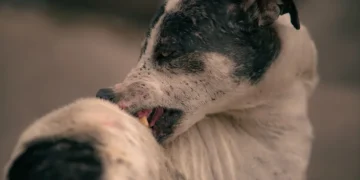






Quick take: A dog shaking its head can be normal play or a sign of an ear problem. If the shaking is frequent, accompanied by ear redness, discharge, or your dog seems uncomfortable, it’s time to check the ears and consider a vet visit. Simple cleaning may help, but infections, mites, allergies, or foreign objects often need professional treatment.
It’s 9 p.m., and your Cocker Spaniel, Milo, keeps flicking his head at the kitchen wall. You glance down and notice a faint brown crust inside his left ear. Your heart races—did you just discover an ear infection? You’re not alone; many owners wonder whether a head‑shaking dog needs urgent care or just a good ear wipe.
First, breathe. A rapid head shake can be a normal way dogs clear debris, but it can also signal pain, inflammation, or an underlying disease. In this guide we’ll explain what head shaking means, how to spot a serious ear problem, what a vet will look for, and how you can keep Milo’s ears healthy for the long haul.
We’ll walk through the most common causes—ear infections, mites, allergies, and foreign bodies—show you how to do a quick home exam, and outline treatment options, costs, diet tips, and prevention strategies. By the end you’ll know exactly when to worry, when to call the vet, and how to protect your dog’s ears.
What is head shaking in dogs?
Head shaking is a rapid side‑to‑side motion that dogs use to clear their ears, eyes, or nose of irritants. In most cases it’s a harmless reflex, like a cat’s ear twitch. However, when the motion is vigorous, frequent, or accompanied by other signs, it usually points to an ear disorder.
Ear problems affect roughly 10–15 % of dogs at some point in their lives, according to the American Kennel Club’s health surveys. Certain breeds—especially those with floppy ears—are more prone because their ear canals retain moisture and debris.
What causes it?
Ear‑related head shaking can arise from several distinct categories. Below is a quick overview of the most common causes.
| Category | Typical Triggers | Breed predisposition |
|---|---|---|
| Ear infections (otitis externa) | Moisture, bacteria, yeast, secondary inflammation | Cocker Spaniel, Basset Hound, Labrador Retriever |
| Ear mites (Otodectes cynotis) | Contagious parasites, often from other pets | Small breeds, puppies |
| Allergies | Environmental pollen, food allergens, contact irritants | All breeds; higher in atopic dogs |
| Foreign objects | Grass seeds, foxtail awns, small toys | Outdoor dogs, hunting breeds |
| Structural issues | Excessive ear hair, narrowed ear canal (stenosis) | Bulldogs, Shar‑Pei |
Signs and symptoms
Ear problems can start subtly and progress quickly. Below is a progression chart that helps you gauge severity.
| Severity | Typical Signs |
|---|---|
| Mild | Occasional head shake, slight ear odor, mild ear redness |
| Moderate | Frequent shaking, brown or yellow discharge, ear scratching, ear rubbing on furniture |
| Severe | Intense shaking, crusty or pus‑filled discharge, bleeding, swelling, vocalization of pain, balance loss |
Other red‑flag signs that may appear alongside head shaking include:
- Swollen or hot ear canal
- Scratching that leads to raw skin
- Odor that smells “musty” or “yeasty”
- Balance problems or tilting of the head
- Changes in appetite or lethargy (possible systemic infection)
When to call your vet
Call your vet today if you notice:
- Frequent head shaking (more than a few times per hour)
- Any ear discharge, crust, or foul smell
- Redness, swelling, or warmth in the ear
- Scratching that causes raw or bleeding skin
- Balance issues, tilting, or sudden unsteady gait
Go to an emergency veterinary hospital right now if you see:
- Severe bleeding from the ear
- Sudden loss of balance or inability to stand
- Very painful reaction when you touch the ear (dog cries or snaps)
- Rapid swelling that looks like an abscess
These signs suggest a serious infection or a possible ruptured eardrum that needs immediate care.
This article is for informational purposes only and does not replace a hands‑on examination by a qualified veterinarian.
How vets diagnose it
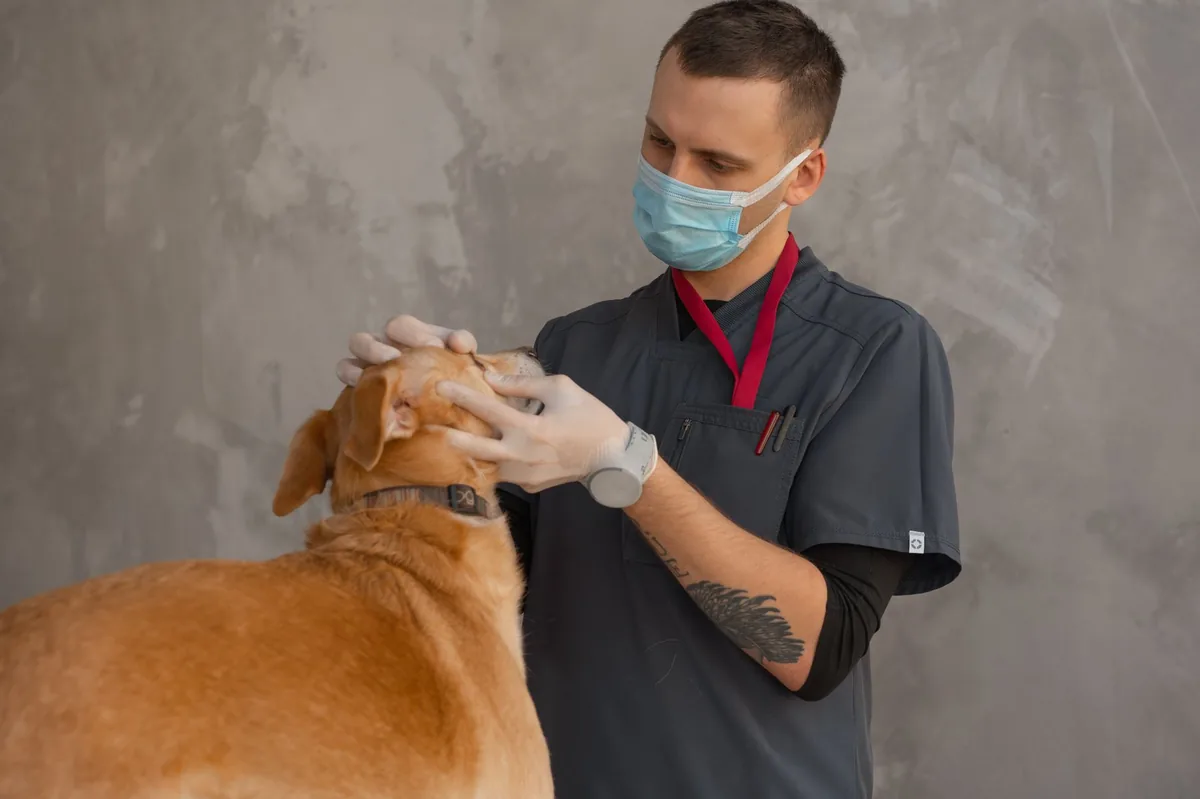
During a veterinary visit the clinician will start with a thorough history: when the shaking began, any recent swims, grooming, or exposure to other dogs. A physical exam follows, focusing on the ears.
Typical diagnostic tools include:
- Otoscopy: A handheld magnifying scope lets the vet look inside the ear canal for inflammation, debris, or a perforated eardrum.
- Cytology: A sample of ear discharge is placed on a slide and examined under a microscope. This reveals bacteria, yeast, or mite fragments.
- Culture & sensitivity: If a bacterial infection is suspected, a lab culture determines the exact organism and the most effective antibiotics.
- Allergy testing: For chronic or recurrent ear problems, the vet may recommend skin or blood allergy panels.
- Imaging (rare): In cases of chronic inflammation, X‑rays or CT scans can assess bone changes or deep‐tissue involvement.
All of these tests help the veterinarian tailor a treatment plan that targets the specific cause rather than just the symptoms.
Treatment options
Medical treatment
Once the cause is identified, most ear problems are managed with a combination of topical and systemic medications. Common drug classes include:
- Antibiotics: Broad‑spectrum agents such as amoxicillin‑clavulanate or enrofloxacin are used for bacterial infections.
- Antifungals: Topical miconazole or oral fluconazole treat yeast overgrowth.
- Anti‑inflammatory steroids: Prednisone or dexamethasone can reduce swelling and itching.
- Parasiticides: Selamectin or ivermectin‑based products are effective against ear mites.
All prescriptions should be discussed with your vet. Ask your vet about these options, especially if your dog has a history of medication sensitivities.
Supplements and supportive care
While not a cure, certain supplements can support ear health and reduce inflammation:
- Omega‑3 fatty acids (EPA/DHA): Found in fish oil, they help calm skin inflammation and may lessen allergic ear reactions.
- Probiotics: A balanced gut microbiome can improve overall skin and ear health, especially after antibiotic courses.
- Vitamin E: Antioxidant that may aid in healing irritated skin, but should be used under vet guidance.
These supplements are most helpful when the underlying cause (infection, allergy, or mites) is already being treated.
Procedures or surgery
In chronic or refractory cases, a few procedural options exist:
- Ear flushing under sedation: Allows thorough cleaning of deep canal debris that home cleaning can’t reach.
- Canalplasty: Surgical widening of a narrowed ear canal, sometimes needed in breeds with congenital stenosis.
- Removal of foreign bodies: If a grass seed or other object is lodged, a vet may need to extract it under light anesthesia.
These procedures typically cost between $150–$400 in the US and £120–£350 in the UK, depending on complexity and region. Recovery is usually quick, with a few days of restricted activity and continued topical therapy.
Diet and nutrition
What your dog eats can influence ear health, especially when allergies or inflammation are involved. While no single “ear‑health diet” exists, certain nutritional strategies support a healthy ear environment.
Foods to favor
- High‑quality protein: Easily digestible sources (chicken, turkey, fish) reduce the load on the immune system.
- Limited‑ingredient formulas: Especially for dogs with food‑related allergies, diets that contain a single protein and carbohydrate source can help identify triggers.
- Omega‑3 enriched kibble or added fish oil: EPA/DHA dampen skin inflammation, which often extends to the ear canal.
- Low‑glycemic carbohydrates: Sweet potatoes or peas avoid spikes in blood sugar that can exacerbate yeast growth.
Foods to limit or avoid
- High‑fat, low‑fiber meals: Excess fat can promote yeast overgrowth in warm, moist ear canals.
- Artificial additives and fillers: Wheat, soy, and corn may be allergens for some dogs.
- Excessive dairy: Lactose can be problematic for dogs with digestive sensitivities, indirectly affecting skin health.
Many veterinary nutritionists recommend a therapeutic “skin‑support” diet for dogs with recurrent ear infections. Brands such as Hill’s Prescription Diet Derm Defense or Royal Canin Skin Support are formulated with omega‑3s, antioxidants, and limited ingredients. We do not endorse a specific brand; discuss the best option with your vet.
When transitioning to a new diet, do it gradually over 7–10 days to avoid gastrointestinal upset. Mix increasing amounts of the new food with decreasing amounts of the old, and monitor for any new itching or ear shaking.
Hydration also matters. Adequate water intake helps maintain normal skin moisture and supports the body’s immune response. Encourage fresh water daily, and consider a water‑enhancing additive if your dog is a picky drinker.
Finally, avoid feeding your dog table scraps that are high in salt or spices. These can irritate the skin and may trigger ear flare‑ups.
| Do feed | Limit | Avoid |
|---|---|---|
| High‑quality protein, omega‑3 enriched foods | High‑fat treats, excessive carbs | Wheat, soy, corn, dairy |
Cost and prognosis
Ear problems are among the more affordable veterinary concerns, but costs vary by region, severity, and required diagnostics.
| Service | US estimate | UK estimate |
|---|---|---|
| Initial exam (including otoscope) | $45–$80 | £40–£70 |
| Cytology (microscopic exam) | $15–$30 | £15–£30 |
| Culture & sensitivity (if needed) | $80–$150 | £70–£130 |
| Topical medication (2‑week course) | $30–$90 | £25–£80 |
| Procedural cleaning under sedation | $150–$300 | £120–£250 |
Most uncomplicated ear infections resolve within 7–14 days with appropriate treatment, and dogs return to normal activity quickly. Chronic or severe cases may require longer courses of medication, follow‑up ear cleanings, and possibly allergy management, extending the recovery period to 4–6 weeks.
Prognosis is excellent for acute bacterial or yeast infections when treated promptly. Ear mite infestations also clear rapidly with proper parasiticides. Persistent or recurrent ear disease often indicates an underlying allergy or structural issue; with diligent management, most dogs maintain a good quality of life.
Prevention and home care
Preventing ear problems starts with routine grooming and monitoring:
- Regular ear checks: Once a week, gently lift the ear flap and look for redness, odor, or debris.
- Keep ears dry: After baths or swims, towel‑dry the ear canal and let it air‑dry for a few minutes.
- Gentle cleaning: Use a veterinarian‑approved ear cleaner (e.g., a solution with chlorhexidine or a mild non‑irritating formula). Avoid cotton swabs; instead, apply the solution, massage the base of the ear, and let the dog shake naturally, then wipe excess with a soft cloth.
- Trim excess hair: For breeds with hairy ear canals, a groomer can safely trim hair that traps moisture.
- Allergy management: If your dog has known food or environmental allergies, work with your vet to control exposure and consider hypoallergenic diets.
- Regular vet exams: Annual wellness checks often include ear examinations, catching early changes before they become problematic.
When you notice a mild discharge or slight odor, address it promptly with a gentle cleaning routine. This “catch‑it‑early” approach can prevent a simple irritation from turning into a full‑blown infection.

Vet’s note
From our vet team: “If your dog’s head shaking is accompanied by any discharge, pain, or balance issues, don’t wait. Early treatment prevents chronic inflammation and reduces the chance of scar tissue that can narrow the ear canal. Most ear problems respond well to a short course of medication and a clean ear, but the key is to act before the condition becomes severe.”
Key takeaways
- Head shaking is normal, but frequent shaking with discharge or pain signals an ear problem that needs veterinary attention.
- Common causes include ear infections, mites, allergies, and foreign objects; floppy‑ear breeds are especially at risk.
- Perform a quick home check: look for redness, odor, crust, or swelling, and keep ears dry after water exposure.
- Veterinary diagnosis often involves otoscopy, cytology, and possibly culture; treatment may combine antibiotics, antifungals, or mite medication.
- Supportive care such as omega‑3 supplements and regular gentle cleaning can speed recovery and prevent recurrence.
- Prevent future issues with routine ear inspections, proper drying, and a balanced diet low in common allergens.
Myth vs. fact
Myth: All head shaking means a dog has an ear infection.
Fact: Dogs also shake their heads to clear debris, remove water, or as a normal reflex; only persistent shaking with other signs points to an infection.
Myth: Ear mites only affect puppies.
Fact: While more common in young dogs, ear mites can infest adult dogs, especially if they share environments with other pets.
Myth: You can treat ear infections with over‑the‑counter drops alone.
Fact: Many ear infections require prescription medication and a proper cleaning protocol; DIY drops may mask symptoms but not resolve the underlying cause.
Frequently asked questions
What are the common reasons dogs shake their heads?
Dogs shake their heads to clear debris, water, or irritants from the ear canal. Common medical reasons include ear infections (bacterial or yeast), ear mites, allergies, and foreign objects lodged in the ear.
Can ear infections cause a dog to shake its head?
Yes. Inflammation and discharge from an ear infection irritate the ear canal, prompting the dog to shake its head in an effort to relieve discomfort.
When should I take my dog to the vet for head shaking?
If shaking is frequent, accompanied by discharge, odor, redness, swelling, or if your dog shows signs of pain or balance loss, call your vet today. Severe pain, bleeding, or sudden inability to stand warrants an emergency visit.
How do I clean my dog’s ears safely?
Use a veterinarian‑approved ear cleaner. Apply the solution, massage the base of the ear for 20–30 seconds, let your dog shake, then gently wipe excess with a soft cloth. Never insert cotton swabs deep into the canal.
Is head shaking a sign of ear mites in dogs?
Ear mites often cause intense itching, dark crumbly discharge, and frequent head shaking. If you notice black debris and your dog scratches the ear repeatedly, mites could be the culprit.
What other symptoms accompany serious ear problems in dogs?
Severe ear issues may present with swelling, heat, pain on touch, foul odor, balance problems, or even facial nerve signs like drooping lips. These warrant prompt veterinary evaluation.
Ask the PuppaDogs community
Have a question this article didn’t fully answer? Want to compare notes with other dog owners who’ve been through this? Our community forum is moderated by experienced owners and vets — and answers tend to come fast. Ask in the PuppaDogs community →
References
- American Kennel Club, “Common Health Issues in Dogs” (2023).
- American Animal Hospital Association (AAHA) – “Otitis Externa Guidelines” (2022).
- Merck Veterinary Manual, “Otitis Externa” chapter (2021).
- World Small Animal Veterinary Association (WSAVA) – “Ear Disease in Dogs” (2020).
- American College of Veterinary Internal Medicine (ACVIM) – “Allergic Dermatitis and Ear Involvement” (2022).
- Cornell University College of Veterinary Medicine – “Ear Mite (Otodectes cynotis) Management” (2023).
- Veterinary Partner, “Ear Cleaning for Dogs” (2022).
- Royal Canin, “Skin Support Nutrition Overview” (2023).
- UC Davis School of Veterinary Medicine – “Ear Canal Anatomy and Common Pathologies” (2021).
- AVMA – “When to Seek Emergency Veterinary Care” (2023).


