















Quick take: A dog’s pregnancy lasts about 58‑63 days, with clear weekly milestones. Early signs include subtle behavioral changes and a slightly enlarged abdomen; later weeks bring more obvious swelling and nipple growth. Regular vet checks, a balanced diet, and gentle exercise keep both mother and pups healthy, while emergencies like dystocia or eclampsia require immediate veterinary care.
It’s 9 p.m., you’re on the couch, and Bella, your four‑year‑old Labrador, is curled up a bit tighter than usual. Her belly looks a little rounder, and you’ve noticed she’s been more protective of her toys. A quick Google search later, you’re wondering: “Is Bella pregnant? What should I be doing right now?” You’re not alone—many owners experience that mix of excitement and anxiety the moment they suspect a pregnancy.
First, breathe. Most dogs navigate pregnancy without drama, but the hormonal and physical changes are real, and a few weeks of focused care can make a huge difference. In this guide we’ll walk through what dog pregnancy looks like week by week, how to confirm it, what nutrition and exercise look like at each stage, the costs you might expect, and the warning signs that mean it’s time to call the vet.
We’ll also cover common complications, safe vaccinations, and how to prepare your home for the upcoming litter. By the end you’ll have a clear roadmap—from the first subtle sign to the day the puppies arrive—so you can feel confident supporting your dog through this life‑changing journey.
What is dog pregnancy?
Dog pregnancy, also called gestation, is the period during which a fertilized egg develops into puppies inside the dam’s uterus. The process is driven by hormones such as progesterone and relaxin, which maintain the uterine lining and prevent early miscarriage. In most breeds the gestation length is 58‑63 days, though small breeds may finish a few days earlier and giant breeds a day or two later.
According to the Merck Veterinary Manual, about 80 % of healthy, unspayed females that are bred will become pregnant, and most will carry to term. The condition is natural, not a disease, but it does place specific nutritional and physical demands on the mother.
What causes it?
Pregnancy occurs when a female dog (dam) mates with a male during her estrus (heat) cycle. The primary factors influencing whether a dog becomes pregnant include:
| Factor | Impact on Pregnancy |
|---|---|
| Timing of breeding | Ovulation typically peaks 2‑3 days after the start of estrus; breeding within this window maximizes conception rates. |
| Male fertility | Healthy sperm count and motility are essential; sub‑fertile studs reduce pregnancy chances. |
| Dam’s health and age | Optimal breeding age is 2‑5 years; very young or senior dogs have lower conception rates and higher complication risks (AAHA 2023 guidelines). |
| Previous reproductive history | Dogs with prior dystocia (difficult birth) or uterine disease may face reduced success. |
False pregnancy (pseudopregnancy) can mimic true gestation. It’s caused by hormonal fluctuations after heat, even without mating, and typically resolves on its own within 3‑4 weeks.
Signs and symptoms
Pregnancy symptoms evolve in three phases. Early changes are often subtle; later weeks bring obvious physical transformations.
| Stage | Early (Weeks 1‑3) | Mid (Weeks 4‑5) | Late (Weeks 6‑9) |
|---|---|---|---|
| Behavior | Increased affection, nesting instincts, mild restlessness. | More protective of toys/beds, occasional “mothering” of stuffed animals. | Strong nesting, seeking quiet, reduced activity. |
| Physical | Swollen vulva, slight abdominal enlargement, faint nipples. | Noticeable belly growth, nipples pinken and enlarge, milk production may start. | Marked abdominal distension, clear milk, possible weight gain of 10‑20 %. |
| Appetite | Variable—some dogs eat more, others less. | Gradual increase in food intake. | Higher appetite, especially in the last two weeks. |
Common early signs owners first notice include:
- Gentler, more “cuddly” demeanor.
- Changes in vulvar swelling.
- Subtle weight gain or a “pot‑belly” appearance.
- Nipple darkening (often called “pinking”).
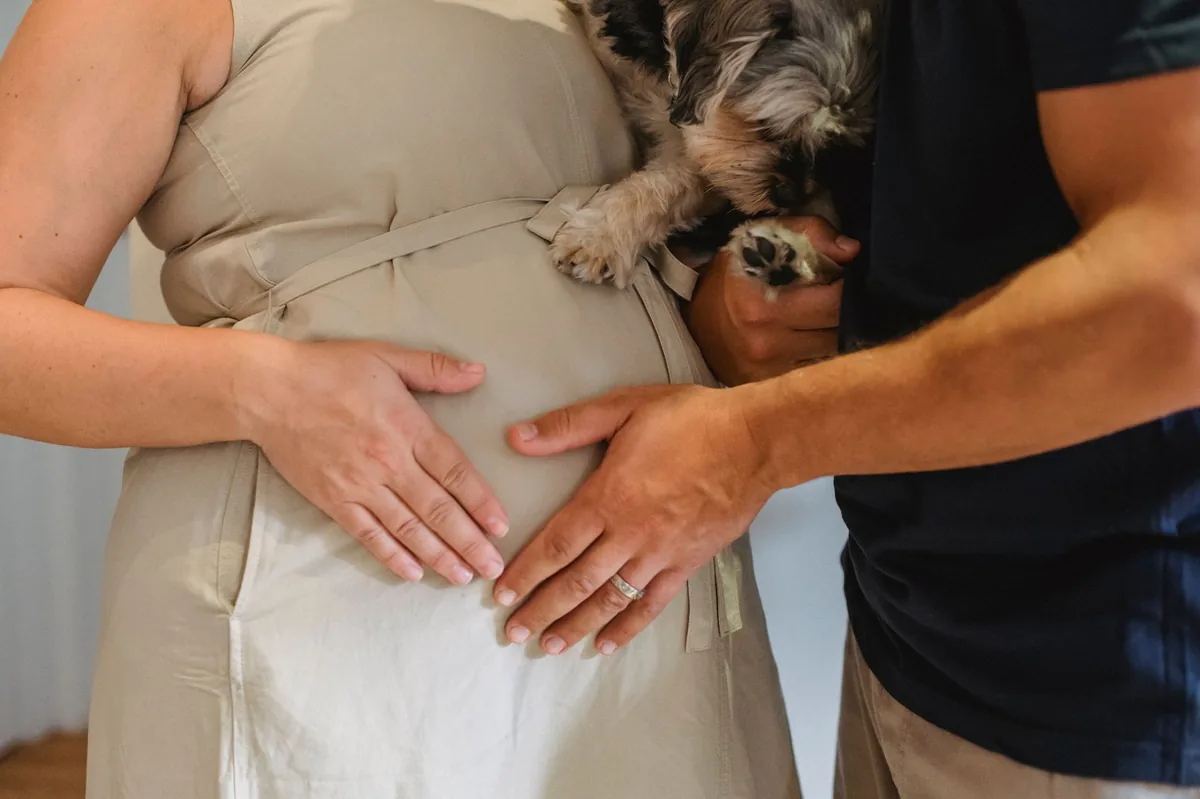
Mid‑pregnancy brings a clearer belly shape and the first signs of milk. By the final weeks, the abdomen can look rounder than a beach ball, and you may see a “milk line” along the sides of the belly.
When to call your vet
Call your vet today if you notice any of the following:
- Persistent vomiting or diarrhea after week 4.
- Sudden loss of appetite lasting more than 24 hours.
- Abdominal pain (tensing, whining, guarding) that doesn’t improve.
- Excessive panting, trembling, or seizures.
- Vulvar discharge that is foul‑smelling or bloody (outside of normal milk).
Go to an emergency veterinary hospital right now if you see:
- Difficulty breathing or rapid heart rate.
- Severe abdominal distension with a hard, “rock‑like” feel (possible dystocia).
- Sudden collapse, unresponsiveness, or signs of eclampsia (seizures, tremors, weakness).
- Bleeding that won’t stop.
These red flags can signal life‑threatening complications. Remember, this article is educational only—always trust a qualified veterinarian for a hands‑on exam.
How vets diagnose dog pregnancy
Veterinarians use a combination of history, physical exam, and diagnostic tests to confirm pregnancy and assess fetal health.
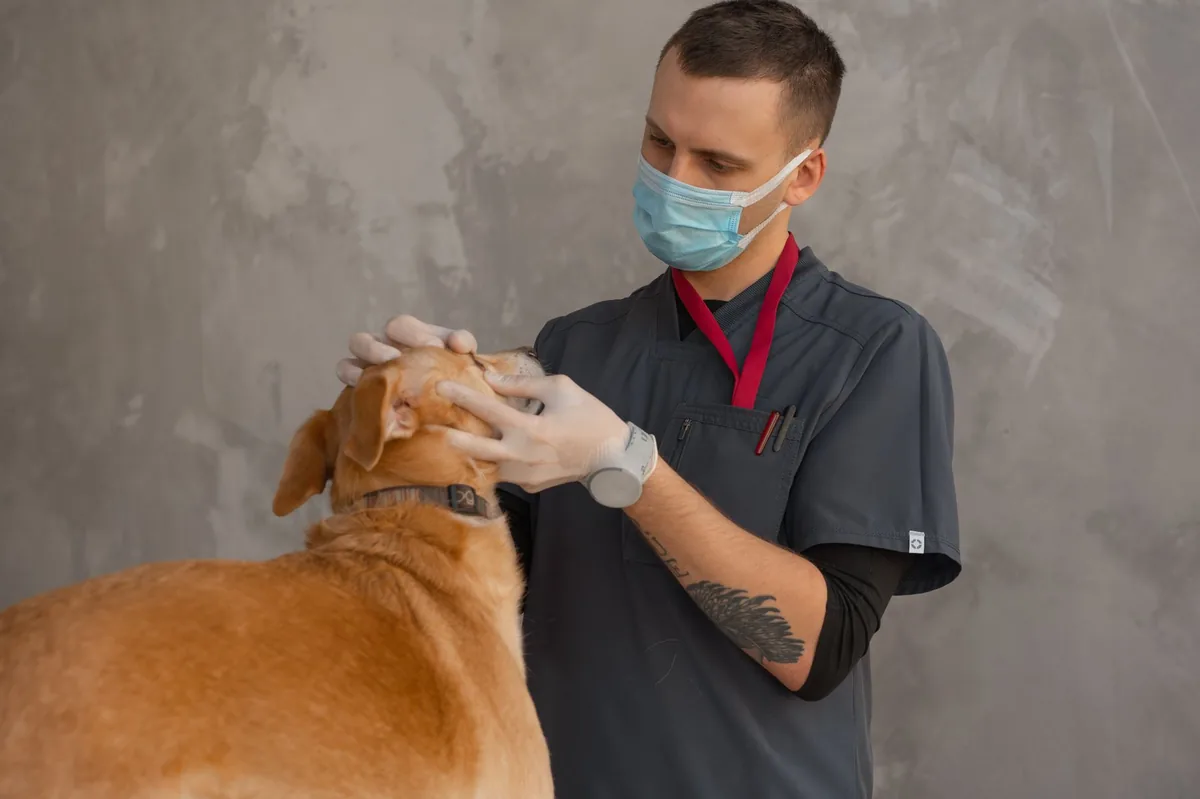
- History & physical exam: The vet will ask about the breeding date, heat cycle, and any recent changes. Palpation of the abdomen (feeling for embryos) can be done safely after about day 25, though many vets prefer imaging.
- Ultrasound: A trans‑abdominal ultrasound can detect fetal heartbeats as early as day 25 and confirm viability. It also helps rule out uterine disease.
- Radiography (X‑ray): After day 45, an X‑ray can show skeletal outlines of the puppies, giving an accurate litter size estimate.
- Hormone testing: Blood progesterone levels rise sharply after ovulation; a single measurement isn’t diagnostic, but serial levels can support pregnancy suspicion. The SNAP® Progesterone test (IDEXX) is a common in‑clinic assay.
- Physical signs: Enlarged nipples, a “milk line,” and abdominal palpation are supportive clues but not definitive.
These tools let the vet monitor fetal development, identify potential complications early, and tailor nutrition and care plans.
Treatment options
Medical treatment
Most pregnant dogs need only supportive care, but certain situations call for medication:
- Progesterone support: In rare cases of luteal insufficiency, a vet may prescribe a progesterone analog (e.g., altrenogest) to sustain pregnancy. Ask your vet about this option.
- Antibiotics: If a urinary tract infection is present, broad‑spectrum antibiotics such as amoxicillin‑clavulanate are safe in pregnancy. Ask your vet about this option.
- Anti‑emetics: For persistent nausea, metoclopramide or ondansetron may be used under veterinary supervision. Ask your vet about this option.
- Supplements: Prenatal vitamins containing DHA, folic acid, and iron are often recommended after week 4 to support fetal growth. Ask your vet about this option.
Supplements and supportive care
Evidence from the AAHA and AVMA suggests the following adjuncts can be beneficial:
- Omega‑3 fatty acids (EPA/DHA): Help reduce inflammation and support brain development in puppies. Fish oil capsules (1 % of diet) are a common source.
- Folic acid: Supports neural tube formation; 0.5 mg per day is typical for pregnant dogs.
- Probiotics: Maintain gut health during the stress of pregnancy, especially if diet changes are made.
- Iron and B‑complex: Prevent anemia in dams that have high iron demands.
Supplements should be introduced gradually and only after vet approval to avoid over‑supplementation.
Procedures or surgery
When complications arise, surgical or procedural intervention may be needed:
- Dystocia (difficulty giving birth): If the dam cannot deliver puppies within 24 hours after the first pup appears, a cesarean section (C‑section) is performed. Recovery typically takes 10‑14 days, and costs range from $1,500‑$3,500 (US) or £1,200‑£2,800 (UK).
- Eclampsia treatment: This life‑threatening drop in blood calcium is managed with intravenous calcium gluconate and supportive fluids.
- Removal of retained placenta: If the placenta is not expelled, it can cause infection; the vet may need to surgically remove it.
Diet and nutrition
Nutrition is the cornerstone of a healthy pregnancy. The dam’s diet should be high‑quality, highly digestible, and balanced for the increased energy and protein needs of growing puppies.
General principles:
- Increase caloric intake by about 25‑30 % after week 4. Many owners transition from adult maintenance kibble to a “growth” or “puppy” formula, which already contains higher protein (22‑28 %) and fat (12‑18 %).
- Choose foods with named animal proteins (e.g., chicken, lamb) rather than generic “meat by‑products.”
- Maintain consistent feeding times to avoid gastrointestinal upset.
- Provide fresh water at all times; pregnant dogs may drink up to 30 % more.
Below is a practical feeding guide by trimester.
| Trimester | Calorie increase | Protein & fat | Key nutrients |
|---|---|---|---|
| Weeks 1‑3 (early) | Maintain adult maintenance (no increase) | 22 % protein, 12 % fat | Maintain baseline vitamins; no supplements needed yet. |
| Weeks 4‑5 (mid) | +10‑15 % calories | 24‑26 % protein, 14‑16 % fat | Start prenatal vitamin with DHA and folic acid. |
| Weeks 6‑9 (late) | +25‑30 % calories | 26‑28 % protein, 16‑18 % fat | Continue DHA, add iron if bloodwork shows low levels. |
Foods to favor include:
- High‑quality commercial puppy or “gestation” formulas from reputable brands.
- Cooked lean meats (chicken, turkey, lean beef) without added seasonings.
- Soft‑cooked carbohydrates such as rice or sweet potato for easy digestion.
- Cooked eggs (provides quality protein and choline).
Foods to limit or avoid:
- Raw meat diets unless they are formulated for pregnant dogs and overseen by a vet (risk of bacterial contamination).
- High‑fat treats, cheese, or fried foods—excess fat can cause pancreatitis.
- Milk products for dogs that are lactose‑intolerant; many adult dogs lose the enzyme lactase.
- Grapes, raisins, onions, garlic, chocolate, and xylitol—these are toxic to dogs at any stage.
When transitioning to a new diet, do it gradually over 7‑10 days by mixing increasing amounts of the new food with the old. This helps prevent gastrointestinal upset, which can be especially risky late in pregnancy.
Supplemental water‑rich foods (e.g., canned pumpkin, unsalted broth) can help maintain hydration, especially if the dam is less inclined to drink enough on her own.
Cost and prognosis
Financial planning helps avoid surprises. Below is a typical cost breakdown for a healthy, uncomplicated pregnancy in the United States and United Kingdom.
| Item | US estimate | UK estimate |
|---|---|---|
| Initial vet exam + ultrasound (day 25) | $150‑$250 | £120‑£200 |
| Follow‑up exam + X‑ray (day 45‑50) | $120‑$180 | £100‑£170 |
| Prenatal vitamins & supplements | $30‑$60 | £25‑£45 |
| Special puppy diet (30‑45 days) | $80‑$150 | £70‑£130 |
| Whelping supplies (nesting box, towels, disinfectant) | $100‑$200 | £90‑£180 |
| Emergency C‑section (if needed) | $1,500‑$3,500 | £1,200‑£2,800 |
Overall, a routine pregnancy without complications typically costs $500‑$900 (≈£400‑£750). The prognosis for healthy dams is excellent; 90‑95 % of litters survive when proper prenatal care and a quiet whelping environment are provided (AAHA 2023). Complications such as dystocia or eclampsia raise both cost and risk, underscoring the importance of early vet involvement.
Prevention and home care
While pregnancy itself can’t be “prevented” once breeding occurs, responsible breeding practices and vigilant home care reduce risks:
- Pre‑breeding health check: Ensure the dam is up‑to‑date on vaccinations (core vaccines are safe before breeding; discuss timing with your vet) and parasite control.
- Weight management: Ideal body condition score (BCS) of 4‑5/9 before breeding reduces dystocia risk.
- Exercise: Gentle walks (15‑20 minutes) maintain muscle tone without overheating. Avoid high‑impact activities, jumping, or rough play after week 4.
- Nesting area: Provide a quiet, warm (22‑24 °C) whelping box with soft blankets. Set it up at least a week before the expected delivery date.
- Monitoring: Check nipples for milk production, palpate abdomen gently for fetal movement after week 5, and track weight gain.
- Follow‑up visits: Schedule at least two prenatal check‑ups (around day 25 and day 45) and a postpartum exam 7‑10 days after whelping.
For owners who prefer a natural approach, the World Small Animal Veterinary Association notes that environmental enrichment (soft music, low‑stress household) can positively influence hormonal balance and reduce stress‑related pregnancy loss.
From our vet team: The most common mistake we see is waiting too long to confirm pregnancy. Early ultrasound not only tells you “yes,” it also reveals any hidden uterine issues that could jeopardize the litter. A timely diagnosis lets you fine‑tune nutrition, schedule the right vet visits, and prepare a safe whelping space—giving both mother and puppies the best start.
Key takeaways
- Dog pregnancy lasts 58‑63 days; weekly milestones help you track progress.
- Early signs include subtle behavior changes and vulvar swelling; later weeks bring obvious belly growth and milk production.
- Confirm pregnancy with ultrasound (day 25) and X‑ray (day 45) and follow a vet‑guided prenatal schedule.
- Switch to a high‑quality puppy or gestation diet, increase calories by 25‑30 % after week 4, and add DHA/folic‑acid supplements as advised.
- Watch for emergencies such as dystocia, eclampsia, or severe abdominal pain—call your vet immediately if they appear.
- Typical costs for a routine pregnancy range $500‑$900 (≈£400‑£750); emergencies can double that amount.
Myth vs. fact
Myth: A dog can get pregnant right after being spayed.
Fact: Once a spay (ovariohysterectomy) is complete, the uterus and ovaries are removed, eliminating the ability to conceive. Rarely, a “partial” spay may leave ovarian tissue, so always confirm the procedure was full.
Myth: All pregnant dogs need a special “birth” diet.
Fact: Most healthy dams do well on a high‑quality puppy formula that meets increased protein and calorie needs; there is no separate “birth” kibble.
Myth: If a dog is “false pregnant,” she will have the same physical changes as a true pregnancy.
Fact: False pregnancy can mimic nipple growth and nesting behavior, but there is no fetal development on ultrasound and the abdomen does not continue to enlarge past week 4.
Frequently asked questions
How can I tell if my dog is actually pregnant?
Early confirmation comes from an ultrasound at around day 25, which shows fetal heartbeats. Physical signs such as a growing abdomen, pink nipples, and nesting behavior support the diagnosis, but only imaging can definitively prove pregnancy.
What are the normal physical changes in a pregnant dog?
Typical changes include a gradually enlarging abdomen, darkened and enlarged nipples, increased appetite, and a “milk line” along the sides of the belly. By week 6 the belly may look rounder than a beach ball, and milk may be visible.
When should I start prenatal vitamins for my dog?
Most vets recommend beginning prenatal supplements (DHA, folic acid, iron) after the fourth week of gestation, once the pregnancy is confirmed by ultrasound. The supplements should be given with food and under veterinary guidance.
Is it safe to let my pregnant dog exercise?
Gentle, low‑impact exercise such as short leash walks is safe throughout pregnancy and helps maintain muscle tone. Avoid high‑intensity activities, jumping, or rough play after week 4 to prevent strain on the uterus.
What complications should I watch for during dog pregnancy?
Key complications include dystocia (difficulty delivering), eclampsia (low blood calcium causing seizures), uterine infections, and retained placenta. Signs include severe abdominal pain, vomiting, sudden loss of appetite, tremors, or failure to deliver puppies within 24 hours of the first pup’s birth.
How much will a normal dog pregnancy cost?
A routine pregnancy with two vet visits, ultrasound, prenatal vitamins, and a quality puppy diet typically costs $500‑$900 (≈£400‑£750). Emergency procedures like a C‑section can add $1,500‑$3,500 (≈£1,200‑£2,800).
Ask the PuppaDogs community
Have a question this article didn’t fully answer? Want to compare notes with other dog owners who’ve been through this? Our community forum is moderated by experienced owners and vets — and answers tend to come fast. Ask in the PuppaDogs community →
References
- American Animal Hospital Association (AAHA). 2023 Canine Reproduction Guidelines.
- American Veterinary Medical Association (AVMA). Pregnancy and Reproductive Health in Dogs.
- Merck Veterinary Manual. “Gestation in Dogs” chapter.
- World Small Animal Veterinary Association (WSAVA). Recommendations for Canine Prenatal Care.
- International Veterinary Information Service (IVIS). “Canine Dystocia: Diagnosis and Treatment.”
- University of California, Davis School of Veterinary Medicine. “Nutritional Management of Pregnant Dogs.”
- American College of Veterinary Internal Medicine (ACVIM). “Endocrine Changes in Canine Pregnancy.”
- Idexx Laboratories. SNAP® Progesterone Test Package Insert.


