













Quick take: Dog pneumonia is a serious lung infection that can affect puppies, adult dogs, and seniors alike. Early signs include coughing, rapid breathing, and lethargy; prompt veterinary care with antibiotics and supportive care dramatically improves outcomes. Most dogs recover within 2‑3 weeks, but costs can vary from a few hundred to over a thousand dollars depending on diagnostics and treatment.
It’s 11 p.m., and your 4‑year‑old mixed‑breed Labrador is curled up on the couch, breathing shallowly, and letting out a wet, hacking cough every few minutes. You glance at his gums and notice they’re a little paler than usual. Your heart races as you scroll through search results, trying to decide whether this is just a lingering cold or something far more urgent.
We get it—when your dog looks sick, the night feels endless. The good news is that pneumonia, while potentially life‑threatening, is treatable in most cases if caught early. In this guide we’ll walk through what pneumonia is, why dogs get it, the signs you should watch for, how vets diagnose it, what treatments look like (including cost estimates), and how you can help prevent it in the future.
By the end you’ll know exactly what to do tonight, what to expect at the vet, and how to support your dog’s recovery at home.
What is dog pneumonia?
Dog pneumonia is an inflammation of the lung tissue caused by an infection or irritation that fills the airways with fluid, pus, or debris. This makes it harder for oxygen to move from the lungs into the bloodstream, leading to coughing, rapid breathing, and often fever. Pneumonia can result from bacteria, viruses, fungi, inhaled foreign material (aspiration), or severe allergic reactions.
It’s less common than a simple kennel cough but more serious because the infection reaches deep into the lower respiratory tract. According to the American College of Veterinary Internal Medicine (ACVIM), bacterial pneumonia accounts for roughly 5‑10 % of respiratory cases seen in primary‑care practices, with higher rates in puppies and senior dogs whose immune systems are weaker.
What causes dog pneumonia?
The underlying triggers fall into four main categories:
| Cause | Typical source | Risk factors |
|---|---|---|
| Bacterial infection | Streptococcus, Pasteurella, Bordetella | Puppies, recent kennel stay, weakened immunity |
| Viral infection | Canine influenza, parainfluenza, adenovirus | Unvaccinated dogs, crowded environments |
| Aspiration | Inhaled food, vomit, oil, or foam | Recent anesthesia, regurgitation, dysphagia |
| Environmental irritants | Smoke, dust, mold spores | Living in poorly ventilated homes, frequent exposure to wildfire smoke |
Other less common causes include fungal organisms (e.g., Histoplasma), parasites, or immune‑mediated inflammation. Dogs with chronic heart disease, diabetes, or those on long‑term steroids are also more vulnerable.
Signs and symptoms
Early pneumonia can masquerade as a mild cold, but certain clues help you differentiate it from a simple cough:
| Severity | Typical signs |
|---|---|
| Mild | Occasional dry cough, mild lethargy, slight nasal discharge |
| Moderate | Frequent productive cough (wet or foamy), rapid breathing (tachypnea), fever, pale gums, reduced appetite |
| Severe | Labored breathing, bluish tongue or gums, vomiting, collapse, high fever (>104 °F), black or blood‑tinged sputum |
Additional red flags include a sudden change in behavior, unwillingness to play or walk, and a “wet” sound when your dog breathes in (known as “stridor”). Puppies may present with a stunted growth curve, while senior dogs often show a rapid loss of energy and weight.
When to call your vet
Call your vet today if you notice:
- Persistent cough lasting more than 48 hours
- Rapid or labored breathing
- Fever, lethargy, or loss of appetite
- Pale or bluish gums
- Vomiting or a change in stool consistency
Go to an emergency veterinary hospital right now if you see:
- Severe difficulty breathing (dog struggling to inhale)
- Blue‑tinged tongue or gums
- Collapse, unresponsiveness, or seizures
- Vomiting large amounts of blood or dark “coffee‑ground” material
These signs suggest the infection is compromising oxygen delivery and needs immediate attention. Remember, this article is for information only; it does not replace a hands‑on veterinary exam.
How vets diagnose it
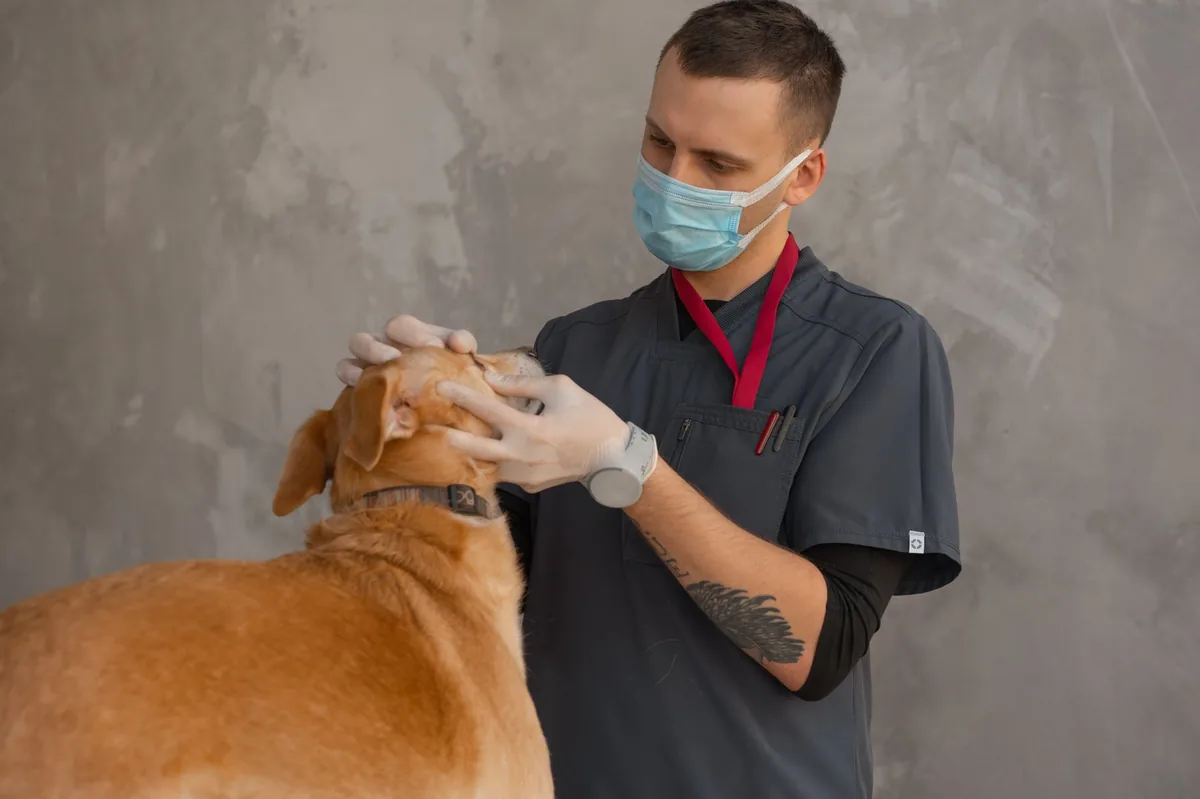
Diagnosis begins with a thorough history: recent travel, kennel stays, surgeries, or exposure to smoke. The physical exam focuses on listening to lung sounds with a stethoscope; crackles or wheezes often point to pneumonia.
Key diagnostic tools include:
- Chest X‑ray (radiography): Reveals fluid, infiltrates, or consolidation in the lungs. A single view typically costs $150‑$250 in the US and £120‑£200 in the UK.
- Complete blood count (CBC) and chemistry panel: Looks for elevated white blood cells (infection) and assesses organ function.
- Bronchoalveolar lavage (BAL): A thin tube collects fluid from the lower airway for culture. Used when the cause isn’t clear; costs range $250‑$500.
- Pulse oximetry and arterial blood gases: Measure oxygen saturation and help decide if supplemental oxygen is needed.
In some cases, a tracheal swab or PCR test is performed to identify viral agents like canine influenza.
Treatment options
Medical treatment
Most dogs with bacterial pneumonia receive a course of broad‑spectrum antibiotics such as amoxicillin‑clavulanate, doxycycline, or enrofloxacin. The exact drug and duration (usually 2‑4 weeks) are tailored by the vet based on culture results and the dog’s weight.
Supportive care is equally important:
- Oxygen therapy: Delivered via cage‑top flow‑by, nasal cannula, or an oxygen cage for dogs with low blood oxygen.
- Fluid therapy: IV fluids correct dehydration and help thin secretions.
- Coupage (chest physiotherapy): Gentle percussion by a vet tech can loosen mucus.
- Anti‑inflammatory drugs: NSAIDs like carprofen may be prescribed to reduce fever and inflammation, but only after ruling out kidney issues.
Ask your vet about these standard options; dosage will be calculated for your dog’s size and severity.
Supplements and supportive care
While not a cure, certain supplements can aid recovery:
- Omega‑3 fatty acids (EPA/DHA): Help dampen lung inflammation. Look for a high‑quality fish‑oil supplement approved for dogs.
- Probiotics: Support gut health, especially if antibiotics are used.
- Vitamin C or E: Antioxidants that may reduce oxidative stress in the lungs, though evidence is modest.
These should be discussed with your vet to avoid interactions with medications.
Procedures or surgery
In rare cases where aspiration pneumonia causes a large amount of foreign material, bronchoscopy may be performed to directly remove debris. The procedure is done under general anesthesia and usually costs $800‑$1,200 in the US. Most dogs recover fully with medical therapy alone, so surgery is a last resort.
Diet and nutrition
Proper nutrition fuels the immune system and helps rebuild lung tissue. While no single “pneumonia diet” exists, veterinarians recommend a high‑quality, highly digestible protein source, moderate fat, and plenty of antioxidants.
What to feed:
- Cooked lean meats (chicken, turkey, or lean beef) mixed with white rice or sweet potato for easy digestion.
- Commercial senior or recovery formulas that are high in protein (≥25 % DM) and contain added omega‑3 fatty acids.
- Fresh vegetables like carrots or green beans for vitamins A and C, which support mucosal health.
What to limit or avoid:
- High‑fat foods that can trigger regurgitation or aspiration.
- Raw bones or hard treats that might fragment and be inhaled.
- Excessive dairy, as many dogs are lactose‑intolerant and it can worsen diarrhea.
| Category | Do feed | Limit / Avoid |
|---|---|---|
| Protein | Cooked chicken, turkey, lean beef, high‑quality canned recovery diets | Raw meat with bones, processed meat snacks |
| Fats | Fish oil, modest amounts of olive oil | Heavy‑fat treats, fried foods |
| Carbohydrates | Rice, sweet potato, oatmeal | High‑gluten fillers, wheat‑based kibble |
| Supplements | Omega‑3 (EPA/DHA), probiotics, vitamin C (vet‑approved) | Human multivitamins without vet guidance |
Feed smaller, more frequent meals (3–4 times daily) while your dog is recovering. This reduces the workload on the stomach and lowers the risk of regurgitation. Always transition to a new diet over 5‑7 days to avoid gastrointestinal upset.
Hydration is critical. Offer fresh water constantly, and consider low‑sodium broth or an electrolyte solution (e.g., Pedialyte approved for dogs) if your pet isn’t drinking enough.
For dogs with chronic conditions or those on prescription renal diets, discuss with your vet how to balance the extra protein needs of pneumonia recovery with existing dietary restrictions.
Cost and prognosis
Expenses vary widely based on diagnostics, severity, and geographic location. Below is a typical US and UK cost breakdown (estimates, not guarantees):
| Service | US (USD) | UK (GBP) |
|---|---|---|
| Initial exam & vitals | $45‑$80 | £35‑£60 |
| Chest X‑ray | $150‑$250 | £120‑£200 |
| Blood work (CBC + chemistry) | $100‑$180 | £80‑£150 |
| Antibiotics (10‑day course) | $30‑$70 | £25‑£55 |
| Hospitalization & oxygen | $200‑$600 per day | £150‑£400 per day |
| Bronchoscopy (if needed) | $250‑$500 | £200‑£350 |
Many pet insurance plans cover a portion of these costs, especially diagnostics and hospital stays. Check your policy’s limits for “respiratory disease” and any deductible you must meet.
Prognosis depends on age, underlying cause, and how quickly treatment begins. According to the Merck Veterinary Manual, 80‑90 % of dogs with bacterial pneumonia survive when therapy starts within the first 48 hours. Senior dogs or those with concurrent heart disease may have a longer recovery (3‑4 weeks) and a slightly lower survival rate.
Prevention and home care
Preventing pneumonia is largely about reducing exposure to pathogens and minimizing aspiration risk:
- Vaccination: Keep canine influenza, Bordetella, and core vaccines up to date. The AAHA recommends annual flu shots for dogs in high‑risk environments (kennels, dog parks).
- Good hygiene: Wash hands and clean water bowls regularly. Avoid letting your dog sniff or ingest dirty litter or waste.
- Post‑surgery care: Keep your dog upright for at least 12 hours after anesthesia, and monitor for coughing or gagging. Ask your vet about prophylactic antibiotics if your dog is at high risk.
- Environmental control: Use air purifiers in homes near wildfire smoke or heavy traffic. Keep your dog away from cigarette smoke and dusty barns.
- Weight management: Obesity can impair breathing and increase aspiration risk. Maintain a healthy body condition score (BCS 4‑5/9).
Regular wellness exams (at least once a year) allow early detection of subtle respiratory changes. For owners of breeds prone to pneumonia—such as English Bulldogs, French Bulldogs, and other brachycephalic breeds—extra vigilance is warranted because their airway anatomy makes them more susceptible to aspiration and infection.
Vet’s note
From our vet team: “If your dog is coughing and seems short‑of‑breath, don’t wait for the cough to get louder. Early intervention with antibiotics and oxygen can keep the infection from becoming life‑threatening. Bring a recent photo of your dog’s gums and a brief timeline of symptoms to the appointment—those tiny details help us decide how aggressive the treatment needs to be.”
Key takeaways
- Dog pneumonia is a serious infection; early signs include coughing, rapid breathing, and pale gums.
- Call your vet today for any persistent cough or fever; go to an emergency clinic if breathing becomes labored or gums turn blue.
- Diagnosis relies on chest X‑rays, blood work, and sometimes bronchoalveolar lavage; treatment usually involves antibiotics, oxygen, and supportive care.
- Recovery typically takes 2‑3 weeks, but senior or immunocompromised dogs may need longer and closer monitoring.
- Feed a high‑quality, easily digestible diet rich in protein and omega‑3s, and keep your dog well‑hydrated.
- Vaccination, good hygiene, and careful post‑surgery positioning are the best ways to prevent pneumonia.
Myth vs. fact
Myth: Pneumonia is always caused by kennel cough.
Fact: Kennel cough (Bordetella) usually stays in the upper airway, while pneumonia affects the lungs and often involves bacteria like Streptococcus or aspiration of stomach contents.
Myth: If a dog is on antibiotics, the pneumonia will clear in a few days.
Fact: Full resolution often requires 2‑4 weeks of therapy and supportive care; stopping antibiotics early can lead to relapse.
Myth: Home remedies like honey or herbal teas can cure pneumonia.
Fact: These may soothe a mild cough but cannot eradicate the infection; veterinary antibiotics are essential.
Frequently asked questions
What causes pneumonia in dogs?
Dog pneumonia can stem from bacterial infections (most common), viral agents, inhaled foreign material (aspiration), or environmental irritants like smoke.
How can I tell if my dog has pneumonia?
Look for a persistent wet cough, rapid or labored breathing, fever, pale gums, and reduced appetite; a vet will confirm with X‑ray and blood work.
Is pneumonia contagious between dogs?
Only the viral forms (like canine influenza) are contagious; bacterial pneumonia usually arises from a dog’s own flora or aspiration, not from direct transmission.
What is the prognosis for a dog with pneumonia?
When treated promptly, 80‑90 % of dogs recover fully; senior dogs or those with heart disease may need longer care and have a modestly lower survival rate.
What tests are needed to diagnose pneumonia?
Standard work‑up includes a chest X‑ray, CBC and chemistry panel, and sometimes a bronchoalveolar lavage or PCR swab to identify the exact pathogen.
Can pneumonia be prevented after surgery?
Yes—by keeping the dog upright for several hours post‑anesthesia, monitoring for coughing, and following any prophylactic antibiotic recommendations from your vet.
Ask the PuppaDogs community
Have a question this article didn’t fully answer? Want to compare notes with other dog owners who’ve been through this? Our community forum is moderated by experienced owners and vets — and answers tend to come fast. Ask in the PuppaDogs community →
References
- American College of Veterinary Internal Medicine (ACVIM). “Respiratory Disease in Dogs.” 2023.
- American Animal Hospital Association (AAHA). “Vaccination Guidelines for Dogs.” 2022.
- Merck Veterinary Manual. “Pneumonia in Dogs” chapter. 2021.
- World Small Animal Veterinary Association (WSAVA). “Guidelines for Antimicrobial Use in Companion Animals.” 2022.
- Veterinary Information Network (VIN). “Diagnostic Approach to Canine Pneumonia.” 2023.
- American Veterinary Medical Association (AVMA). “Pet Insurance and Respiratory Disease Coverage.” 2022.
- Cornell University College of Veterinary Medicine. “Post‑Operative Care to Prevent Aspiration.” 2023.
- UC Davis School of Veterinary Medicine. “Brachycephalic Airway Syndrome and Pneumonia Risk.” 2022.
- Plumb’s Veterinary Drug Handbook. “Antibiotics for Canine Respiratory Infections.” 2023.


