













Quick take: Dog peritonitis is an inflammation of the abdominal lining that can be caused by infection (septic) or non‑infectious factors (aseptic). It often shows up as a swollen, painful belly, fever, and lethargy, and it can become life‑threatening within hours. Prompt veterinary care—usually involving fluids, antibiotics, and sometimes surgery—is essential. Early treatment improves survival, and careful after‑care helps prevent recurrence.
It’s 11 p.m., you’re half‑asleep, and your 7‑year‑old mixed‑breed Labrador flops onto the couch, eyes half‑closed, but you notice his belly looks puffier than usual. He whines when you gently press his side, and his gums are a pale pink instead of the usual bright red. Your heart races, you start Googling “dog belly swelling” and the word “peritonitis” pops up. The panic you feel is real, but you’re not alone—many owners have been in this exact spot.
We get it: you’re wondering if this is an emergency, how much it will cost, and whether your dog can recover. Below we break down everything you need to know about peritonitis in dogs—from the biology behind the condition to the signs that demand a vet visit, the diagnostic work‑up, treatment options, diet tips for recovery, and ways to keep it from happening again. By the end you’ll have a clear plan of action, and you’ll know exactly what questions to ask your veterinarian.
What is dog peritonitis?
Peritonitis is inflammation of the peritoneum, the thin membrane that lines the abdominal cavity and covers the organs inside it. In dogs the inflammation can be septic (caused by bacteria, fungi, or parasites) or aseptic (caused by chemical irritation, trauma, or an autoimmune reaction). Septic peritonitis is the more common and more dangerous form because infectious organisms can spread quickly throughout the abdomen and into the bloodstream.
While precise numbers are hard to pin down, the American College of Veterinary Surgeons (ACVS) estimates that peritonitis accounts for roughly 5–10 % of all abdominal emergencies seen at tertiary referral hospitals. It can affect dogs of any age, but older dogs and those that have recently undergone abdominal surgery are at higher risk.
What causes it?
- Infection (septic peritonitis) – Leakage of intestinal contents after a perforated ulcer, a ruptured appendix, or a traumatic wound introduces bacteria into the sterile abdominal space.
- Post‑operative leakage – After spay, neuter, or gastrointestinal surgery, a suture line may fail, allowing fluids or feces to escape.
- Trauma – Blunt force (car accident, a fall) can tear the peritoneum or rupture internal organs, leading to inflammation.
- Foreign body or toxin – Ingested sharp objects, toxic chemicals, or even severe pancreatitis can irritate the lining.
- Neoplasia – Certain cancers (e.g., hemangiosarcoma) can bleed into the abdomen and provoke an inflammatory response.
- Aseptic causes – Autoimmune peritonitis, sterile inflammation after dialysis, or severe pancreatitis without infection.
Signs and symptoms
| Severity | Typical signs |
|---|---|
| Mild | Reduced appetite, slight abdominal distension, low‑grade fever (101–102 °F), mild lethargy. |
| Moderate | Noticeable belly swelling, pain on palpation, vomiting or diarrhea, pale gums, rapid breathing. |
| Severe | Severe abdominal pain, shock (cold limbs, rapid weak pulse), high fever (>103 °F), collapse, bleeding from the mouth or rectum. |
Early signs can be subtle—a slower walk, a reluctance to climb stairs, or a brief bout of vomiting. As the inflammation worsens, the abdomen becomes rigid and the dog may vocalize when you touch the area. In septic cases the dog can become systemically ill within hours, so watching for rapid breathing, a weak pulse, or collapse is crucial.
When to call your vet
Call your vet today if you notice any of the following:
- Abdominal swelling or a “balloon‑like” appearance.
- Loss of appetite lasting more than 12 hours.
- Vomiting, diarrhea, or any sign of abdominal pain when you gently press the belly.
- Pale or bluish gums, especially when combined with lethargy.
Go to an emergency veterinary hospital now if you see any of these red‑flag signs:
- Sudden collapse or inability to stand.
- Rapid, shallow breathing or a weak pulse.
- Severe, unrelenting pain (the dog is crying, trembling, or trying to hide).
- Visible blood in vomit, stool, or from the mouth.
This article is for informational purposes only and does not replace a hands‑on veterinary exam. If you’re ever unsure, contact your vet or an emergency clinic immediately.
How vets diagnose it
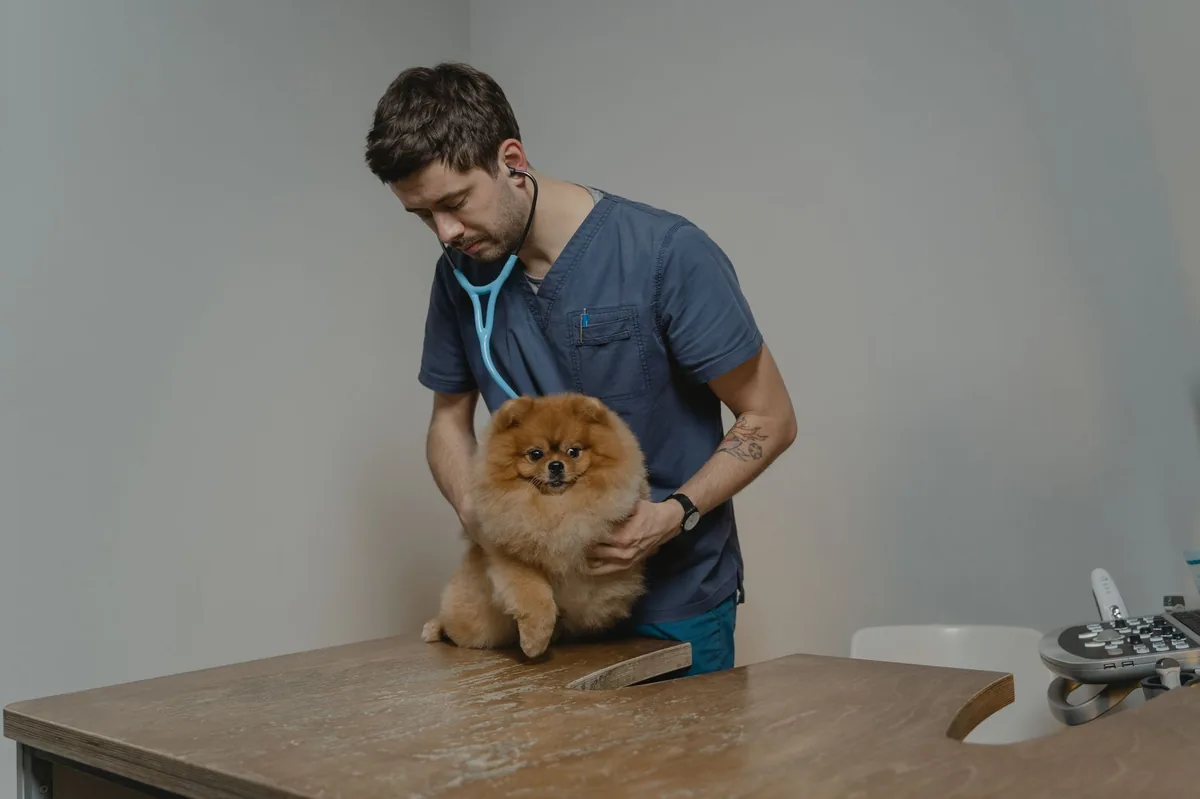
Diagnosis starts with a thorough history—recent surgeries, trauma, diet changes, or signs of infection. The physical exam focuses on abdominal palpation, checking for rebound pain, and assessing heart rate, temperature, and mucous membrane color.
Blood work (CBC, chemistry panel) often reveals a left‑shifted neutrophilia, elevated white blood cells, and signs of organ stress (elevated BUN/creatinine if kidneys are affected). Anemia may appear if there’s internal bleeding.
Imaging is essential. Plain X‑rays can show free fluid, gas patterns, or organ displacement. Abdominal ultrasound provides a clearer picture, allowing the vet to see fluid pockets, organ perforations, or abscesses.
Abdominocentesis—the vet inserts a small needle into the abdominal cavity and withdraws fluid for analysis. The fluid’s appearance (clear, turbid, bloody) and laboratory testing (cell count, Gram stain, culture) help differentiate septic from aseptic peritonitis.
In complex cases, a CT scan or diagnostic laparoscopy may be used to locate the exact source of leakage. The combination of history, physical findings, bloodwork, imaging, and fluid analysis gives a definitive diagnosis.
Treatment options
Medical treatment
Initial therapy focuses on stabilizing the patient:
- Intravenous fluids to correct dehydration and maintain blood pressure.
- Broad‑spectrum antibiotics such as ampicillin‑sulbactam, enrofloxacin, or metronidazole are started immediately. Your vet will tailor the choice after culture results.
- Pain management with opioids (e.g., buprenorphine) or NSAIDs if the kidneys are stable.
- Anti‑inflammatory drugs (e.g., steroids) may be used for aseptic, immune‑mediated peritonitis, but only under strict supervision.
Ask your vet about these medication classes; dosing is always weight‑based and adjusted for your dog’s condition.
Supplements and supportive care
While supplements can’t replace antibiotics, they may aid recovery:
- Omega‑3 fatty acids (EPA/DHA) – Help reduce inflammation and support the immune system. A high‑quality fish oil capsule is a common recommendation.
- Probiotics – Restore gut flora after antibiotics and can improve gastrointestinal comfort.
- Vitamin B complex – Supports energy metabolism, especially if the dog is anorexic for several days.
Supplements should be introduced only after the acute phase, and always with your vet’s approval.
Procedures or surgery
When a source of leakage is identified (e.g., a ruptured intestine), an exploratory laparotomy is usually performed. The surgeon will:
- Locate and repair the perforation or remove damaged tissue.
- Debride any contaminated material and irrigate the abdomen with sterile saline.
- Place drains to allow ongoing fluid removal.
Post‑operative care includes intensive monitoring, continued antibiotics, and pain control. Hospital stays range from 3 days (simple drainage) to 10 days or more for complex repairs. The cost of surgery can vary widely—see the cost table below.
Diet and nutrition
Nutrition plays a pivotal role in the healing phase. After the acute inflammation subsides, you’ll want to feed a diet that is easy to digest, provides high‑quality protein, and limits stress on the gastrointestinal tract.
Key principles for a recovering dog:
- Highly digestible protein – Choose foods with 18–22 % protein from sources like chicken, turkey, or fish. This supports tissue repair without overloading the gut.
- Moderate fat – Fat provides calories, but excessive fat can delay gastric emptying. Aim for 8–12 % fat.
- Low sodium – Reduces fluid retention and eases the workload on the heart and kidneys.
- Limited fiber – During the first week, a low‑fiber diet (e.g., boiled chicken and rice) is gentle on the intestines. Gradually increase fiber as tolerated.
- Prescription therapeutic diets – If your dog has concurrent kidney or liver stress, a renal‑support or hepatic‑support diet may be recommended (e.g., a “renal” formula with reduced phosphorus and high‑quality protein).
Here’s a quick reference for what to feed, limit, or avoid:
| Do feed | Limit | Avoid |
|---|---|---|
| Boiled skinless chicken, turkey, or white fish | Cooked vegetables (carrots, green beans) | Fatty meats, bacon, or sausage |
| White rice or mashed sweet potato | Low‑fat cottage cheese | Spicy or seasoned foods |
| Prescription renal or hepatic diet (as advised) | Commercial treats (keep < 5 % of daily calories) | Raw bones, raw meat with high bacterial load |
Feed small, frequent meals (3–4 times daily) for the first 7–10 days, then gradually transition back to your regular schedule over 2 weeks. Always provide fresh water and monitor stool quality; a firm, brown stool indicates good digestion.
When you’re ready to re‑introduce your regular kibble, mix 25 % kibble with 75 % boiled protein and rice, increasing the kibble proportion each day. This gradual transition helps prevent a flare‑up of inflammation.
Cost and prognosis
| Item | US estimate | UK estimate |
|---|---|---|
| Initial exam & bloodwork | $150–$300 | £120–£250 |
| Abdominal X‑ray | $100–$200 | £80–£150 |
| Ultrasound | $250–$500 | £200–£350 |
| Abdominocentesis & fluid analysis | $150–$250 | £130–£220 |
| Broad‑spectrum antibiotics (7 days) | $80–$180 | £70–£150 |
| Surgical exploration (if needed) | $2,500–$5,500 | £2,000–£4,500 |
| Hospitalization (per day) | $250–$400 | £200–£350 |
Overall, total costs range from $1,000–$3,000 for medical management alone, up to $6,000–$9,000 if surgery and intensive care are required. These figures are averages; actual bills can vary based on location, clinic fees, and your dog’s specific needs.
Prognosis depends on the underlying cause, speed of treatment, and the dog’s overall health. For septic peritonitis caught early, survival rates of 50–70 % are reported by the ACVS. Aseptic peritonitis generally has a better outlook, especially when it’s secondary to pancreatitis or a sterile inflammatory process. Older dogs or those with concurrent organ disease have lower odds of full recovery.
Prevention and home care
Preventing peritonitis is largely about minimizing risk after surgery or trauma:
- Follow post‑operative instructions—keep incision sites clean, limit activity for the recommended period, and watch for swelling or discharge.
- Promptly treat gastrointestinal ulcers with medications prescribed by your vet; ulcers are a common source of perforation.
- Maintain parasite control—heartworm and intestinal parasites can cause severe intestinal inflammation.
- Vaccinate against leptospirosis (where endemic) because this bacterial infection can lead to septic peritonitis.
- Monitor for signs of abdominal pain after any blunt trauma (car rides, falls). If a dog seems uncomfortable, have a vet examine them even if the injury looks minor.
After discharge, keep a daily log of your dog’s appetite, water intake, stool consistency, and activity level. Schedule a follow‑up exam 7–10 days post‑treatment, and again at 4–6 weeks to ensure the peritoneal lining has healed.
If you notice any of the red‑flag signs listed earlier during the recovery period—especially renewed abdominal swelling or a sudden drop in energy—contact your vet immediately. Early intervention can catch a developing infection before it becomes a full‑blown emergency.
From our vet team: “Peritonitis can feel overwhelming, but remember that every minute you act on the signs—checking gums, feeling the belly, calling your vet—gives your dog a better chance. Most owners who follow the after‑care plan see their pets return to a happy, active life within a few weeks.”
Key takeaways
- Peritonitis is an inflammation of the abdominal lining that can become life‑threatening within hours; seek veterinary care at the first sign of abdominal swelling or pain.
- Septic peritonitis (infection) is the most common form and usually requires antibiotics and, in many cases, surgery to repair the source.
- Diagnostic work‑up includes blood tests, abdominal X‑rays or ultrasound, and fluid analysis from an abdominocentesis.
- Recovery includes a bland, highly digestible diet, small frequent meals, and possibly supplements like omega‑3s—always under veterinary guidance.
- Costs can range from $1,000 to $9,000 depending on diagnostics, hospitalization, and whether surgery is needed; discuss a detailed estimate with your clinic early.
- Prevent future episodes by following post‑operative care instructions, keeping parasites under control, and monitoring for any abdominal pain after trauma.
Myth vs. fact
Myth: Peritonitis is the same as bloat (gastric dilatation‑volvulus).
Fact: Bloat is a distinct emergency where the stomach twists and fills with gas; peritonitis is inflammation of the peritoneal lining, often secondary to leakage or infection. Both are emergencies, but they require different treatments.
Myth: If your dog looks “fine” after a few hours, the problem has resolved.
Fact: Peritonitis can progress rapidly; even if a dog seems okay initially, internal inflammation can worsen silently. Early veterinary assessment is essential.
Myth: Home remedies like herbal teas can cure peritonitis.
Fact: Peritonitis is a serious medical condition that requires antibiotics, fluid therapy, and sometimes surgery. Home care is only supportive after professional treatment.
Frequently asked questions
What does peritonitis feel like for a dog?
Dogs can’t tell us directly, but they often show pain when you press their belly, become reluctant to move, and may have a swollen abdomen. The first sign is usually a change in behavior—lethargy, loss of appetite, or a low‑grade fever.
How quickly does peritonitis progress in dogs?
In septic cases the condition can deteriorate within 12–24 hours, leading to shock if untreated. Aseptic peritonitis may progress more slowly, but both forms demand prompt veterinary attention.
Can peritonitis be fatal if left untreated?
Yes. Without antibiotics and supportive care, the infection can spread to the bloodstream (septicemia) and cause organ failure. Early treatment dramatically improves survival odds.
What tests does a vet run to confirm peritonitis?
Vets typically start with a physical exam, CBC and chemistry panel, abdominal X‑ray, and ultrasound. An abdominocentesis is performed to collect peritoneal fluid for cell count, Gram stain, and culture, which distinguishes septic from aseptic inflammation.
Is surgery always required for dog peritonitis?
Not always. If the cause is a simple leak that can be managed with antibiotics and drainage, surgery may be avoided. However, when a perforated organ or foreign material is identified, exploratory surgery is usually necessary to repair the source.
How much should I expect to pay for peritonitis care?
Costs vary widely. Basic diagnostics and medical management often run $1,000–$3,000 in the United States. If surgery is needed, total expenses can reach $6,000–$9,000. Your veterinarian can give a detailed estimate based on your dog’s specific situation.
Ask the PuppaDogs community
Have a question this article didn’t fully answer? Want to compare notes with other dog owners who’ve been through this? Our community forum is moderated by experienced owners and vets — and answers tend to come fast. Ask in the PuppaDogs community →
References
- American College of Veterinary Surgeons (ACVS). “Abdominal Emergencies in Dogs.” 2023.
- American Animal Hospital Association (AAHA). “Guidelines for Hospitalization and Critical Care.” 2022.
- Merck Veterinary Manual. “Peritonitis, Canine.” Updated 2023.
- American College of Veterinary Internal Medicine (ACVIM). “Septic Peritonitis Consensus Statement.” 2021.
- Veterinary Information Network (VIN). “Diagnostic Approach to Canine Peritonitis.” 2022.
- Cornell University College of Veterinary Medicine. “Post‑operative Care in Small Animals.” 2023.
- World Small Animal Veterinary Association (WSAVA). “Guidelines for Antibiotic Use in Companion Animals.” 2022.
- American Veterinary Medical Association (AVMA). “Pain Management in Dogs.” 2022.
- UC Davis School of Veterinary Medicine. “Nutrition for Dogs Recovering from Abdominal Surgery.” 2023.
- British Veterinary Association (BVA). “Cost of Veterinary Care in the UK.” 2022.


