














Quick take: A defect of the ventricular septum in dogs is a heart abnormality where blood flows between the left and right ventricles. Small defects may cause no signs, while larger ones can lead to coughing, fatigue, and heart failure; prompt veterinary evaluation is essential.
It’s 9 p.m., and you’ve just noticed your 7‑year‑old mixed‑breed Labrador isn’t as eager to fetch his favorite ball as he was yesterday. When you press gently on his chest, his ribs feel a little softer than usual, and his gums have a faint pink‑gray hue. Your mind races through the Googled list of “dog heart problems,” and the term “ventricular septal defect” pops up, making you wonder: is this something that could be life‑threatening, or can it be managed?
We understand how unsettling a new cardiac diagnosis can feel. The good news is that many dogs with a ventricular septal defect (VSD) live happy, active lives, especially if the defect is small. In this guide we’ll explain what a VSD is, why it occurs, what signs to watch for, how vets diagnose and treat it, and what you can do at home to keep your companion comfortable. We’ll also cover costs, prognosis, and prevention so you have a clear road map for the weeks and months ahead.
What is a defect of the ventricular septum in dogs?
A defect of the ventricular septum in dogs, commonly called a ventricular septal defect (VSD), is a hole in the wall that separates the left and right ventricles of the heart. The septum normally ensures that oxygen‑rich blood from the left ventricle goes out to the body, while oxygen‑poor blood from the right ventricle heads to the lungs. When a hole is present, blood can leak from the higher‑pressure left side to the lower‑pressure right side—a process known as a left‑to‑right shunt.
VSDs are among the most common congenital heart defects in dogs, accounting for roughly 30‑40 % of all cardiac malformations reported in veterinary cardiology studies (AAHA, 2022). They can be detected at birth or later in life, depending on the size of the opening and how quickly symptoms develop. Small defects (< 2 mm) often remain silent, while larger ones (> 5 mm) may cause noticeable clinical signs and eventually lead to heart enlargement or failure.
What causes a ventricular septal defect?
VSDs are primarily congenital, meaning they arise during fetal development. The exact cause is usually unknown, but several risk factors have been identified:
| Risk factor | Explanation |
|---|---|
| Genetic predisposition | Some breeds—such as Boxers, Doberman Pinschers, and German Shepherds—show a higher incidence, suggesting inherited genes play a role (AKC, 2021). |
| Environmental influences | Maternal exposure to certain toxins, infections, or nutritional deficiencies during gestation can interfere with normal heart formation (UC Davis, 2020). |
| In‑utero infections | Canine parvovirus or other viral infections in pregnant bitches have been linked to congenital heart anomalies, including VSDs (Merck Veterinary Manual). |
Acquired VSDs—holes that develop after birth—are rare but can result from severe chest trauma, infections that damage heart tissue, or surgical complications.
Signs and symptoms
Because the size of the defect dictates how much blood leaks, the clinical picture can range from invisible to severe. Below is a quick guide to what you might notice at each stage:
| Severity | Typical signs |
|---|---|
| Mild (tiny hole) | Usually no outward signs; dog appears normal on routine exams. |
| Moderate (2–5 mm) | Occasional coughing after exercise, reduced stamina, faint heart murmur detected by a vet. |
| Severe (large hole) | Persistent cough, rapid breathing, exercise intolerance, swollen abdomen from fluid buildup, fainting episodes, and a loud heart murmur. |
Other subtle cues include a change in appetite, weight loss, or a slightly bluish tint to the gums (cyanosis) during episodes of heavy breathing. If you notice any of these, especially a new cough or lethargy, it’s time to investigate further.
When to call your vet
Call your vet today if you notice any of the following:
- A new or worsening cough, especially after play or walks.
- Reduced enthusiasm for exercise or play.
- Visible swelling in the abdomen or chest.
- Any fainting or collapse episodes.
Go to an emergency veterinary hospital right now if your dog shows:
- Severe difficulty breathing (gasping, open‑mouth breathing).
- Blue‑gray gums or tongue.
- Sudden collapse, unresponsiveness, or seizures.
This information is for educational purposes only and is not a substitute for professional veterinary care. If you are ever in doubt, contact your veterinarian or an emergency clinic immediately.
How vets diagnose a ventricular septal defect
The diagnostic work‑up starts with a thorough history and a physical exam. Your vet will listen for a characteristic heart murmur—often a “holosystolic” sound that continues throughout the heartbeat.
Key tests include:
- Chest radiographs (X‑rays): Reveal enlargement of the heart chambers and any fluid in the lungs.
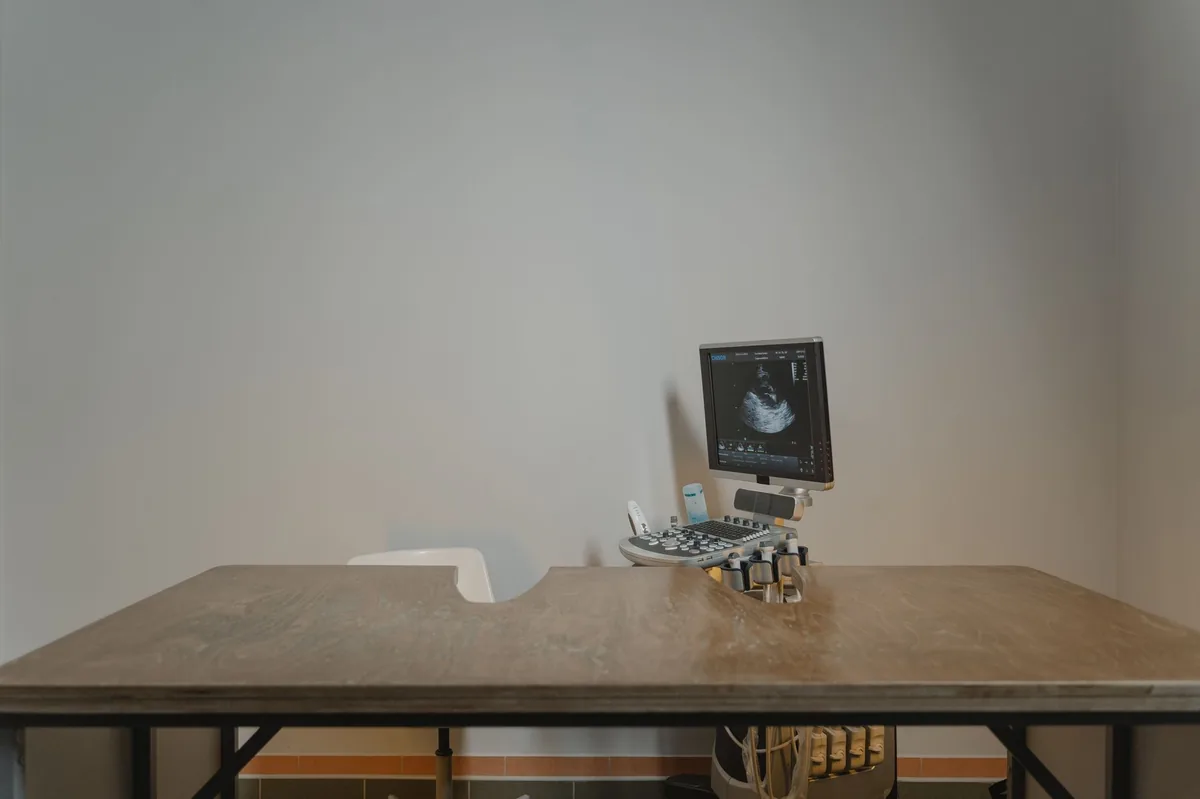
- Echocardiogram (ultrasound of the heart): The gold‑standard tool; it visualizes the septal hole, measures its size, and assesses blood flow direction using Doppler imaging.
- Electrocardiogram (ECG): Detects abnormal heart rhythms that can accompany VSDs.
- Blood work: Checks for secondary effects such as anemia or organ stress.
In some cases, a cardiac catheterization may be performed at a specialty center to measure the pressure gradient across the defect and to plan potential interventions.
Treatment options
Medical treatment
When the defect is small and the dog is asymptomatic, many vets recommend regular monitoring without immediate medication. For moderate to large defects, medical management aims to reduce the workload on the heart and control symptoms:
- Diuretics (e.g., furosemide) help remove excess fluid from the lungs and abdomen.
- ACE inhibitors (e.g., enalapril) relax blood vessels, lowering blood pressure and easing the heart’s pumping effort.
- Pimobendan is a cardiotonic that improves heart contractility and reduces pulmonary hypertension.
- Beta‑blockers (e.g., atenolol) may be used to control rapid heart rates.
All prescription drugs should be discussed with your vet; dosages are tailored to your dog’s weight and disease stage. Ask your vet about these options if your dog shows signs of heart failure.
Supplements and supportive care
Evidence supports a few nutraceuticals that can complement heart‑health medications:
- Omega‑3 fatty acids (EPA/DHA): Reduce inflammation and may improve cardiac output. Look for a high‑quality fish‑oil supplement approved for dogs.
- Coenzyme Q10 (Ubiquinol): An antioxidant that supports myocardial energy production; some studies in dogs with cardiomyopathy suggest modest benefit.
- Probiotics: Maintaining gut health can aid overall wellness, especially if your dog is on long‑term diuretics that affect electrolytes.
Supplements are not a cure, but they can help maintain quality of life when used alongside veterinary‑directed therapy. Always ask your vet before adding any new product.
Procedures or surgery
For large defects causing significant heart enlargement or heart failure, interventional closure may be recommended. Two main approaches are:
- Transcatheter device closure: A catheter is guided through a vein to the heart, where a tiny occluder device plugs the hole. Recovery is usually a few days, and the procedure costs between $8,000–$12,000 in the United States (Cost PuppaDogs, 2023).
- Open‑heart surgery: Involves placing the dog on a heart‑lung bypass machine while the surgeon sutures the septum. This is more invasive, with a longer hospital stay (10‑14 days) and higher cost ($15,000–$20,000+).
Both options are performed at specialty cardiology centers. Your vet will discuss eligibility, risks, and expected outcomes based on your dog’s age, defect size, and overall health.
Diet and nutrition
While no single diet can close a VSD, feeding strategies that reduce cardiac stress and support overall health are essential. Here are evidence‑based recommendations:
- High‑quality protein: Choose a diet with easily digestible animal‑based proteins (chicken, turkey, fish). This helps maintain lean body mass without overloading the heart.
- Moderate sodium: Excess sodium can increase blood volume and pressure, worsening a left‑to‑right shunt. Aim for < 0.3 % sodium on a dry‑matter basis (AAHA, 2022).
- Omega‑3 enrichment: Foods containing added fish oil (EPA/DHA) are beneficial for reducing inflammation and supporting myocardial function.
- Controlled calories: Overweight dogs put additional strain on the heart. Use a maintenance‑calorie calculator (PuppaDogs Calorie Calculator) to keep body condition in the ideal range.
- Limited phosphorus and potassium: In dogs with advanced heart failure, high levels can exacerbate fluid retention. Prescription renal‑cardiac diets often have these minerals moderated.
Below is a quick reference for feeding choices:
| Do feed | Limit | Avoid |
|---|---|---|
| Lean cooked meats, high‑quality kibble with added omega‑3, fresh vegetables (green beans, carrots) | Table scraps high in salt, fatty treats, excessive cheese | High‑sodium canned foods, raw bones that are large or splintery |
When transitioning to a new diet, do it gradually over 7‑10 days: mix 25 % new food with 75 % old, then increase the new portion each few days. This helps prevent gastrointestinal upset, which can be dangerous if your dog is already on diuretics.
For dogs with severe heart failure, your vet may prescribe a therapeutic diet such as a “cardiac formula” (e.g., Hill’s Prescription Diet k/d or Royal Canin Cardiac). These diets are formulated to be low in sodium and enriched with taurine and L‑carnitine, nutrients that support heart muscle health. Discuss any brand choice with your vet; the specific formula is less important than meeting the nutrient targets.
Cost and prognosis
The financial aspect of managing a ventricular septal defect varies widely based on the defect size, required diagnostics, and treatment plan. Below is a rough cost breakdown (USD, estimates for 2024):
| Service | Typical cost range |
|---|---|
| Initial exam + blood work | $150–$300 |
| Chest X‑ray | $120–$250 |
| Echocardiogram | $400–$800 |
| Medications (first 3 months) | $200–$500 |
| Transcatheter device closure | $8,000–$12,000 |
| Open‑heart surgery | $15,000–$20,000+ |
| Follow‑up visits (first year) | $300–$600 |
In the United Kingdom, comparable procedures typically cost £5,000–£9,000 for device closure and £9,000–£13,000 for open surgery (British Veterinary Association, 2023).
Prognosis depends on defect size and treatment response. Small defects often have an excellent outlook—many dogs live normal lifespans with routine monitoring. Moderate to large defects that receive appropriate medical therapy can still enjoy a good quality of life, though they may develop heart failure later in life. Interventional closure dramatically improves long‑term survival, with studies showing 80‑90 % 5‑year survival rates (ACVIM Consensus, 2021).
Prevention and home care
Because VSDs are mostly congenital, true prevention is limited. However, you can reduce the risk of secondary complications and support heart health:
- Maintain a healthy weight using regular exercise and portion control.
- Schedule annual wellness exams; early detection of murmurs leads to better outcomes.
- Provide a low‑stress environment—avoid extreme temperature changes that can increase cardiac workload.
- Monitor for coughing or breathing changes; keep a symptom diary to share with your vet.
- If your dog is on diuretics, ensure fresh water is always available but limit excessive intake during the day to avoid fluid overload.
Regular re‑checks (every 6–12 months) with a cardiology‑experienced veterinarian are recommended for dogs with moderate to large VSDs. Your vet may suggest repeat echocardiograms to track heart size and function over time.
From our vet team: “A ventricular septal defect can be a silent condition or a serious cardiac challenge. The key is early detection and a tailored plan—whether that’s simple monitoring or a life‑saving closure procedure.”
Key takeaways
- A ventricular septal defect is a hole in the heart’s wall that can cause a left‑to‑right blood shunt.
- Small defects often cause no signs; larger ones may lead to cough, fatigue, and heart failure.
- Diagnosis relies on a heart murmur, X‑rays, and an echocardiogram—the gold‑standard imaging test.
- Treatment ranges from medication and supplements to catheter‑based closure or open‑heart surgery, depending on defect size.
- Feed a low‑sodium, high‑quality diet with omega‑3s, and keep your dog at a healthy weight to lessen cardiac strain.
Myth vs. fact
Myth: All dogs with a VSD will develop heart failure quickly.
Fact: Many dogs, especially those with small defects, live normal lives without noticeable problems; progression depends on defect size and management.
Myth: Surgery is the only way to fix a VSD.
Fact: Small defects often need only monitoring; medium‑size defects can be managed medically, and many can be closed minimally invasively with a catheter device.
Myth: A heart murmur always means a serious problem.
Fact: Murmurs can be innocent (physiologic) or indicate structural issues like VSD; a vet’s exam and echo determine the cause.
Frequently asked questions
Can a VSD be hereditary?
Yes. Certain breeds—including Boxers, Dobermans, and German Shepherds—show a higher incidence of congenital VSDs, suggesting a genetic component (AKC, 2021). Breeding strategies that screen for heart murmurs can reduce the risk.
Is a ventricular septal defect contagious?
No. VSDs are not infectious; they are structural heart defects present from birth or caused by trauma, not spread between dogs.
How much does a transcatheter closure cost?
In the United States, the procedure typically ranges from $8,000 to $12,000, including hospital stay, imaging, and the occluder device (Cost PuppaDogs, 2023). Prices vary by region and specialist center.
What is the expected recovery time after catheter closure?
Most dogs are discharged within 24–48 hours after the procedure. Full activity restriction lasts about two weeks, after which a gradual return to normal exercise is advised.
Can diet alone cure a VSD?
Diet cannot close the defect, but a low‑sodium, high‑quality diet supports heart function and can lessen the severity of symptoms, especially when combined with medication.
How often should my dog see the vet after a VSD diagnosis?
For small, asymptomatic defects, an exam and echo every 12 months are typical. Moderate to large defects usually require check‑ups every 6 months, with more frequent monitoring if the dog is on medication (AAHA, 2022).
Ask the PuppaDogs community
Have a question this article didn’t fully answer? Want to compare notes with other dog owners who’ve been through this? Our community forum is moderated by experienced owners and vets — and answers tend to come fast. Ask in the PuppaDogs community →
References
- American Animal Hospital Association (AAHA). 2022 Canine Cardiology Guidelines.
- American College of Veterinary Internal Medicine (ACVIM). 2021 Consensus Statement on Congenital Heart Disease in Dogs.
- American Kennel Club (AKC). Breed predisposition data for congenital heart defects, 2021.
- Merck Veterinary Manual. “Ventricular Septal Defect” chapter.
- University of California, Davis Veterinary Medicine. “Maternal Factors and Congenital Cardiac Anomalies,” 2020.
- Cost PuppaDogs. “Veterinary Procedure Cost Estimates,” 2023.
- British Veterinary Association. “Cardiac Intervention Costs in the UK,” 2023.
- World Small Animal Veterinary Association (WSAVA). “Nutritional Management of Cardiac Disease,” 2022.
- Cornell University College of Veterinary Medicine. “Echocardiography in Small Animals.”
- Plumb’s Veterinary Drug Handbook. Standard dosing references for cardiac medications.


