















Quick take: A gum cyst in dogs is a fluid‑filled sac that forms on the oral tissue, usually harmless but can become painful or infected. It’s diagnosed by a vet through visual exam and sometimes imaging or biopsy. Most cysts are removed surgically with a quick recovery, and the cost is modest compared with cancer surgery.
It’s 9 p.m., you’re scrolling through pet forums, and your 7‑year‑old mixed‑breed terrier, Milo, is lying on the couch with his head tilted to one side. You notice a small, smooth lump on the inside of his lower gum that you’ve never seen before. His breath smells a little sour, and he seems less eager to chew his favorite chew toy. Your heart races as you wonder: “Is this something serious?”
You’re not alone. Many owners first spot a gum cyst when a dog’s appetite changes, when they notice a new pink or whitish bump, or when the dog seems uncomfortable while eating. The good news is that most gum cysts are benign, and with the right veterinary care, they resolve without long‑term issues. In this guide we’ll explain exactly what a gum cyst is, why it forms, how to tell it apart from a tumor, what your vet will do to diagnose it, and the steps you can take at home and in the clinic to treat it safely.
We’ll also cover diet tips to keep your dog’s mouth healthy, cost expectations, and how to prevent future oral problems. By the end you’ll know when a quick vet call is enough and when an emergency visit is needed, so you can act confidently and keep Milo comfortable.
What is a cyst on the gums in dogs?
A gum cyst (also called an oral mucosal cyst or gingival cyst) is a small sac filled with clear fluid or thickened tissue that develops beneath the gum lining. The cyst wall is made of the same type of cells that line the mouth, but it balloons out because fluid builds up inside. Most cysts are non‑cancerous (benign) and arise from minor trauma, blocked salivary ducts, or developmental quirks.
In dogs, gum cysts are relatively uncommon but not rare. Studies from veterinary teaching hospitals (e.g., UC Davis) report them in about 0.5–1 % of oral examinations, often discovered incidentally during routine dental cleanings. While they can appear at any age, they are most frequently seen in middle‑aged to senior dogs, especially breeds with dense oral tissue such as Boxers, Bulldogs, and small‑to‑medium terriers.
What causes it?
The exact trigger for a gum cyst varies, but most cases fall into three broad categories:
| Category | Typical cause |
|---|---|
| Trauma or irritation | Minor injuries from chewing hard toys, bone treats, or accidental bites that damage the gum lining. |
| Blocked salivary ducts | When a duct that normally drains saliva becomes clogged with debris or thick mucus, fluid backs up and forms a cyst. |
| Developmental or genetic factors | Some breeds have a predisposition to mucosal cysts due to the structure of their oral mucosa; hereditary patterns are still being studied. |
Secondary contributors include chronic dental disease, oral infections, and immune‑mediated conditions that alter tissue healing. Keeping your dog’s teeth clean and avoiding overly hard chews can reduce the risk.
Signs and symptoms
Gum cysts often start as a subtle, painless bump, but they can progress. Below is a quick guide to what you might notice at each stage:
| Stage | What you may see | What your dog may feel |
|---|---|---|
| Mild | Small, smooth, pink or translucent lump (≤5 mm) on the gum. | No obvious discomfort; dog eats normally. |
| Moderate | Larger swelling (5‑15 mm), occasional redness, slight drooling. | Occasional reluctance to chew hard foods; mild tenderness. |
| Severe | Visible bulge, possible ulceration, secondary infection (pus, odor). | Significant pain, difficulty eating, pawing at mouth, weight loss. |
Other red‑flag signs include persistent bad breath, bleeding gums, or a sudden change in behavior such as increased aggression when you try to handle the mouth.

When to call your vet
Call your vet today if you notice any of the following:
- A new lump on the gum that is growing or changing color.
- Persistent drooling, bad breath, or bleeding.
- Your dog seems uncomfortable while chewing or avoids food.
Go to an emergency veterinary clinic right now if you see any these urgent signs:
- Sudden swelling that blocks the mouth, making it hard for the dog to breathe.
- Visible pus, severe redness, or a foul odor indicating infection.
- Signs of systemic illness such as fever, lethargy, vomiting, or loss of appetite.
This article is for informational purposes only and does not replace a hands‑on veterinary exam.
How vets diagnose it
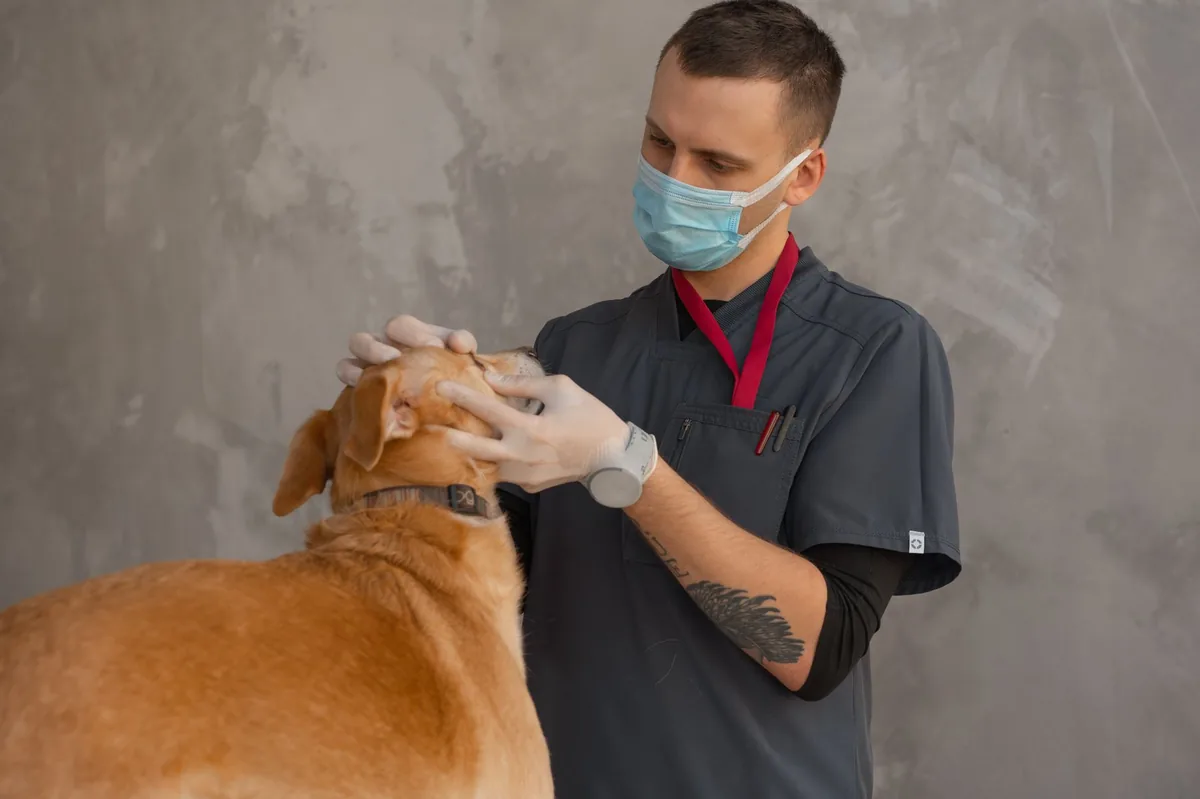
Diagnosis begins with a thorough oral exam. Your vet will gently part the lips, use a light source, and may employ a small dental mirror to view the cyst’s size, shape, and surface.
If the appearance is atypical, the vet may recommend additional diagnostics:
- Fine‑needle aspiration (FNA): A thin needle draws fluid from the cyst for cytology, confirming it’s fluid‑filled rather than solid tumor tissue.
- Radiographs (X‑rays) or CT scan: Imaging helps assess the depth of the cyst and whether it’s affecting underlying bone.
- Biopsy: In uncertain cases, a small tissue sample is taken and sent to a pathologist to rule out neoplasia (cancer).
These tests are quick, minimally invasive, and usually performed under light sedation or local anesthesia, ensuring your dog stays comfortable.
Treatment options
Medical treatment
Most gum cysts are treated surgically, but medical management can be appropriate for very small, asymptomatic cysts or when surgery is temporarily contraindicated. Options include:
- Anti‑inflammatory meds: NSAIDs such as carprofen or meloxicam may reduce swelling and discomfort. Ask your vet about this option.
- Antibiotics: If a secondary bacterial infection is suspected, drugs like amoxicillin‑clavulanate are commonly prescribed. Ask your vet about this option.
- Topical antiseptics: Chlorhexidine rinses can keep the area clean while awaiting definitive treatment.
Supplements and supportive care
While supplements won’t shrink a cyst, they can support overall oral health and tissue healing:
- Omega‑3 fatty acids (EPA/DHA): Found in fish oil, they help reduce inflammation in the gums.
- Probiotics: Specific strains (e.g., Lactobacillus reuteri) may promote a balanced oral microbiome and lessen infection risk.
- Vitamin C and zinc: These nutrients aid collagen synthesis, which is useful after surgical removal.
Always discuss supplement brands and dosages with your vet, as quality and appropriate amounts vary.
Procedures or surgery
The definitive treatment for most gum cysts is surgical excision. The procedure typically follows these steps:
- Pre‑operative blood work to ensure the dog is a safe anesthesia candidate.
- General anesthesia and careful isolation of the cyst.
- Excising the cyst wall completely, sometimes using a laser (CO₂ or diode) to minimize bleeding.
- Stitching the gum tissue if needed and applying a soothing rinse.
Recovery is usually swift. Most dogs are discharged the same day, with a few days of soft food and limited chewing. Complications are rare but can include infection, bleeding, or a small chance of recurrence if any cyst lining remains.
Diet and nutrition
Good oral nutrition helps keep the gums healthy and may reduce the chance of cyst formation or recurrence. While no single diet will “cure” a cyst, certain feeding strategies support healing and minimize irritation.
Foods to favor
- Highly digestible protein sources: Chicken, turkey, or fish that are easy on the mouth and provide the amino acids needed for tissue repair.
- Soft, moist kibble or wet food: Reduces the mechanical stress on the gums while your dog recovers from surgery.
- Omega‑3 enriched formulas: Many commercial therapeutic diets contain added fish oil, which can dampen inflammation.
- Low‑carbohydrate, low‑sugar options: Sugary diets promote bacterial growth and bad breath, which can exacerbate gum irritation.
Foods to limit or avoid
- Hard bones, rawhide, and very crunchy treats: They can traumatize the gum lining and trigger new cysts.
- Highly processed snacks with artificial colors or flavors: These may increase oral inflammation.
- Excessive dairy: Some dogs are lactose‑intolerant; dairy can lead to oral irritation and secondary infection.
If your dog needs a prescription diet, your vet may recommend a “therapeutic oral health diet” (often labeled as a “dental” or “oral care” formula). These diets are formulated to be low‑ash, contain a specific kibble size that encourages chewing, and may include added antioxidants.
Feeding tips for the post‑op period
- Transition gradually: Mix a small amount of soft food with the regular kibble over 2–3 days to avoid shocking the stomach.
- Offer smaller, more frequent meals (3–4 times daily) to reduce chewing pressure.
- Warm the food slightly (body temperature) to enhance aroma and encourage eating.
- Maintain fresh water at all times; a water fountain can stimulate gentle licking, which cleans the mouth.
- Consider adding a probiotic supplement (e.g., FortiFlora) after surgery to support the oral microbiome.
Regular dental care—brushing with a dog‑safe toothbrush and toothpaste, or using dental chews approved by the Veterinary Oral Health Council (VOHC)—helps keep plaque low, reducing the risk of gum irritation that could lead to cysts.
Cost and prognosis
Financial considerations vary by region and clinic, but typical U.S. price ranges (estimates, not guarantees) are:
| Item | Typical cost (USD) |
|---|---|
| Initial exam & basic blood work | $80–$150 |
| Fine‑needle aspiration (if needed) | $75–$120 |
| Surgical excision (including anesthesia) | $500–$1,200 |
| Laser removal (optional) | $600–$1,400 |
| Post‑op pain meds & antibiotics | $30–$80 |
| Follow‑up visit (2 weeks) | $50–$100 |
In the United Kingdom, similar procedures typically cost £250–£800, reflecting differences in veterinary fees and insurance coverage.
Prognosis is excellent for benign cysts. When the cyst is completely removed, recurrence rates are low (< 5 %). Most dogs return to normal activity within 7–10 days. If the cyst was infected, a short course of antibiotics may be required, but full recovery is still expected.
Prevention and home care
Preventing gum cysts centers on maintaining oral health and avoiding trauma:
- Brush your dog’s teeth at least 2–3 times a week using a soft canine toothbrush and toothpaste.
- Offer dental chews that carry the VOHC seal; they gently scrape plaque without harsh pressure.
- Rotate chew toys: choose softer rubber toys for dogs prone to gum irritation, and avoid bone‑type treats that can split.
- Schedule regular dental cleanings (usually annually) with your veterinarian, especially for breeds with crowded teeth.
- Monitor your dog’s mouth weekly for any new lumps, redness, or changes in eating behavior.
If you notice a small swelling that isn’t painful, you can monitor it for a week while keeping the area clean with a gentle saline rinse (mix ½ tsp salt in 8 oz warm water). However, any growth that persists, enlarges, or becomes painful warrants a vet visit.
For dogs with a history of cysts, discuss with your vet whether routine oral ultrasounds during annual check‑ups might catch early changes before they become noticeable.
From our vet team: “We’ve seen many owners panic over a pink bump on the gum, but most of the time it’s a simple cyst that can be removed in a single outpatient procedure. The key is early detection—if you catch it before it becomes infected, the surgery is quick, the cost is modest, and your dog’s recovery is usually painless.”
Key takeaways
- A gum cyst is a benign, fluid‑filled sac that appears on the oral mucosa and is usually not life‑threatening.
- Watch for swelling, bad breath, or reluctance to chew; these are early signs that merit a vet call.
- Diagnosis is made by visual exam, possibly aided by fine‑needle aspiration or imaging to rule out tumors.
- Surgical removal (often with laser assistance) is the standard treatment and carries a high success rate.
- Post‑op care includes soft foods, gentle oral rinses, and a short course of anti‑inflammatories or antibiotics if needed.
- Maintaining good dental hygiene and avoiding hard chews are the best ways to prevent future cysts.
Myth vs. fact
Myth: All gum lumps are cancerous.
Fact: Most gum cysts are benign; only a small percentage turn out to be malignant tumors after biopsy.
Myth: You can treat a gum cyst at home with over‑the‑counter creams.
Fact: Home care can keep the area clean, but definitive treatment usually requires veterinary removal to prevent infection or recurrence.
Myth: Once removed, a gum cyst will never come back.
Fact: Recurrence is rare but possible; regular oral exams help catch any new growth early.
Frequently asked questions
What does a cyst on a dog’s gums look like?
A gum cyst typically appears as a smooth, round, pink or translucent bump on the inner gum surface, ranging from a few millimeters to a centimeter in diameter.
Can a gum cyst cause pain for my dog?
Yes. Small cysts are often painless, but as they enlarge or become infected they can cause tenderness, making the dog reluctant to chew or eat.
Are gum cysts cancerous in dogs?
Most gum cysts are benign. However, a veterinarian will often perform a fine‑needle aspiration or biopsy to definitively rule out a malignant tumor.
How is a gum cyst diagnosed by a vet?
The vet begins with a visual oral exam, then may use fine‑needle aspiration, X‑rays, or a CT scan, and occasionally a biopsy to confirm the cyst’s nature.
What treatment options are available for gum cysts in dogs?
Options include surgical excision (standard or laser‑assisted), medical management with anti‑inflammatories and antibiotics, and supportive care with diet and supplements.
What is the typical recovery time after gum cyst removal?
Most dogs recover fully within 7–10 days, returning to normal eating and activity after a brief period of soft food and limited chewing.
Ask the PuppaDogs community
Have a question this article didn’t fully answer? Want to compare notes with other dog owners who’ve been through this? Our community forum is moderated by experienced owners and vets — and answers tend to come fast. Ask in the PuppaDogs community →
References
- American Animal Hospital Association (AAHA). “Dental Care Guidelines for Dogs.” 2023.
- American Veterinary Medical Association (AVMA). “Oral Health in Companion Animals.” 2022.
- Merck Veterinary Manual. “Oral Cysts in Dogs.” Updated 2024.
- Cornell University College of Veterinary Medicine. “Gingival Cysts: Clinical Presentation and Management.” 2021.
- UC Davis Veterinary Medicine. “Incidence of Oral Lesions in Dogs.” Journal of Veterinary Dentistry, 2020.
- World Small Animal Veterinary Association (WSAVA). “Guidelines for Dental Disease Prevention.” 2022.
- Veterinary Oral Health Council (VOHC). “Approved Dental Chews and Toys.” 2023.


