
















Quick take: Cushing’s disease in dogs is a hormonal disorder caused by excess cortisol, usually from an overactive adrenal gland or pituitary tumor. It progresses slowly, but with proper diagnosis and management—often medication, diet changes, and regular monitoring—most dogs can enjoy a good quality of life.
It’s 9 p.m., you’re scrolling through your phone while your 12‑year‑old golden retriever, Bella, snuggles on the couch. She’s usually up for a quick walk, but tonight she’s sluggish, her belly looks a bit swollen, and you notice a faint, musty odor on her coat. Your mind jumps to “Cushing’s disease”—you’ve heard the term at the vet, but you’re not sure what it means or how serious it is.
First, take a deep breath. You’re not alone; many owners spot these early clues before a diagnosis is confirmed. In this guide, we’ll explain what Cushing’s disease is, why it happens, the signs to watch for, how vets confirm it, and what you can do to keep Bella comfortable and thriving.
We’ll also cover costs, diet tweaks, and everyday prevention tips, so you’ll have a clear roadmap from suspicion to long‑term management. Our dog‑questions answered hub is a great place to explore related topics, and you’ll find links to our experts and cost calculators throughout.
What is Cushing’s disease in dogs?
Cushing’s disease, also called hyperadrenocorticism, is a condition where a dog’s body produces too much cortisol, the “stress hormone.” Cortisol helps regulate metabolism, immune response, and blood pressure, but excess levels can cause a cascade of changes—weight gain, skin thinning, and a weakened immune system, among others. The disease is relatively uncommon, affecting roughly 0.5–1 % of adult dogs, and is most frequently diagnosed in middle‑aged to senior dogs, especially small to medium breeds such as poodles, dachshunds, and terriers.

What causes it?
Most cases stem from one of two sources: a pituitary tumor (≈85 % of cases) that secretes excess ACTH, stimulating the adrenal glands, or a solitary adrenal tumor (≈15 % of cases) that overproduces cortisol on its own. Less common triggers include:
- Long‑term use of corticosteroid medications (e.g., prednisone) for chronic inflammation.
- Rare genetic predispositions in certain breeds.
- Other endocrine disorders that can mask or mimic Cushing’s signs.
Signs and symptoms
Because cortisol affects many body systems, Cushing’s disease can manifest in a variety of ways. Symptoms often develop gradually, making early detection tricky.
| Stage | Typical signs |
|---|---|
| Mild | Increased thirst and urination, subtle weight gain, “pot‑bellied” appearance, slight hair loss on the flanks. |
| Moderate | More pronounced hair thinning, skin pigment changes, frequent infections (skin, ear, urinary), lethargy, polyphagia (increased appetite). |
| Severe | Severe muscle wasting, marked abdominal enlargement, ulcerated skin lesions, hypertension, diabetes mellitus, neurological signs (e.g., seizures). |
When to call your vet
Call today if you notice any of the early signs—excessive drinking, a growing belly, or thinning hair. These can also be clues for other health issues, so a veterinary check‑up is advisable.
Go to an emergency clinic right now if your dog shows any of the following: sudden collapse, severe vomiting or diarrhea, difficulty breathing, seizures, or a rapid, irregular heartbeat. These could indicate a crisis related to cortisol excess or a concurrent condition.
This article is for informational purposes only and does not replace professional veterinary care.
How vets diagnose it
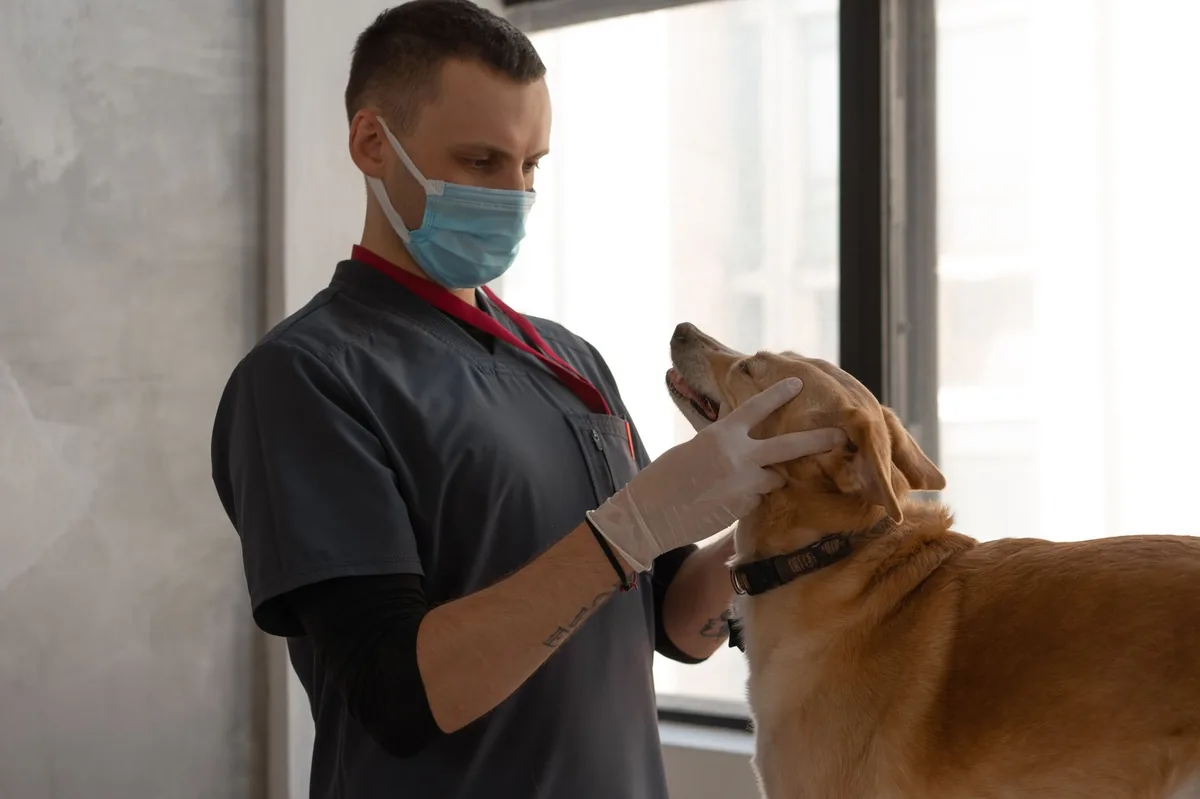
Diagnosing Cushing’s disease involves a stepwise approach:
- History and physical exam: Your vet will note classic signs, measure blood pressure, and assess skin and coat.
- Screening blood tests: The low‑dose dexamethasone suppression test (LDDST) and the ACTH stimulation test are the gold standards. They evaluate how cortisol levels respond to synthetic hormones.
- Urine tests: A urine cortisol:creatinine ratio can support a diagnosis but is less definitive.
- Imaging: Ultrasound or CT scans locate adrenal tumors or assess pituitary size.
- Endocrine panels: Additional labs check for diabetes, electrolyte imbalances, and infections that can mimic Cushing’s.
Each test provides a piece of the puzzle, allowing the vet to differentiate true Cushing’s disease from “Cushing’s‑like” conditions.
Treatment options
Medical treatment
When surgery isn’t feasible, most dogs are managed with medication. Common drug classes include:
- Trilostane (Vetoryl) – an oral inhibitor that reduces cortisol production. It’s the first‑line therapy for many dogs.
- Mitotane (Lysodren) – an oral agent that destroys adrenal tissue; used when trilostane isn’t effective.
- Ketoconazole – an antifungal that also blocks cortisol synthesis, occasionally used as adjunct therapy.
All of these require regular blood work to monitor cortisol levels and adjust dosage. Our experts can help you understand what to expect during medication titration.
Supplements and supportive care
While supplements can’t replace medication, they may ease specific symptoms:
- Omega‑3 fatty acids (EPA/DHA) – reduce inflammation and support skin health; useful for dogs with recurrent skin infections.
- Probiotics – help maintain gut balance, especially if the dog develops diarrhea from corticosteroid use.
- Antioxidant blends (vitamin C, selenium) – may protect against oxidative stress linked to high cortisol.
Always discuss supplement choices with your vet; quality and dosing matter.
Procedures or surgery
For adrenal tumors, a surgical removal (adrenalectomy) can be curative, though it’s technically demanding and carries risks such as bleeding or hormonal crisis. Post‑operative care includes intensive monitoring, pain control, and hormone replacement if needed. Radiation therapy is an option for some pituitary tumors, but availability varies.
Diet and nutrition
Because excess cortisol can raise blood sugar and promote weight gain, a balanced diet is essential. Focus on moderate calories, high‑quality protein, and controlled carbohydrate intake.
Foods to favor:
- Lean protein sources (chicken, turkey, fish) to maintain muscle mass.
- Low‑glycemic carbs such as sweet potatoes or pumpkin, which avoid rapid spikes in blood glucose.
- Fiber‑rich vegetables (green beans, carrots) to aid digestion and help control appetite.
- Omega‑3 supplements for skin health and inflammation control.
Foods to limit or avoid:
- High‑fat treats and table scraps that can exacerbate obesity.
- Simple sugars (white rice, corn) that may worsen insulin resistance.
- Excessive sodium, which can aggravate hypertension—a common comorbidity.
Many vets recommend a therapeutic “renal‑style” or “weight‑management” diet, not because it cures Cushing’s, but because its controlled protein and phosphorus levels help manage secondary kidney stress. Brands differ, but the key is a diet that’s complete and balanced per AAFCO standards.
When transitioning to a new diet, do it gradually over 7‑10 days: mix 25 % new food with 75 % current food, then increase the new portion each few days. This reduces GI upset and helps your dog accept the change.
Feeding frequency can also matter. Splitting the daily allowance into two smaller meals can help stabilize blood sugar and reduce hunger spikes. Always provide fresh water, especially if your dog is drinking more than usual.
| Do feed | Limit | Avoid |
|---|---|---|
| Lean protein, low‑glycemic carbs, omega‑3 rich foods | High‑fat treats, simple sugars, excess sodium | Table scraps, processed foods, sugary snacks |
Cost and prognosis
Financial considerations vary by region and treatment path. In the United States, initial diagnostics (blood panels, imaging) typically run $300‑$800. Medication costs differ:
- Trilostane: about $30‑$50 per month for a medium‑size dog.
- Mitotane: roughly $40‑$70 per month.
- Adjunct antibiotics or antifungals add $15‑$40 each.
Surgical adrenalectomy can cost $3,000‑$5,000, including anesthesia, hospital stay, and post‑op care. Radiation therapy for pituitary tumors may exceed $6,000 in some specialty centers.
In the United Kingdom, diagnostic packages range from £250‑£600, while medication is about £25‑£45 per month. Surgery can be £2,000‑£4,000.
Prognosis depends on the underlying cause and how well the disease is controlled. Dogs with pituitary‑dependent Cushing’s often live 2‑4 years after diagnosis when managed appropriately; those with adrenal tumors may have a shorter outlook but can still enjoy quality months with surgery or medication.
Prevention and home care
Because many cases arise from internal tumors, true prevention is limited. However, you can reduce risk and support your dog’s health:
- Maintain a healthy weight through regular exercise and portion control.
- Avoid long‑term use of corticosteroids unless absolutely necessary; discuss alternatives with your vet.
- Schedule routine wellness exams—early blood work can catch subtle hormone shifts before symptoms appear.
- Monitor blood pressure at home if your dog has a known hypertension diagnosis.
- Keep a symptom diary: note changes in thirst, appetite, coat, and activity level to share with your vet during follow‑ups.
Regular grooming can also spot skin thinning or infections early, allowing prompt treatment.
From our vet team: Early detection is the biggest advantage you have. If you notice a gradual increase in drinking, a pot‑bellied look, or recurring skin infections, bring your dog in for a quick blood panel. Even if the test is negative, it gives us a baseline and often prevents a crisis later on.
Key takeaways
- Cushing’s disease is caused by excess cortisol, most often from a pituitary tumor.
- Early signs include increased thirst, appetite, and a “pot‑bellied” appearance; watch for skin thinning and infections.
- Diagnostic testing involves hormone suppression tests and imaging; your vet will tailor the workup.
- Medical management with trilostane or mitotane is common; surgery is an option for adrenal tumors.
- Feed a balanced, low‑glycemic diet, limit high‑fat treats, and keep a regular feeding schedule.
- Regular vet check‑ups and weight control are the best ways to catch the disease early and keep your dog comfortable.
Myth vs. fact
Myth: Cushing’s disease can be cured with diet alone.
Fact: While a proper diet supports overall health, the disease is hormonal and usually requires medication or surgery to control cortisol levels.
Myth: Only large breeds get Cushing’s disease.
Fact: Small and medium breeds, such as poodles and dachshunds, are actually over‑represented in pituitary‑dependent cases.
Myth: If my dog looks fine, the disease isn’t serious.
Fact: Cushing’s can progress silently; regular blood work is essential even when your dog seems normal.
Frequently asked questions
Can Cushing’s disease be contagious?
No, Cushing’s disease is not contagious; it’s an internal hormonal disorder that cannot be passed between dogs.
How much does lifelong medication typically cost?
In the U.S., monthly medication such as trilostane averages $30‑$50, so expect roughly $360‑$600 per year, plus routine blood work to monitor dosage.
Will my dog develop diabetes because of Cushing’s?
Excess cortisol can raise blood sugar, and about 20‑30 % of dogs with Cushing’s develop diabetes. Regular glucose checks help catch it early.
Is surgery a cure for Cushing’s disease?
Surgery can be curative for adrenal tumors, but it’s not an option for pituitary‑dependent cases, which make up the majority of diagnoses.
How soon will my dog feel better after starting treatment?
Many owners notice reduced thirst and appetite within a few weeks, but full symptom improvement—including coat quality—can take 2‑3 months of consistent therapy and monitoring.
Ask the PuppaDogs community
Have a question this article didn’t fully answer? Want to compare notes with other dog owners who’ve been through this? Our community forum is moderated by experienced owners and vets — and answers tend to come fast. Ask in the PuppaDogs community →
References
- American College of Veterinary Internal Medicine (ACVIM) Consensus Statement on Diagnosis and Treatment of Cushing’s Disease in Dogs, 2022.
- American Animal Hospital Association (AAHA) Guidelines for Endocrine Disorders, 2023.
- Merck Veterinary Manual, “Hyperadrenocorticism (Cushing’s Disease) in Dogs” chapter.
- Veterinary Clinics of North America: Small Animal Practice, “Medical Management of Canine Cushing’s Disease,” 2021.
- Cornell University College of Veterinary Medicine, “Canine Cushing’s Disease Overview.”
- World Small Animal Veterinary Association (WSAVA) Nutritional Recommendations for Dogs with Endocrine Disorders, 2022.
- UK Veterinary Association (UKVA) Guidance on Cushing’s Disease Treatment Options, 2021.
- Plumb’s Veterinary Drug Handbook, 9th Edition, sections on trilostane and mitotane.
- American Veterinary Medical Association (AVMA) – Pet Health Insurance and Cost Estimates, 2023.
- National Canine Health Survey, prevalence data, 2022.


