





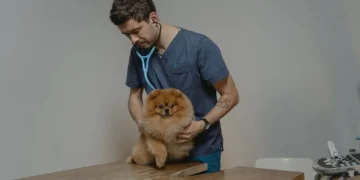






Quick take: Conjunctivitis, often called pink eye, is an inflammation of the eye’s thin membrane that’s usually mild but can become serious if untreated. Most cases stem from irritation, infection, or allergies and respond well to veterinary care. Keep an eye on discharge, redness, and your dog’s comfort—if symptoms worsen or vision is affected, seek prompt veterinary help.
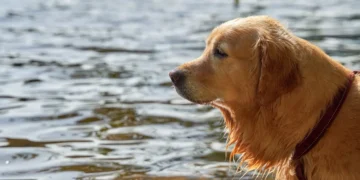
It’s 9 p.m., and you’re scrolling through your phone while your golden retriever, Milo, sits on the couch with a puzzled stare. His left eye looks a bit red, and a thin, watery discharge is trickling down his cheek. You’ve never seen him look so uncomfortable, and the term “pink eye” flashes across the screen, making your heart race.
First, take a breath. You’re not alone—many owners spot the first sign of conjunctivitis as a subtle change in their dog’s eye appearance. While it can feel alarming, most cases are straightforward and treatable. In this guide, we’ll explain what conjunctivitis is, why it happens, how to recognize it, when to call your vet, and what you can do at home to help your pup heal.
By the end, you’ll know how to spot the warning signs, what options your vet might suggest, and how to keep your dog’s eyes bright and healthy for years to come. Let’s dive in.
What is conjunctivitis in dogs (pink eye)?
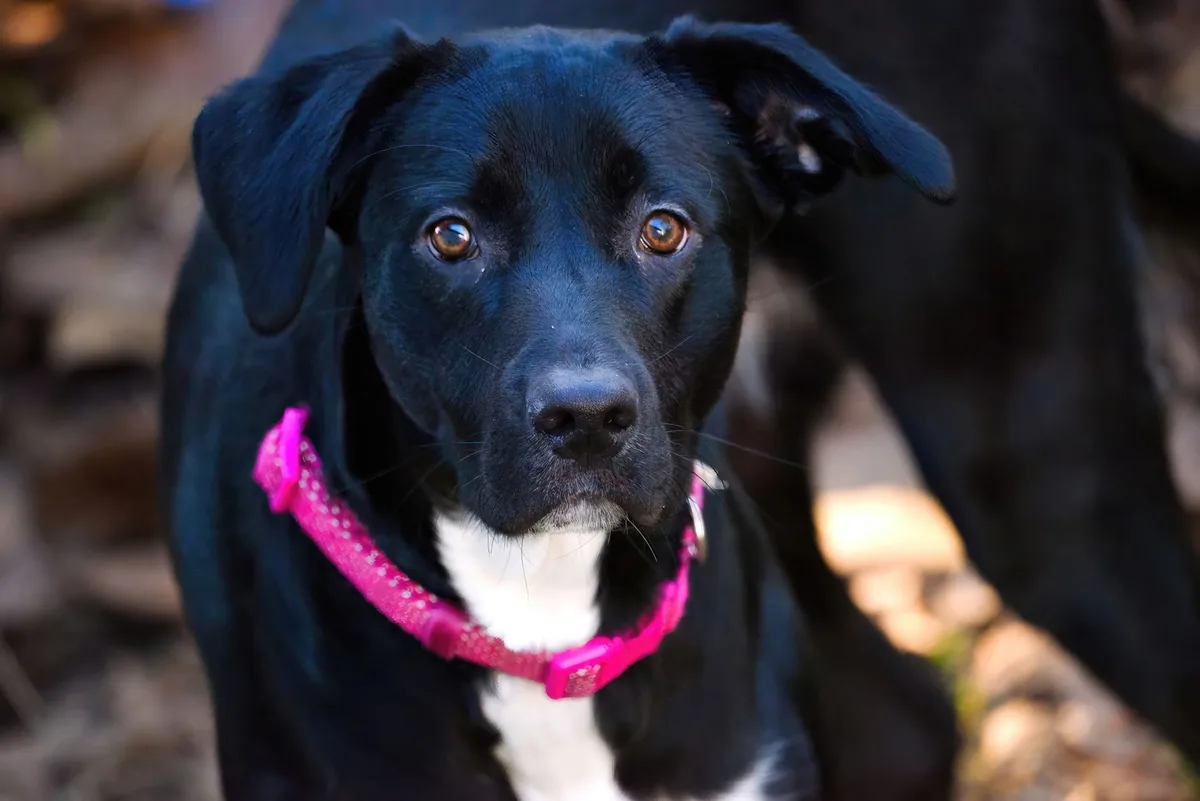
Conjunctivitis is inflammation of the conjunctiva, the thin, transparent tissue that lines the inside of the eyelids and covers the white part of the eye (the sclera). When this membrane becomes irritated, it turns pink or red, swells, and may produce discharge. In dogs, the condition is usually non‑vision‑threatening, but severe inflammation or a secondary infection can lead to discomfort, scarring, or even vision loss.
According to the American Animal Hospital Association (AAHA), conjunctivitis is one of the most common ocular problems seen in primary‑care veterinary practices, affecting dogs of any age, breed, or size. While many cases are mild and resolve with simple treatment, a small percentage can indicate deeper issues such as systemic disease or trauma.
What causes it?
Conjunctivitis can arise from a variety of sources. Below are the main categories, each with typical examples:
| Cause | Typical Triggers |
|---|---|
| Infectious agents | Bacterial (Staphylococcus, Pseudomonas), viral (canine adenovirus, herpesvirus), fungal (Candida) |
| Allergies | Environmental pollen, dust mites, mold spores, topical irritants (shampoos, wipes) |
| Irritants & trauma | Foreign bodies (grass awns, sand), scratches, chemical splashes, excessive rubbing |
| Underlying systemic disease | Immune‑mediated disorders, hormonal imbalances, neoplasia, dry eye (keratoconjunctivitis sicca) |
| Breed‑related anatomy | Bulldogs, Pugs, and other brachycephalic breeds have prominent eyes that are more exposed to irritants. |
Most owners encounter the infectious or allergic types first, but it’s essential to consider the full picture—especially if the eye problem recurs.
Signs and symptoms
Eye issues can be subtle, so keep an eye out for the following changes. We’ve grouped them by severity to help you gauge how urgent the situation might be.
| Severity | Typical Signs |
|---|---|
| Mild | Redness around the iris, watery discharge, occasional blinking, mild squinting. |
| Moderate | More pronounced redness, thicker yellow or green discharge, frequent rubbing of the eye, crusting on the lashes. |
| Severe | Swollen eyelids, ulcerated cornea, persistent pain, cloudy eye, vision loss, excessive tearing, blepharospasm (forced eye closure). |
Other clues include changes in behavior—your dog may be less enthusiastic about walks, may keep the head tilted, or may avoid bright light. If you notice any of the severe signs, act fast.
When to call your vet
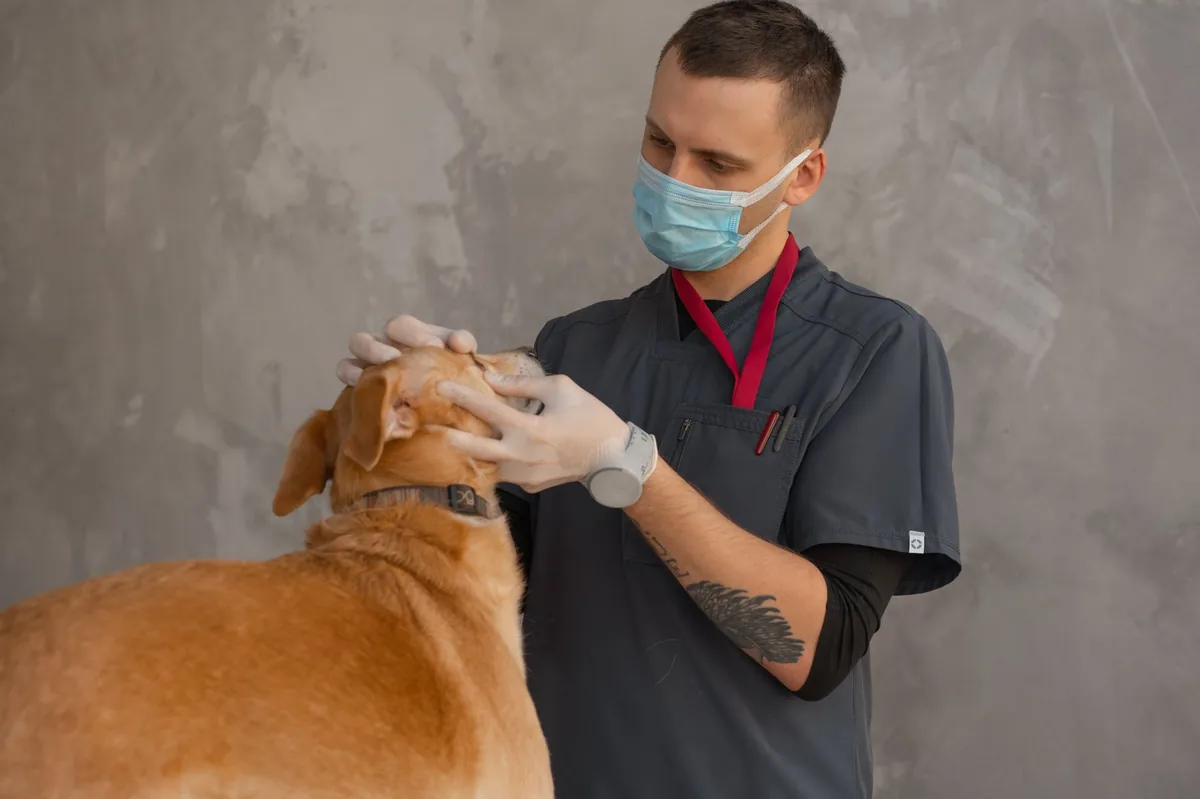
Call your vet today if:
- Redness or discharge persists for more than 24 hours.
- Your dog is rubbing or pawing at the eye.
- There is any crusting, swelling, or change in eye shape.
- The eye looks cloudy or you notice a change in your dog’s behavior.
Go to an emergency veterinary clinic right now if:
- Sudden, severe swelling makes the eye difficult to open.
- Your dog appears to be in significant pain (whining, shaking, or refusing to eat).
- There is a suspected chemical burn or foreign object lodged in the eye.
- Vision seems lost—your dog bumps into objects or seems disoriented.
This article is for information only and does not replace professional veterinary care.
How vets diagnose it
When you bring your dog in, the veterinarian will start with a thorough history: when symptoms began, any recent exposures (new plants, chemicals, other sick pets), and any known allergies. A physical exam follows, focusing on the eyes.
Key diagnostic tools include:
- Fluorescein stain: A dye placed on the eye surface highlights corneal ulcers or scratches.
- Schirmer tear test: Measures tear production to rule out dry eye, a common underlying cause.
- Cytology or culture: A gentle swab of the discharge can identify bacterial, fungal, or viral agents.
- Complete blood work: Helps uncover systemic infections or immune‑mediated disease.
In most uncomplicated cases, the vet can diagnose conjunctivitis based on visual inspection and the fluorescein stain. More complex or recurring cases may need additional testing.
Treatment options
Medical treatment
Therapy depends on the underlying cause:
- Antibiotic eye drops or ointments (e.g., gentamicin, tobramycin) are used for bacterial infections.
- Antiviral eye medications such as idoxuridine may be prescribed for viral conjunctivitis, though many viral forms resolve on their own.
- Anti‑inflammatory drugs like corticosteroid drops (e.g., prednisolone acetate) reduce swelling—these are used cautiously and only after ruling out infection.
- Antihistamine drops (e.g., olopatadine) help when allergies are the main driver.
Ask your vet about these options; the exact medication and dosing will be tailored to your dog’s weight, severity, and cause.
Supplements and supportive care
While supplements aren’t a cure, some can aid recovery:
- Omega‑3 fatty acids (EPA/DHA) from fish oil help reduce ocular inflammation and support overall skin and coat health.
- Vitamin A‑rich foods (e.g., sweet potatoes, carrots) or supplements can support the health of the eye’s surface cells.
- Probiotics may improve gut health, which in turn can lessen systemic allergic responses that sometimes flare up the eyes.
These are optional and should be discussed with your vet, especially if your dog is on other medications.
Procedures or surgery
Most cases of conjunctivitis resolve with medication. However, if a foreign body is embedded or a corneal ulcer has formed, the vet may need to perform a minor in‑office procedure to remove the irritant or place a protective bandage contact lens. Recovery from such interventions is usually quick—most dogs return to normal within a week.
Diet and nutrition
Good nutrition supports the immune system and promotes healing of delicate eye tissues. While there’s no “pink‑eye diet,” certain nutrients can help your dog fight infection and reduce inflammation.
Focus on high‑quality protein sources (chicken, turkey, fish) that provide essential amino acids for tissue repair. Include omega‑3 fatty acids—either through a fish‑oil supplement or by feeding foods naturally rich in these fats, like salmon or sardines. Omega‑3s have been shown to modulate inflammatory pathways, which can be beneficial for ocular health (AAHA Nutrition Guidelines).
Vitamin A is critical for maintaining the health of the conjunctiva and cornea. Foods such as sweet potatoes, carrots, pumpkin, and liver are excellent natural sources. If your dog is a picky eater, a modest supplement can be discussed with your vet.
For dogs with allergic conjunctivitis, limiting common allergens in the diet may provide relief. Some owners find success with limited‑ingredient or novel‑protein diets that reduce exposure to potential food‑borne allergens. Always transition slowly over 7–10 days to avoid gastrointestinal upset.
Prescription therapeutic diets aren’t typically required for conjunctivitis alone, but if the condition is linked to an underlying disease (e.g., dry eye or immune‑mediated disease), your vet might recommend a specialized formula. These diets are formulated to be highly digestible and often enriched with antioxidants, omega‑3s, and controlled levels of minerals.
Below is a quick reference for feeding choices while your dog recovers:
| Do feed | Limit | Avoid |
|---|---|---|
| High‑quality protein (chicken, turkey, fish) | Rich‑fat treats (excessive cheese, bacon) | Highly processed kibble high in fillers |
| Omega‑3 sources (salmon, fish oil) | Grains if your dog is grain‑sensitive | Spicy or heavily seasoned human foods |
| Vitamin A foods (sweet potato, carrots, pumpkin) | Excessive vitamin A supplements (risk of toxicity) | Artificial additives, preservatives |
When transitioning to a new diet, introduce the new food gradually—mix 25 % new with 75 % old, then increase the new portion every few days. This helps maintain a stable gut environment, which is especially important when your dog’s immune system is already working hard to clear an eye infection.
Hydration matters, too. Encourage fresh water throughout the day. If your dog is reluctant to drink, try a shallow bowl or a pet‑safe water fountain. Proper hydration supports tear production, which can prevent dry‑eye complications.
Cost and prognosis
Most uncomplicated conjunctivitis cases cost between $100 and $250 in the United States, covering the exam, diagnostic tests (fluorescein stain, tear test), and a short course of medication. In the United Kingdom, owners typically see fees ranging from £80 to £180. These figures are estimates; complex cases involving culture, surgery, or systemic disease can rise to $500‑$800 (or £350‑£600).
Prognosis is excellent when the underlying cause is identified and treated promptly. Over 90 % of dogs recover fully within 7–14 days. Chronic or recurrent cases—often linked to allergies or dry eye—may require ongoing management, but with proper care most dogs maintain good vision and comfort.
Prevention and home care
Keeping your dog’s eyes clean and protected goes a long way:
- Wipe away discharge gently with a damp, sterile gauze pad. Avoid rubbing, which can cause further irritation.
- Trim long hair around the eyes, especially in breeds with prominent brows, to reduce mechanical rubbing.
- Use a tear‑free, dog‑safe eye wash (saline solution) if you notice dust or pollen buildup after outdoor activities.
- Limit exposure to known irritants—avoid swimming in chlorinated pools, keep your dog away from heavy smoke, and choose mild, hypoallergenic grooming products.
- Schedule regular veterinary wellness exams. Your vet can screen for dry eye, allergies, or early signs of infection before they become problematic.
For dogs prone to allergic conjunctivitis, consider a weekly wipe with a vet‑recommended eye cleanser and discuss long‑term antihistamine therapy if needed.
From our vet team: “Most cases of pink eye are simple irritations that resolve with a few drops and a bit of extra care at home. The key is catching it early—if you notice any change in the eye’s appearance, give it a quick look and call your vet. A prompt visit usually means a short, painless recovery for your dog.”
Key takeaways
- Conjunctivitis is an inflammation of the eye’s lining, commonly called pink eye, and is usually treatable.
- Watch for red eyes, discharge, and rubbing; seek veterinary care if symptoms persist beyond 24 hours or worsen.
- Treatment often involves antibiotic or anti‑inflammatory eye drops, plus supportive care like omega‑3 supplements.
- A balanced diet rich in protein, omega‑3 fatty acids, and vitamin A helps the eye heal faster.
- Prevent future episodes by keeping the eye area clean, trimming excess hair, and minimizing exposure to irritants.
Myth vs. fact
Myth: Pink eye in dogs is always caused by a contagious infection.
Fact: While bacterial or viral infections can spread, many cases are due to irritation, allergies, or foreign bodies, which are not contagious.
Myth: Home remedies like diluted hydrogen peroxide can cure pink eye.
Fact: Strong chemicals can damage the cornea; only vet‑approved solutions should be used. Gentle saline rinses are safe, but always follow your vet’s advice.
Myth: If the eye looks slightly red, it’s not worth a vet visit.
Fact: Early detection prevents progression; even mild redness can signal underlying disease that needs treatment.
Frequently asked questions
Can conjunctivitis spread to other dogs?
Yes, bacterial or viral conjunctivitis can be contagious, especially in multi‑dog households. Good hygiene—washing hands after handling the affected eye and cleaning any discharge—helps limit spread. However, allergic or irritant‑related cases are not contagious.
How long will treatment take?
Most uncomplicated cases improve within 5–7 days, with full resolution in 10–14 days. Your vet may schedule a follow‑up exam after a week to ensure the eye has healed and to adjust medication if needed.
Are eye drops painful for my dog?
Eye drops may cause a brief stinging sensation, especially if the eye is inflamed. Most dogs tolerate them well after a few applications. Your vet can demonstrate the technique to make the process as stress‑free as possible.
What if my dog is allergic to a medication?
Allergic reactions to eye medications are rare but possible. Signs include increased swelling, hives, or vomiting. If you notice any of these, stop the medication and contact your vet immediately. An alternative drug or a different class (e.g., antihistamine drops) can be prescribed.
Will my dog need a special diet after treatment?
Typically, no special prescription diet is required solely for conjunctivitis. However, feeding a balanced diet rich in omega‑3s and vitamin A can support ocular health. If the conjunctivitis is linked to an underlying condition like dry eye, your vet may recommend a therapeutic diet.
How much does treatment usually cost?
In the U.S., uncomplicated cases range from $100‑$250, covering the exam, diagnostic testing, and medication. More complex cases with culture, surgery, or systemic disease can exceed $500. For a cost breakdown, explore our treatment cost calculator or ask your vet for an estimate.
Ask the PuppaDogs community
Have a question this article didn’t fully answer? Want to compare notes with other dog owners who’ve been through this? Our community forum is moderated by experienced owners and vets — and answers tend to come fast. Ask in the PuppaDogs community →
References
- American Animal Hospital Association (AAHA). “Ocular Health Guidelines.” 2023.
- American Veterinary Medical Association (AVMA). “Conjunctivitis in Dogs.” 2022.
- Merck Veterinary Manual. “Conjunctivitis (Pink Eye) in Dogs.” Updated 2023.
- Cornell University College of Veterinary Medicine. “Canine Ocular Diseases.” 2022.
- World Small Animal Veterinary Association (WSAVA). “Guidelines for the Use of Antimicrobials in Veterinary Practice.” 2021.
- AAHA Nutrition Guidelines. “Nutrient Requirements for Dogs.” 2022.
- Veterinary Ophthalmology, 5th Edition. “Diagnostic Techniques for Canine Conjunctivitis.” 2020.


