











Quick take: Congenital atrial septal defect (ASD) is a hole in the wall between a dog’s two upper heart chambers. It’s present at birth, often shows up as a heart murmur in puppies, and can range from harmless to life‑limiting. Most dogs live a normal life with medical management, but surgery or catheter closure may be needed for larger defects.
It’s 11 p.m., the living room lights are dim, and you’ve just noticed your 8‑month‑old Border Collie is panting after a short walk and seems a bit “off‑balance.” You glance at her chest and see a faint, rapid thump that you’ve never heard before. The internet buzzes with “heart murmur” results, and your mind races: “Is this something I can fix at home? Will she survive?” You’re not alone—many owners first spot an atrial septal defect when their puppy’s energy wanes or a veterinarian notes a murmur during a routine exam.
We’re here to untangle the facts. Atrial septal defect (ASD) is a specific type of congenital heart defect that creates an opening in the atrial septum, the wall separating the left and right atria. This hole lets oxygen‑rich blood mix with oxygen‑poor blood, potentially over‑working the heart and lungs. The condition can be mild, moderate, or severe, and the outlook depends on the size of the defect, the dog’s breed, and how quickly treatment begins.
In this guide we’ll explain what ASD is, why it happens, how you can recognize it, when you need urgent care, how vets diagnose it, treatment options (including surgery), diet tweaks, costs, and long‑term care. By the end you’ll know what questions to ask your veterinarian and how to support your pup’s heart health.
What is congenital atrial septal defect (ASD) in dogs?
ASD is a birth‑related malformation where a hole forms in the atrial septum—the thin wall that separates the left atrium (receives oxygenated blood from the lungs) from the right atrium (receives deoxygenated blood from the body). In a healthy heart, these chambers stay completely separate. With ASD, blood can shunt from left to right, increasing the volume of blood the right side of the heart must pump.
The defect is “congenital,” meaning the hole is present from birth, even though most owners don’t notice it until a routine exam or a subtle change in stamina. According to the American College of Veterinary Internal Medicine (ACVIM), ASD accounts for roughly 5‑10 % of all congenital heart defects diagnosed in dogs, making it less common than patent ductus arteriosus (PDA) but still a notable concern for certain breeds.
What causes it?
- Genetic predisposition: Several breeds—including Labrador Retrievers, Golden Retrievers, German Shepherds, and Boxers—show a higher incidence, suggesting an inherited component.
- Developmental error: During embryonic heart formation, the tissue that should fuse to close the atrial septum fails to do so. The exact molecular triggers are still under study, but disruptions in signaling pathways (e.g., NKX2‑5, GATA4) have been implicated in research from Cornell’s College of Veterinary Medicine.
- Environmental factors: Maternal infections, certain medications, or nutritional deficiencies during pregnancy may increase risk, though concrete evidence in dogs is limited.
Signs and symptoms
Because ASD is a structural issue, the clinical picture varies. Small defects often cause no outward signs and are discovered incidentally during a heart‑murmur check. Larger defects can produce a cascade of symptoms as the right heart works harder.
| Severity | Typical Signs |
|---|---|
| Mild | Quiet heart murmur, normal activity, no coughing |
| Moderate | Increased breathing after exercise, occasional cough, mild lethargy, faint murmur |
| Severe | Persistent cough, rapid breathing at rest, exercise intolerance, fainting, ascites (fluid in abdomen), visible heart enlargement on X‑ray |
Other clues owners often spot include:
- Reduced stamina on walks or play sessions.
- Blue‑tinged gums (cyanosis) in extreme cases.
- A “whooshing” sound on the chest when the vet listens with a stethoscope.

When to call your vet
Call your regular vet today if you notice:
- Any new heart murmur or abnormal thump on the chest.
- Persistent coughing, especially after activity.
- Sudden fatigue, difficulty climbing stairs, or reluctance to play.
- Swollen abdomen or unexplained weight loss.
Go to an emergency veterinary hospital right now if you see:
- Rapid, labored breathing at rest.
- Blue or gray gums.
- Collapse, fainting, or severe weakness.
- Sudden onset of fluid accumulation in the chest or abdomen.
These signs suggest the heart is struggling to keep up and immediate care could prevent irreversible damage. This article is for informational purposes only; it does not replace a professional veterinary exam.
How vets diagnose atrial septal defect
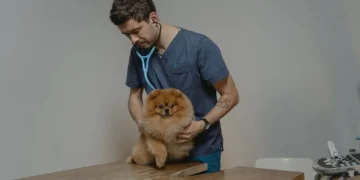
Diagnosis begins with a thorough history and physical exam. Your vet will listen for a characteristic “continuous” murmur, often best heard over the left side of the chest.
Key diagnostic tools include:
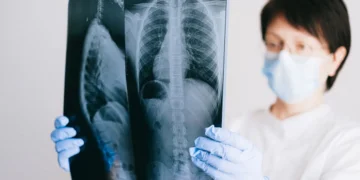
- Chest X‑ray: Reveals heart enlargement, especially of the right atrium and ventricle, and can show fluid in the lungs.
- Electrocardiogram (ECG): Detects rhythm irregularities that sometimes accompany ASD.
- Echocardiogram (ultrasound of the heart): The gold‑standard test. It visualizes the septal hole, measures its size, and assesses blood flow direction using Doppler imaging.
- Cardiac catheterization: In specialized centers, a thin catheter can measure pressures in each chamber, confirming the magnitude of the left‑to‑right shunt.
Blood tests may also be run to check for secondary effects such as anemia or liver congestion, especially in severe cases.
Treatment options
Medical treatment
For mild to moderate defects, many vets start with medications that reduce the workload on the heart and control symptoms. Common drug classes include:
- Diuretics (e.g., furosemide): Help remove excess fluid from the lungs and abdomen.
- ACE inhibitors (e.g., enalapril): Lower blood pressure and ease the heart’s pumping effort.
- Beta‑blockers (e.g., atenolol): Slow heart rate, allowing more efficient filling.
- Pulmonary vasodilators (e.g., sildenafil): Reduce pressure in the lung vessels if pulmonary hypertension develops.
These medications are tailored to each dog’s weight and disease stage—ask your vet about the best options for your pup.
Supplements and supportive care
Adjunctive supplements can support cardiac function, especially when the heart is working harder than normal:
- Omega‑3 fatty acids (EPA/DHA): Anti‑inflammatory effects that may improve heart health; found in fish‑oil capsules or high‑quality fish‑based diets.
- Coenzyme Q10 (CoQ10): An antioxidant that assists cellular energy production; some studies in dogs suggest modest improvement in cardiac output.
- Vitamin E and selenium: Antioxidants that protect heart muscle cells from oxidative stress.
Supplements are not a cure, but they can complement prescription therapy. Always discuss dosing with your veterinarian.
Procedures or surgery
When the defect is large (typically > 8 mm) or the dog shows progressive signs, closure may be recommended. Two main approaches exist:
- Open‑heart surgical repair: A thoracotomy (chest opening) allows the surgeon to place a patch over the hole. Recovery usually takes 2‑4 weeks, with activity restriction and regular re‑checks. Costs in the U.S. range from $8,000‑$12,000, while the UK may see £6,000‑£9,000.
- Transcatheter (device) closure: A minimally invasive technique where a specially designed occluder is delivered via a catheter inserted into a vein. This method avoids a full chest opening and often results in a quicker recovery (1‑2 weeks). Prices roughly $7,000‑$10,000 (US) or £5,000‑£8,000 (UK).
Not every veterinary hospital offers these procedures; referral to a specialty cardiac center is common. Your vet will weigh the defect size, your dog’s age, and overall health before recommending surgery.
Diet and nutrition
While no food can close a heart hole, nutrition can ease the burden on a compromised cardiovascular system. A heart‑healthy diet focuses on moderate calories, high‑quality protein, and nutrients that support vascular integrity.
| Do feed | Limit | Avoid |
|---|---|---|
| Lean protein sources (chicken, turkey, fish) | Excess sodium | High‑fat treats |
| Complex carbs (sweet potato, pumpkin) | Rich broths | Cooked bones |
| Omega‑3 rich fish oil or flaxseed | Table scraps | Commercial foods high in sodium |
Key nutrition tips for dogs with ASD:
- Maintain an ideal body condition: Overweight dogs place extra strain on the heart. Use a calorie‑controlled diet and monitor weight monthly.
- Choose low‑sodium formulas: Many therapeutic “cardiac” diets (e.g., prescription renal‑type kibble) have reduced salt, which helps control fluid buildup.
- Include omega‑3 fatty acids: EPA/DHA from fish oil can reduce inflammation and improve endothelial function. Aim for 20‑55 mg EPA + DHA per kilogram of body weight daily, as advised by your vet.
- Provide antioxidants: Vitamin E (200 IU per day for a 20‑kg dog) and selenium (0.1 mg per day) are often added to cardiac diets.
- Feed multiple small meals: Splitting daily calories into 2‑3 meals can prevent post‑prandial spikes in blood pressure.
- Transition slowly: When switching to a new diet, blend 25 % new food with 75 % old food for a week, then increase the new food incrementally. This helps avoid gastrointestinal upset.
If your dog needs a prescription diet, ask your vet about “cardiac‑support” formulas—these are formulated with reduced sodium, enhanced taurine, and added L‑carnitine, all of which aid heart muscle metabolism.
Cost and prognosis
Financial considerations are a real part of caring for a dog with ASD. Below are typical expense ranges (estimates, vary by region and clinic):
| Service | U.S. (USD) | UK (GBP) |
|---|---|---|
| Initial exam + murmur screening | $150‑$250 | £100‑£180 |
| Chest X‑ray | $200‑$350 | £120‑£250 |
| Echocardiogram | $400‑$700 | £250‑£450 |
| Medical management (first year) | $300‑$800 | £200‑£500 |
| Catheter closure | $7,000‑$10,000 | £5,000‑£8,000 |
| Open‑heart surgery | $8,000‑$12,000 | £6,000‑£9,000 |
Pet insurance often covers a portion of the diagnostic workup and may cover up to 80 % of surgical costs, depending on the policy. Review your plan’s exclusions for congenital conditions before filing a claim.
Prognosis varies:
- Small defects: Many dogs live a normal lifespan with routine monitoring and occasional medication.
- Moderate defects: With appropriate medical therapy, most dogs enjoy a good quality of life for 8‑12 years.
- Severe defects: Surgical or catheter closure improves survival dramatically; without intervention, life expectancy can drop to 2‑4 years due to heart failure.
Regular re‑checks (typically every 6‑12 months) help track progression and adjust treatment as needed.
Prevention and home care
Because ASD is congenital, you can’t prevent the defect itself, but you can minimize its impact:
- Early detection: Schedule a cardiac exam during your puppy’s 6‑month wellness visit. A simple stethoscope can catch a murmur before it becomes problematic.
- Weight management: Keep your dog at a healthy weight to reduce cardiac workload.
- Exercise moderation: Provide regular, low‑impact activity (short walks, gentle play) rather than high‑intensity bursts that may stress the heart.
- Environmental control: Keep the home temperature stable; extreme heat can increase heart rate.
- Monitor for red flags: Keep a diary of coughing episodes, breathing rates, and energy levels to share with your vet.
- Follow‑up testing: Annual echocardiograms are recommended for moderate‑to‑severe defects, even if the dog seems fine.
For owners of breeds with a higher genetic risk, consider discussing breeding recommendations with a veterinary geneticist. While ASD itself isn’t always directly inherited, certain lineages show a pattern that can be managed through responsible breeding.
From our vet team: “A heart murmur can feel scary, but most dogs with a small atrial septal defect live happy, active lives. Early diagnosis, a balanced diet, and regular check‑ups are the three pillars that keep the heart ticking smoothly.”
Key takeaways
- ASD is a birth‑related hole in the atrial wall that can range from silent to severe; a faint heart murmur is often the first clue.
- Small defects usually need only medical management and routine monitoring, while larger holes may require catheter closure or open‑heart surgery.
- Maintain a low‑sodium, antioxidant‑rich diet and keep your dog at a healthy weight to lessen cardiac strain.
- Regular veterinary check‑ups, especially echocardiograms, are essential for tracking disease progression and adjusting treatment.
- Pet insurance can offset the high cost of diagnostics and surgery; review your policy’s coverage for congenital conditions.
- If you notice rapid breathing, blue gums, or sudden collapse, seek emergency veterinary care immediately.
Myth vs. fact
Myth: “All dogs with a heart murmur will die young.”
Fact: Many murmurs are harmless; with a small ASD and proper care, dogs often live a normal lifespan.
Myth: “Surgery is the only way to treat an atrial septal defect.”
Fact: Medical management can control symptoms in mild cases, and catheter‑based closure offers a less invasive alternative to open‑heart surgery.
Myth: “Atrial septal defect is the same as patent ductus arteriosus.”
Fact: ASD is a hole between the atria, while PDA is a persistent vessel connecting the aorta and pulmonary artery; each has distinct treatment pathways.
Frequently asked questions
What does an atrial septal defect sound like on a stethoscope?
The murmur is typically a continuous, “machinery‑like” sound heard best over the left side of the chest. It may be faint at rest but become louder after exercise.
How is ASD different from patent ductus arteriosus (PDA) in dogs?
ASD involves a hole between the two upper chambers (atria), whereas PDA is a vessel that should close after birth but remains open, linking the aorta to the pulmonary artery. Both cause left‑to‑right shunting, but PDA often presents with a louder, continuous murmur and is more amenable to catheter occlusion.
Can a dog with ASD live a normal life?
Yes—especially if the defect is small. Many dogs lead active, healthy lives with routine monitoring and, if needed, medication to manage fluid buildup or blood pressure.
Is atrial septal defect hereditary?
There is a genetic component, particularly in breeds like Labrador Retrievers and Boxers, but the exact inheritance pattern is still under study. Responsible breeding and genetic counseling can reduce risk.
What is the typical recovery time after ASD surgery?
After open‑heart repair, most dogs recover fully in 2‑4 weeks with restricted activity. Catheter closure often shortens recovery to 1‑2 weeks, and dogs can usually resume normal walks sooner.
How much does ASD surgery cost?
In the United States, catheter closure ranges from $7,000‑$10,000, while open‑heart surgery can run $8,000‑$12,000. Prices vary by region and specialty center; pet insurance may cover part of the expense.
Ask the PuppaDogs community
Have a question this article didn’t fully answer? Want to compare notes with other dog owners who’ve been through this? Our community forum is moderated by experienced owners and vets — and answers tend to come fast. Ask in the PuppaDogs community →
References
- American College of Veterinary Internal Medicine (ACVIM). “Congenital Heart Disease in Dogs.” 2023 guideline.
- American Animal Hospital Association (AAHA). “Cardiovascular Care Standards.” 2022 edition.
- Merck Veterinary Manual. “Atrial Septal Defect (ASD) in Dogs.” Updated 2024.
- Cornell University College of Veterinary Medicine. “Genetic Factors in Canine Congenital Cardiac Anomalies.” 2021 study.
- World Small Animal Veterinary Association (WSAVA). “Guidelines for Management of Congenital Cardiac Defects.” 2022.
- American Veterinary Medical Association (AVMA). “Pet Insurance and Congenital Conditions.” 2023 report.
- Plumb’s Veterinary Drug Handbook. “Cardiac Medications for Dogs.” 9th edition, 2023.
- International Veterinary Cardiology Society. “Transcatheter Closure of Atrial Septal Defects.” 2022 consensus statement.
- American Kennel Club (AKC). “Breed Health Surveys: Labrador Retriever.” 2022 data.
- Veterinary Information Network (VIN). “Nutritional Management of Dogs with Heart Disease.” 2023 review.


