





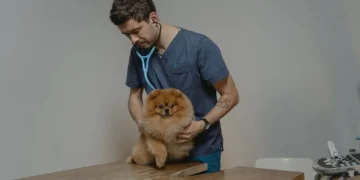










Quick take: Tumors that release excess hormones or other substances can cause a wide range of signs—from sudden thirst and urination to life‑threatening blood pressure spikes. Early detection, blood tests, and imaging let vets pinpoint the source, and treatment may involve surgery, medication, or both. Prompt veterinary care improves outcomes, and many dogs live comfortable lives with proper management.
It’s 11 p.m., and your usually‑bouncy 8‑year‑old mixed‑breed dog is lying on the couch, staring at the wall. She’s drinking water faster than you’ve ever seen her, and when you glance at her gums they look a little pink‑gray instead of the healthy bright red you’re used to. You’ve Googled “dog drinking a lot and pale gums” and the results flash terms like “paraneoplastic syndrome” and “tumor that makes hormones.” Your heart races, but you need a clear answer—what’s happening, and what can you do tonight?
We’ve seen many owners describe that exact moment: a sudden, unexplained change that feels like a medical emergency. The good news is that the underlying problem—abnormal secretions from a tumor—can often be identified with a few focused tests, and a range of treatments can control the hormone excess and the tumor itself. In this guide we’ll explain what these conditions are, why they occur, how to recognize them, when to call your vet, and what you can expect from diagnosis through treatment, diet, cost, and prevention.
Read on to learn the signs, the steps your vet will take, and the practical steps you can start at home. If you need a community perspective, our dog health forum is a supportive place to share experiences.
What is a condition due to abnormal secretions from a tumor in dogs?
These conditions, often called paraneoplastic endocrine syndromes, happen when a tumor (usually in an endocrine organ such as the adrenal gland, pancreas, or thyroid) releases hormones or hormone‑like substances in excess. The excess hormone overwhelms the body’s normal regulation, leading to a cascade of clinical signs that can affect virtually every organ system.
While any tumor can theoretically secrete substances, the most common hormone‑producing tumors in dogs are adrenal cortical tumors (causing Cushing’s disease or hyperaldosteronism), insulin‑producing pancreatic tumors (insulinoma), and pheochromocytomas (catecholamine‑secreting adrenal medulla tumors). These disorders are relatively uncommon compared to other cancers, but they are significant because the hormone excess often produces more urgent, life‑threatening signs than the tumor mass itself.
What causes it?
The root cause is the tumor’s uncontrolled growth and its ability to produce hormones. Several factors influence why a dog might develop such a tumor:
| Factor | Explanation |
|---|---|
| Genetic predisposition | Certain breeds—such as Poodles, Boxers, and German Shepherds—have higher rates of adrenal and pancreatic tumors, suggesting inherited susceptibility. |
| Age | Most hormone‑secreting tumors appear in middle‑aged to senior dogs (7 years and older). |
| Environmental influences | Long‑term exposure to carcinogens (e.g., certain pesticides) may increase cancer risk, though direct links to endocrine tumors are still being studied. |
| Previous endocrine disease | Dogs with chronic Cushing’s disease or hyperthyroidism sometimes develop neoplastic transformation of the same gland. |
Signs and symptoms
The clinical picture depends on which hormone is overproduced. Below is a quick guide to the most common hormone‑secreting tumors and their hallmark signs.
| Tumor type | Excess hormone | Typical signs (early → severe) |
|---|---|---|
| Adrenal cortical tumor | Cortisol (Cushing’s) or aldosterone (hyperaldosteronism) | Increased thirst & urination → thin skin, pot‑bellied abdomen → high blood pressure, electrolyte imbalance. |
| Insulinoma | Insulin | Weakness, intermittent seizures → frequent small meals, hypoglycemia episodes → collapse. |
| Pheochromocytoma | Catecholamines (epinephrine, norepinephrine) | Episodes of rapid heartbeat, trembling → high blood pressure, pale gums, possible collapse. |
| Parathyroid/thyroid tumor (rare) | Parathyroid hormone or thyroid hormones | Bone pain, kidney stones, weight loss (parathyroid) → rapid weight loss, heat intolerance (thyroid). |
Early signs are often subtle—slight changes in appetite, a few extra trips outside, or a new habit of licking paws. As the hormone excess grows, symptoms become more pronounced and may require emergency care.

When to call your vet
Call your vet today if you notice any of the following:
- Excessive drinking or urination that’s new for your dog.
- Unexplained weight loss or gain, especially with a pot‑bellied appearance.
- Weakness, disorientation, or occasional seizures.
- Sudden high heart rate, tremors, or pale gums.
Go to an emergency veterinary hospital right now if you see:
- Collapse, inability to stand, or severe seizures.
- Very rapid breathing with a racing heart (pulse > 140 bpm in a small dog, > 120 bpm in a large dog).
- Profuse vomiting or diarrhea with blood.
- Extreme agitation, unresponsiveness, or signs of shock.
These guidelines are for information only. Always consult a qualified veterinarian for a definitive diagnosis and personalized care.
How vets diagnose it
Diagnosis begins with a thorough history and physical exam, followed by targeted laboratory and imaging studies.
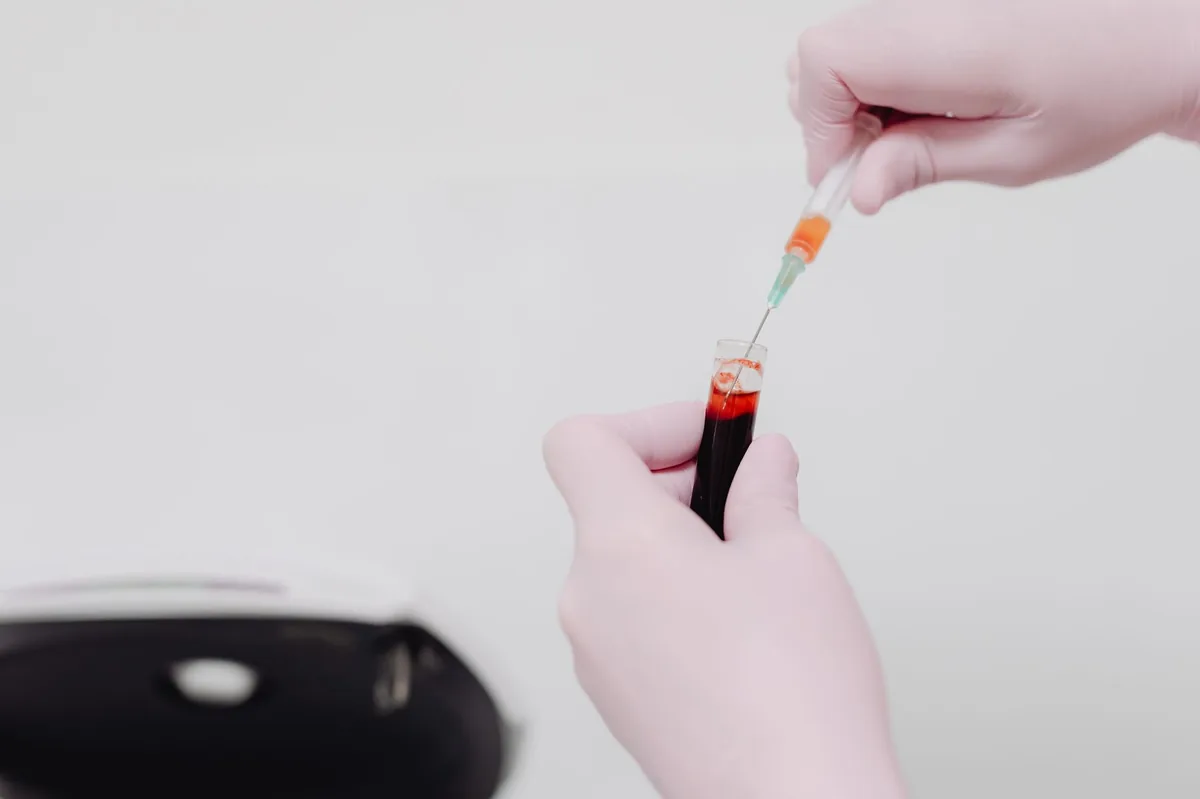
- Bloodwork: A complete blood count (CBC) and chemistry panel can reveal hypoglycemia (insulinoma), high cortisol (Cushing’s), or electrolyte shifts (hyperaldosteronism). Hormone‑specific assays—such as an ACTH stimulation test for cortisol or a catecholamine urine test for pheochromocytoma—pinpoint the excess.
- Urinalysis: Helps assess kidney function and can detect cortisol metabolites.
- Imaging: Abdominal ultrasound is the first‑line tool to visualize adrenal or pancreatic masses. CT or MRI provides detailed anatomy, especially for surgical planning.
- Fine‑needle aspiration (FNA) or biopsy: In some cases, a sample of the tumor is taken to confirm its type and whether it’s benign or malignant.
- Specialist referral: An internal medicine specialist or veterinary oncologist may be involved for complex cases.
Treatment options
Medical treatment
When surgery isn’t possible or as a bridge to surgery, medications control hormone excess and tumor growth.
- Adrenergic blockers (e.g., atenolol, prazosin) are used for pheochromocytoma to manage blood pressure and heart rate.
- Mitotane or trilostane can reduce cortisol production in adrenal tumors causing Cushing’s disease. Ask your vet about these options.
- Diazoxide helps control low blood sugar in insulinoma by inhibiting insulin release.
- ACE inhibitors (e.g., enalapril) or aldosterone antagonists (e.g., spironolactone) manage the effects of excess aldosterone.
All drug choices are individualized; your vet will dose based on your dog’s weight, blood levels, and overall health.
Supplements and supportive care
Adjunctive supplements can aid recovery and mitigate side effects, though they never replace proper medication.
- Omega‑3 fatty acids (EPA/DHA) have anti‑inflammatory properties that may help dogs with Cushing’s‑related skin issues.
- Probiotics support gut health, especially if the dog is on long‑term steroids.
- Potassium‑rich foods or supplements are useful for dogs with aldosterone‑driven loss of potassium.
- Always discuss any supplement with your vet to avoid interactions.
Procedures or surgery
When the tumor is localized and the dog is a good surgical candidate, removal offers the best chance for long‑term control.
- Adrenalectomy: Surgical removal of an adrenal tumor. Requires careful blood pressure monitoring; recovery can take 2–3 weeks. Cost in the US averages $4,000–$7,000, while in the UK it ranges £3,000–£5,500.
- Partial pancreatectomy: For insulinoma, removing part of the pancreas can reduce insulin output. Post‑op monitoring for low blood sugar is critical.
- Laser ablation or radiofrequency ablation: Emerging minimally invasive options for certain adrenal tumors, though availability varies.
Diet and nutrition
Nutrition plays a pivotal role in managing hormone‑secreting tumors. While diet won’t cure the tumor, it can lessen the impact of excess hormones, support recovery after surgery, and improve quality of life.
General principles differ based on the specific hormone involved. Below is a guide for the most common tumor‑related conditions.
| Condition | Dietary focus | Foods to favor | Foods to limit/avoid |
|---|---|---|---|
| Adrenal tumor – Cushing’s | Low‑fat, moderate‑protein, controlled calories | Lean chicken, turkey, white fish; low‑fat cottage cheese; pumpkin for digestive health | High‑fat treats, table scraps, excessive carbs (white rice, pasta) |
| Adrenal tumor – Hyperaldosteronism | High‑potassium, low‑sodium | Bananas, sweet potatoes, green beans, low‑sodium kibble | Processed foods, salty snacks, bone broth with added salt |
| Insulinoma | Frequent small meals, low‑glycemic carbs | Small portions of boiled chicken, cottage cheese, fiber‑rich veggies (zucchini, carrots) | High‑glycemic carbs (corn, wheat), sugary treats |
| Pheochromocytoma | Stable energy, low‑stress diet | Consistent protein sources, moderate fat, omega‑3 supplements | Excess caffeine‑like substances (rare in dog foods), large meals that cause spikes |
Meal frequency and timing are especially important for insulinoma. Feeding 4–6 small meals a day helps maintain stable blood glucose, and a bedtime snack can prevent nocturnal hypoglycemia. For Cushing’s disease, feeding twice daily with a measured portion reduces weight gain and helps control blood sugar.
Prescription therapeutic diets are formulated to address specific metabolic challenges. For Cushing’s, a veterinary renal‑support diet low in sodium and phosphorus can ease the kidney burden. For hyperaldosteronism, a “low‑sodium, high‑potassium” diet (often labeled “renal” or “cardiac”) may be recommended. Your vet can suggest a brand‑neutral formula that meets AAFCO nutrient profiles.
Hydration matters. Excess cortisol can cause polyuria (increased urination) and lead to dehydration. Fresh water should be available at all times, and adding a little low‑salt broth to the water bowl can encourage intake for dogs with reduced appetite.
Transitioning foods should be gradual—mix the new diet with the old in a 25/75, then 50/50, then 75/25 ratio over 7–10 days. This helps avoid gastrointestinal upset, which can be especially problematic for dogs already dealing with hormonal imbalances.
Finally, monitor body condition score (BCS) weekly. A sudden change in weight—up or down—can signal that the diet needs adjustment. Use a BCS chart (1–9 scale) and discuss any shifts with your vet during follow‑up visits.
Cost and prognosis
Financial considerations are a real part of caring for a dog with a hormone‑secreting tumor. Costs vary by region, diagnostic complexity, and treatment choice.
- Diagnostic workup: Blood panels ($150–$300), hormone assays ($100–$250 each), abdominal ultrasound ($300–$600), CT scan ($800–$1,200). Total initial diagnostic cost typically ranges $700–$2,200 in the US.
- Medical management: Monthly medication (e.g., trilostane, atenolol) can cost $30–$120. Add routine blood monitoring ($100–$200 each).
- Surgical intervention: Adrenalectomy or pancreatectomy averages $4,000–$7,000 in the US, £3,000–£5,500 in the UK, and AU$5,000–$8,500 in Australia. Hospital stay and post‑op care add $500–$1,000.
- Long‑term prognosis: Dogs with successfully removed adrenal tumors often enjoy 2–5 years of good quality of life. Insulinoma carries a guarded prognosis; median survival with surgery plus medical management is 6–12 months, but some dogs live longer with diligent care. Pheochromocytoma outcomes improve with surgery; many dogs live 1–3 years post‑op.
These figures are estimates; your vet can provide a detailed quote based on your dog’s specific needs. Use our cost calculator to explore budgeting options.
Prevention and home care
Because tumors arise from genetic and environmental factors, absolute prevention isn’t possible, but owners can take steps that may reduce risk and support overall health.
- Regular wellness exams: Annual check‑ups for dogs over 7 years allow early detection of hormone imbalances through routine blood work.
- Weight management: Maintaining a healthy body condition reduces chronic inflammation, a known cancer risk factor.
- Environmental safety: Limit exposure to known carcinogens (pesticides, tobacco smoke) and use pet‑safe cleaning products.
- Balanced diet: Feed high‑quality, AAFCO‑approved food and avoid excessive treats.
- Monitor for subtle changes: Keep a log of water intake, appetite, bowel movements, and activity level. Small shifts can be early clues.
- Follow‑up testing: After treatment, schedule rechecks every 3–6 months. Blood hormone levels and imaging help catch recurrence early.
From our vet team: “Owners often feel helpless when they first hear ‘tumor’—but remember that hormone‑secreting tumors are treatable in many cases. Early detection, consistent medication, and a tailored diet can keep your dog comfortable for years. If you ever feel unsure, a quick phone call to your vet can clarify the next step and prevent a crisis.”
Key takeaways
- Hormone‑secreting tumors cause a wide range of signs; early detection through blood work and imaging improves outcomes.
- Common types include adrenal cortical tumors (Cushing’s or hyperaldosteronism), insulinomas, and pheochromocytomas.
- Medical management, surgery, or a combination can control hormone excess; your vet will tailor treatment to your dog’s age, health, and tumor location.
- Nutrition should match the specific hormone imbalance—low‑fat for Cushing’s, high‑potassium for hyperaldosteronism, frequent low‑glycemic meals for insulinoma.
- Regular monitoring, weight control, and minimizing toxin exposure are practical prevention steps.
- If you notice rapid changes in thirst, urination, appetite, or behavior, contact your vet today; severe signs warrant immediate emergency care.
Myth vs. fact
Myth: All tumors are fatal and cannot be managed.
Fact: Many hormone‑secreting tumors are treatable with medication, surgery, or both, and dogs can live comfortable, active lives for years after diagnosis.
Myth: Only “big” dogs get endocrine tumors.
Fact: While certain breeds have higher risk, any dog—small or large—can develop a hormone‑producing tumor, especially as they age.
Myth: Diet has no impact on these conditions.
Fact: Tailored nutrition helps control hormone effects, supports recovery, and can reduce complications such as hypertension or hypoglycemia.
Frequently asked questions
What is the typical cost of diagnosing a hormone‑secreting tumor?
Initial diagnostics (blood panels, hormone assays, and abdominal ultrasound) usually range from $700 to $2,200 in the United States, with additional imaging like CT adding $800–$1,200 if needed.
Are these tumors contagious to other pets?
No, tumors are not infectious. They arise from a dog’s own cells and cannot be transmitted to other animals or humans.
How long will my dog need medication after surgery?
Many dogs require lifelong medication to keep hormone levels stable, especially after adrenal tumor removal. Your vet will schedule regular blood tests to adjust dosages as needed.
Can a raw diet help with these conditions?
Raw diets are not a proven treatment for hormone‑secreting tumors. However, a balanced, high‑quality diet that meets AAFCO standards can support overall health. Always discuss any diet change with your vet.
What is the prognosis for a dog with an insulinoma?
Insulinoma carries a guarded prognosis; median survival is 6–12 months with surgery and medical management, but some dogs live longer with diligent monitoring and diet control.
Is there a way to prevent these tumors?
Absolute prevention isn’t possible, but maintaining a healthy weight, minimizing exposure to environmental toxins, and keeping up with annual wellness exams can reduce overall cancer risk.
Ask the PuppaDogs community
Have a question this article didn’t fully answer? Want to compare notes with other dog owners who’ve been through this? Our community forum is moderated by experienced owners and vets — and answers tend to come fast. Ask in the PuppaDogs community →
References
- American Animal Hospital Association (AAHA). “AAHA 2023 Guidelines for Diagnosis and Management of Endocrine Tumors in Dogs.”
- American Veterinary Medical Association (AVMA). “Paraneoplastic Syndromes in Companion Animals.”
- Merck Veterinary Manual. “Adrenal Gland Tumors” and “Insulinoma” chapters.
- World Small Animal Veterinary Association (WSAVA). “Guidelines on Hormonal Disorders in Dogs.”
- Veterinary Oncology Society. “Management of Canine Pheochromocytoma.”
- University of California, Davis Veterinary Medicine. “Nutrition for Dogs with Cushing’s Disease.”
- American College of Veterinary Internal Medicine (ACVIM). “Consensus Statement on the Diagnosis and Treatment of Canine Hyperaldosteronism.”
- Royal Veterinary College (UK). “Cost Estimates for Veterinary Surgical Procedures.”


