













Quick take: Collapse of the wind pipe (laryngeal collapse) is a progressive airway disorder that most often affects small, older dogs. It can cause noisy breathing, coughing, and episodic difficulty catching air, but early signs are often subtle. Prompt veterinary evaluation, medical management, and weight‑control diet can keep most dogs comfortable for years.
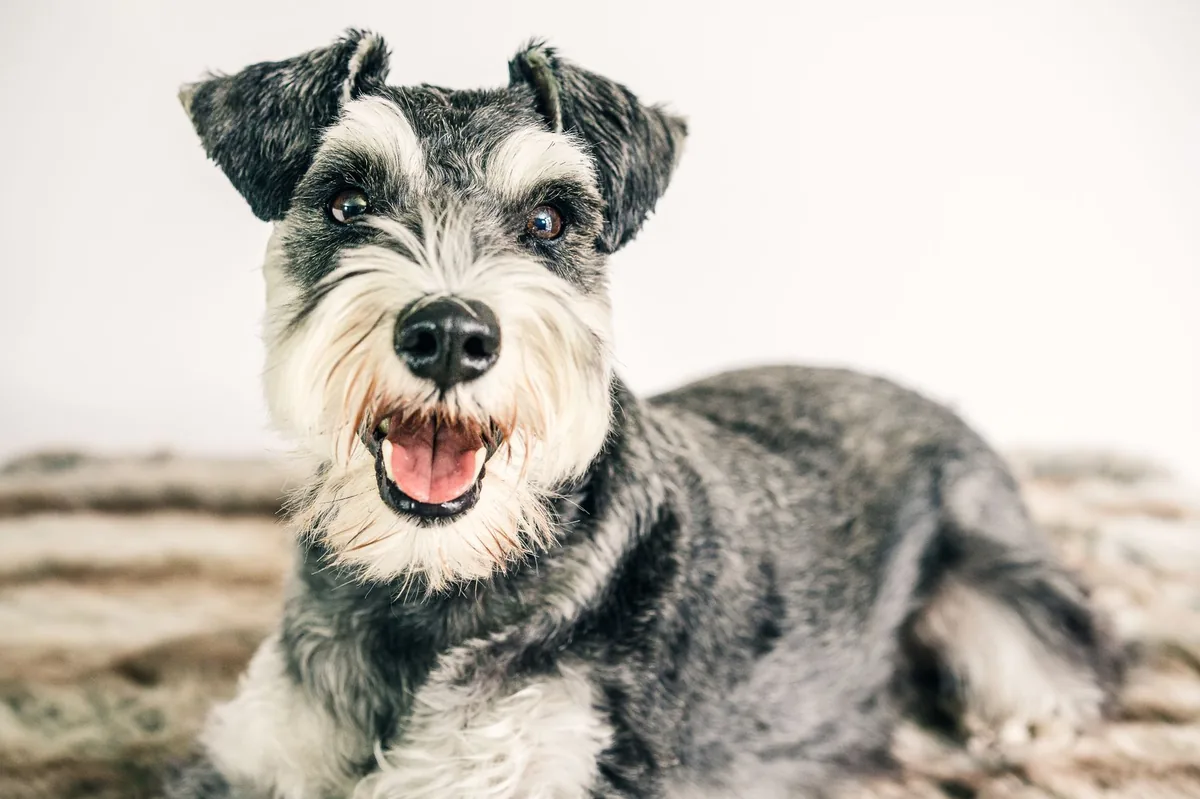
It’s 11 p.m., the house is quiet, and you notice your 7‑year‑old Miniature Schnauzer, Daisy, suddenly pausing mid‑step, her neck stretched, and a harsh, high‑pitched “hon‑k” echoing from her throat. You’re heart‑racing, wondering if this is a heart attack, an allergic reaction, or something else. You scroll through search results, and the phrase “collapse of the wind pipe in dogs” jumps out. The worry spikes, but you also need a clear answer—how serious is this, and what can you do tonight?
We’ve been there with many of our readers. One owner described a similar episode: her senior Pomeranian started coughing after a brisk walk, then seemed short‑of‑breath on the stairs. The vet diagnosed laryngeal collapse, and with a few adjustments to diet and medication, the dog’s quality of life improved dramatically. You’re not alone, and the good news is that most dogs with this condition can be managed with a combination of medical care, weight control, and lifestyle tweaks.
In this article we’ll explain exactly what collapse of the wind pipe in dogs is, why it happens, what signs to watch for, when to call a vet, how it’s diagnosed, treatment options, diet recommendations, costs, and prevention tips. We’ll also give you a quick‑action checklist so you can feel confident about the next steps.
What is collapse of the wind pipe in dogs?
Collapse of the wind pipe, more formally called laryngeal collapse, is a weakening and eventual flattening of the cartilaginous rings that keep the larynx (the “wind pipe”) open during breathing. In a healthy dog, these rings act like sturdy scaffolding, allowing air to flow freely while protecting the airway during swallowing. When the cartilage loses its rigidity—often because of chronic inflammation, repeated trauma, or age‑related degeneration—the larynx can partially or fully collapse during inspiration.
The condition is most common in small‑breed dogs under ten years old, especially Chihuahuas, Pomeranians, and Miniature Schnauzers. According to the American College of Veterinary Internal Medicine (ACVIM), laryngeal collapse accounts for roughly 5–10 % of chronic respiratory complaints in these breeds. While not every dog with a “soft” wind pipe will develop symptoms, the progressive nature means early detection can prevent severe breathing distress.
What causes it?
Collapse of the wind pipe is usually multifactorial. The main contributors fall into three categories:
| Category | Key Factors |
|---|---|
| Age‑related degeneration | Loss of cartilage elasticity; common after 7 years in small breeds. |
| Chronic airway irritation | Persistent coughing from tracheal collapse, bronchitis, or allergies that repeatedly stress the larynx. |
| Obesity & conformation | Excess neck fat compresses the airway; brachycephalic (short‑snouted) breeds may have additional structural strain. |
Other risk factors include long‑term exposure to smoke or pollutants, recurrent upper‑respiratory infections, and certain congenital cartilage disorders. While genetics play a role, most vets agree that lifestyle and weight management are the most modifiable risk factors.
Signs and symptoms
Because the wind pipe collapses mainly during inhalation, the hallmark sign is a characteristic “hon‑k” or “stridor” sound that intensifies when the dog is excited, stressed, or exercising. Early signs can be subtle, but they usually follow this progression:
| Severity | Typical Signs |
|---|---|
| Mild | Occasional cough after play; soft honk when panting; slight gagging after drinking. |
| Moderate | Frequent coughing fits; louder stridor at rest; reluctance to climb stairs or run. |
| Severe | Labored breathing, especially after exertion; cyanotic gums; collapse or fainting episodes. |
Other red‑flag signs include gagging or vomiting after eating, a sudden drop in activity level, and a noticeable change in voice. Many owners first notice a change in the dog’s appetite because the effort of swallowing becomes uncomfortable.
When to call your vet
Call your vet today if you notice:
- Any new cough, gagging, or honk that lasts more than a few days.
- Weight gain or difficulty eating that seems unrelated to diet.
- Reduced activity, especially reluctance to climb stairs or go for walks.
Go to an emergency veterinary hospital right now if you see:
- Labored breathing, rapid panting, or the wind pipe appears to close completely (no air movement).
- Blue‑tinged gums or tongue (cyanosis).
- Sudden collapse, fainting, or seizures.
Our article is for information only and does not replace a hands‑on exam. If you’re ever unsure, err on the side of caution and contact a professional.
How vets diagnose it
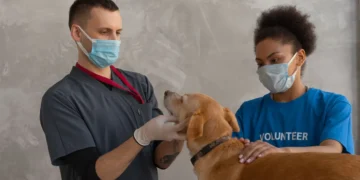
Diagnosing laryngeal collapse starts with a thorough history and physical exam. Your vet will listen carefully to the airway with a stethoscope, noting any stridor or abnormal sounds. The next steps often include:
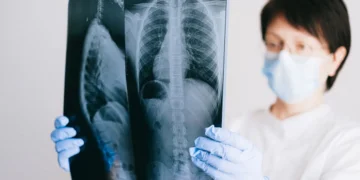
- Radiographs (X‑rays): Provide a view of the trachea and surrounding structures; may reveal concurrent tracheal collapse.
- Endoscopy: A flexible scope is gently passed through the mouth to directly visualize the laryngeal cartilage. This is the gold‑standard for confirming collapse and grading its severity.
- Bronchoscopy or CT scan: In complex cases, advanced imaging helps rule out tumors or severe airway malformations.
- Blood work: Checks for underlying infections, anemia, or metabolic issues that could exacerbate breathing problems.
These tests together give the veterinarian a clear picture of how much of the airway is compromised and whether other respiratory conditions are present.
Treatment options
Medical treatment
Most dogs with mild to moderate collapse respond well to conservative medical management. Common drug classes include:
- Anti‑inflammatories: Steroids such as prednisone can reduce swelling around the larynx. Your vet will tailor the dose to your dog’s weight and severity.
- Cough suppressants: Medications like hydrocodone or butorphanol help break the cough cycle that irritates the airway.
- Bronchodilators: Theophylline or terbutaline may ease any concurrent bronchial constriction.
- Antibiotics: If a bacterial infection is suspected, a short course of amoxicillin‑clavulanate is typical.
Ask your vet about each option, especially if your dog is already on other medications, to avoid interactions.
Supplements and supportive care
Evidence supports a few adjuncts that can improve airway health:
- Omega‑3 fatty acids (EPA/DHA): Found in fish oil, they have anti‑inflammatory properties that may lessen airway swelling.
- Probiotics: A healthy gut can modulate overall inflammation; a daily canine‑specific probiotic is safe for most dogs.
- Vitamin A & E: Antioxidant vitamins can support mucosal health, especially in dogs with chronic cough.
Supplements should complement, not replace, prescription meds. Always discuss the brand and dosage with your vet.
Procedures or surgery
When collapse is severe (grade III‑IV) or medical therapy fails, surgical intervention may be recommended. The most common procedure is a laryngeal tie‑back (also called arytenoid lateralization), where the affected cartilage is permanently sutured open to keep the airway from collapsing.
Recovery from tie‑back surgery typically involves 10–14 days of restricted activity, a soft diet, and close monitoring for aspiration pneumonia. The cost in the United States averages $3,000–$5,500, while the United Kingdom sees £2,200–£4,000. Hospitalization, anesthesia, and postoperative medications all contribute to the final bill.
Diet and nutrition
Weight management is the cornerstone of managing collapse of the wind pipe. Excess neck and chest fat can compress the airway, making every breath harder. A diet that promotes gradual, steady weight loss (if your dog is overweight) while preserving lean muscle mass is ideal.
What to feed:
- High‑protein, low‑fat kibble: Look for formulas with at least 30 % protein on a dry‑matter basis and less than 12 % fat. This supports muscle while limiting excess calories.
- Limited‑ingredient recipes: For dogs with concurrent allergies, a limited‑ingredient diet reduces the risk of airway‑irritating inflammation.
- Wet food or mixed meals: Adding a bit of canned food or a homemade broth can make swallowing easier for dogs that gag on dry kibble.
- Omega‑3 enriched diets: Some commercial senior formulas already contain fish oil, which adds anti‑inflammatory benefits.
What to limit or avoid:
| Do feed | Limit | Avoid |
|---|---|---|
| Lean boiled chicken, turkey, or rabbit (no skin) | Table scraps, especially fatty meats | High‑fat treats, cheese, bacon |
| Cooked sweet potatoes or pumpkin for fiber | Grains in large amounts (if your dog is grain‑sensitive) | Heavy bones or rawhides that could obstruct the airway |
Feeding smaller, more frequent meals (3–4 times daily) can reduce the workload on the throat during each swallow. If your dog is prone to gagging, a shallow bowl placed low on the floor encourages a relaxed neck posture while eating.
Transitioning to a new diet should be done gradually over 7–10 days. Mix a small portion of the new food with the current diet, increasing the ratio each day. This helps avoid gastrointestinal upset, which can worsen coughing.
For dogs on prescription therapeutic diets—such as renal or cardiac formulas—consult your vet before switching, as those foods already have specific nutrient balances.
Hydration is also key. Encourage fresh water throughout the day, and consider adding a splash of low‑sodium broth to the bowl to entice drinking. Dehydration can thicken mucus and increase airway irritation.
Finally, monitor your dog’s weight weekly. A simple home scale or a vet’s weigh‑in every 4–6 weeks will let you track progress. If you need a calorie calculator, our dog calorie calculator can help you set a target based on breed, age, and activity level.
Cost and prognosis
Financial considerations are a real part of managing any chronic condition. Here’s a rough breakdown of what owners in the United States and United Kingdom might expect:
| Item | US Estimate | UK Estimate |
|---|---|---|
| Initial exam + blood work | $150–$250 | £120–£200 |
| Radiographs | $100–$200 | £80–£150 |
| Endoscopic evaluation | $300–$500 | £250–£400 |
| Medical management (steroids, cough suppressants, 3‑month supply) | $80–$200 | £70–£150 |
| Laryngeal tie‑back surgery | $3,000–$5,500 | £2,200–£4,000 |
Prognosis varies with severity. Dogs with mild (grade I‑II) collapse often live normal, active lives with weight control and medication. Moderate cases respond well to surgery, though there is a 5–10 % risk of aspiration pneumonia post‑op. Severe, untreated collapse can lead to chronic respiratory distress and reduced lifespan.
Our cost estimator can give you a personalized breakdown based on your location and insurance coverage.
Prevention and home care
While some cartilage degeneration is inevitable with age, many owners can delay or lessen collapse by adopting a few simple habits:
- Maintain a healthy weight: Aim for a body condition score of 4–5 / 9. Regular walks and portion control are key.
- Avoid airway irritants: Keep your home smoke‑free, limit exposure to strong perfumes, and use low‑dust bedding.
- Manage chronic coughs: Treat underlying tracheal collapse, allergies, or heart disease promptly; a lingering cough can accelerate laryngeal strain.
- Regular veterinary check‑ups: Annual exams (or semi‑annual for senior dogs) let the vet catch early respiratory changes before they become severe.
- Monitor activity: Gradual warm‑up before vigorous play, and avoid over‑exertion in hot weather, reduces stress on the airway.
For owners of multi‑dog households, ensure each dog has its own feeding area to prevent competition and rapid eating, which can increase throat strain.
From our vet team: Early detection is the most powerful tool we have. If you notice any change in your dog’s breathing, even a faint “hon‑k,” schedule a check‑up within a week. Simple weight loss and a low‑stress environment can keep many dogs comfortable for years without surgery.
Key takeaways
- Collapse of the wind pipe is a progressive airway disorder most common in small, older dogs.
- Early signs include a honk‑like sound, coughing after exercise, and reluctance to eat.
- Weight control, anti‑inflammatory meds, and cough suppressants manage most mild‑to‑moderate cases.
- Surgical tie‑back is effective for severe collapse but carries higher cost and post‑op monitoring needs.
- Feed a high‑protein, low‑fat diet, split into multiple small meals, and add omega‑3 supplements if approved.
- Call your vet immediately for labored breathing, blue gums, or sudden collapse; otherwise, schedule a visit within a few days.
Myth vs. fact
Myth: Only brachycephalic (flat‑snouted) breeds get wind‑pipe collapse.
Fact: While brachycephalic dogs have airway challenges, the condition most often affects small, non‑brachycephalic breeds like Chihuahuas and Miniature Schnauzers.
Myth: Surgery is the only cure.
Fact: Many dogs respond well to medical management, weight loss, and lifestyle changes; surgery is reserved for severe cases.
Myth: A “hon‑k” sound is harmless and will go away on its own.
Fact: Persistent stridor signals airway compromise; early veterinary evaluation can prevent progression to life‑threatening breathing difficulty.
Frequently asked questions
How much does treatment usually cost?
Initial diagnostics (exam, blood work, X‑rays) run $300‑$750 in the US, while medication for three months adds $80‑$200. Surgery, when needed, can cost $3,000‑$5,500.
Is laryngeal collapse contagious?
No. The condition is not infectious; it results from structural changes in the airway, not a virus or bacteria that spreads between dogs.
Can my dog recover fully after surgery?
Many dogs experience a dramatic improvement in breathing and quality of life after a tie‑back procedure, though a small percentage develop aspiration pneumonia. Long‑term success rates are reported at 80‑90 % when post‑op care is followed.
How long does recovery take?
After surgery, restrict activity for 10‑14 days, feed soft food, and monitor for coughing. Full recovery to normal activity usually occurs within 4‑6 weeks.
What can I do at home to ease my dog’s breathing?
Keep the environment cool, use a humidifier, maintain a healthy weight, and avoid exposure to smoke or strong odors. Small, frequent meals and omega‑3 supplements (with vet approval) can also reduce airway inflammation.
Will my dog need lifelong medication?
Most dogs with mild to moderate collapse stay on low‑dose anti‑inflammatories or cough suppressants long‑term. Your vet will tailor the plan based on severity and response.
Ask the PuppaDogs community
Have a question this article didn’t fully answer? Want to compare notes with other dog owners who’ve been through this? Our community forum is moderated by experienced owners and vets — and answers tend to come fast. Ask in the PuppaDogs community →
References
- American College of Veterinary Internal Medicine (ACVIM). “Laryngeal Collapse in Small Breed Dogs.” 2022 clinical guidelines.
- American Animal Hospital Association (AAHA). “Weight Management and Respiratory Health.” 2023 position statement.
- Merck Veterinary Manual. “Laryngeal Disease.” Chapter on airway disorders, 2021 edition.
- World Small Animal Veterinary Association (WSAVA). “Guidelines for Use of Anti‑Inflammatory Drugs in Dogs.” 2022.
- Cornell University College of Veterinary Medicine. “Small Breed Respiratory Disorders.” Online resource, updated 2023.
- Veterinary Therapeutics. “Omega‑3 Fatty Acids in Canine Inflammatory Airway Disease.” Peer‑reviewed article, 2021.
- American Veterinary Medical Association (AVMA). “Understanding Stridor and Airway Noise in Dogs.” Owner education pamphlet, 2022.
- UK Veterinary Association. “Cost of Veterinary Procedures – 2023 Survey.”


