












Quick take: Chylothorax is a buildup of milky‑white fluid (chyle) in the chest cavity that can compress the lungs and heart. It often stems from heart disease, tumors, or idiopathic (unknown) causes, and while it can be life‑threatening, many dogs improve with diet changes, drainage, and sometimes surgery.
It’s 11 p.m., and your usually‑playful Boxer is lying on the couch, breathing a little faster than normal. You notice his belly looks slightly swollen, and when you press gently on his chest, a soft “squishy” feeling appears under the skin. A quick Google search later, and the term “chylothorax” pops up, sounding scarier than any cough or cold you’ve dealt with before.
First, take a breath. You’re not alone—many owners discover this condition when a routine vet visit uncovers fluid in the chest. The good news is that with prompt veterinary care, diet adjustments, and possibly surgery, dogs can regain a comfortable quality of life. In this guide we’ll explain what chylothorax is, why it happens, how to spot it, what tests your vet will run, treatment options (including costs), and steps you can take at home to support recovery.
We’ll also cover breed predispositions, diet recommendations, and practical tips for navigating the financial side of care. By the end you’ll know exactly what questions to ask your vet and how to keep your dog as comfortable as possible during treatment.
What is chylothorax in dogs?
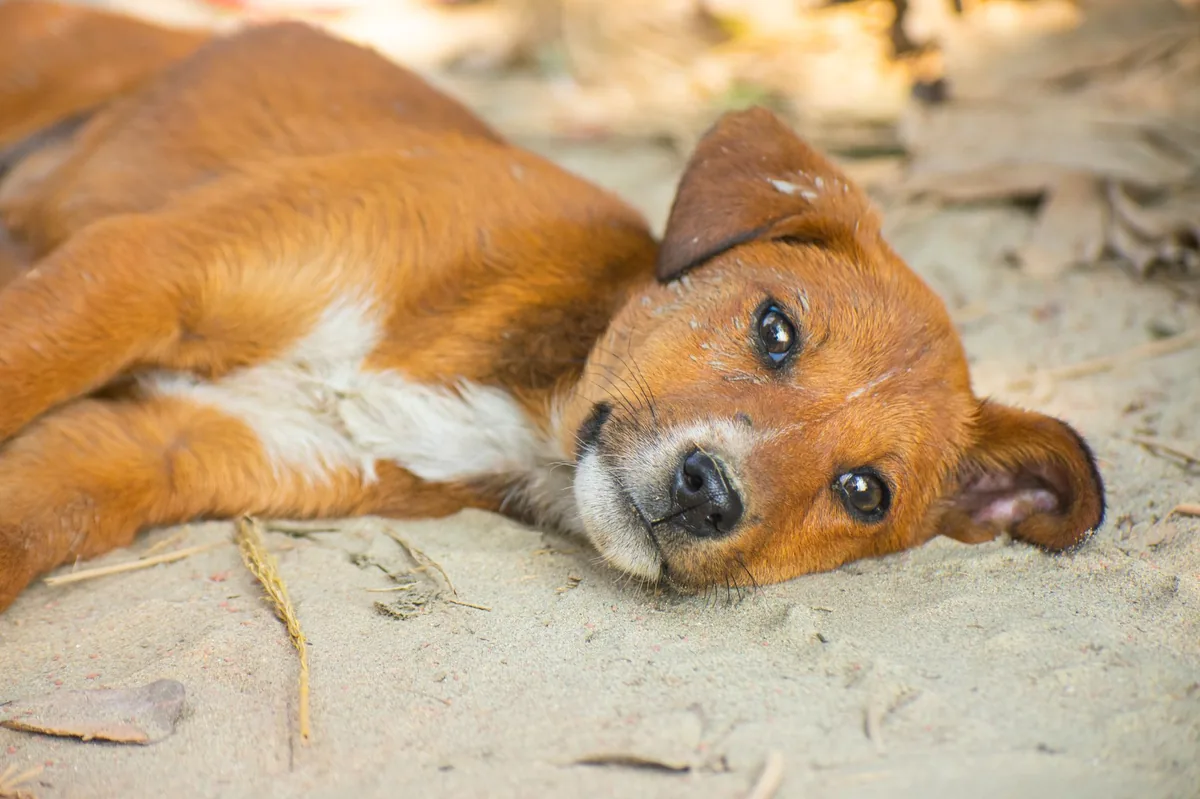
Chylothorax is the accumulation of chyle—a milky fluid rich in fat, lymph, and immune cells—in the pleural space, the thin cavity between the lungs and chest wall. Normally, chyle travels through the thoracic duct and empties into the bloodstream near the heart. When that pathway is disrupted, the fluid leaks into the chest, compressing the lungs and making it harder for the dog to breathe.
In dogs, chylothorax is relatively uncommon but not rare. Estimates from the American College of Veterinary Internal Medicine (ACVIM) suggest it accounts for 5‑10 % of all pleural effusions seen in referral hospitals. It can affect dogs of any age, but middle‑aged to senior dogs (6‑10 years) are most frequently diagnosed.
What causes chylothorax?
Chylothorax can be primary (idiopathic) or secondary to another disease. The main categories are:
| Cause type | Typical underlying conditions |
|---|---|
| Idiopathic (primary) | Unknown; suspected congenital or genetic weakness of the thoracic duct. |
| Cardiac disease | Congenital heart defects, acquired heart failure, or pericardial disease that raises thoracic pressure. |
| Neoplasia | Thoracic tumors (e.g., hemangiosarcoma, lymphoma) that compress or invade the thoracic duct. |
| Trauma or surgery | Chest injury or thoracic surgery that damages the duct. |
| Other systemic disease | Severe heartworm disease, chronic inflammatory conditions, or severe hypo‑albuminemia. |
Breeds that appear over‑represented include the Boxer, Cavalier King Charles Spaniel, and the West Highland White Terrier. While genetics may play a role, any dog can develop chylothorax if an underlying trigger disrupts the thoracic duct.
Signs and symptoms
Early signs are often subtle and can be mistaken for a simple respiratory infection:
- Gentle “gurgling” or “squishy” sensation when pressing on the chest.
- Decreased stamina on walks or play.
- Soft, rapid breathing (tachypnea) without obvious cough.
As fluid builds, more serious signs appear:
| Severity | Signs |
|---|---|
| Mild | Occasional cough, slight reluctance to jump, mild abdominal distension. |
| Moderate | Visible chest swelling, labored breathing at rest, reduced appetite, weight loss. |
| Severe | Marked respiratory distress, cyanotic gums, collapse, inability to lie comfortably. |
Because the fluid is high in fat, owners may notice a milky‑white discharge if the fluid leaks into the abdomen (chylous ascites) or a “creamy” appearance when the dog coughs.
When to call your vet
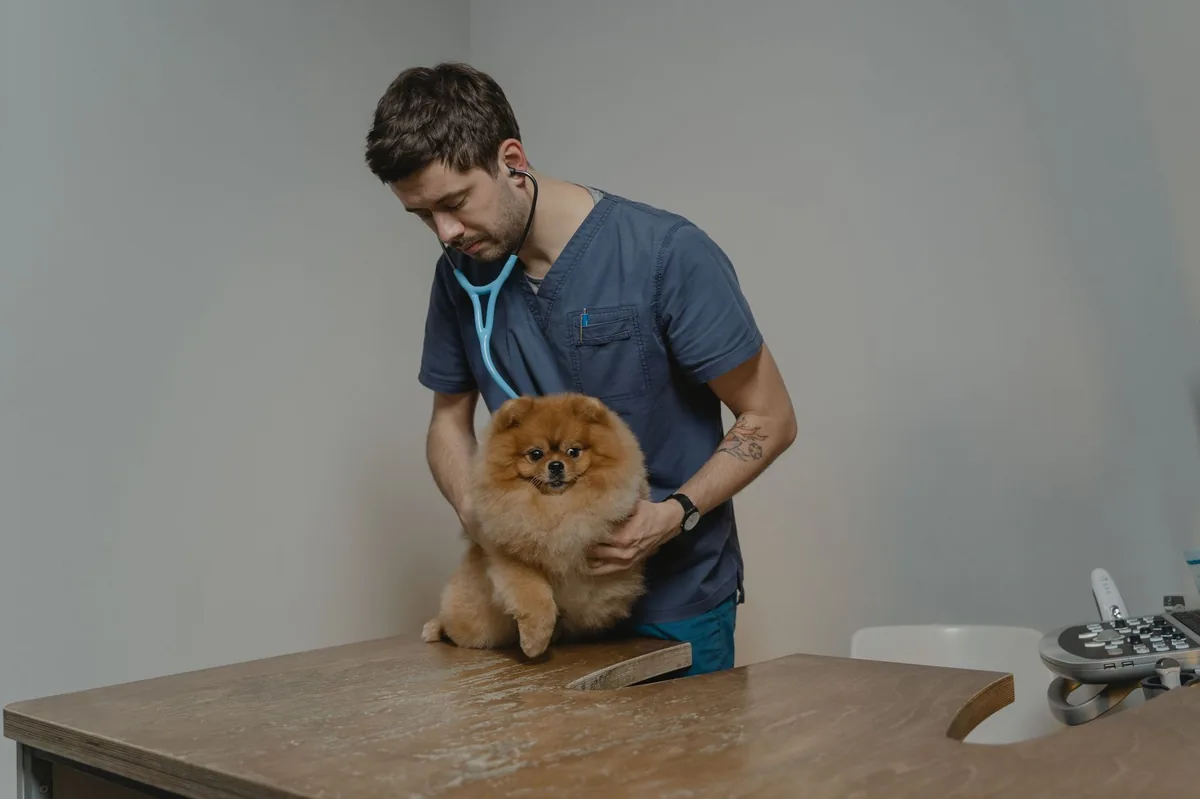
Call your vet today if you notice any of the mild‑to‑moderate signs above—especially a new chest “squish,” persistent cough, or reduced activity. Early drainage can prevent the fluid from compressing the lungs.
Go to an emergency veterinary hospital right now if your dog shows severe breathing difficulty, blue‑tinged gums, collapses, or is unable to lie comfortably. These are red‑flag signs that the chest cavity is pressing on the lungs and heart.
Remember, this article is for information only. It does not replace a hands‑on examination by a qualified veterinarian.
How vets diagnose chylothorax
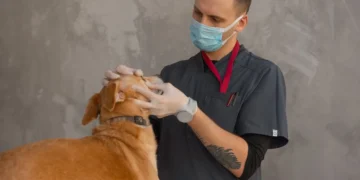
The diagnostic work‑up starts with a thorough history and physical exam. Your vet will likely perform the following:
- Thoracic radiographs (X‑rays): Show a fluid‑filled chest cavity and may reveal an underlying mass.
- Ultrasound: Helps differentiate chyle from other fluids (e.g., blood, pus) and assesses the thoracic duct.
- Thoracocentesis: The vet taps the chest to withdraw fluid. The milky appearance, high triglyceride levels, and low cholesterol confirm chyle.
- Blood work: CBC and chemistry panels check for anemia, protein loss, and underlying disease such as heartworm.
- CT or MRI (advanced imaging): May be recommended if a tumor is suspected or to map the thoracic duct before surgery.
All of these tests are guided by the American Animal Hospital Association (AAHA) standards for evaluating pleural effusion.
Treatment options
Medical treatment
Medical management aims to reduce fluid production and keep the dog comfortable while a definitive plan is made.
- Low‑fat diet: The cornerstone of medical therapy; limiting dietary fat reduces chyle flow.
- Diuretics (e.g., furosemide): May be used to remove excess fluid, though they don’t stop chyle production.
- Immunosuppressants (e.g., prednisone): Occasionally prescribed if an inflammatory or immune component is suspected.
- Thoracocentesis: Periodic drainage of the chest to relieve breathing difficulty; your vet will advise how often this is needed.
Ask your vet about these options, and remember dosing will be customized to your dog’s weight and severity.
Supplements and supportive care
Evidence supports a few adjuncts that can help manage inflammation and support lymphatic health:
- Omega‑3 fatty acids (EPA/DHA): Found in fish oil, they may modestly reduce chyle production and improve coat health. Use a veterinary‑grade supplement and discuss the appropriate amount with your vet.
- Medium‑chain triglyceride (MCT) oil: Unlike long‑chain fats, MCTs are absorbed directly into the portal system, bypassing the thoracic duct. Small amounts can be added to a low‑fat diet under veterinary guidance.
- Probiotics: Help maintain gut health during dietary changes, especially if a prescription diet is introduced.
Procedures or surgery
When medical management fails or the fluid re‑accumulates quickly, surgical options are considered:
- Thoracic duct ligation (TDL): The most common definitive surgery. The thoracic duct is tied off, stopping chyle leakage. Recovery typically 2‑4 weeks; the procedure costs $7,000‑$12,000 USD (or £5,000‑£9,000 GBP) in the US/UK.
- Pericardial window (pericardiectomy): Creates a drainage opening in the pericardial sac, allowing fluid to escape into the abdomen where it can be reabsorbed. Often combined with TDL.
- Pleurodesis: Chemical or mechanical irritation of the pleural lining to cause scar tissue that seals the space. Used when surgery isn’t feasible.
Insurance plans that cover “surgical procedures” often apply, but pre‑authorization and deductible details vary. Checking with your provider early can reduce surprise bills.
Diet and nutrition
Because chyle is a fat‑laden lymph, the most effective dietary strategy is to minimize dietary fat while maintaining adequate calories and protein for your dog’s size and activity level.
Here’s a practical feeding plan:
- Low‑fat kibble: Choose a commercial diet formulated for “low‑fat” or “renal” needs, typically <2 % fat on a dry matter basis. Brands often label the fat percentage on the bag.
- Home‑cooked meals: Boiled skinless chicken breast, lean turkey, or white fish combined with white rice or sweet potato provides protein without excess fat. Avoid adding oil, butter, or fatty treats.
- Prescription therapeutic diets: Some veterinary diets (e.g., Hill’s Prescription Diet k/d, Royal Canin Renal) are low‑fat and highly digestible, making them suitable for many chylothorax patients.
- Feeding frequency: Offer 3–4 small meals per day rather than one large meal. Smaller, more frequent meals keep the lymphatic system from being overloaded.
- Transition tips: Mix 25 % new low‑fat food with 75 % current diet for 2 days, then 50/50 for another 2 days, and finally 100 % low‑fat. Monitor stool quality and weight.
| Food category | Do feed | Limit | Avoid |
|---|---|---|---|
| Protein sources | Skinless chicken, turkey, white fish, lean beef | Egg whites | Fatty cuts, bacon, sausage |
| Carbohydrates | White rice, potatoes, pumpkin | Whole grains (in large amounts) | High‑fat cereals |
| Fats & oils | Very small amounts of MCT oil (vet‑approved) | Fish oil (excess) | Any added oil, butter, cheese |
| Treats | Low‑fat commercial treats (≤2 % fat) | Chewy jerky | Peanut butter, cheese sticks |
If your dog is a senior or has concurrent kidney or heart disease, the diet may need to be adjusted further. Our dog weight and calorie calculators can help you estimate the right daily intake.
Cost and prognosis
Financial considerations are a major part of decision‑making. Rough cost estimates (US/UK) are:
- Diagnostic work‑up: $500‑$1,200 USD (£350‑£850) for X‑rays, ultrasound, labs, and thoracocentesis.
- Medical management: $100‑$300 USD per month for low‑fat diet, supplements, and occasional drainage.
- Surgical intervention: $7,000‑$12,000 USD (£5,000‑£9,000) for thoracic duct ligation, plus anesthesia and post‑op care.
- Hospitalization: $1,500‑$3,000 USD for ICU monitoring if severe respiratory distress occurs.
Prognosis varies. Dogs that respond to low‑fat diet and periodic drainage can live months to years with a good quality of life. Surgical candidates have a reported 70‑85 % survival rate at one year, according to ACVIM data. Factors that worsen outlook include underlying heart disease, neoplasia, or late presentation after severe respiratory compromise.
Prevention and home care
While you can’t always prevent a primary chylothorax, you can reduce risk and catch recurrence early:
- Maintain a low‑fat diet even after resolution to keep chyle production low.
- Monitor weight and body condition; sudden weight gain may signal fluid accumulation.
- Check your dog’s chest weekly for a “squishy” feel, especially after vigorous exercise.
- Schedule regular re‑checks with your vet (every 3‑6 months) to assess thoracic fluid via ultrasound.
- If your dog has heart disease, follow the heart health guidelines and keep cardiac medications up to date.
Early detection of fluid re‑accumulation can prevent emergency situations and keep treatment costs manageable.
From our vet team: “If your dog’s breathing feels tighter than usual, don’t wait for the next appointment—call the clinic right away. Even a brief thoracocentesis can buy time while we plan the best long‑term strategy.”
Key takeaways
- Chylothorax is a buildup of fatty lymph fluid in the chest that can compress lungs and heart.
- Low‑fat diet, regular monitoring, and timely fluid drainage are the first line of treatment.
- Surgical ligation of the thoracic duct offers the highest chance of long‑term control but carries higher cost.
- Breeds like Boxers, Cavaliers, and West Highland White Terriers are at higher risk, but any dog can develop it.
- Watch for severe breathing difficulty or blue gums—those are emergency signs that require immediate veterinary care.
Myth vs. fact
Myth: Chylothorax is always caused by heartworm.
Fact: While heartworm disease can lead to chylothorax, most cases are linked to other heart problems, tumors, or are idiopathic.
Myth: A low‑fat diet will cure chylothorax on its own.
Fact: Diet helps reduce fluid production but many dogs need additional medical or surgical interventions to fully resolve the condition.
Myth: Surgery is the only option.
Fact: Many dogs are managed successfully with diet, medication, and periodic drainage; surgery is reserved for refractory cases.
Frequently asked questions
What causes chylothorax in dogs?
Chylothorax can arise from idiopathic thoracic duct weakness, heart disease, thoracic tumors, trauma, or severe heartworm infection. The underlying issue disrupts the normal flow of chyle, causing it to leak into the chest cavity.
How can I tell if my dog has chylothorax?
The quickest clue is a milky‑white fluid that can be felt as a “squishy” area on the chest. Diagnosis is confirmed by thoracocentesis (fluid tap) showing high triglycerides and low cholesterol, plus imaging to rule out other causes.
Is surgery always required for chylothorax?
No. Many dogs improve with a strict low‑fat diet, medications, and periodic drainage. Surgery, such as thoracic duct ligation, is considered when fluid re‑accumulates quickly or medical therapy fails.
What is the typical recovery time after chylothorax treatment?
Recovery varies: medical management may take weeks to months for fluid control, while surgical patients usually need 2‑4 weeks of restricted activity and follow‑up imaging before returning to normal exercise.
Can diet alone control chylothorax in dogs?
Diet is essential and can dramatically reduce chyle production, but most dogs still need additional treatments like thoracocentesis or medication. In some cases, diet combined with surgery offers the best outcome.
Which dog breeds are most at risk for chylothorax?
Boxers, Cavalier King Charles Spaniels, West Highland White Terriers, and certain terrier breeds show a higher incidence. However, any breed can develop chylothorax, especially if they have heart disease or thoracic tumors.
Ask the PuppaDogs community
Have a question this article didn’t fully answer? Want to compare notes with other dog owners who’ve been through this? Our community forum is moderated by experienced owners and vets — and answers tend to come fast. Ask in the PuppaDogs community →
References
- American College of Veterinary Internal Medicine (ACVIM). “Chylothorax in Dogs.” 2022 clinical guidelines.
- American Animal Hospital Association (AAHA). “Pleural Effusion Diagnostic Protocol.” 2023.
- Merck Veterinary Manual. “Chylothorax.” Updated 2023.
- American Veterinary Medical Association (AVMA). “Thoracic Duct Ligation: Indications and Outcomes.” 2021.
- World Small Animal Veterinary Association (WSAVA). “Nutritional Management of Lymphatic Disorders.” 2022.
- Cornell University College of Veterinary Medicine. “Low‑Fat Diets for Chylothorax.” 2021.
- Royal Canin. “Therapeutic Diets Overview.” 2023.
- Hill’s Pet Nutrition. “Prescription Diet Low‑Fat Formulations.” 2022.
- American Veterinary Pharmacology Society. “Common Drugs Used in Chylothorax Management.” 2020.
- British Veterinary Association. “Cost Considerations for Thoracic Surgery.” 2022.


