









Quick take: Brachycephalic Airway Syndrome in Dogs (BAS) is a breathing disorder caused by the shortened skull of breeds like Pugs and French Bulldogs. It ranges from mild snoring to life‑threatening airway collapse. Early signs include noisy breathing, exercise intolerance, and gagging; treatment may be medical, surgical, or a combination, and costs vary widely.
It’s 10 p.m., the house is quiet, and you notice your French Bulldog, Milo, panting heavily after just a few steps up the stairs. His snort sounds louder than usual, and he keeps stopping to lick his lips. Your heart races as you wonder if this is “just a snort” or something more serious. You grab your phone, type “breathing problems in French Bulldog,” and the search results start to flood.
You’re not alone. Many owners first spot the problem when a beloved brachycephalic dog—whether a Pug, English Bulldog, or Boston Terrier—starts to struggle with normal activities. The good news is that with the right information, you can recognize early warning signs, get an accurate diagnosis, and work with your vet on a plan that can keep your dog comfortable for years to come. Below we break down everything you need to know about Brachycephalic Airway Syndrome in Dogs, from anatomy to treatment costs and prevention.
What is Brachycephalic Airway Syndrome in Dogs?
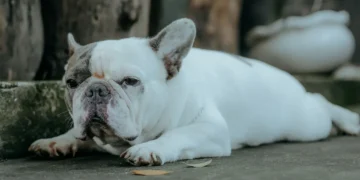
Brachycephalic Airway Syndrome (BAS) is a collection of anatomical abnormalities that make breathing harder for short‑nosed (brachycephalic) dogs. The term “brachycephalic” means “short head” and refers to breeds whose skulls are compressed, giving them a flat face and a characteristic “smushed” look.
In BAS, the airway is narrowed by one or more of the following: an oversized soft palate, stenotic (tight) nostrils, a hypoplastic (under‑developed) trachea, or elongated soft palate that collapses into the airway. These changes increase resistance to airflow, so the dog must work harder to get enough oxygen.
How common is it? The American Kennel Club (AKC) estimates that over 30 % of brachycephalic breeds show clinical signs of BAS, and studies from the University of California, Davis, suggest that as many as 80 % of French Bulldogs have some degree of airway obstruction, even if they appear “normal.”
What causes Brachycephalic Airway Syndrome?
The root cause is genetics. Selective breeding for a flatter face, larger eyes, and a “cute” appearance has unintentionally amplified the structural issues that lead to BAS.
- Breed genetics: Pugs, French Bulldogs, English Bulldogs, Boston Terriers, and Shih Tzus are the most affected.
- Over‑breeding: Repeated use of a few popular studs can concentrate airway‑related genes.
- Environmental factors: Obesity, heat, and respiratory irritants (smoke, dust) worsen the clinical signs but do not cause the syndrome.
Signs and symptoms
Owners often first notice a change in their dog’s breathing pattern. Early signs are subtle, while severe signs can be life‑threatening.
| Severity | Signs |
|---|---|
| Mild | Snorting, occasional gagging after excitement, slight exercise intolerance. |
| Moderate | Persistent noisy breathing (stertor), frequent panting after short walks, reverse sneezing episodes, reluctance to eat from a bowl. |
| Severe | Marked dyspnea (difficulty breathing), cyanotic gums, collapse after exertion, heat intolerance, respiratory distress at rest. |
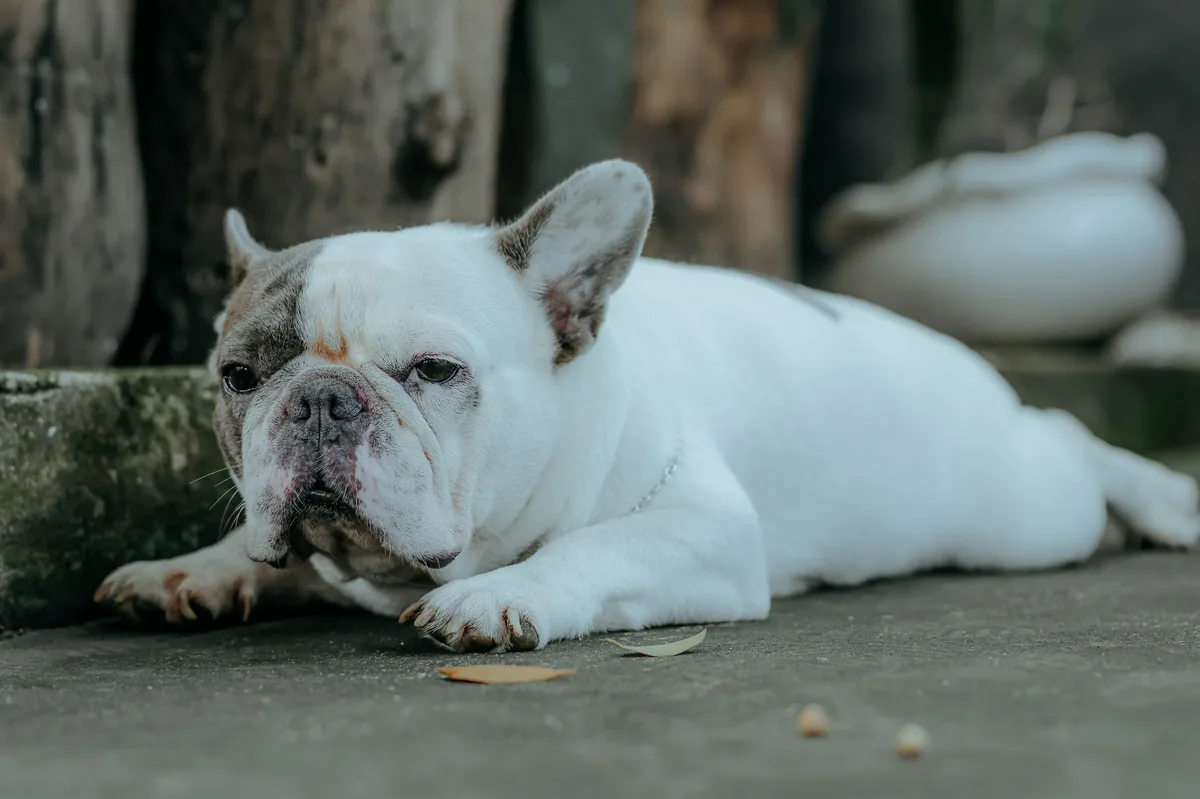
Other red‑flag clues include a “puffing” face after a brief play session, a narrowed nostril opening that can be seen when the dog sniffs, and a soft palate that looks unusually long when the mouth is open.
When to call your vet
Call your vet today if you notice any moderate signs: persistent noisy breathing, gagging after meals, or reluctance to exercise. These symptoms suggest that your dog’s airway is compromised and may benefit from medical management.
Go to an emergency veterinary hospital right now if you see severe signs: labored breathing, bluish gums, sudden collapse, or an inability to get up after a short walk. These are emergencies that require immediate oxygen support and possibly emergency surgery.
All information in this article is for educational purposes only and is not a substitute for professional veterinary care. If you’re ever unsure, contact your veterinarian.
How vets diagnose Brachycephalic Airway Syndrome
Diagnosis starts with a thorough history and physical exam. Your vet will listen for stertor (noisy breathing), examine the nostril openings, and assess the length of the soft palate.
Imaging helps define the exact airway anatomy. Common tests include:
- Radiographs (X‑rays): Show tracheal size and any secondary lung changes.
- Computed tomography (CT) scans: Provide detailed 3‑D views of the skull, soft palate, and nasal passages.
- Endoscopy: A flexible camera is passed through the nostrils to directly visualize the soft palate, larynx, and trachea. This is considered the gold standard for confirming BAS.
Blood work is usually normal unless there’s secondary hypoxia‑related organ stress. Together, these exams let the vet grade the severity and decide on treatment.
Treatment options
Medical treatment
When symptoms are mild to moderate, many dogs improve with medical management. Common approaches include:
- Weight management: Keeping a healthy body condition reduces airway pressure.
- Environmental control: Avoiding heat, humidity, and smoke; using a harness instead of a collar during walks.
- Medications: Your vet may prescribe anti‑inflammatory drugs (e.g., carprofen), cough suppressants, or short‑acting bronchodilators. Ask your vet about these options.
- Nasal stents or temporary airway splints: In select cases, a temporary stent can keep nostrils open while the dog loses weight.
Supplements and supportive care
While supplements cannot fix the structural problem, certain ones can help reduce inflammation and improve overall respiratory health:
- Omega‑3 fatty acids (EPA/DHA): Found in fish oil, they may lessen airway inflammation.
- Vitamin C and E: Antioxidants that support lung tissue health.
- Probiotics: A healthy gut can indirectly support immune function, which matters if the dog has recurrent infections.
Always discuss supplement choice with your vet, especially if your dog is on medication.
Procedures or surgery
When medical management isn’t enough, corrective surgery offers the best chance for long‑term relief. The most common procedures are:
- Soft palate resection (staphylectomy): Shortening the palate so it no longer blocks the airway.
- Nostril widening (alargement) or rhinoplasty: Removing excess tissue to enlarge the nostril opening.
- Tracheal flattening or stenting: Rarely needed, used when tracheal hypoplasia is severe.
These surgeries are usually done under general anesthesia and last 1–3 hours. Recovery typically involves 10–14 days of restricted activity, pain management, and close monitoring for swelling or infection.
Diet and nutrition
Nutrition plays a supportive role in managing BAS. While no diet can reverse the skull shape, a well‑balanced, low‑calorie diet helps keep weight down, which reduces airway pressure.
Consider these guidelines:
- High‑quality protein: Easily digestible sources (e.g., chicken, turkey, fish) support muscle maintenance without excess fat.
- Moderate fat: Aim for 10‑12 % fat on a dry‑matter basis to avoid unnecessary calories.
- Complex carbohydrates: Sweet potato, pumpkin, or brown rice provide energy without spiking blood sugar.
- Limited sodium: Reduces fluid retention that could worsen airway swelling.
- Prescription therapeutic diets: Some veterinary formulas (often labeled “weight‑management” or “low‑calorie”) are designed for dogs with respiratory challenges. Talk to your vet about a diet that meets AAFCO nutrient profiles.
Feeding frequency can also matter. Instead of one large meal, split the daily ration into two or three smaller meals to avoid a full‑stomach pressure on the diaphragm.
| Do feed | Limit | Avoid |
|---|---|---|
| Lean boiled chicken, low‑fat cottage cheese, pumpkin puree | Cooked rice, sweet potato (moderate portions) | High‑fat treats, table scraps, bacon, cheese |
| Prescription weight‑management kibble (AAFCO‑approved) | Commercial dry kibble (regular) | High‑calorie raw‑food diets without balancing |
Transition to a new diet gradually over 7–10 days to prevent gastrointestinal upset. If your dog is recovering from surgery, your vet may recommend a soft, highly digestible diet (e.g., moistened kibble or a pâté) for the first few days.
Cost and prognosis
Financial considerations are a real part of the decision‑making process. Rough cost estimates (including typical pre‑operative testing) are:
- United States: $2,500–$5,000 for soft palate resection plus nostril widening; additional $200–$500 for anesthesia, labs, and post‑op meds.
- United Kingdom: £2,000–£4,000 for the same procedures, with similar ancillary costs.
Many pet insurance plans cover a portion of the surgery if the condition is pre‑existing or excluded, so check your policy details. Some owners opt for a payment plan through the clinic.
Prognosis after surgery is generally good. Studies from the University of Pennsylvania School of Veterinary Medicine show that 80‑90 % of dogs experience a marked reduction in respiratory noise and can return to normal activity levels within three months. Long‑term quality of life improves dramatically when weight is maintained and environmental triggers are minimized.
Prevention and home care
While you can’t change a dog’s skull shape, responsible breeding and daily care can reduce the severity of BAS:
- Choose reputable breeders: Look for breeders who screen for airway dimensions and avoid extreme “flat‑face” puppies.
- Maintain ideal body condition: Use a calorie calculator (PuppaDogs calculators) to keep your dog at a healthy weight.
- Exercise wisely: Short, frequent walks in cool weather are better than long, hot sessions.
- Environmental management: Keep your home free of smoke, strong fragrances, and dust; use air purifiers if needed.
- Regular vet check‑ups: Early detection of worsening airway obstruction allows timely intervention.
For puppies, early socialization and gentle handling of the head and muzzle can help owners become comfortable with routine checks, making future examinations less stressful.
From our vet team: If your brachycephalic dog shows any change in breathing, don’t wait for the next annual exam. Early intervention—whether it’s weight loss, environmental tweaks, or a surgical consult—can prevent the cascade of chronic airway stress and keep your companion comfortable for many happy years.
Key takeaways
- Brachycephalic Airway Syndrome is caused by structural airway narrowing common in short‑nosed breeds.
- Early signs include snorting, gagging, and reduced stamina; severe signs require immediate veterinary attention.
- Medical management (weight control, environment, meds) helps mild cases, while surgery offers lasting relief for moderate to severe disease.
- Costs vary widely—expect $2,500‑$5,000 in the US or £2,000‑£4,000 in the UK for corrective surgery.
- Feeding a balanced, low‑calorie diet and avoiding excess heat or excitement can markedly improve quality of life.
- Responsible breeding and regular vet monitoring are the best long‑term prevention strategies.
Myth vs. fact
Myth: All brachycephalic dogs will need surgery.
Fact: Many dogs respond well to weight loss, environmental changes, and medication; surgery is reserved for moderate to severe cases.
Myth: Brachycephalic Airway Syndrome is only a “snoring problem.”
Fact: While snoring is a common early sign, the syndrome can progress to life‑threatening airway collapse if left untreated.
Myth: Feeding raw diets cures breathing issues.
Fact: Diet influences weight and overall health but does not change the underlying skull structure; balanced nutrition supports management.
Frequently asked questions
What causes Brachycephalic Airway Syndrome in dogs?
The condition stems from genetics—breeding for a flat face creates a shortened skull, oversized soft palate, narrowed nostrils, and sometimes a small trachea. Environmental factors like obesity and heat can aggravate the signs.
How can I tell if my dog has Brachycephalic Airway Syndrome?
Look for noisy breathing (stertor), frequent gagging, difficulty after short bouts of exercise, and narrowed nostril openings. A vet can confirm the diagnosis with a physical exam, endoscopy, and imaging.
What treatments are available for Brachycephalic Airway Syndrome?
Management ranges from weight control, environmental modifications, and medications to surgical correction (soft palate resection and nostril widening). The best plan depends on severity and your dog’s overall health.
Will my dog need surgery for Brachycephalic Airway Syndrome?
Not always. Mild cases often improve with lifestyle changes and medical therapy. Dogs with moderate to severe airway obstruction usually benefit most from corrective surgery.
How much does brachycephalic airway surgery cost?
In the United States, surgery typically costs $2,500–$5,000, while in the United Kingdom it ranges from £2,000–£4,000. Additional expenses include pre‑operative labs, anesthesia, and post‑op medications. Insurance may cover part of the cost, depending on the policy.
Can Brachycephalic Airway Syndrome be managed without surgery?
Yes. Weight loss, avoiding heat, using a harness instead of a collar, and prescribed anti‑inflammatory drugs can keep many dogs comfortable. However, if breathing remains compromised, surgery offers the most reliable relief.
Ask the PuppaDogs community
Have a question this article didn’t fully answer? Want to compare notes with other dog owners who’ve been through this? Our community forum is moderated by experienced owners and vets — and answers tend to come fast. Ask in the PuppaDogs community →
References
- American Animal Hospital Association (AAHA). “Brachycephalic Airway Syndrome Guidelines.” 2023.
- American Veterinary Medical Association (AVMA). “Breathing Disorders in Brachycephalic Breeds.” 2022.
- Merck Veterinary Manual. “Upper Airway Obstruction.” Updated 2024.
- University of California, Davis School of Veterinary Medicine. “Brachycephalic Airway Syndrome in Dogs.” 2021.
- World Small Animal Veterinary Association (WSAVA). “Respiratory Health in Companion Animals.” 2023.
- American College of Veterinary Internal Medicine (ACVIM). “Surgical Management of Brachycephalic Airway Disease.” 2022.
- American Kennel Club (AKC). “Breed Health Surveys: Brachycephalic Breeds.” 2023.
- Veterinary Partner (Cornell University). “Weight Management for Brachycephalic Dogs.” 2022.
- PetMD. “Dietary Recommendations for Dogs with Respiratory Conditions.” 2023.
- National Canine Health Survey. “Owner-Reported Outcomes After Airway Surgery.” 2022.


