














Quick take: Osteomyelitis in dogs is a bacterial infection of the bone that can cause pain, swelling, and fever. Prompt veterinary care—including antibiotics, possible surgery, and supportive care—greatly improves the chance of a full recovery.
It’s 11 p.m., the house is quiet, and you notice your usually‑energetic Border Collie limping to the kitchen, favoring her right hind leg. Her paw looks a little swollen, and when you gently press the area, she winces. You’ve Googled “dog bone infection” and the term “osteomyelitis” pops up, but the articles are filled with medical jargon and scary headlines. You wonder: Is this an emergency? What can you do tonight, and what will treatment look like?
We understand how unsettling a possible bone infection feels. Osteomyelitis in dogs is treatable, but the key is early detection and a clear plan. In this guide we’ll explain what osteomyelitis is, why it happens, how to spot it, what diagnostics and treatments involve, typical costs, and how you can help prevent it after surgeries or injuries. By the end you’ll know exactly what steps to take and what to expect.
What is osteomyelitis in dogs?
Osteomyelitis means “bone inflammation” caused by an infection, most often bacterial. The germs invade the bone tissue, leading to pus, bone destruction, and new bone formation. In dogs, the infection can be acute (rapid onset) or chronic (lasting weeks to months). While any breed can develop it, larger, active dogs and those that have undergone recent surgery or sustained trauma are seen more often.
According to the Merck Veterinary Manual, osteomyelitis accounts for a small but significant portion of orthopedic problems—roughly 5‑10 % of bone‑related infections in dogs. The condition is serious because bone has limited blood flow, making it harder for the immune system and antibiotics to reach the infection site.
What causes it?
Bone infections usually start when bacteria enter the bloodstream (hematogenous spread) or directly penetrate the bone after an injury or surgery. The most common culprits are Staphylococcus aureus and Streptococcus species.
- Trauma: Deep wounds, fractures, or puncture injuries introduce bacteria directly into bone.
- Surgical contamination: Orthopedic implants, joint replacements, or fracture repairs can become a nidus for infection if sterile technique falters.
- Hematogenous spread: Bacteria travel through the blood from a distant infection (e.g., skin abscess, ear infection) and settle in bone.
- Underlying disease: Immunosuppression, diabetes, or chronic skin infections increase risk.
Breed predispositions are modest, but large, active breeds—such as Labrador Retrievers, German Shepherds, and Golden Retrievers—are reported more often, likely because they are prone to high‑impact injuries.
Signs and symptoms
Early osteomyelitis can be subtle. Watch for these signs, progressing from mild to severe:
| Stage | Typical signs |
|---|---|
| Mild | Occasional limp, slight swelling, low‑grade fever, reduced activity. |
| Moderate | Persistent limp, noticeable swelling, warmth over the bone, reluctance to bear weight, loss of appetite. |
| Severe | Severe pain, obvious deformity, high fever, pus discharge from a wound, lethargy, jaundice. |
Other clues include pale gums (anemia), a foul‑smelling wound, or a sudden change in behavior when you try to touch the affected area. If the infection spreads, it can affect nearby joints, leading to septic arthritis—a condition that often requires separate treatment.
When to call your vet
Call your vet today if you notice any of the moderate signs above—persistent limp, swelling, or loss of appetite—especially if they develop within a few days of an injury or surgery.
Go to an emergency veterinary hospital right now if you see any severe signs: intense pain, inability to stand, high fever, pus draining from a wound, or signs of systemic illness such as vomiting, severe lethargy, or pale gums.
These guidelines are for informational purposes only and do not replace a hands‑on veterinary exam. If you’re ever unsure, err on the side of caution and contact your veterinarian.
How vets diagnose it
Diagnosis starts with a thorough history—when the limp began, recent injuries, surgeries, or infections. The physical exam focuses on the affected limb, checking for heat, swelling, and pain.
- Blood work: CBC and chemistry panel can reveal elevated white blood cells, anemia, or organ involvement.
- Imaging:
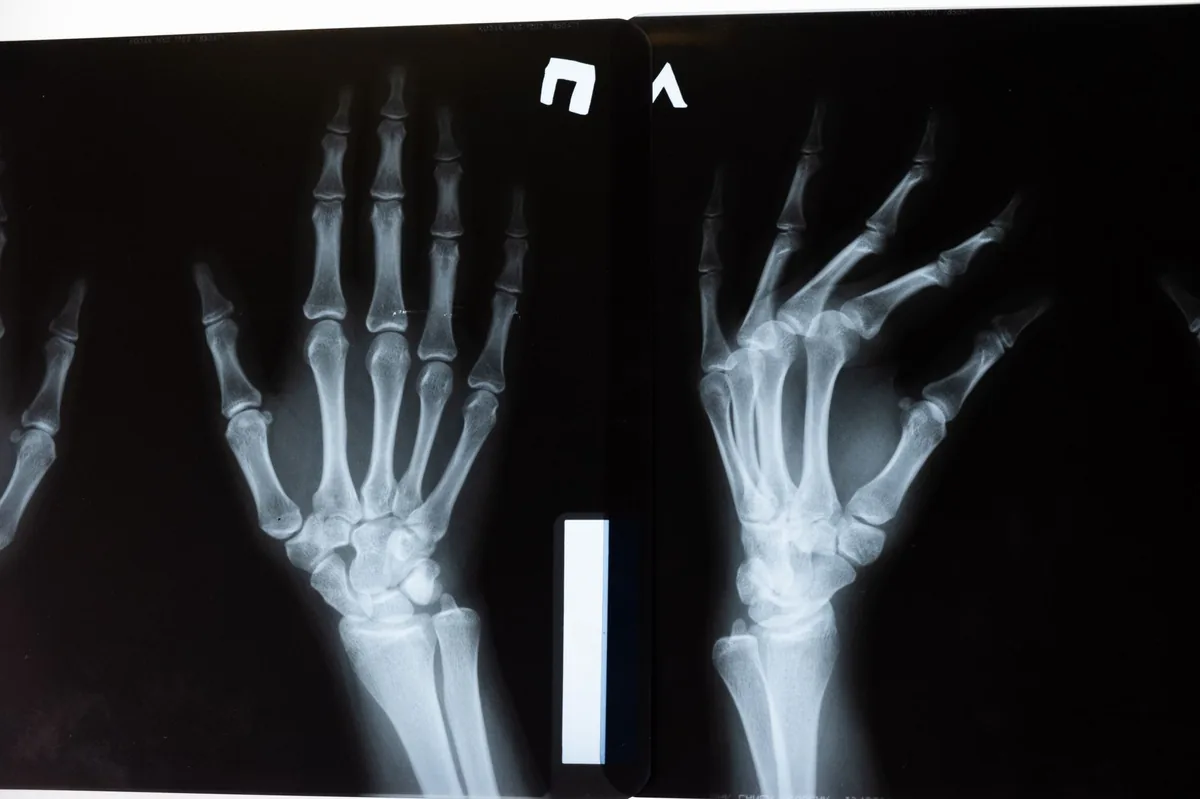
- Radiographs (X‑rays): Show bone lysis, new bone formation, or sequestra (dead bone).
- CT or MRI: Provide detailed images of bone and surrounding soft tissue, useful for surgical planning.
- Ultrasound: May detect fluid collections near the bone.
- Bone biopsy or culture: A small sample of bone or pus is taken under sedation. The laboratory identifies the specific bacteria, guiding antibiotic choice. The American College of Veterinary Internal Medicine (ACVIM) recommends culture whenever possible.
Treatment options
Medical treatment
Antibiotics are the cornerstone of therapy. The most commonly used drugs include:
- Broad‑spectrum agents such as amoxicillin‑clavulanate or cefazolin.
- Fluoroquinolones (e.g., enrofloxacin) for resistant organisms.
- Clindamycin for anaerobic infections.
These are typically given intravenously initially, then transitioned to oral formulations once the infection stabilizes. Treatment usually lasts 4‑6 weeks, sometimes longer for chronic cases. Your vet will tailor the regimen based on culture results and your dog’s weight.
Supplements and supportive care
While supplements cannot replace antibiotics, they can aid recovery:
- Omega‑3 fatty acids (EPA/DHA): Anti‑inflammatory benefits that may reduce pain and swelling.
- Glucosamine & chondroitin: Support joint health if adjacent joints are affected.
- Probiotics: Help maintain gut health during prolonged antibiotic courses.
Ask your vet about these options; they are most helpful when the dog is otherwise healthy and not on conflicting medications.
Procedures or surgery
When infection creates dead bone (sequestrum) or a large abscess, surgical debridement is often necessary. The surgeon removes infected tissue, flushes the area, and may place drains or local antibiotic beads. In some cases, external fixation or internal implants are used to stabilize the bone after cleaning.
Recovery from surgery typically involves 2‑3 weeks of restricted activity, followed by a gradual return to normal exercise over 8‑12 weeks. Pain control—often with NSAIDs or opioids—helps keep your dog comfortable during this phase.
Diet and nutrition
Nutrition plays a supportive role in bone healing and immune function. While there is no “cure‑by‑diet” for osteomyelitis, feeding a balanced, highly digestible diet helps your dog maintain strength during a long course of antibiotics and possible surgery.
Foods to favor are those rich in quality protein, omega‑3 fatty acids, and antioxidants:
- Commercial therapeutic diets formulated for orthopedic health (e.g., “joint support” formulas) provide optimal calcium‑phosphorus ratios and added glucosamine.
- Fresh, lean meats such as chicken, turkey, or lean beef—cooked without added salt or spices—offer easily digestible protein.
- Fish oil supplements (or canned salmon) boost EPA/DHA levels, supporting anti‑inflammatory pathways.
- Cooked vegetables like carrots, pumpkin, and green beans add fiber and vitamins without excess calories.
Foods to limit or avoid include:
| Do feed | Limit | Avoid |
|---|---|---|
| High‑quality protein (chicken, turkey, lean beef) | Bone‑in‑food (can be hard on healing bone) | High‑fat treats, fried foods |
| Omega‑3 sources (fish oil, salmon) | Excess calcium supplements | Raw bones (risk of additional infection) |
| Vegetables (pumpkin, carrots) | Excessive dairy | Spicy or seasoned foods |
If your dog has a chronic infection, the AAHA recommends a diet low in simple sugars to avoid feeding bacteria. For dogs on long‑term antibiotics, probiotic‑enhanced foods help preserve gut flora.
When transitioning to a new diet, do it gradually over 5‑7 days: mix 25 % new food with 75 % old, then increase the new portion each day. This reduces gastrointestinal upset, which can be especially problematic when your dog is already on medication.
Hydration is equally important. Fresh water should always be available, and adding a splash of low‑sodium broth can encourage intake if your dog seems picky.
For dogs with severe pain or reduced appetite, your vet may prescribe appetite stimulants or a short course of injectable nutrition. Ask about therapeutic diets from reputable manufacturers that meet AAFCO standards; many are formulated to support bone and joint health without compromising kidney function.
Cost and prognosis
Financial considerations can feel overwhelming, but knowing typical ranges helps you plan.
| Item | US estimate | UK estimate |
|---|---|---|
| Initial exam & blood work | $150‑$250 | £80‑£150 |
| Radiographs (3‑view) | $100‑$200 | £60‑£120 |
| CT or MRI (if needed) | $800‑$1,500 | £500‑£1,200 |
| Bone culture & sensitivity | $250‑$400 | £150‑£300 |
| IV antibiotics (hospital stay 5‑7 days) | $1,200‑$2,500 | £800‑£1,600 |
| Surgical debridement (including implants) | $3,000‑$7,000 | £2,000‑£5,000 |
| Follow‑up visits & rehab | $200‑$500 | £120‑£300 |
Overall, uncomplicated acute osteomyelitis treated medically may cost between $2,000‑$4,000 (UK £1,200‑£2,500). Chronic cases requiring surgery can exceed $7,000 (UK £5,000). These figures are estimates; your vet will provide a detailed quote based on your dog’s specific needs.
Prognosis varies with the infection’s severity, location, and timeliness of treatment. According to the American Animal Hospital Association (AAHA), dogs with early‑detected, properly treated acute osteomyelitis have a good to excellent prognosis—up to 85‑90 % return to normal activity. Chronic or multifocal infections have a more guarded outlook, with a 50‑70 % chance of full functional recovery.
Prevention and home care
Preventing bone infections begins with diligent post‑operative care:
- Follow surgical protocols: Keep incisions clean, use prescribed antibiotics, and restrict activity as advised.
- Monitor wounds daily: Look for redness, swelling, discharge, or foul odor.
- Maintain hygiene: Bathe your dog regularly, especially after outdoor activities that could introduce bacteria.
- Regular check‑ups: After orthopedic surgery, schedule re‑checks at 2‑week, 6‑week, and 3‑month intervals.
- Vaccinations and parasite control: Keeping your dog up‑to‑date reduces systemic infections that could spread to bone (AAHA vaccination guidelines).
At home, provide a soft, non‑slippery surface for your dog to rest on, and limit stair climbing or high‑impact play until cleared by your vet. Gentle, passive range‑of‑motion exercises—under veterinary guidance—can maintain joint flexibility without stressing the healing bone.
If you notice any subtle changes in gait or behavior, contact your vet promptly. Early detection is the most effective prevention strategy.
From our vet team: “A bone infection can sound terrifying, but most dogs respond well when we combine targeted antibiotics with proper wound care and, when needed, surgery. The biggest factor is catching it early—so trust your instincts, and don’t wait to call us if your dog seems uncomfortable.”
Key takeaways
- Osteomyelitis is a bacterial bone infection that causes pain, swelling, and fever.
- Typical triggers include trauma, surgical contamination, or bacteria spreading through the bloodstream.
- Early signs are a limp, mild swelling, and reduced activity; severe signs demand immediate emergency care.
- Diagnosis relies on blood work, imaging (X‑ray, CT/MRI), and bone culture to pinpoint the bacteria.
- Treatment combines long‑term antibiotics, possible surgical debridement, and supportive nutrition.
- Costs can range from $2,000 for medical management alone to over $7,000 if surgery is required.
- Prevent infection by keeping surgical sites clean, limiting activity, and monitoring for any changes.
Myth vs. fact
Myth: Osteomyelitis always requires amputation.
Fact: Most cases are treated with antibiotics and, when needed, targeted surgery that preserves the limb.
Myth: Only large breeds get bone infections.
Fact: Any dog can develop osteomyelitis; risk is higher after trauma or orthopedic surgery, regardless of size.
Myth: Once antibiotics start, the infection clears quickly.
Fact: Treatment often lasts 4‑6 weeks or longer, and follow‑up imaging is essential to confirm resolution.
Frequently asked questions
What causes osteomyelitis in dogs?
Most commonly, bacteria enter the bone after a wound, fracture, or surgery, or travel through the bloodstream from another infection site. Staphylococcus aureus is the leading culprit.
How can I tell if my dog has a bone infection?
Look for a persistent limp, swelling, warmth, and pain when the area is touched. Fever, loss of appetite, and a foul‑smelling wound are red‑flag signs that warrant immediate veterinary evaluation.
What tests does a vet run to diagnose osteomyelitis?
Vets typically start with blood work and X‑rays, then may use CT or MRI for detailed imaging. A bone biopsy or culture is the gold standard for identifying the exact bacteria.
Can osteomyelitis be cured without surgery?
Yes, many acute cases respond to prolonged antibiotics alone. However, chronic infections with dead bone often need surgical debridement to fully eradicate the infection.
How much will treatment for osteomyelitis cost my dog?
Costs vary: medical management alone averages $2,000‑$4,000 (UK £1,200‑£2,500), while surgery can push total expenses to $7,000 or more (UK £5,000). Your vet can give a detailed estimate based on the specific case.
Will my dog be in pain after osteomyelitis treatment?
Pain is common during recovery, but it can be managed with prescribed NSAIDs, opioids, or nerve blocks. Most dogs become comfortable within a few weeks of starting therapy.
Ask the PuppaDogs community
Have a question this article didn’t fully answer? Want to compare notes with other dog owners who’ve been through this? Our community forum is moderated by experienced owners and vets — and answers tend to come fast. Ask in the PuppaDogs community →
References
- American Animal Hospital Association (AAHA) 2023 Guidelines for Orthopedic Surgery.
- American College of Veterinary Internal Medicine (ACVIM) Consensus Statement on Bone Infections.
- Merck Veterinary Manual, “Osteomyelitis” chapter.
- American Veterinary Medical Association (AVMA) Infectious Disease Resources.
- World Small Animal Veterinary Association (WSAVA) Antimicrobial Use Guidelines.
- American Association of Feed Control Officials (AAFCO) Nutrient Profiles for Therapeutic Diets.
- Veterinary Orthopedic Society (VOS) Recommendations for Post‑operative Care.


