
















Quick take: Kidney inflammation caused by fluid buildup—often called hydronephrosis—is a serious condition that can reduce kidney function and lead to pain or infection. Prompt veterinary evaluation, appropriate imaging, and tailored supportive care are essential for the best outcome. Early detection and careful fluid management can improve your dog’s comfort and prognosis.
It’s 11 p.m., and your 8‑year‑old mixed‑breed Labrador is lying on the couch, eyes half‑closed, refusing her usual evening walk. You notice her belly feels a bit swollen, and when you gently press her side, the area feels firm. A quick Google search lands you on pages about “kidney inflammation due to fluid accumulation in dogs,” and a knot forms in your stomach. You’re wondering: is this something you can manage at home, or does she need to be rushed to the vet?
We understand how unsettling it can be to see your dog uncomfortable and not know what’s happening inside. The good news is that with early recognition, proper diagnostics, and a thoughtful treatment plan, many dogs can stabilize and return to a good quality of life. In this article we’ll explain what hydronephrosis is, why it happens, what signs to watch for, how vets diagnose it, and what treatment, diet, and cost you can expect. We’ll also give you a clear checklist of when to call your vet right away.
What is kidney inflammation due to fluid accumulation in dogs?
Kidney inflammation caused by fluid accumulation is medically known as hydronephrosis. In plain language, it means that urine can’t drain properly from the kidney, causing it to swell with fluid. The swelling stretches the kidney tissue, leading to inflammation and, over time, reduced ability to filter blood. Hydronephrosis can affect one kidney (unilateral) or both (bilateral) and is often identified when a dog shows signs of pain, decreased appetite, or changes in urination.
While any dog can develop hydronephrosis, it’s most commonly seen in middle‑aged to senior dogs, especially those with urinary tract blockages, kidney stones, or congenital abnormalities. According to the American College of Veterinary Internal Medicine (ACVIM), urinary obstruction accounts for roughly 30 % of hydronephrosis cases in dogs, with other causes such as tumors or severe infection making up the remainder.
What causes it?
Fluid buildup in the kidneys usually results from an obstruction or impaired flow of urine. The main categories of causes are:
| Cause | Typical Mechanism | Common Breeds / Risk Factors |
|---|---|---|
| Urethral or ureteral blockage | Stone, crystal, or tumor blocks the tube that drains urine | Miniature Schnauzers (urinary crystals), Dalmatians (urinary stones) |
| Congenital urinary tract anomalies | Abnormal narrowing or malformation present at birth | Bulldogs, Pugs (brachycephalic airway issues often paired with urinary anomalies) |
| Severe urinary tract infection (UTI) | Inflammation and swelling narrow the ureters | Any breed, especially dogs with compromised immune systems |
| Neoplasia (kidney or urinary tract tumors) | Masses compress the ureter or renal pelvis | Golden Retrievers, German Shepherds (higher cancer incidence) |
| Trauma or surgical complications | Physical damage or scar tissue blocks urine flow | Dogs with recent abdominal surgery or injury |
Other contributing factors include dehydration, which makes urine more concentrated and prone to forming crystals, and metabolic disorders such as hypercalcemia that can predispose to stone formation.
Signs and symptoms
Because the kidney is deep inside the abdomen, early signs can be subtle. Below is a progression chart that helps you differentiate mild, moderate, and severe presentations.
| Severity | Typical Signs | What to Expect |
|---|---|---|
| Mild | Reduced appetite, slight lethargy, occasional “poking” pain when the abdomen is touched | Often missed until a routine exam |
| Moderate | Noticeable abdominal swelling, frequent attempts to urinate with little output, pale gums, mild vomiting | Owner may notice changes in water consumption |
| Severe | Severe pain, inability to urinate (obstructive anuria), vomiting, fever, rapid breathing, collapse | Requires emergency veterinary care |
Additional red‑flag signs include blood in the urine (hematuria), a foul odor from the urine, and sudden weight loss. If you catch any of these early, you’ll have more options for treatment and a better chance at a full recovery.
When to call your vet
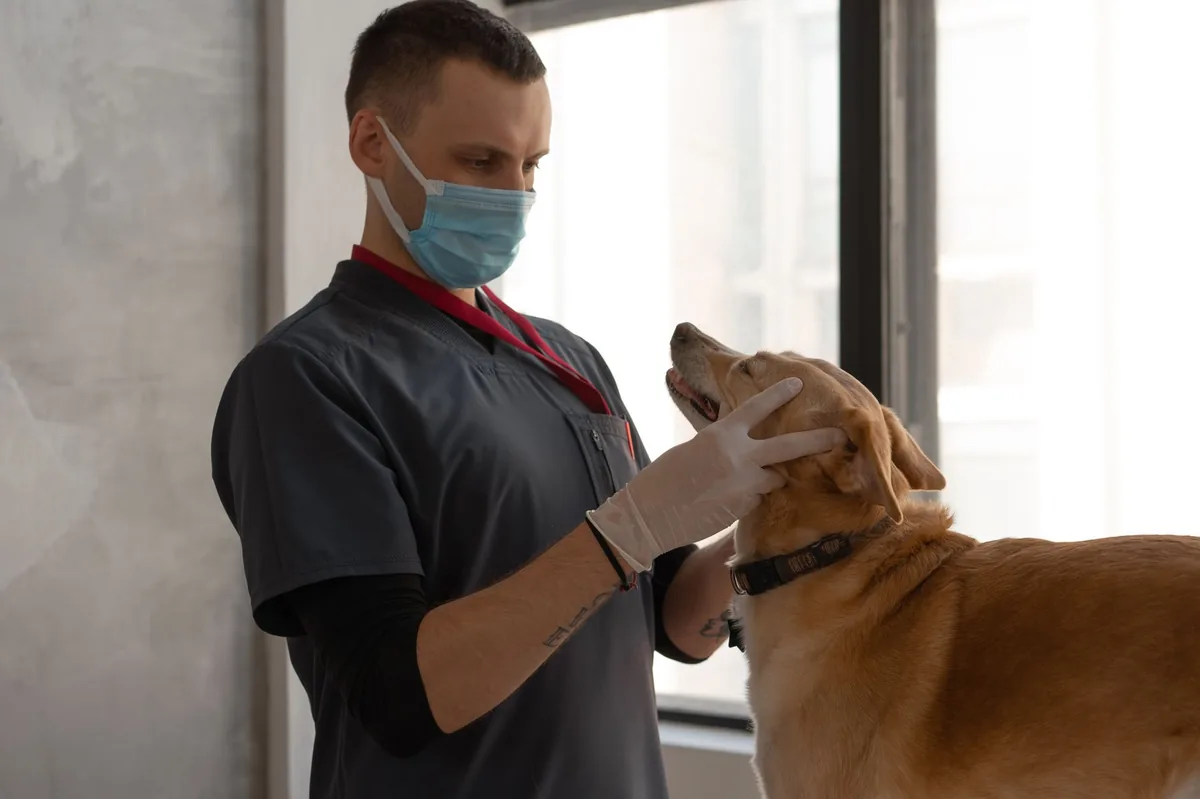
Call your vet today if you notice any of the following:
- Decreased appetite or mild lethargy lasting more than 24 hours.
- Abdominal swelling that feels firm or tender.
- Changes in urination frequency, volume, or odor.
- Pale gums or mild vomiting.
Go to an emergency veterinary hospital right now if you see any of these urgent signs:
- Complete inability to urinate (anuria) or obvious straining with no urine output.
- Severe abdominal pain (your dog yelps or flinches when touched).
- Vomiting more than twice in a short period, especially with signs of dehydration.
- Rapid breathing, collapse, or unresponsiveness.
These red flags indicate that the swelling may be compromising kidney function or that a blockage could become life‑threatening. Prompt veterinary assessment can prevent permanent kidney damage.
This article provides general information and is not a substitute for professional veterinary care. Always consult your veterinarian for diagnosis and treatment tailored to your dog.
How vets diagnose it
Diagnosing hydronephrosis starts with a thorough history and physical exam. Your vet will ask about recent changes in drinking, urination, appetite, and any known urinary issues.
- Physical exam: Palpation of the abdomen can reveal a firm, enlarged kidney. Checking gum color helps assess anemia.
- Blood work: A complete blood count (CBC) and chemistry panel evaluate kidney function (blood urea nitrogen, creatinine) and look for signs of infection or inflammation.
- Urinalysis: Identifies crystals, blood, bacteria, or abnormal pH that might point to a blockage or infection.
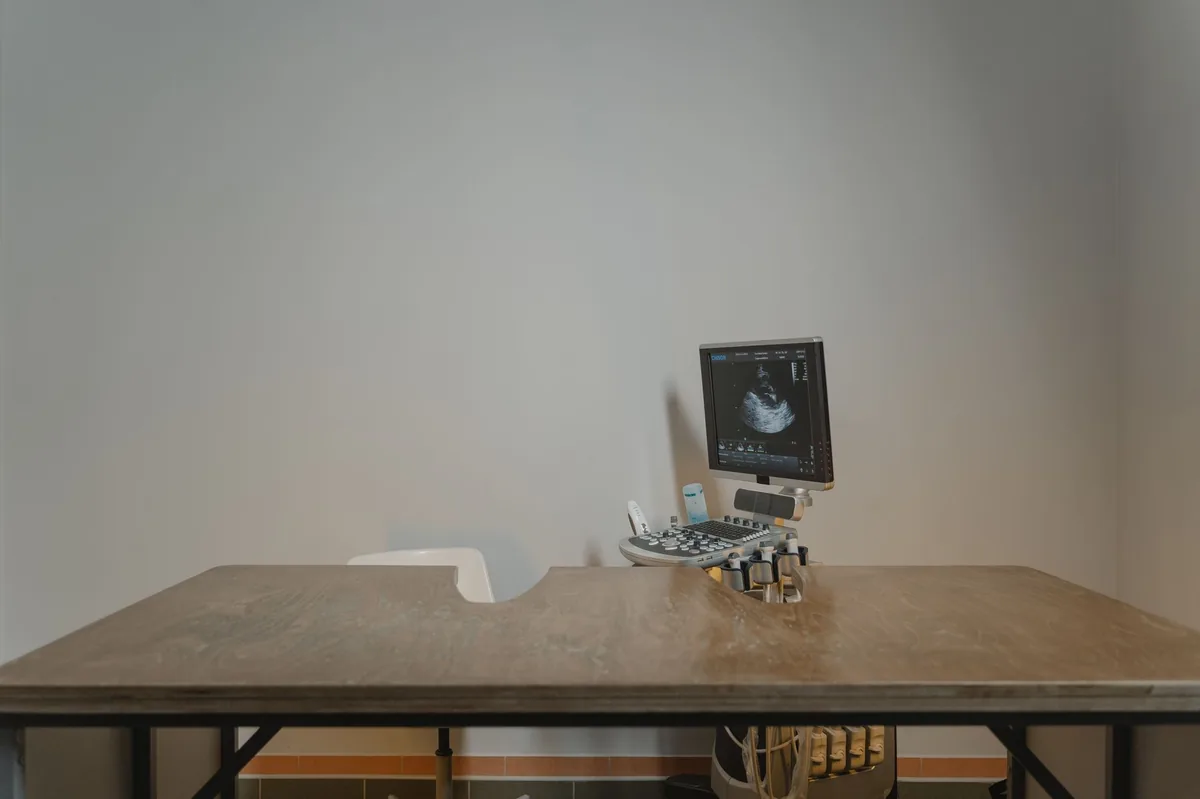
- Imaging: Abdominal ultrasound is the gold standard for visualizing fluid‑filled kidneys and pinpointing the site of obstruction. In some cases, plain X‑rays or a CT scan may be used to detect stones or tumors.
- Advanced tests: If a tumor is suspected, a fine‑needle aspirate or biopsy may be performed under ultrasound guidance.
These diagnostics help the veterinarian determine the underlying cause, the severity of kidney involvement, and the most appropriate treatment pathway.
Treatment options
Medical treatment
Medical management focuses on relieving the blockage, reducing inflammation, and supporting kidney function. Common drug classes include:
- Analgesics and anti‑inflammatories: NSAIDs such as carprofen or meloxicam are often used, but only after confirming normal kidney function, as they can be harmful if kidneys are already compromised.
- Antibiotics: If a secondary bacterial infection is present, broad‑spectrum agents like amoxicillin‑clavulanate are typical choices.
- Antispasmodics: Medications such as prazosin may help relax ureteral smooth muscle and improve urine flow.
- Fluid therapy: Intravenous (IV) crystalloids are administered to correct dehydration and support perfusion, while carefully monitoring for fluid overload.
- Diuretics (rarely): In select cases, furosemide can promote urine production, but only under close supervision.
All medication decisions are made by your vet, who will dose based on your dog’s weight, blood work, and overall health. Ask your vet about each option to understand why it’s being used.
Supplements and supportive care
While supplements cannot replace proper medical treatment, certain adjuncts can aid recovery when used responsibly:
- Omega‑3 fatty acids (EPA/DHA): These help reduce renal inflammation and are found in fish‑oil capsules. They are especially useful for dogs with chronic kidney disease that may develop hydronephrosis.
- Probiotics: Strains like Enterococcus faecium support gut health, which can be disrupted by antibiotics.
- Antioxidants (e.g., vitamin E, SAMe): May protect kidney cells from oxidative stress, but evidence is modest. Discuss with your vet before adding them.
Supplements should be introduced gradually and only after your vet confirms they won’t interfere with prescribed medications.
Procedures or surgery
When a physical blockage is identified, surgical or minimally invasive procedures are often required:
- Ureteral stenting or laser lithotripsy: Endoscopic techniques can break up or bypass stones, restoring urine flow.
- Ureteral or urethral catheterization: A temporary catheter may relieve obstruction while the underlying cause is treated.
- Nephrectomy (kidney removal): In rare, severe cases where one kidney is irreversibly damaged, removal of the affected kidney may be recommended. Dogs can live with a single healthy kidney.
Recovery from surgery typically involves a 24‑48 hour hospital stay, pain management, and a controlled diet. Costs in the United States range from $2,500 to $7,500 depending on procedure complexity, while UK estimates sit around £2,000‑£5,000. Your vet will provide an itemized estimate before any operation.
Diet and nutrition
Nutrition plays a pivotal role in supporting a kidney that’s dealing with inflammation and fluid overload. While there is no one‑size‑fits‑all recipe, several dietary principles are widely endorsed by the American Animal Hospital Association (AAHA) and the American College of Veterinary Nutrition (ACVN).
Key goals: Reduce the workload on the kidneys, maintain hydration without overloading, and provide high‑quality protein that’s easy to digest.
- Highly digestible protein: Choose proteins such as chicken, turkey, or fish that are broken down easily, allowing the kidneys to process fewer waste products. Prescription renal diets (e.g., Hill’s Prescription Diet k/d, Royal Canin Renal Support) typically contain 18‑22 % protein, but a well‑balanced home‑cooked diet can achieve similar levels when prepared correctly.
- Controlled phosphorus: Excess phosphorus can accelerate kidney decline. Aim for < 0.5 % phosphorus on a dry matter basis. Many commercial senior or renal formulas meet this target.
- Moderate sodium: Lowering salt helps manage fluid balance and blood pressure. Look for “low‑sodium” labels or limit added table salt.
- Omega‑3 enrichment: Adding fish oil or using a diet fortified with EPA/DHA can reduce inflammation and improve blood flow to the kidneys.
- Hydration: Encourage fresh water at all times. If your dog is reluctant to drink, wet food or low‑sodium broth can boost intake. However, be cautious with excessive free water if a blockage is present—your vet will advise if fluid restriction is needed.
Below is a quick guide to what to feed, limit, or avoid during recovery from hydronephrosis:
| Category | Examples | Rationale |
|---|---|---|
| Do feed | High‑quality, low‑phosphorus commercial senior or renal diet; boiled chicken breast; white fish; cooked sweet potatoes | Provides digestible protein and energy while limiting phosphorus load. |
| Limit | Cooked eggs, cheese, commercial treats high in salt, bone broth with added salt | These can raise phosphorus or sodium levels. |
| Avoid | Raw organ meats (high phosphorus), processed meats, foods with added garlic or onion, high‑fat table scraps | Organ meats spike phosphorus; garlic/onion are toxic to dogs; excess fat can strain kidneys. |
When transitioning to a new diet, do it gradually over 5‑7 days. Mix increasing amounts of the new food with decreasing amounts of the old food each day. This helps prevent gastrointestinal upset, which could further stress the kidneys.
If you’re interested in a customized meal plan, our dog nutrition calculator can estimate daily caloric needs based on weight, age, and activity level. Pair that with a renal‑friendly recipe from our Dog Questions Answered guide for a balanced home‑cooked option.
Cost and prognosis
Financial considerations are an important part of planning care. Below are typical cost ranges for the United States and the United Kingdom, based on data from the American Veterinary Medical Association (AVMA) and the Royal College of Veterinary Surgeons (RCVS):
| Service | US Estimate | UK Estimate |
|---|---|---|
| Initial exam & basic blood work | $150–$250 | £80–£150 |
| Abdominal ultrasound | $300–$500 | £200–£350 |
| Antibiotic course (10 days) | $30–$70 | £20–£45 |
| Ureteral stent or laser lithotripsy | $2,500–$7,000 | £2,000–£5,000 |
| Hospitalization (24‑48 hr) | $500–$1,200 per day | £400–£900 per day |
Prognosis depends heavily on the underlying cause and how quickly treatment begins. Dogs whose hydronephrosis is caused by a removable stone or temporary blockage often recover fully with prompt surgery and supportive care. In cases where the kidney has sustained irreversible damage, the outlook may be guarded, but many dogs still enjoy a good quality of life with one functional kidney.
Overall survival rates reported by the Merck Veterinary Manual suggest a 70‑85 % chance of stabilizing the condition when addressed within 48 hours of onset. Long‑term monitoring, including periodic blood work and ultrasound, is essential to catch any recurrence early.
Prevention and home care
While some causes, like congenital anomalies, can’t be prevented, many risk factors are modifiable:
- Maintain optimal hydration: Fresh water should be available at all times. Consider a pet water fountain to encourage drinking.
- Watch diet: Feed balanced, low‑phosphorus foods and avoid excessive salt. Regularly rotate protein sources to reduce crystal formation.
- Urinary health checks: Annual urinalysis, especially for breeds prone to stones, helps catch early changes.
- Weight management: Obesity increases the risk of urinary crystals and infections. Use our calorie calculator to keep your dog at a healthy weight.
- Prompt treatment of UTIs: If a urinary infection is diagnosed, follow the full antibiotic course and schedule a re‑check.
- Regular veterinary exams: Senior dogs should see their vet at least twice a year for blood work and imaging if indicated.
At home, you can monitor for early warning signs by gently feeling your dog’s abdomen for firmness and observing urine output. Keeping a simple log of water intake, urination patterns, and appetite can be a valuable tool for your vet during follow‑up visits.
From our vet team: “Hydronephrosis can feel overwhelming, but early detection and a clear plan—imaging, targeted medication, and a kidney‑friendly diet—often make the difference between a temporary setback and a chronic issue. Don’t wait for the pain to become severe; a quick call to your vet can preserve kidney function and keep your companion comfortable.”
Key takeaways
- Kidney inflammation from fluid buildup (hydronephrosis) is serious but treatable, especially when caught early.
- Common causes include urinary stones, infections, congenital anomalies, and tumors; breed predispositions exist.
- Watch for abdominal swelling, changes in urination, pale gums, and pain—these are red flags to call your vet now.
- Diagnosis relies on blood work, urinalysis, and abdominal ultrasound; your vet will tailor the workup to your dog’s signs.
- Treatment may involve pain relief, antibiotics, fluid therapy, and possibly surgery such as ureteral stenting; supplements like omega‑3s can support recovery.
- Feeding a low‑phosphorus, highly digestible protein diet with controlled sodium and added omega‑3 fatty acids helps protect the kidneys during and after treatment.
Myth vs. fact
Myth: “If my dog drinks a lot of water, the kidneys can’t be inflamed.”
Fact: Excessive water intake can be a sign of kidney stress or a blockage; monitoring drinking patterns is important, and hydration alone does not prevent hydronephrosis.
Myth: “Kidney inflammation always means permanent kidney failure.”
Fact: Many dogs recover full kidney function after the obstruction is relieved and inflammation subsides, especially when treatment starts promptly.
Myth: “Surgery is the only way to fix a swollen kidney.”
Fact: In some cases, medical management and minimally invasive procedures (like stenting) can resolve the issue without full organ removal.
Frequently asked questions
Can hydronephrosis be contagious?
No, hydronephrosis itself is not contagious. It results from a physical blockage or internal issue, not an infection that spreads between dogs. However, a secondary bacterial urinary tract infection can be contagious, so hygiene and prompt treatment are important.
How much does treatment usually cost?
Costs vary widely; basic diagnostics (exam, blood work, ultrasound) range from $450–$750 in the U.S., while surgical interventions can exceed $5,000. A detailed estimate will be provided by your vet after the underlying cause is identified.
What is the typical recovery time after surgery?
Most dogs stay hospitalized for 1–2 days for pain control and monitoring, then require 2–4 weeks of restricted activity at home. Full return to normal activity usually occurs within 4–6 weeks, depending on the procedure and your dog’s age.
Will my dog need lifelong medication?
If the cause was a temporary blockage, medication may be limited to the recovery period. Dogs with chronic kidney disease often require ongoing low‑dose antibiotics, renal‑supportive supplements, and a therapeutic diet for life.
Can diet alone cure hydronephrosis?
Diet supports kidney health but cannot resolve an existing obstruction. Nutritional changes are a crucial part of post‑treatment care and long‑term management, but they work alongside medical or surgical interventions.
Is there a way to prevent this condition?
While you can’t prevent congenital anomalies, you can reduce risk by keeping your dog well‑hydrated, feeding a low‑phosphorus diet, monitoring for urinary infections, and maintaining a healthy weight. Regular veterinary check‑ups are the best preventive strategy.
Ask the PuppaDogs community
Have a question this article didn’t fully answer? Want to compare notes with other dog owners who’ve been through this? Our community forum is moderated by experienced owners and vets — and answers tend to come fast. Ask in the PuppaDogs community →
References
- American College of Veterinary Internal Medicine (ACVIM). “Urinary Tract Disorders in Dogs.” 2023.
- American Animal Hospital Association (AAHA). “Guidelines for Diagnosis and Management of Renal Disease.” 2022.
- Merck Veterinary Manual. “Hydronephrosis.” Updated 2023.
- American Veterinary Medical Association (AVMA). “Cost of Veterinary Care.” 2023.
- World Small Animal Veterinary Association (WSAVA). “Nutrition for Dogs with Renal Disease.” 2021.
- Royal College of Veterinary Surgeons (RCVS). “Veterinary Surgical Procedures for Urinary Obstruction.” 2022.
- Cornell University College of Veterinary Medicine. “Kidney Disease in Dogs.” 2023.
- UC Davis School of Veterinary Medicine. “Urinary Stones and Prevention.” 2022.


