





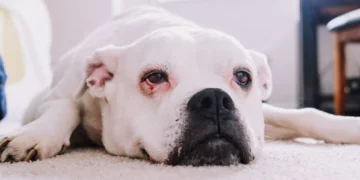










Quick take: Kennel cough, also called canine infectious tracheobronchitis, is a common, usually mild respiratory infection that spreads easily in crowded settings. Most dogs recover within a few weeks with rest and appropriate treatment, but puppies, seniors, and immunocompromised dogs can develop complications that need prompt veterinary care. Early signs include a dry “honking” cough and mild nasal discharge; if your dog shows fever, trouble breathing, or loss of appetite, call your vet right away.
It’s 9 p.m., and you’re watching your 7‑year‑old Labrador, Bella, curl up on the couch after a day at the dog park. Suddenly she lets out a harsh, hacking cough that sounds like a seal’s bark. You glance at her gums—pale, a little dry—and wonder if this is just a fleeting annoyance or the start of something more serious. That uneasy feeling in the pit of your stomach is exactly why we wrote this guide. Below, we break down everything you need to know about kennel cough in dogs—from what triggers it, to how to spot it early, to the steps you can take at home and when you should call your veterinarian.
We’ll walk you through the causes, symptoms, diagnosis, treatment options, cost considerations, and prevention strategies, all in plain language. Whether you’re dealing with a playful puppy, a senior companion, or a dog that just returned from boarding, you’ll find practical advice you can act on tonight.
What is kennel cough in dogs?
Kennel cough, medically termed canine infectious tracheobronchitis, is an inflammation of the upper airway (the trachea and bronchi) caused primarily by infectious agents. The condition is highly contagious, especially in environments where many dogs mingle—boarding kennels, daycare centers, grooming salons, and dog shows. While the cough itself can be irritating, most cases are self‑limiting and resolve with supportive care.
According to the American Veterinary Medical Association (AVMA), kennel cough accounts for up to 20 % of all respiratory complaints seen in veterinary practices each year. It affects dogs of any age, but puppies and senior dogs are more prone to severe disease due to weaker immune systems.
What causes kennel cough?
The infection usually results from a combination of viral and bacterial agents, often facilitated by stress or crowded conditions.
- Bordetella bronchiseptica – the most common bacterial culprit; spreads through aerosol droplets.
- Canine parainfluenza virus (CPIV) – a viral component that weakens airway defenses.
- Canine adenovirus type 2 (CAV‑2) – another virus frequently found in mixed infections.
- Stressors – travel, boarding, or a sudden change in routine can suppress immunity.
- Other bacteria – such as Mycoplasma spp., can exacerbate the cough.
Because the agents are highly transmissible, a single infected dog can spark an outbreak that spreads rapidly through a kennel or daycare.
Signs and symptoms
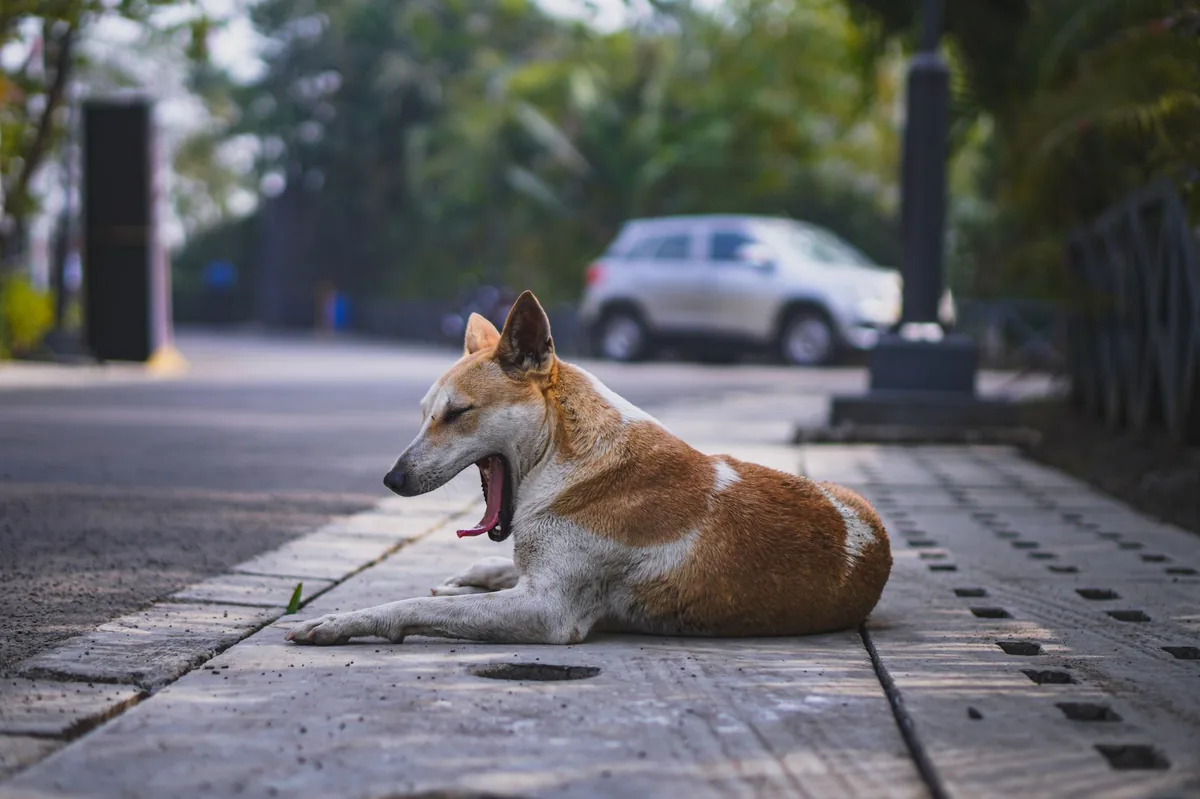
Early signs can be subtle, especially in older dogs that may hide discomfort. Below is a quick guide to what you might notice, ranging from mild to severe.
| Severity | Typical signs |
|---|---|
| Mild | Dry, hacking cough that sounds like a honk; occasional sneezing; mild nasal discharge; normal appetite. |
| Moderate | Cough becomes more frequent, may be productive (phlegm); low‑grade fever (101‑103 °F); reduced activity; mild lethargy. |
| Severe | Persistent, harsh cough with gagging; high fever (>103 °F); rapid breathing; loss of appetite; pale gums; signs of pneumonia. |
Key red‑flag signs that warrant immediate veterinary attention include:
- Difficulty breathing or rapid, shallow breaths.
- Blue‑tinged gums or tongue.
- Persistent vomiting or inability to keep food down.
- Sudden collapse or weakness.
When to call your vet
Call your vet today if your dog shows any of the moderate signs listed above—persistent cough, low‑grade fever, or reduced appetite. Let the clinic know if your dog has been recently boarded, attended a doggy daycare, or is a puppy or senior, as these factors may influence the treatment plan.
Go to an emergency clinic right now if you notice any severe red‑flag signs: labored breathing, bluish gums, high fever, or sudden collapse. These symptoms can indicate pneumonia or secondary bacterial infection that needs prompt antibiotics and possibly oxygen therapy.
Disclaimer: This article provides general information and is not a substitute for professional veterinary care. Always consult your veterinarian for diagnosis and personalized treatment.
How vets diagnose kennel cough
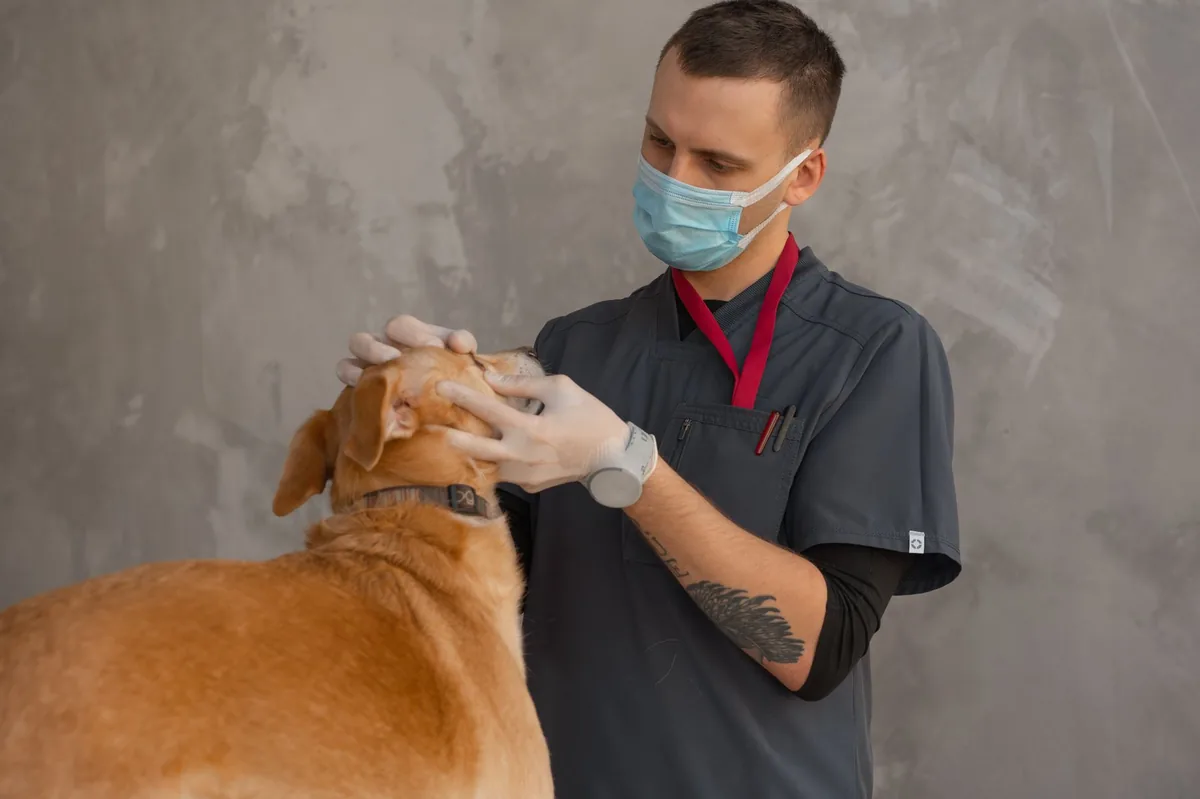
Veterinarians combine a thorough history with a physical exam and targeted diagnostics.
- History & environment – Recent exposure to kennels, daycare, or other dogs raises suspicion.
- Physical exam – Listening to the lungs with a stethoscope, checking for fever, and inspecting the throat.
- Chest radiographs (X‑rays) – Help rule out pneumonia or other lung disease.
- Complete blood count (CBC) – Detects elevated white blood cells that suggest infection.
- Tracheal wash or PCR testing – Samples from the airway can identify Bordetella or viral agents, especially if the cough persists despite initial treatment.
Most cases are diagnosed based on clinical signs and exposure history alone, without the need for expensive testing. However, if symptoms linger beyond two weeks or worsen, the vet may pursue the more advanced diagnostics listed above.
Treatment options
Medical treatment
Antibiotics target the bacterial component, most commonly Bordetella bronchiseptica. The AAHA recommends a 10‑14‑day course of a broad‑spectrum antibiotic such as doxycycline or amoxicillin‑clavulanate. Your vet may also prescribe a cough suppressant (e.g., hydrocodone or butorphanol) to ease the harsh “honking” cough, especially if it interferes with sleep or eating.
For dogs with a viral component, supportive care is key—rest, hydration, and monitoring. If a secondary bacterial pneumonia develops, the vet might add a more potent antibiotic like enrofloxacin.
Ask your vet about these medication options; dosing will depend on your dog’s weight, age, and severity of illness.
Supplements and supportive care
While supplements cannot replace antibiotics, they can aid recovery:
- Omega‑3 fatty acids (EPA/DHA) – Reduce airway inflammation; a fish‑oil supplement can be added to meals.
- Probiotics – Support gut health, especially if your dog is on antibiotics.
- Honey – A spoonful of raw honey (for dogs over 12 weeks) can soothe the throat and has mild antimicrobial properties.
Use a cool‑mist humidifier in the room where your dog rests, and keep the environment free of smoke, strong fragrances, or dust that could irritate the airway.
Procedures or surgery
Procedural intervention is rare. In severe or refractory cases, a veterinarian might perform a bronchoscopy to collect deeper airway samples or to clear mucus plugs. Recovery from such procedures usually involves a short hospital stay and a follow‑up X‑ray. Costs can range from $800 to $1,500 in the United States, depending on facility and region.
Diet and nutrition
Nutrition plays an important role in supporting the immune system and easing respiratory effort. While there is no “cough‑specific” diet, certain choices can help your dog feel better faster.
| Do feed | Limit | Avoid |
|---|---|---|
| Highly digestible protein (e.g., boiled chicken, turkey) | Rich, fatty foods that may cause nausea | Seasoned or spicy foods |
| Moist foods or added broth to encourage drinking | Large amounts of dry kibble if the dog is reluctant to chew | Raw bones that could cause choking |
| Omega‑3 rich supplements (fish oil) | Excessive dairy (may exacerbate mucus) | Any treats with high salt or sugar |
Key feeding tips:
- Small, frequent meals – If your dog’s appetite is reduced, offering several tiny meals can ensure adequate calories.
- Warm, aromatic broth – Adding a low‑sodium chicken broth can make food more appealing and increase fluid intake.
- Prescription respiratory diets – Some manufacturers offer therapeutic formulas designed to be highly digestible and low in fat, which reduce the work of breathing. Discuss options with your vet; we do not endorse any specific brand.
Transition to any new diet gradually over 3–5 days to prevent gastrointestinal upset. If your dog refuses to eat for more than 24 hours, contact your veterinarian—loss of appetite can signal worsening infection.
Cost and prognosis
Typical costs for a kennel cough episode in the United States are:
| Service | Estimated US cost | Estimated UK cost |
|---|---|---|
| Veterinary exam (initial) | $50–$100 | £40–£80 |
| Chest X‑ray (if needed) | $100–$250 | £80–£200 |
| Antibiotics & cough suppressants (10‑14 days) | $30–$80 | £25–£70 |
| Follow‑up visit | $50–$100 | £40–£80 |
Overall, the prognosis is excellent for healthy adult dogs—most recover fully within 2–3 weeks. Puppies and senior dogs may take longer (up to 4–6 weeks) and have a slightly higher risk of developing secondary pneumonia, which can increase the cost and recovery time.
With timely treatment, the survival rate is near 100 %. Quality of life typically returns to normal once the cough resolves and the dog regains its usual energy level.
Prevention and home care
Preventing kennel cough is largely about minimizing exposure and supporting your dog’s immune health.
- Vaccination – The Bordetella vaccine (intranasal or injectable) is recommended for any dog that frequents boarding facilities, doggy daycare, or grooming salons. The AAHA notes that while the vaccine does not guarantee 100 % protection, it reduces severity and spread.
- Good hygiene – Wash hands after handling other dogs, disinfect feeding bowls, and keep your dog’s living area well‑ventilated.
- Isolation – If your dog shows any cough, keep them away from other dogs for at least 10 days after symptoms subside, as recommended by the AVMA.
- Regular health checks – Annual wellness exams can catch early respiratory issues before they become contagious outbreaks.
For owners who board their dogs regularly, ask the facility about their cleaning protocols and whether they require recent vaccination records. A quick conversation can greatly reduce the risk of an outbreak.
Our community forum and the dog‑questions answered hub are great places to share experiences and learn practical tips from other owners.
From our vet team: “If your dog’s cough sounds like a seal, don’t panic—but do call us. Early treatment, especially in puppies and seniors, can prevent a simple cough from turning into pneumonia. Keep your dog comfortable, hydrated, and isolated until the cough fully resolves, and we’ll guide you through the right meds and supportive care.”
Key takeaways
- Kennel cough is highly contagious but usually mild; puppies, seniors, and stressed dogs need closer monitoring.
- Typical signs start with a dry, honking cough; watch for fever, loss of appetite, or labored breathing as red flags.
- Veterinary care often involves a physical exam, possible X‑rays, and a short course of antibiotics plus a cough suppressant.
- Support recovery with rest, hydration, a digestible diet, and a humid environment; omega‑3 supplements can help reduce airway inflammation.
- Vaccination, good hygiene, and prompt isolation are the most effective ways to prevent kennel cough outbreaks.
Myth vs. fact
Myth: Kennel cough always resolves on its own without treatment.
Fact: While many cases are mild, untreated infections can progress to pneumonia, especially in young or senior dogs. Early veterinary intervention improves outcomes.
Myth: The Bordetella vaccine guarantees that my dog will never get kennel cough.
Fact: The vaccine reduces the severity and duration of the disease but does not provide absolute immunity; proper hygiene and isolation remain essential.
Myth: Human colds are the same as kennel cough, so it’s not a concern for owners.
Fact: Kennel cough is caused by canine‑specific pathogens and is not contagious to people, although humans can sometimes carry the bacteria on clothing and transmit it to other dogs.
Frequently asked questions
How long does kennel cough usually last?
Most dogs improve within 7‑10 days, but the cough can linger for up to 3 weeks, especially if the infection is severe or if the dog is a puppy or senior.
Is kennel cough contagious to humans?
No, the bacteria and viruses that cause kennel cough are species‑specific and do not infect people. However, humans can act as mechanical carriers, so washing hands after handling an infected dog helps protect other pets.
What home remedies can help a dog with kennel cough?
Gentle humidifiers, warm chicken broth, and a spoonful of honey (for dogs over 12 weeks) can soothe the throat. Keep your dog’s environment smoke‑free and encourage plenty of fresh water.
How much does treatment typically cost?
In the U.S., a full workup and medication course typically ranges from $150 to $300, while in the U.K. you can expect £120–£250. Costs vary by region, diagnostic tests performed, and whether a follow‑up visit is needed.
Should I vaccinate my dog against kennel cough?
Vaccination is recommended for any dog that spends time in boarding facilities, daycare, or grooming salons. It lowers the risk of severe disease and helps limit spread to other dogs.
When can I safely bring my dog back to the park after a kennel cough?
Most vets advise keeping your dog isolated for at least 10 days after the cough stops, as the pathogen can still be shed for a short period.
Ask the PuppaDogs community
Have a question this article didn’t fully answer? Want to compare notes with other dog owners who’ve been through this? Our community forum is moderated by experienced owners and vets — and answers tend to come fast. Ask in the PuppaDogs community →
References
- American Veterinary Medical Association (AVMA). “Kennel Cough (Canine Infectious Tracheobronchitis).” AVMA Guidelines, 2023.
- American Animal Hospital Association (AAHA). “Vaccination Recommendations for Dogs.” AAHA Position Statement, 2022.
- Merck Veterinary Manual. “Bordetella bronchiseptica and Kennel Cough.” 12th Edition, 2021.
- World Small Animal Veterinary Association (WSAVA). “Respiratory Infections in Dogs.” WSAVA Consensus, 2020.
- University of California, Davis School of Veterinary Medicine. “Canine Infectious Tracheobronchitis.” Clinical Resources, 2022.
- American College of Veterinary Internal Medicine (ACVIM). “Guidelines for Diagnosis and Treatment of Canine Respiratory Disease.” ACVIM Journal, 2021.


