













Quick take: Jawbone enlargement in dogs is an abnormal overgrowth of the mandible that can stem from genetics, trauma, infection, or tumors. It may cause pain, difficulty eating, or facial asymmetry, and treatment ranges from medication to surgery, often costing several thousand dollars. Early detection and veterinary care are key to a good outcome.
It’s 9 p.m., the kitchen lights are dim, and you notice your 7‑year‑old Goldendoodle, Bella, hesitating before her bowl. She sniffs, then turns her head away, her jaw seeming a little “off” compared to yesterday. You run a hand along her lower jaw and feel a firm, uneven bump that wasn’t there before. The worry spikes — is this something serious?
We get it. A sudden change in your dog’s face can feel like a red flag, and you’re probably wondering if it’s painful, if it could be cancer, and what you can do right now. Below we break down everything you need to know about jawbone enlargement in dogs, from what it is and why it happens, to how it’s diagnosed, treated, and managed at home.
We’ll also cover costs, breed predispositions, nutrition tips, and practical steps you can take tonight while you arrange a vet visit. By the end, you’ll have a clear roadmap and know exactly what questions to ask your veterinarian.
What is jawbone enlargement in dogs?
Jawbone enlargement, medically termed mandibular hyperostosis or mandibular osteoproliferation, refers to an abnormal thickening or overgrowth of the lower jaw (mandible). The bone becomes larger, denser, or irregularly shaped, which can alter the dog’s bite, facial symmetry, and comfort.
While rare, it shows up in dogs of all ages and sizes. Studies from the American College of Veterinary Radiology note that mandibular hyperostosis accounts for less than 1 % of oral‑skeletal disorders seen in referral hospitals, but because the visible changes are striking, owners often seek care promptly.
What causes it?
Jawbone enlargement rarely has a single cause. Most cases involve a mix of genetic, inflammatory, infectious, or neoplastic factors. Below is a quick overview of the main categories.
| Cause | Typical Mechanism | Common Examples |
|---|---|---|
| Genetic / developmental | Inherited bone growth dysregulation | Familial mandibular hyperostosis in certain breeds |
| Trauma | Fracture or repeated micro‑injury leading to callus formation | Dog bites, blunt force injuries |
| Infection / inflammation | Chronic osteomyelitis or periodontal disease stimulating bone | Dental abscesses, fungal infections |
| Neoplasia | Bone‑originating tumors (osteosarcoma) or metastatic lesions | Primary osteosarcoma, metastatic carcinoma |
| Endocrine disorders | Hormonal imbalances that affect bone remodeling | Hyperparathyroidism, Cushing’s disease |
Breed predisposition is modest but notable. Large‑breed dogs such as Great Danes, Boxers, and Mastiffs have been reported more often with mandibular hyperostosis, likely due to their rapid growth rates and larger skeletal mass.
Signs and symptoms
Early signs are often subtle and can be mistaken for normal variation. As the condition progresses, the symptoms become more obvious.
| Severity | Signs |
|---|---|
| Mild | Small, hard swelling along the jawline; slight facial asymmetry; occasional reluctance to chew. |
| Moderate | Noticeable bulge; difficulty opening mouth fully; reduced appetite; pawing at the face; occasional drooling. |
| Severe | Marked facial distortion; persistent pain; inability to eat solid food; excessive drooling; secondary dental problems. |
Other clues include:
- Visible change in head shape when viewed from the side.
- Pale or inflamed gums if the overgrowth interferes with teeth.
- Behavioral changes such as irritability or decreased activity.
Because these signs overlap with dental disease, tumors, or temporomandibular joint (TMJ) disorders, a veterinary exam is essential for an accurate diagnosis.
When to call your vet
Call your vet today if you notice any of the following:
- New or rapidly growing swelling on the lower jaw.
- Changes in eating habits or difficulty chewing.
- Visible facial asymmetry or drooping.
- Painful reaction when the jaw is touched.
Go to an emergency veterinary hospital right now if your dog:
- Shows sudden, severe pain (whines, growls) when the mouth is opened.
- Has swelling that is rapidly expanding within hours.
- Develops difficulty breathing or excessive drooling with signs of choking.
This information is for educational purposes only and is not a substitute for professional veterinary care. If you’re ever in doubt, err on the side of caution and seek veterinary attention.
How vets diagnose it
Diagnosing mandibular enlargement is a stepwise process that combines visual assessment with imaging and, when needed, laboratory work.
- History and physical exam: Your vet will ask about the onset, progression, any recent injuries, and will palpate the jaw for firmness, tenderness, and mobility.
- Radiographs (X‑rays): Plain films show bone thickness, shape, and any irregularities. They help differentiate between benign overgrowth and aggressive tumors.
- CT scan or MRI: Advanced imaging provides a 3‑D view, revealing the extent of bone involvement and any impact on neighboring structures such as the TMJ or sinuses.
- Blood work: CBC and chemistry panels can uncover infection, inflammation, or underlying endocrine disorders that might contribute to bone changes.
- Biopsy: If a tumor is suspected, a fine‑needle aspirate or surgical biopsy gives a definitive histopathology diagnosis.
These tests together allow the veterinarian to pinpoint the cause and decide on the most appropriate treatment plan.
Treatment options
Medical treatment
When inflammation or infection drives the overgrowth, medical management can shrink or stabilize the bone. Commonly used drug classes include:
- Non‑steroidal anti‑inflammatory drugs (NSAIDs): Reduce pain and inflammation. Examples are carprofen and meloxicam. Ask your vet about this option.
- Antibiotics: For bacterial osteomyelitis, drugs such as amoxicillin‑clavulanate are typical. Ask your vet about this option.
- Bisphosphonates: In rare cases of aggressive bone proliferation, medications like pamidronate may be considered to inhibit bone resorption. Ask your vet about this option.
- Corticosteroids: Short courses can calm severe inflammatory responses, especially if an autoimmune component is suspected. Ask your vet about this option.
Medical therapy alone may be enough for mild, non‑painful cases, but many owners eventually need surgical correction for functional or cosmetic reasons.
Supplements and supportive care
While supplements cannot reverse bone overgrowth, they can aid overall oral health and reduce secondary inflammation.
- Omega‑3 fatty acids (EPA/DHA): Known to dampen inflammatory pathways; a quality fish‑oil supplement can be given daily.
- Probiotics: Support gut health, which in turn can improve immune regulation and help recovery after surgery.
- Glucosamine/chondroitin: Beneficial for joint health if the overgrowth affects the TMJ, though evidence for direct bone remodeling is limited.
Always discuss supplement choices with your vet, especially if your dog is on prescription medications, to avoid interactions.
Procedures or surgery
When the jawbone enlargement is large, painful, or interferes with eating, surgical reshaping (mandibulectomy or partial ostectomy) is often recommended.
- Partial mandibulectomy: The surgeon removes the excess bone, aiming to restore normal jaw line and function. Recovery typically involves 2–3 weeks of soft food and limited activity.
- Full mandibulectomy: Rare, reserved for aggressive tumors where removing the entire mandible is necessary. Post‑operative care includes extensive pain management and possible reconstructive prosthetics.
- Reconstructive techniques: In some cases, bone grafts or titanium plates are used to maintain structural integrity.
Hospital stay for surgery usually ranges from 1 to 3 days, followed by at‑home recovery. The cost can vary widely (see the Cost section).
Diet and nutrition
Nutrition plays a supportive role in both recovery from surgery and managing underlying conditions that may contribute to jawbone enlargement. While no single “jawbone diet” exists, you can tailor your dog’s meals to promote healthy bone turnover, reduce inflammation, and maintain ideal body condition.
Key nutritional principles for dogs with mandibular overgrowth:
- Highly digestible protein: After surgery or during inflammation, the body needs amino acids for tissue repair. Choose a high‑quality protein source (chicken, turkey, or fish) that’s easy on the gut.
- Balanced calcium‑phosphorus ratio: Excess calcium can exacerbate bone growth. Aim for a ratio close to 1:1–1.2:1, as recommended by the AAFCO nutrient profiles for adult dogs.
- Omega‑3 fatty acids: As noted earlier, EPA/DHA help blunt inflammatory cascades. Look for foods that list “fish oil” or “flaxseed” near the top of the ingredient list.
- Limited sodium: High salt intake can affect blood pressure and potentially worsen certain endocrine disorders linked to bone changes.
- Joint‑support nutrients: If the TMJ is affected, glucosamine and chondroitin can provide adjunctive support, though they won’t shrink bone.
When your dog is recovering from surgery, a soft or semi‑moist diet is essential to avoid chewing stress. Here’s a practical feeding plan for the first two weeks post‑op:
| Day | Food type | Portion (per 20 lb dog) |
|---|---|---|
| 1–3 | Prescription recovery diet (e.g., wet renal‑support formula) | ½ cup, divided into 3 meals |
| 4–7 | Home‑cooked chicken & rice (boiled, skinless) | ¾ cup, divided into 2 meals |
| 8–14 | High‑quality canned dog food (soft kibble) | 1 cup, divided into 2 meals |
Transition slowly back to regular kibble over another week, mixing increasing amounts of dry food with the softer diet. Keep fresh water available at all times.
Some owners wonder whether a “raw” diet could help. While raw feeding provides natural calcium and phosphorus, it can also introduce bacterial contamination that may worsen infections. If you prefer raw, discuss it with your vet and ensure you’re using a balanced recipe that meets AAFCO standards.
Finally, monitor your dog’s weight. Overweight dogs place extra stress on the jaw and TMJ, potentially aggravating pain. Use a body condition scoring system (1‑9) and aim for a score of 4‑5.
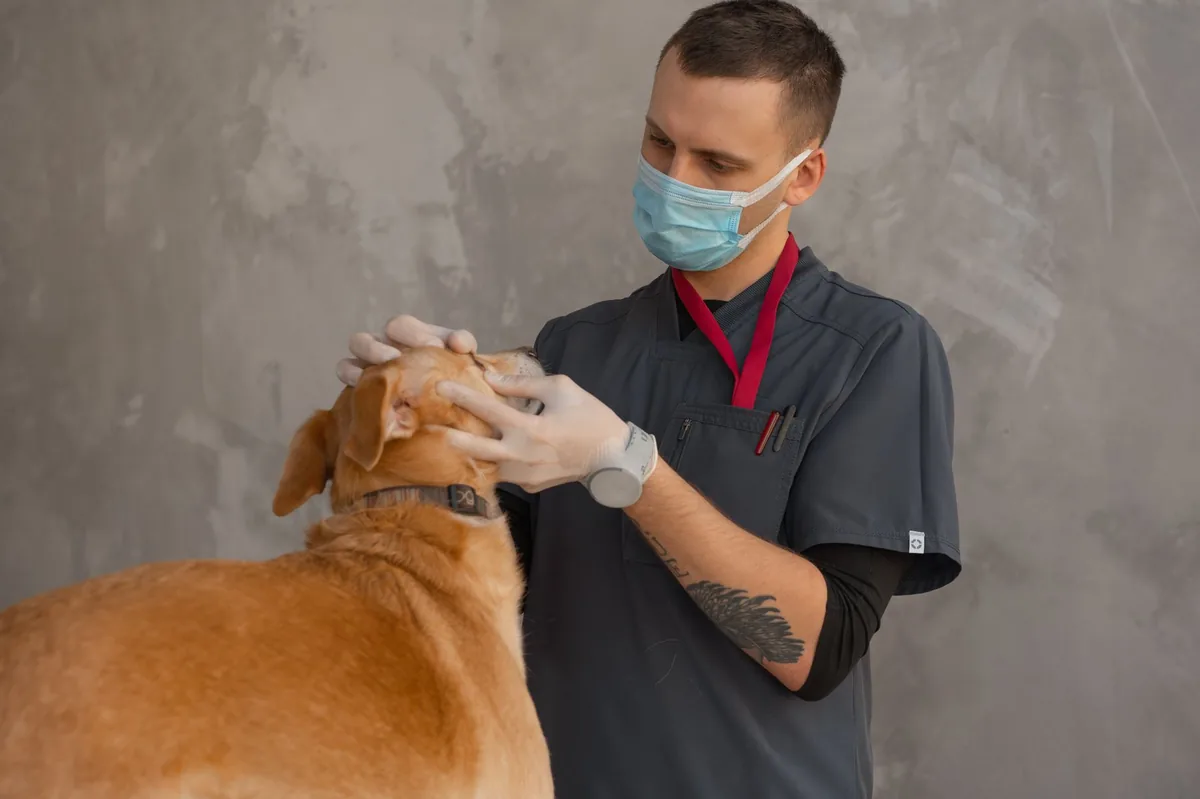
Cost and prognosis
Financial considerations are a real part of any veterinary plan. Below is a rough breakdown of typical expenses in the United States and United Kingdom (prices are estimates and can vary by region, clinic type, and individual case).
| Service | US (USD) | UK (GBP) |
|---|---|---|
| Initial exam & basic labs | $150–$250 | £80–£130 |
| Dental X‑rays (full mouth) | $200–$350 | £120–£210 |
| CT scan of the jaw | $800–$1,200 | £500–£750 |
| Biopsy & pathology | $300–$600 | £150–£300 |
| Surgical correction (partial mandibulectomy) | $3,000–$6,500 | £2,200–£4,800 |
| Post‑op pain meds & antibiotics (2‑week course) | $100–$250 | £60–£140 |
| Follow‑up visits (3 ×) | $150–$300 | £80–£180 |
Prognosis depends on the underlying cause. Benign overgrowth or infection‑related enlargement often resolves well with treatment, and most dogs return to normal activity within 4–6 weeks post‑surgery. Tumors, especially osteosarcoma, carry a more guarded outlook; survival can range from months to a year, depending on staging and whether adjunctive chemotherapy is pursued.
Overall, early detection and appropriate management lead to a favorable quality‑of‑life outcome for the majority of dogs.
Prevention and home care
While you can’t stop genetics, you can reduce the risk of secondary causes and support recovery.
- Regular dental checks: Brush your dog’s teeth several times a week and schedule professional cleanings at least annually. Healthy gums reduce the chance of chronic infection that can trigger bone changes.
- Injury avoidance: Keep your dog safe during high‑energy activities. Use protective gear (e.g., dog mouthguards) for dogs that play rough or compete in agility.
- Vaccination and parasite control: Certain tick‑borne infections (e.g., Ehrlichia) can cause osteomyelitis. Follow AAHA vaccination guidelines and use year‑round tick preventatives.
- Weight management: Maintain an ideal body condition to lessen stress on the jaw and TMJ.
- Monitor for early signs: Perform a quick visual and tactile check of the jaw each month. If you notice swelling, asymmetry, or changes in chewing, note it and contact your vet.
After surgery, keep your dog on a soft diet, limit vigorous play for at least two weeks, and follow your vet’s medication schedule precisely. Gentle mouth massage (with clean hands) can improve circulation, but only if your vet advises it.
Vet’s note
From our vet team: Jawbone enlargement can be alarming because it changes a dog’s appearance, but most cases are manageable with prompt veterinary care. We encourage owners to bring photos of any facial changes to the appointment—visual documentation helps us track progression and decide on the best treatment path.
Key takeaways
- Jawbone enlargement (mandibular hyperostosis) is an abnormal thickening of the lower jaw that can stem from genetics, trauma, infection, or tumors.
- Early signs include a hard swelling, facial asymmetry, and difficulty chewing; pain may develop as the condition progresses.
- Contact your vet promptly for any new jaw swelling; seek emergency care if your dog shows severe pain or rapid swelling.
- Diagnosis combines physical exam, X‑rays, CT scans, blood work, and possibly a biopsy to determine the cause.
- Treatment ranges from anti‑inflammatory meds and antibiotics to surgical reshaping; costs can range from a few hundred to several thousand dollars.
- Support recovery with a soft, highly digestible diet rich in omega‑3s, maintain good dental hygiene, and keep your dog at a healthy weight.
Myth vs. fact
Myth: Jawbone enlargement is always a sign of cancer.
Fact: While tumors can cause bone overgrowth, many cases are due to benign hyperostosis, infection, or trauma and respond well to treatment.
Myth: Surgery is the only way to fix an enlarged jaw.
Fact: Mild cases may improve with medication and dietary management; surgery is reserved for severe, painful, or function‑impairing growths.
Myth: Once the jaw is enlarged, it will keep growing forever.
Fact: With appropriate therapy, the bone can stabilize or even remodel, especially when the underlying cause is addressed.
Frequently asked questions
What causes a dog’s jawbone to enlarge?
The most common triggers are genetic predisposition, trauma (like a fracture), chronic infection, inflammatory disease, or bone‑originating tumors such as osteosarcoma.
What are the early signs of jawbone enlargement in dogs?
Early signs include a firm, localized swelling along the lower jaw, subtle facial asymmetry, and occasional reluctance to chew or eat hard foods.
Is jawbone enlargement in dogs a sign of cancer?
Not necessarily. While malignant tumors can cause bone overgrowth, many cases are benign and result from inflammation or trauma. A biopsy is needed to confirm cancer.
Can medication shrink an enlarged jawbone in a dog?
Medications like NSAIDs, antibiotics, or bisphosphonates can reduce inflammation and slow growth, but they rarely reverse large, established bone overgrowth. Surgery is often required for functional or cosmetic restoration.
How much does surgical correction of a dog’s jawbone cost?
In the U.S., partial mandibulectomy typically costs between $3,000 and $6,500, while full mandibulectomy can exceed $8,000. In the UK, expect £2,200‑£4,800 for partial removal.
Which dog breeds are most at risk for jawbone overgrowth?
Larger breeds such as Great Danes, Boxers, Mastiffs, and some mixed‑breed giants show a higher incidence, likely due to rapid skeletal growth and greater bone mass.
Ask the PuppaDogs community
Have a question this article didn’t fully answer? Want to compare notes with other dog owners who’ve been through this? Our community forum is moderated by experienced owners and vets — and answers tend to come fast. Ask in the PuppaDogs community →
References
- American College of Veterinary Radiology, Guidelines for Mandibular Imaging in Dogs, 2022.
- American Animal Hospital Association (AAHA) Dental Health Guidelines, 2023.
- Merck Veterinary Manual, “Mandibular Hyperostosis” chapter, latest edition.
- American Veterinary Medical Association (AVMA) – Treatment of Canine Osteomyelitis, 2021.
- World Small Animal Veterinary Association (WSAVA) – Nutrition and Bone Health in Dogs, 2020.
- University of California, Davis Veterinary Medicine – Surgical Techniques for Mandibulectomy, 2022.
- American College of Veterinary Internal Medicine (ACVIM) – Guidelines on Canine Osteosarcoma, 2023.
- AAFA (American Association of Feline Practitioners) – Not applicable; see AAHA for canine dental protocols.
- PuppaDogs Community Forum, User‑generated case discussions, accessed July 2026.


