















Quick take: Jaundice in dogs is a yellow discoloration of the skin, gums, or whites of the eyes that signals a problem with the liver, red blood cells, or bile flow. It can be mild or life‑threatening, so any new yellow tint deserves prompt veterinary attention. Treatment ranges from medication and supportive care to surgery, and costs vary widely.
It’s 9 p.m., you’re scrolling through your phone, and your usually‑bright‑eyed Golden Retriever is lying still, his gums a pale mustard color. You’ve never seen anything like it, and the word “jaundice” flashes across the screen. Your heart races, and you wonder: “Is this serious? What can I do right now?”
We hear that worry a lot. Jaundice is a warning sign that something is off inside your dog’s body—most often the liver or the blood. While the condition itself isn’t a disease, it tells you that a hidden problem needs attention.
In this guide we’ll explain what jaundice is, why it happens, how to spot it early, what your vet will look for, treatment options, costs, and practical steps you can take at home to help your dog recover and stay healthy.
What is jaundice in dogs?
Jaundice, also called icterus, is the yellowing of tissues caused by a buildup of a pigment called bilirubin. Bilirubin is a by‑product of red‑blood‑cell breakdown. When the liver can’t process or excrete bilirubin properly, it accumulates in the bloodstream and deposits in the skin, gums, and the whites of the eyes.
In dogs, jaundice is relatively uncommon but not rare. According to the Merck Veterinary Manual, liver‑related jaundice accounts for about 20–30 % of cases that present with yellow discoloration, while hemolytic (red‑cell‑destruction) causes make up another 15–20 %.
What causes jaundice?
Jaundice can arise from three main pathways:
| Pathway | Typical Causes |
|---|---|
| Pre‑hepatic (hemolysis) | Immune‑mediated hemolytic anemia (IMHA), tick‑borne disease (e.g., Babesia), toxins (e.g., zinc, certain plants) |
| Hepatic (liver disease) | Chronic hepatitis, cirrhosis, liver tumors, drug‑induced injury, infections (Leptospirosis, canine hepatitis) |
| Post‑hepatic (bile duct obstruction) | Gallstones, pancreatic inflammation, neoplasia, choledochal cysts |
- Infections: Leptospirosis and canine adenovirus type 1 can cause severe liver inflammation.
- Breed predispositions: Doberman Pinschers, Cocker Spaniels, and Labrador Retrievers have higher rates of hereditary copper‑associated hepatitis, which can lead to jaundice.
- Toxins: Ingesting certain rodenticides, mushrooms, or plants like yew can damage red blood cells or the liver.
Signs and symptoms
| Severity | What you might notice |
|---|---|
| Mild | Yellow tint on gums or whites of eyes, slight loss of appetite, mild lethargy. |
| Moderate | Visible yellowing of skin (especially on the belly), dark urine, pale stools, vomiting. |
| Severe | Marked weakness, rapid breathing, abdominal pain, bleeding tendencies, seizures. |
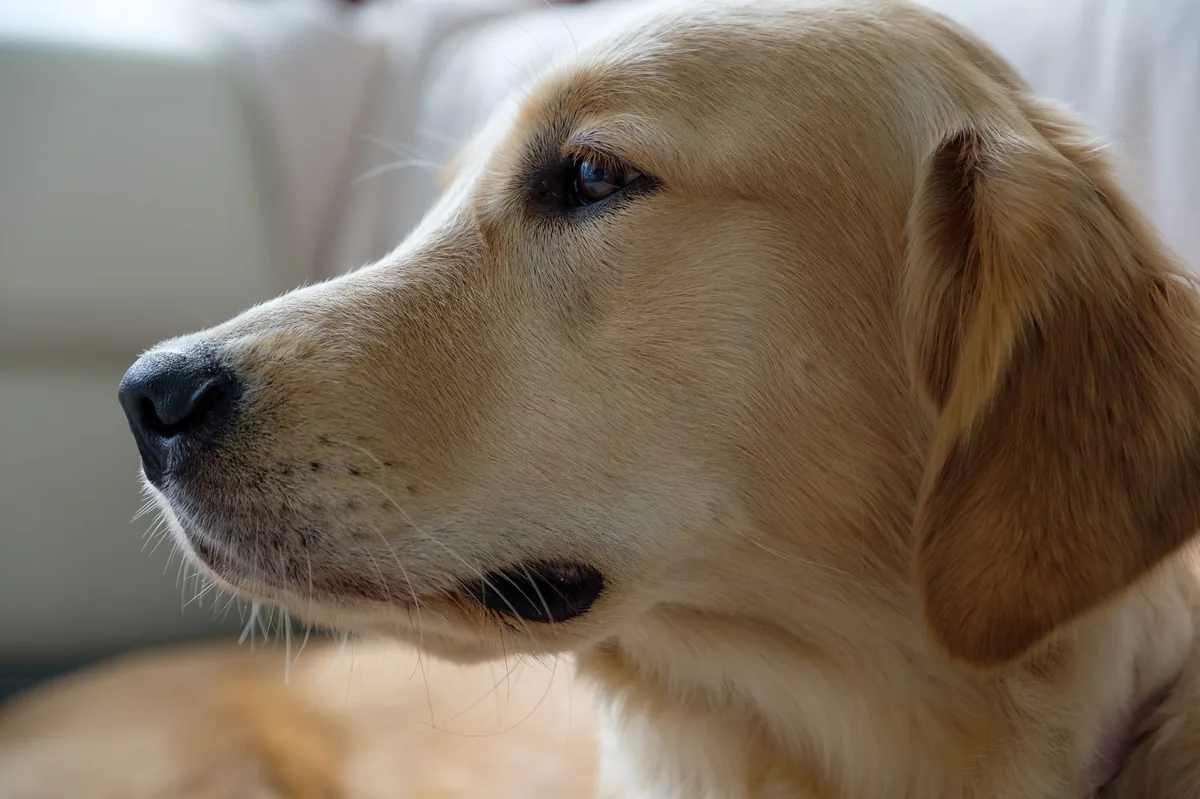
Early signs often include a subtle yellowing of the gums that you might miss until you compare them to a healthy tooth. As the condition worsens, the whole body may turn a golden‑brown hue, and your dog may become increasingly listless.
When to call your vet
Call today (non‑emergency):
- New yellow discoloration of gums, eyes, or skin.
- Loss of appetite lasting more than 12 hours.
- Vomiting or mild diarrhea without blood.
Go to an emergency clinic right now:
- Severe lethargy or inability to stand.
- Dark (tea‑colored) urine or pale, tar‑colored stools.
- Bleeding from gums, nose, or any site.
- Seizures or sudden collapse.
These guidelines are for information only and do not replace a hands‑on veterinary exam.
How vets diagnose jaundice
Diagnosing jaundice starts with a thorough history and physical exam. Your vet will look for yellow discoloration, assess liver size, and listen for fluid buildup.
- Bloodwork: A complete blood count (CBC) checks for anemia or hemolysis; a chemistry panel measures liver enzymes (ALT, AST, ALP) and bilirubin levels. The AAHA recommends a baseline liver panel for any dog with suspected jaundice.
- Urinalysis: Detects bilirubin in the urine, which can confirm liver involvement.
- Imaging: Abdominal ultrasound visualizes the liver, gallbladder, and bile ducts; X‑rays can reveal masses or stones.
- Special tests: If an infectious cause is suspected, PCR or serology for Leptospira, Babesia, or hepatitis viruses may be ordered.
Treatment options
Medical treatment
Medication aims to address the underlying cause and support liver function. Common drug classes include:
- Antibiotics: Amoxicillin‑clavulanate is often used for bacterial infections.
- Antiparasitics: Praziquantel for liver flukes or specific tick‑borne disease protocols.
- Immunosuppressants: Prednisone or cyclosporine for immune‑mediated hemolytic anemia.
- Liver protectants: Ursodeoxycholic acid and s‑adenosyl‑methionine (SAMe) help improve bile flow and reduce inflammation.
Ask your vet about these options; dosing will depend on your dog’s weight and severity.
Supplements and supportive care
Evidence‑based supplements can aid recovery when the liver is stressed:
- Omega‑3 fatty acids (EPA/DHA): Reduce inflammation and support cell membranes. A daily fish‑oil supplement (e.g., 20–30 mg EPA per kg) is commonly recommended.
- Vitamin E: Antioxidant that protects liver cells; often paired with selenium.
- Probiotics: Help maintain gut health, especially if antibiotics are used.
These supplements are adjuncts, not replacements for prescribed medication.
Procedures or surgery
If a blockage or tumor is identified, surgical intervention may be necessary. Common procedures include:
- Cholecystectomy: Removal of a diseased gallbladder.
- Liver lobectomy: Resection of a localized tumor or severely damaged liver lobe.
- Endoscopic biliary stenting: Opens narrowed bile ducts.
Recovery from liver surgery usually requires 2–4 weeks of restricted activity and close monitoring. Costs can range from $5,000–$12,000 (US) or £3,500–£9,000 (UK), depending on the procedure and hospital.
Diet and nutrition
Nutrition plays a vital role in supporting a dog recovering from jaundice. The goal is to provide highly digestible, moderate‑protein, and antioxidant‑rich foods while avoiding excess fat that can stress the liver.
| Category | Recommendations |
|---|---|
| Do feed | High‑quality boiled chicken or turkey (skinless), low‑fat cottage cheese, cooked white rice or sweet potato, steamed green beans. |
| Limit | Fatty meats, fried foods, table scraps, high‑protein treats. |
| Avoid | Raw liver, organ meats, high‑salt foods, grapes/raisins, onions, garlic, any foods containing xylitol. |
Many vets recommend a therapeutic “liver support” diet, such as those formulated to be low in copper and high in antioxidants. While we won’t name brands, look for foods that meet AAFCO nutrient profiles for “maintenance” and contain added SAMe, vitamin E, and omega‑3s.
Feeding tips:
- Small, frequent meals: Offer 3–4 meals per day to reduce metabolic load.
- Hydration: Fresh water should always be available; low‑sodium broth can encourage intake.
- Transition: Gradually mix new diet with the old over 5–7 days to avoid gastrointestinal upset.
- Supplements: Add a measured fish‑oil capsule or a SAMe chewable if your vet approves.
For senior dogs or those with chronic liver disease, a protein level of about 18–22 % of calories (on a dry‑matter basis) is often recommended by the AAHA, but exact needs vary per individual.
For more detailed feeding calculators, check our dog food calculator and read the FAQs on liver health for additional guidance.
Cost and prognosis
Financial planning helps you make informed decisions. Below are typical cost ranges (estimates) for common scenarios in the United States and the United Kingdom:
| Service | US Estimate | UK Estimate |
|---|---|---|
| Initial bloodwork (CBC, chemistry, urinalysis) | $150–$300 | £80–£150 |
| Abdominal ultrasound | $400–$800 | £250–£500 |
| Medication (first 2 weeks) | $50–$200 | £30–£120 |
| Surgery (e.g., cholecystectomy) | $5,000–$12,000 | £3,500–£9,000 |
| Hospitalization (per day) | $250–$500 | £150–£300 |
Prognosis depends on the underlying cause. Dogs with early‑detected infectious hepatitis often recover fully with antibiotics and supportive care, while those with advanced liver fibrosis or aggressive hemolytic anemia have a guarded outlook. Your veterinarian will discuss specific survival odds once a diagnosis is confirmed.
Prevention and home care
Many causes of jaundice are preventable with good husbandry:
- Vaccinations: Keep your dog up‑to‑date on core vaccines, especially for canine hepatitis (Adenovirus 1) and leptospirosis.
- Parasite control: Regular flea, tick, and heartworm preventives reduce the risk of vector‑borne liver infections.
- Safe diet: Avoid feeding raw liver or unknown wild foods that can overload copper.
- Medication safety: Never give over‑the‑counter human drugs (e.g., acetaminophen) without veterinary guidance.
- Environmental toxins: Store rodenticides, chemicals, and plants out of reach.
Routine wellness exams, typically every 12 months for adult dogs (AAHA 2023 Preventive Care Guidelines), allow early detection of liver enzyme changes before jaundice appears.
From our vet team: “If you notice even a faint yellow hue, bring your dog in promptly. Early work‑up often uncovers a treatable infection or a reversible toxin exposure, and the sooner we intervene, the better the outcome.”
Key takeaways
- Yellow gums or eyes mean your dog’s liver or red‑cell system is stressed—seek veterinary care right away.
- Common causes include infections, liver disease, hemolysis, and bile‑duct blockages; breed predispositions exist.
- Bloodwork, ultrasound, and urinalysis are the core diagnostic tools your vet will use.
- Treatment blends medications (antibiotics, steroids, liver protectants), supportive nutrition, and sometimes surgery.
- Cost can vary from a few hundred dollars for diagnostics to several thousand for surgery; discuss a detailed estimate with your vet.
- Prevention hinges on vaccinations, parasite control, safe feeding practices, and regular wellness exams.
Myth vs. fact
Myth: Jaundice always means liver failure.
Fact: Jaundice is a symptom, not a disease; it can result from liver, blood, or bile‑duct problems, many of which are treatable.
Myth: Yellow gums are only visible in dark‑skinned dogs.
Fact: Any dog, regardless of coat color, can show gum discoloration; checking the gums is a reliable early clue.
Myth: Home remedies can cure jaundice.
Fact: While supportive care helps, only a veterinarian can diagnose the underlying cause and prescribe appropriate treatment.
Frequently asked questions
What does jaundice look like in a dog?
Jaundice appears as a yellow tint on the gums, whites of the eyes (sclera), and sometimes the skin, especially on the belly or paw pads.
Why is my dog’s gums turning yellow?
The yellow color is caused by excess bilirubin, which can stem from liver disease, hemolysis, or a blockage in the bile ducts.
Can jaundice be cured in dogs?
Yes, many cases are curable once the underlying cause is identified and treated—such as antibiotics for infection or surgery for a blockage.
How urgent is treatment for a dog with jaundice?
Jaundice warrants a veterinary appointment within the same day; if the dog is lethargic, has dark urine, or is bleeding, seek emergency care immediately.
What home care can I provide for a dog with jaundice?
Offer small, frequent meals of easily digestible protein, keep fresh water available, limit fat, and avoid any human medicines or toxins until your vet advises otherwise.
What blood tests detect jaundice in dogs?
A chemistry panel measures bilirubin and liver enzymes, while a complete blood count can reveal hemolysis; both are standard in diagnosing jaundice.
Ask the PuppaDogs community
Have a question this article didn’t fully answer? Want to compare notes with other dog owners who’ve been through this? Our community forum is moderated by experienced owners and vets — and answers tend to come fast. Ask in the PuppaDogs community →
References
- American Animal Hospital Association (AAHA) 2023 Canine Preventive Care Guidelines.
- American Veterinary Medical Association (AVMA) “Liver Disease in Dogs” fact sheet.
- Merck Veterinary Manual, “Jaundice and Liver Disease in Dogs” chapter.
- Cornell University College of Veterinary Medicine, “Canine Hepatitis and Jaundice” clinical overview.
- World Small Animal Veterinary Association (WSAVA) guidelines on hepatic disorders.
- UC Davis School of Veterinary Medicine, “Bacterial and Parasitic Causes of Jaundice” article.


