












Quick take: A dry nose in dogs is often harmless and caused by age, environment, or temporary dehydration, but it can also signal an underlying health issue. Look for other signs—like lethargy, fever, or crusty skin—to decide if a vet visit is needed.
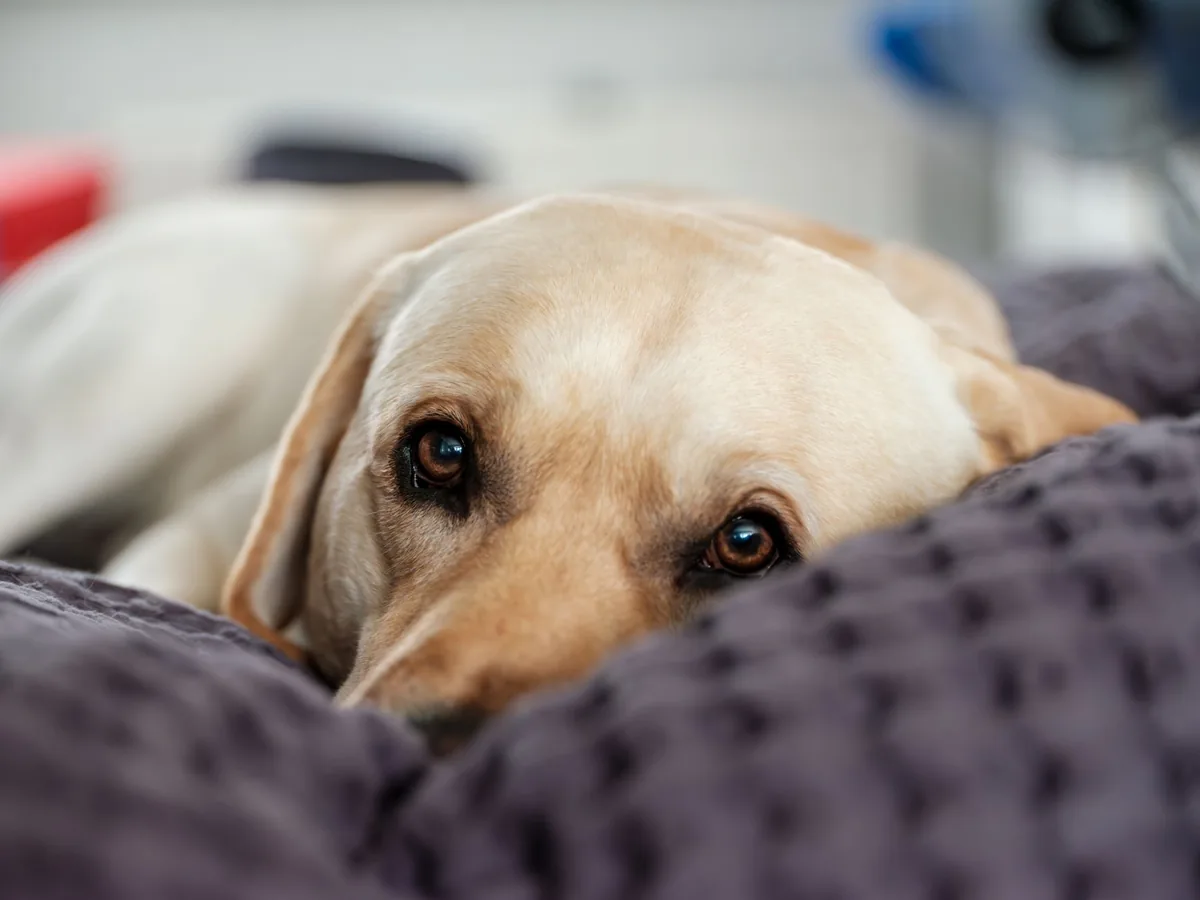
It’s 10 p.m., and you’re scrolling through your phone while your senior Labrador, Bella, sniffs the kitchen floor with a noticeably dry, flaky nose. She’s usually the first one at the door, but tonight she’s slower, and her nose looks like a desert. Your mind jumps to every article you’ve ever read about “dry nose = disease.” You wonder: is this a red‑flag, or just a normal part of aging?
We get it—every change in your dog’s appearance can feel urgent. The good news is that a dry nose is usually benign, but it can sometimes be a clue to dehydration, infection, or a systemic problem. In this article we’ll break down what a dry nose means, when it’s harmless, and when it warrants a vet’s attention. We’ll also cover causes, diagnostic steps, treatment options, nutrition tips, costs, and prevention, so you’ll feel confident making the right call for your pup.
What is a dry nose in dogs?
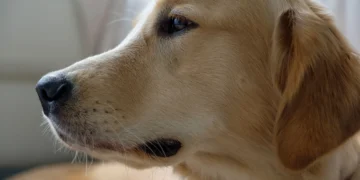
A dog’s nose is naturally moist because the glands in the nasal lining produce a thin layer of mucus. This moisture helps capture scent particles, keeps the nasal tissue pliable, and protects against cracking. In most healthy dogs, the nose feels cool and slightly damp to the touch. When the surface feels dry, flaky, or cracked, it’s simply called a “dry nose.”
Dry noses are common across all breeds and ages. Studies from the Merck Veterinary Manual note that up to 30 % of senior dogs show intermittent dryness without any associated illness. However, the same source warns that persistent dryness combined with other clinical signs can indicate an underlying condition.
What causes a dry nose?
Dry noses can stem from a variety of factors, grouped into three main categories: environmental/age‑related, temporary physiological changes, and medical conditions.
| Category | Typical Causes | Examples |
|---|---|---|
| Environmental / Age‑related | Low humidity, wind, sun exposure, aging | Living in a heated home, outdoor walks on a hot day, senior dogs |
| Transient Physiological | Dehydration, fever, recent anesthesia, excitement | After a long hike without water, post‑surgery recovery, a fever spike |
| Medical Conditions | Infections, autoimmune skin disease, hypothyroidism, allergies, nutritional deficiencies | Canine dermatophytosis, pemphigus foliaceus, low thyroid hormone |
Most owners encounter the first two categories. When a dry nose appears suddenly after a hot day or a bout of excitement, it’s usually temporary. Persistent dryness that lasts weeks, especially if accompanied by cracking or discoloration, should prompt a closer look at the medical column.
Signs and symptoms
Dryness can range from a subtle loss of sheen to severe cracking that bleeds. Below is a quick guide to help you gauge the severity.
| Severity | What you might see | Typical accompanying signs |
|---|---|---|
| Mild | Just a little less moisture, no flakes | Normal activity, normal appetite |
| Moderate | Flaking, slight roughness, occasional crust | Reduced playfulness, mild lethargy |
| Severe | Cracked, bleeding, discoloration (red or dark) | Fever, loss of appetite, vomiting, weight loss |
In many cases, a dry nose is the only sign you’ll notice. However, if you also detect any of the “severe” accompanying signs, it’s time to act quickly.
When to call your vet
Call your vet today if:
- The nose has been dry for more than a week.
- You notice flaking, crusting, or discoloration.
- Your dog shows any mild systemic signs (lethargy, reduced appetite, mild fever).
- There’s a sudden change after a recent illness, surgery, or medication.
Go to an emergency veterinary hospital right now if:
- The nose is cracked and bleeding.
- Dryness is paired with vomiting, diarrhea, or a fever above 103 °F (39.4 °C).
- Your dog appears disoriented, collapses, or shows signs of severe pain.
This article is for informational purposes only and does not replace a hands‑on veterinary exam.
How vets diagnose a dry nose
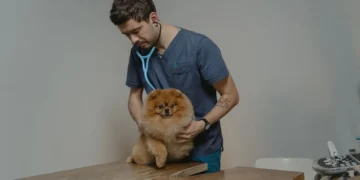
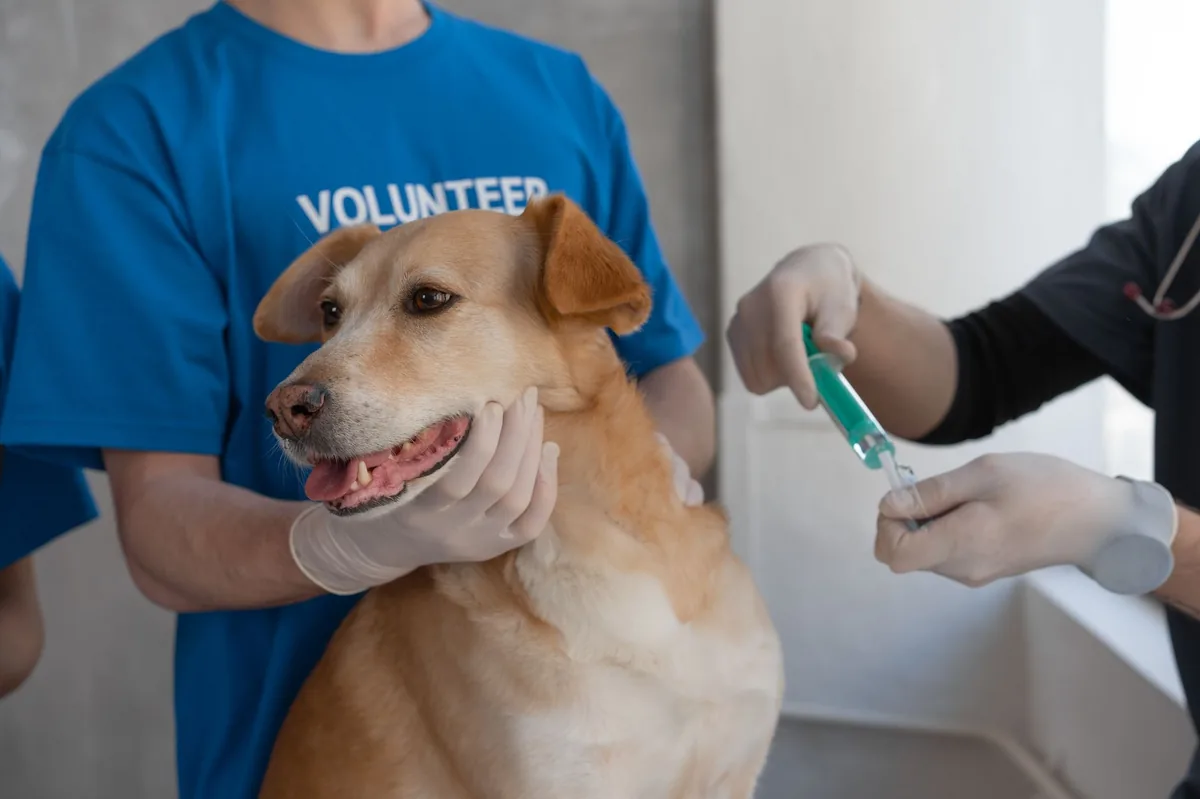
When you bring your dog in, the veterinarian will start with a thorough history: recent activities, diet, environment, and any other symptoms you’ve noticed. The physical exam includes a close look at the nasal skin, checking for cracks, discoloration, or lesions.
Diagnostic tests may include:
- Blood work (CBC, chemistry panel, thyroid hormone test) – helps rule out dehydration, infection, or hypothyroidism.
- Skin scrape or impression – looks for fungal elements, mites, or bacterial overgrowth.
- Biopsy (rare) – if an autoimmune skin disease is suspected, a small tissue sample may be examined under a microscope.
- Urinalysis – assesses hydration and kidney function, especially in senior dogs.
These tests follow the guidelines set by the American College of Veterinary Internal Medicine (ACVIM) for dermatologic work‑ups.
Treatment options
Topical moisturizers and skin care
For mild to moderate dryness, vets often recommend a gentle, fragrance‑free moisturizer. Products containing pet‑safe ingredients like coconut oil, shea butter, or a veterinary‑approved lanolin cream can restore moisture. Your vet may suggest applying the product 2–3 times daily after a brief cleaning with warm water.
Ask your vet about ointment formulas such as Vetericyn® or Dermal Therapy®—they’re designed specifically for canine skin and won’t interfere with the nose’s scent‑detecting ability.
Systemic medication
If a medical condition is identified, treatment targets the underlying cause:
- Antibiotics (e.g., amoxicillin‑clavulanate) for bacterial skin infections.
- Antifungals (e.g., terbinafine) for dermatophyte infections.
- Immunosuppressants such as prednisone for autoimmune disorders like pemphigus foliaceus.
- Thyroid hormone replacement (levothyroxine) for hypothyroidism.
All of these require a prescription, and dosages are always weight‑based. Ask your vet about each option if a specific disease is diagnosed.
Procedures and advanced diagnostics
When skin scrapings and blood work are inconclusive, a small skin biopsy may be performed under light sedation. The sample is sent to a pathology lab to look for autoimmune patterns or rare infections. Recovery from a biopsy is quick—usually a day of rest—and the cost can range from $200–$500 depending on the lab and region.
Diet and nutrition
Nutrition plays a subtle but important role in skin and nasal health. A balanced diet that meets the AAFCO nutrient profile supports overall skin integrity, while specific nutrients can help address dryness directly.
Foods to favor
- High‑quality animal protein – provides essential amino acids for skin regeneration.
- Omega‑3 fatty acids – EPA and DHA from fish oil reduce inflammation and improve skin barrier function.
- Biotin‑rich ingredients – eggs, liver, and certain grains support keratin production.
- Moderate zinc – found in pumpkin seeds and lean meats, helps maintain healthy skin.
Foods to limit or avoid
- Excessive dry kibble without water – can contribute to dehydration.
- Highly processed treats with artificial preservatives – may trigger allergic skin reactions.
- Very high‑fat meals – can exacerbate oily skin conditions that lead to crusting.
For dogs with chronic skin problems, veterinarians sometimes recommend a therapeutic “skin‑support” diet (e.g., Hill’s Prescription Diet® Derm Complete). These formulas are enriched with omega‑3s, antioxidants, and limited ingredients to reduce allergens. They are not a cure for a dry nose but can improve overall skin health.
When transitioning to a new diet, do it gradually over 7–10 days to avoid gastrointestinal upset—a common concern for senior dogs. Mix increasing amounts of the new food with decreasing amounts of the old food, and monitor water intake closely.
Hydration is especially crucial. Offer fresh water at all times, and consider adding a low‑sodium broth or water‑enhanced kibble if your dog is a picky drinker. For dogs prone to dehydration after exercise, a pet‑safe electrolyte solution (e.g., Pedialyte® unflavored, diluted) can be useful, but always check with your vet first.
| Category | Do feed | Limit | Avoid |
|---|---|---|---|
| Protein | High‑quality animal protein (chicken, turkey, fish) | Plant‑based protein isolates | Low‑protein “maintenance” diets for senior dogs |
| Fats | Omega‑3 sources (fish oil, flaxseed) | Very high‑fat treats | Excessive saturated fats |
| Hydration | Fresh water, low‑sodium broth | Dry kibble alone | Salted snacks |
In addition to food, a daily supplement of omega‑3 oil (about 20 mg per pound of body weight) can be beneficial for skin health, but always discuss the exact amount with your vet. If your dog is already on a prescription diet, ask whether adding a supplement is needed.
Cost and prognosis
Expenses vary by region and the depth of diagnostics needed. Below is a rough guide:
| Service | US Estimate | UK Estimate |
|---|---|---|
| Initial veterinary exam | $50–$150 | £45–£130 |
| Basic blood panel | $80–$200 | £70–£180 |
| Skin scrape / cytology | $30–$80 | £30–£70 |
| Biopsy (if needed) | $200–$500 | £180–£450 |
| Topical moisturizers (over‑the‑counter) | $10–$30 | £8–£25 |
Prognosis is excellent when the dry nose is isolated or linked to a simple, treatable cause like dehydration. If it’s part of a chronic skin disease or an autoimmune disorder, management is lifelong but most dogs maintain a good quality of life with proper care.
Prevention and home care
Keeping your dog’s nose healthy is mostly about environmental management and routine checks:
- Maintain humidity in dry indoor spaces—use a humidifier during winter heating.
- Protect from harsh weather—apply a pet‑safe balm before long sun or wind exposure.
- Regular hydration—refresh water bowls daily and consider a water fountain.
- Gentle cleaning—wipe the nose with a warm, damp cloth once a day if it looks dry.
- Monitor skin health—monthly checks for flaking, crusting, or changes in color.
- Annual vet wellness exam—helps catch early systemic issues that can manifest as a dry nose.
For senior dogs, a slightly higher water intake and a diet rich in omega‑3s can make a noticeable difference. If you notice your dog’s nose drying out after a specific activity (e.g., after a swim), a quick rinse with lukewarm water and a brief moisturizer can prevent cracking.
From our vet team: A dry nose is rarely an emergency on its own, but it can be the first hint of dehydration, fever, or a skin infection. Keep an eye on any accompanying signs, stay on top of hydration, and don’t hesitate to call your vet if the dryness persists or worsens.
Key takeaways
- A dry nose is often normal, especially in older dogs or after exposure to dry air.
- Watch for red‑flag signs like cracking, bleeding, fever, or loss of appetite—these warrant a vet visit.
- Hydration, a balanced diet rich in omega‑3s, and gentle moisturizers are the main home‑care tools.
- Diagnostic work‑up may include blood tests, skin scrapes, and occasionally a biopsy to rule out infection or autoimmune disease.
- Treatment ranges from simple topical balms to prescription meds for underlying conditions; costs vary but are usually manageable.
- Regular wellness exams and a humidified home environment help prevent chronic dryness.
Myth vs. fact
Myth: All dogs should have a constantly wet nose.
Fact: A healthy nose can be slightly dry or cool, especially in senior dogs or after a nap.
Myth: A dry nose always means the dog is sick.
Fact: Most dry noses are benign and linked to environment or age; only when paired with other symptoms does it suggest illness.
Myth: You can treat a dry nose with human moisturizers.
Fact: Many human lotions contain fragrances or ingredients that can irritate a dog’s skin; use only pet‑safe, vet‑approved products.
Frequently asked questions
Can a dry nose indicate a health problem in dogs?
Yes, but usually only when it’s persistent or accompanied by other signs such as lethargy, fever, or skin lesions. In many cases it’s simply a result of low humidity or aging.
What are the common causes of a dry nose in dogs?
Common causes include environmental factors (dry air, sun, wind), dehydration, fever, and medical conditions like skin infections, autoimmune disease, or hypothyroidism.
How can I tell if my dog’s dry nose is serious?
If the nose is cracked, bleeding, or paired with vomiting, loss of appetite, or a temperature above 103 °F (39.4 °C), seek veterinary care immediately. Mild flaking without other symptoms is usually not urgent.
Should I take my dog to the vet for a dry nose?
If the dryness lasts more than a week, shows cracks, or is accompanied by systemic signs, schedule a vet appointment. A quick exam can rule out infection or dehydration.
What home remedies can help a dog’s dry nose?
Gentle moisturizers like a thin layer of coconut oil or a veterinary‑approved lanolin cream applied 2–3 times daily can restore moisture. Always keep fresh water available and protect the nose from harsh weather.
Is a dry nose linked to fever or infection in dogs?
Yes. Fever or infection can reduce nasal secretions, leading to dryness. If you suspect a fever (feel for warmth on the nose or check rectal temperature), contact your vet right away.
Ask the PuppaDogs community
Have a question this article didn’t fully answer? Want to compare notes with other dog owners who’ve been through this? Our community forum is moderated by experienced owners and vets — and answers tend to come fast. Ask in the PuppaDogs community →
References
- American Animal Hospital Association (AAHA) 2023 Guidelines for Canine Dermatology.
- American Veterinary Medical Association (AVMA) “Pet Care and Hydration.”
- Merck Veterinary Manual, “Nasal and Skin Disorders in Dogs.”
- Cornell University College of Veterinary Medicine, “Canine Dermatology Overview.”
- World Small Animal Veterinary Association (WSAVA) “Skin and Coat Health Recommendations.”
- UC Davis School of Veterinary Medicine, “Hypothyroidism in Dogs.”
- American College of Veterinary Internal Medicine (ACVIM) Consensus Statement on Dermatologic Diagnostic Testing.
- AAFP (American Academy of Family Physicians) “Pet Nutrition and Skin Health.”


