











Quick take: Intestinal leiomyoma is a benign smooth‑muscle tumor that can cause blockage or bleeding in the gut. Most dogs do well after surgical removal, but prompt veterinary care is essential to avoid complications.
It’s late at night and your 9‑year‑old mixed‑breed, Bella, is lying still on the couch instead of trotting to the kitchen for her dinner. When you open her mouth to check her gums, they look a little paler than usual, and she lets out a soft whine when you gently press her abdomen. Your mind races through possible causes—maybe it’s just a stomach upset, or perhaps something more serious. The bottom line is that an intestinal leiomyoma can mimic many gastrointestinal problems, but it’s treatable when caught early. Below we’ll walk through what this tumor is, how to spot it, what the vet will do, and how you can help Bella recover and stay healthy.
In this guide we cover everything a worried owner needs to know: definition, risk factors, signs, diagnosis, treatment options, cost expectations, diet after surgery, and ways to prevent recurrence. We also answer the most common follow‑up questions, so you’ll have a single, reliable resource to reference.
What is intestinal tumor (leiomyoma) in dogs?
A leiomyoma is a benign tumor that arises from the smooth muscle layer of the intestine. “Benign” means the growth itself does not spread (metastasize) to other organs, but its size or location can still cause serious problems like partial blockage, ulceration, or bleeding. In dogs, leiomyomas most often appear in the small intestine, though they can develop anywhere along the gastrointestinal (GI) tract.
Intestinal leiomyomas are relatively uncommon, accounting for roughly 5–10 % of all canine GI tumors according to the American College of Veterinary Internal Medicine (ACVIM). While they are not cancerous, the clinical impact can be severe if the tumor obstructs the passage of food or causes hemorrhage.
What causes it?
Exactly why a smooth‑muscle cell turns into a leiomyoma isn’t fully understood, but several risk factors have been identified:
- Age: Most cases occur in middle‑aged to senior dogs (7 years and older).
- Breed predisposition: Certain breeds appear over‑represented, including Boxers, German Shepherds, and mixed‑breed dogs with a large‑breed background.
- Genetic factors: Ongoing research suggests a hereditary component, though no specific gene has been pinpointed.
- Chronic inflammation: Long‑standing intestinal inflammation (e.g., inflammatory bowel disease) may increase the odds of smooth‑muscle proliferation.
Environmental factors such as diet or exposure to toxins have not been conclusively linked to leiomyoma development.
Signs and symptoms
Because leiomyomas grow inside the intestinal wall, they often produce vague GI signs that can be mistaken for food intolerance, parasites, or a simple upset stomach. Early clues are usually subtle, while later signs indicate a more urgent problem.
| Severity | Typical signs |
|---|---|
| Mild | Reduced appetite, occasional loose stool, slight lethargy. |
| Moderate | Vomiting (often after meals), consistent weight loss, pale gums, intermittent abdominal pain. |
| Severe | Complete blockage (no stool or gas), persistent vomiting, blood in stool or vomit, severe abdominal distension, collapse. |
Key differences from other GI issues:
- Intermittent pain with meals: A tumor can act like a “kink” that worsens after eating.
- Blood‑tinged vomit or stool: Tumor ulceration can cause occult bleeding, unlike simple diarrhea.
- Palpable mass: In some dogs the tumor can be felt as a firm, irregular lump in the abdomen.
When to call your vet
Call your regular vet today if you notice:
- Decreased appetite lasting more than 24 hours.
- Occasional vomiting or loose stools.
- Noticeable weight loss or pale gums.
- Any abdominal tenderness when you gently press the belly.
Go to an emergency veterinary hospital right now if you see:
- Repeated vomiting (more than 2–3 times in a short period).
- Blood in vomit or stool.
- Abdominal swelling or a dog that is unable to pass gas.
- Sudden collapse, weakness, or difficulty breathing.
These red‑flag signs can indicate a life‑threatening blockage or severe hemorrhage. This article is for informational purposes only and does not replace a hands‑on veterinary exam.
How vets diagnose it
Diagnosing an intestinal leiomyoma involves a stepwise workup:
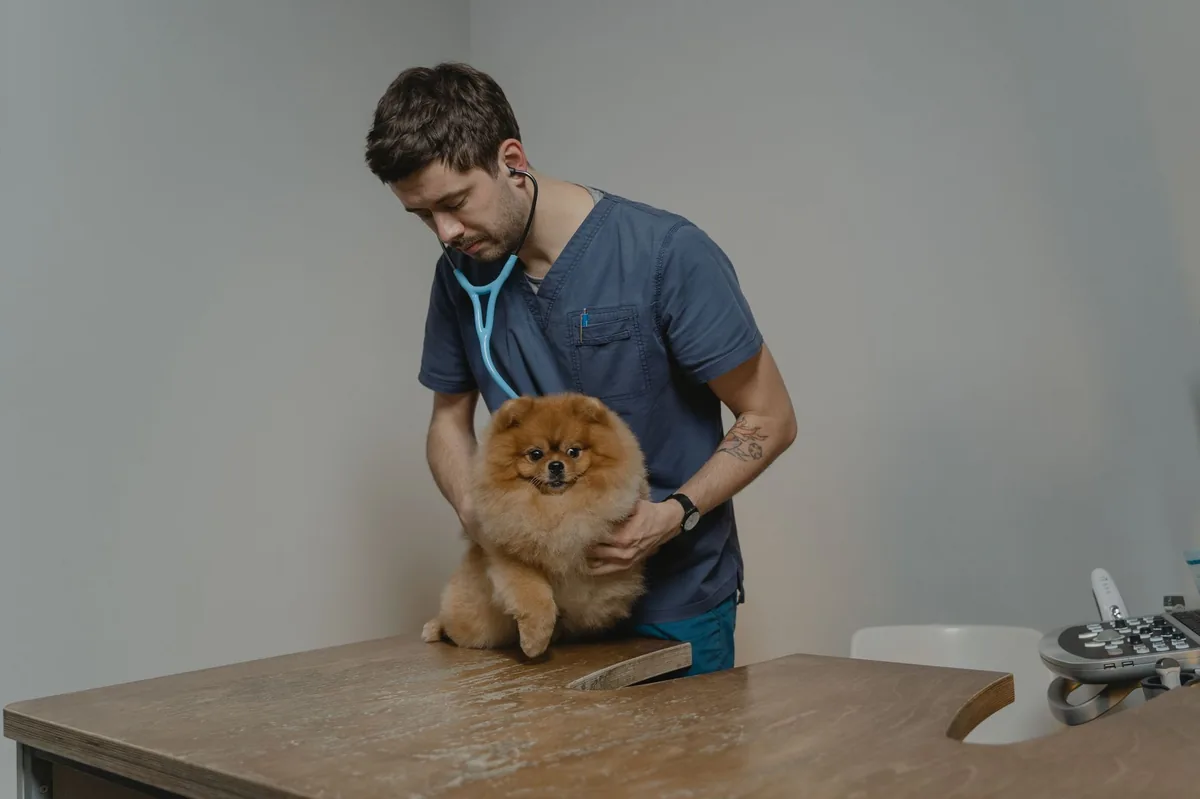
- History and physical exam: The vet will ask about diet, vomiting frequency, weight changes, and will palpate the abdomen for masses.
- Bloodwork: A complete blood count (CBC) and chemistry panel can reveal anemia, electrolyte imbalances, or signs of inflammation.
- Imaging:
- Abdominal ultrasound: Shows a well‑defined, hypoechoic (dark) mass arising from the intestinal wall. The tumor often appears homogeneous and may cause a “target” pattern.
- Radiographs (X‑rays): May reveal signs of obstruction such as gas distension or an abnormal soft‑tissue opacity.
- Endoscopy or exploratory surgery: If imaging points to a mass, a veterinarian may obtain a tissue sample via endoscopic biopsy or during a laparotomy (surgical opening). Histopathology confirms the leiomyoma diagnosis.
In some cases, a fine‑needle aspirate (FNA) is performed, but because smooth‑muscle tumors can look similar to gastrointestinal stromal tumors (GISTs), a full biopsy is preferred for definitive classification.
Treatment options
Medical treatment
Because leiomyomas are benign, the primary curative approach is surgical removal. Medical management is usually supportive and aims to stabilize the dog before surgery:
- Fluid therapy: Intravenous (IV) fluids correct dehydration and electrolyte loss.
- Anti‑emetics: Medications such as maropitant (Cerenia) or ondansetron help control vomiting.
- Pain control: NSAIDs like carprofen or opioid analgesics (e.g., buprenorphine) are used under veterinary supervision.
- Antibiotics: If secondary bacterial infection is suspected, broad‑spectrum antibiotics (e.g., amoxicillin‑clavulanate) may be prescribed.
These drugs are supportive; they do not shrink the tumor. Your vet will advise “ask your vet about” each medication if you’re interested in the specifics.
Supplements and supportive care
While no supplement can cure a leiomyoma, certain adjuncts can aid recovery after surgery:
- Omega‑3 fatty acids (EPA/DHA): Reduce post‑operative inflammation and support gut health.
- Probiotics (e.g., Enterococcus faecium): Help restore normal intestinal flora after antibiotics or anesthesia.
- Glutamine powder: May assist intestinal mucosal healing when fed at a low dose, as suggested by the American College of Veterinary Nutrition (ACVN).
Always discuss supplement choices with your vet, especially if your dog is on other medications.
Procedures or surgery
The definitive treatment is a surgical resection of the affected intestinal segment, often called an intestinal enterectomy. During the operation the surgeon removes the tumor with a margin of healthy tissue and reconnects the remaining intestines (anastomosis).
Recovery typically involves 2–4 days of hospitalization for monitoring, IV fluids, pain control, and gradual return to eating. Most owners report a full return to normal activity within 2–3 weeks.
Estimated cost ranges (US $):
| Item | Typical cost range |
|---|---|
| Pre‑operative bloodwork & imaging | $300–$600 |
| Surgical procedure (including anesthesia) | $2,000–$4,500 |
| Hospitalization (2–4 days) | $500–$1,200 |
| Post‑operative pain meds & antibiotics | $150–$300 |
| Total estimate | $3,000–$6,600 |
UK costs are roughly £2,200–£4,800 for the entire episode of care, reflecting similar veterinary fee structures.
Diet and nutrition
Nutrition plays a pivotal role in both recovery from intestinal surgery and long‑term gut health. While there’s no “one‑size‑fits‑all” prescription diet for leiomyoma, the following guidelines help support healing and reduce recurrence risk.
What to feed
- Highly digestible protein: Cooked chicken, turkey, or commercially available “wet” diets formulated for gastrointestinal recovery provide easy‑to‑absorb amino acids.
- Low‑fat, moderate‑fiber meals: A diet with < 15 % fat and 2–4 % fiber helps lessen intestinal workload while still promoting normal motility.
- Added omega‑3s: Fish oil capsules (EPA/DHA) or foods enriched with marine oils can dampen inflammation.
- Hydration: Fresh water should be available at all times; adding low‑salt broth to meals can encourage fluid intake.
What to limit or avoid
- High‑fat treats (e.g., bacon, cheese) that can delay gastric emptying.
- Very rough or high‑fiber kibble (e.g., raw corn, wheat bran) until the gut has healed.
- Spicy or heavily seasoned foods that may irritate the intestinal lining.
Transition tips
Switch to the recovery diet gradually over 3–5 days: mix 25 % new food with 75 % old, then increase the new portion by 25 % each day. This helps avoid “food shock” and keeps stool consistency steady.
| Category | Do feed | Limit | Avoid |
|---|---|---|---|
| Protein | Boiled chicken, low‑fat turkey | Lean beef (occasionally) | Fatty cuts, processed meats |
| Carbohydrate | White rice, sweet potato | Whole grain kibble | High‑fiber cereals |
| Fats | Fish oil, flaxseed oil | Butter, oil sprays | Fried foods |
For dogs with pre‑existing kidney or liver disease, consult your veterinarian before adding supplements.
Cost and prognosis
When a leiomyoma is removed surgically, the prognosis is generally excellent. Studies compiled by the Veterinary Cancer Society indicate a > 90 % disease‑free survival rate at 1 year for dogs that undergo complete excision and have no concurrent malignancy.
Typical cost breakdown (US):
- Diagnostic work‑up (bloodwork, ultrasound, biopsy): $300–$600.
- Surgical removal and anesthesia: $2,000–$4,500.
- Hospital stay (2–4 days): $500–$1,200.
- Post‑op meds and follow‑up visits: $150–$300.
Overall, owners can expect to spend roughly $3,000–$6,600 for the entire episode of care. In the UK, comparable expenses range from £2,200 to £4,800. Insurance plans that cover “surgical procedures” often reimburse a substantial portion, so checking your policy early can reduce out‑of‑pocket costs.
Long‑term outlook:
- Survival: Most dogs live a normal lifespan after complete removal, especially when the tumor was benign and fully excised.
- Quality of life: Dogs typically return to their usual activity levels within weeks, provided they receive proper nutrition and pain management.
- Recurrence: True recurrence of a leiomyoma is rare (< 5 %). However, regular check‑ups are advised to monitor for new growths or other GI disorders.
Prevention and home care
Because the exact cause of leiomyoma is unknown, prevention focuses on maintaining overall gut health and early detection:
- Provide a balanced diet with digestible proteins and moderate fiber.
- Keep up with routine deworming and flea/tick control, as chronic inflammation can be a risk factor.
- Schedule annual wellness exams that include abdominal palpation and, if indicated, an ultrasound.
- Monitor your dog’s weight, appetite, and stool consistency; any sudden change warrants a vet call.
- Limit exposure to known gastrointestinal irritants (e.g., garbage, toxic plants).
After surgery, a short period of restricted activity (leash walks only) for 10–14 days helps the intestinal anastomosis heal. Gradually re‑introduce normal exercise as advised by your vet.
From our vet team: “If your dog is diagnosed with an intestinal leiomyoma, the key is timely surgery and diligent post‑op care. Most owners are surprised at how quickly dogs bounce back once the blockage is removed. Keep a close eye on appetite, hydration, and stool, and don’t hesitate to call us if anything feels off.”
Key takeaways
- Intestinal leiomyoma is a benign smooth‑muscle tumor that can cause blockage or bleeding.
- Early signs include reduced appetite, intermittent vomiting, and pale gums; severe signs require emergency care.
- Diagnosis relies on bloodwork, abdominal ultrasound, and a definitive biopsy during surgery.
- Surgical removal is curative in most cases; supportive meds manage pain and inflammation before surgery.
- Post‑operative diet should be highly digestible, low‑fat, and supplemented with omega‑3s to aid healing.
- Overall cost in the US averages $3,000–$6,600, and prognosis after complete excision is excellent.
Myth vs. fact
Myth: Leiomyoma is a type of cancer that will spread throughout the body.
Fact: Leiomyoma is benign; it does not metastasize, though it can cause serious complications if it blocks the intestine.
Myth: All intestinal tumors require chemotherapy.
Fact: Because leiomyoma is non‑cancerous, chemotherapy is not indicated; surgery alone is usually sufficient.
Myth: Once removed, the tumor can never come back.
Fact: Recurrence is rare but possible; regular veterinary check‑ups help catch any new growth early.
Frequently asked questions
What does an intestinal leiomyoma look like on an ultrasound?
On ultrasound, a leiomyoma appears as a well‑defined, homogenous, hypoechoic (dark) mass arising from the muscular layer of the intestine, often with a “target” pattern due to surrounding layers.
Are there non‑surgical treatments for intestinal leiomyoma in dogs?
Medical management is limited to supportive care (fluids, anti‑emetics, pain relief) and cannot eliminate the tumor; definitive cure requires surgical removal.
How quickly do symptoms of intestinal leiomyoma appear?
Symptoms can develop gradually over weeks or present suddenly if the tumor abruptly blocks the intestine, making the timeline variable.
What is the typical recovery time after intestinal tumor surgery?
Most dogs stay hospitalized 2–4 days, resume eating within 24 hours, and return to normal activity in 2–3 weeks with gradual exercise.
Do certain dog breeds get intestinal leiomyoma more often?
Boxers, German Shepherds, and large mixed‑breed dogs show a higher incidence, though the tumor can occur in any breed.
Will my dog need chemotherapy after tumor removal?
Because leiomyoma is benign, chemotherapy is not part of standard treatment; your vet may discuss it only if a malignant tumor was discovered instead.
Ask the PuppaDogs community
Have a question this article didn’t fully answer? Want to compare notes with other dog owners who’ve been through this? Our community forum is moderated by experienced owners and vets — and answers tend to come fast. Ask in the PuppaDogs community →
References
- American College of Veterinary Internal Medicine (ACVIM). “Gastrointestinal Tumors in Dogs” – clinical guidelines.
- American Animal Hospital Association (AAHA). 2023 Standards for Veterinary Care.
- Merck Veterinary Manual. “Leiomyoma” entry – pathology and treatment overview.
- Veterinary Cancer Society. “Outcomes for Benign Intestinal Tumors” – survival data.
- American College of Veterinary Nutrition (ACVN). “Nutritional Management of Post‑Surgical GI Patients.”
- UK Veterinary Association. “Cost of Veterinary Surgical Procedures” – comparative pricing.
- UC Davis School of Veterinary Medicine. “Ultrasound Imaging of Canine Intestinal Masses.”
- World Small Animal Veterinary Association (WSAVA). “Guidelines for Post‑Operative Care in Small Animals.”


