














Quick take: Strongyloidiasis is a worm infection caused by the tiny roundworm *Strongyloides stercoralis*. Dogs can pick it up from contaminated soil, and the parasite can cause diarrhea, weight loss, and skin irritation. Most cases respond well to a short course of deworming medication, but severe infections—especially in puppies or senior dogs—need prompt veterinary care. Early detection, proper treatment, and good hygiene keep both your dog and your family safe.
It’s 9 p.m., the kitchen lights are dim, and you notice your 3‑year‑old Jack Russell Terrier, Milo, is lying on his back, looking unusually listless. His belly looks a little swollen, and when you gently press his abdomen, he lets out a soft whimper. You remember a recent episode of “dog health” on TV that mentioned “strongyloidiasis” and wonder if the tiny worm could be behind Milo’s sudden discomfort. You’re not alone—many owners first spot the problem when a normally spry pup slows down, shows softer stools, or starts scratching at the paws.
We understand how unsettling it can be to see your dog under the weather, especially when the name of the parasite feels foreign. The good news is that Strongyloidiasis is treatable, and with the right steps you can help Milo bounce back quickly. In this guide we’ll explain what Strongyloidiasis is, why dogs get it, what signs to watch for, how vets diagnose it, treatment options and costs, diet tips for recovery, and practical ways to keep the infection from returning.
What is intestinal parasitic infection (Strongyloidiasis) in dogs?
Strongyloidiasis is an infection caused by the microscopic roundworm Strongyloides stercoralis. The parasite lives in the small intestine, where adult females lay eggs that hatch into larvae. These larvae can either be passed in the stool to the environment or, in a unique “auto‑infection” cycle, develop into infective forms that re‑enter the dog’s body through the intestinal wall or the skin. This ability to reinfect the same host makes Strongyloidiasis capable of persisting for months if left untreated.
While the exact prevalence varies by region, studies from the American College of Veterinary Internal Medicine (ACVIM) suggest that 5–10 % of dogs in humid, warm climates carry the parasite. In cooler or drier areas the numbers are lower, but the infection can still appear in any dog that spends time outdoors, especially in soil that stays moist.
What causes it?
Strongyloidiasis spreads when dogs encounter infective larvae in contaminated soil, water, or feces. The main risk factors include:
- Living in or traveling to warm, humid regions where the larvae thrive.
- Frequent exposure to moist outdoor environments—parks, forests, or gardens with standing water.
- Puppies and senior dogs, whose immune systems may be less able to control the parasite.
- Living in multi‑dog households where one dog is infected and shedding larvae.
- Inadequate sanitation—allowing dog feces to accumulate in the yard.
Because the parasite can also be passed from mother to puppies before birth (transplacental) or through the milk (lactogenic), puppies can become infected early, often without any obvious exposure to contaminated soil.
Signs and symptoms
Strongyloidiasis can be subtle, especially early on. Symptoms often overlap with other gastrointestinal (GI) parasites, but there are clues that point toward this particular worm.
| Severity | Typical signs |
|---|---|
| Mild | Occasional loose stool, mild abdominal bloating, slight appetite loss. |
| Moderate | Frequent diarrhea (sometimes with mucus), noticeable weight loss, dull coat, itching around the paws or perianal area. |
| Severe | Profound weight loss, severe watery diarrhea, vomiting, anemia, lethargy, and in extreme cases, respiratory distress from larvae migrating to the lungs. |
Key differences from hookworm infection include a stronger tendency for skin irritation around the paws and a “caterpillar‑like” movement of larvae that can cause a rash known as “larva migrans.” If your dog is scratching more than usual, especially after a walk in damp grass, consider Strongyloidiasis as a possibility.
When to call your vet
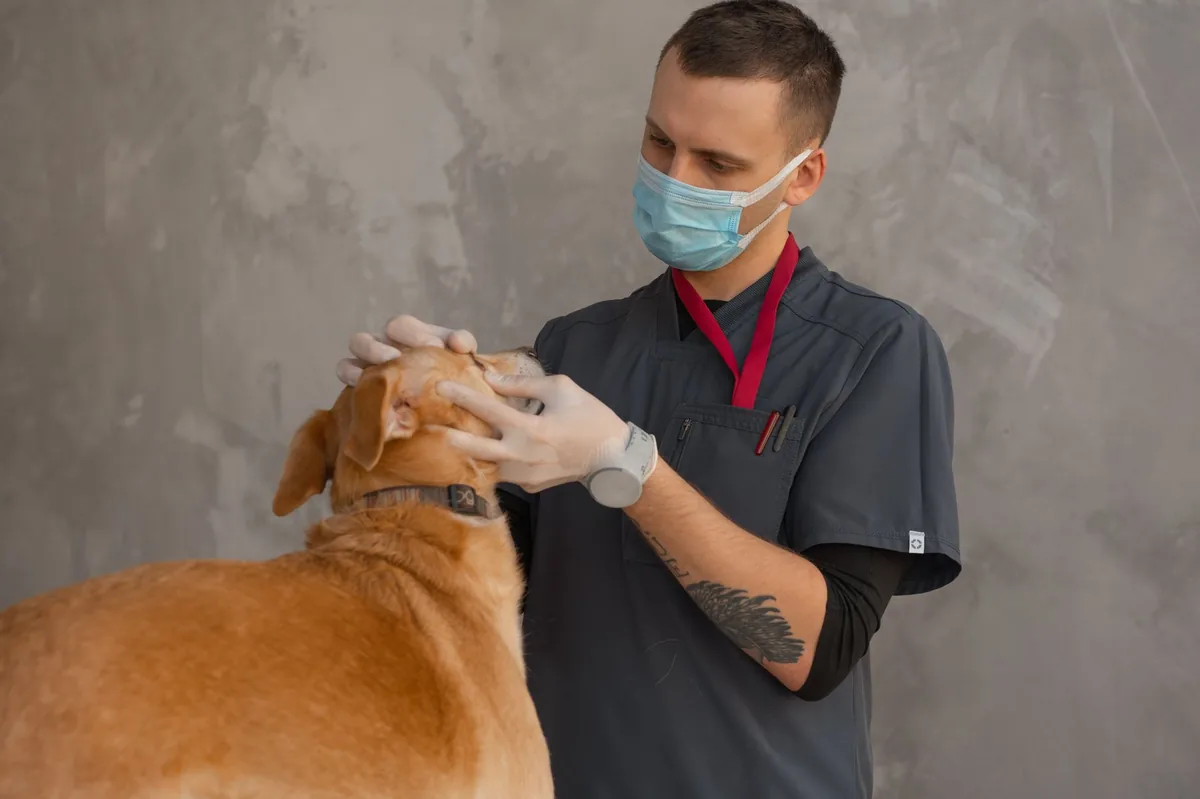
Call your vet today if you notice any of the following:
- Loose or watery stools lasting more than 24 hours.
- Visible weight loss or a noticeable decline in appetite.
- Persistent itching or a rash around the paws, belly, or perianal area.
- Vomiting, especially if accompanied by diarrhea.
Go to an emergency veterinary hospital right now if your dog shows any sign of:
- Severe lethargy or collapse.
- Rapid breathing or coughing (possible lung migration).
- Profound anemia—pale gums, rapid heartbeat, or fainting.
These red‑flag symptoms indicate that the infection may be life‑threatening, especially in puppies or senior dogs. This article is for information only; it does not replace a hands‑on exam by your veterinarian.
How vets diagnose it
Diagnosing Strongyloidiasis involves a combination of history, physical exam, and laboratory tests:
- Fecal flotation – a routine stool exam that can detect many worm eggs, but Strongyloides larvae are often missed because they are too small.
- Baermann technique – a specialized method that concentrates live larvae from fresh feces. This is the gold standard for Strongyloides detection.
- Polymerase chain reaction (PCR) – a molecular test that identifies parasite DNA. PCR is highly sensitive and can confirm infection when larvae are scarce.
- Skin scrape or tape test – occasionally used if a rash suggests migrating larvae.
Vets will also assess blood work for signs of anemia or eosinophilia (high eosinophil count), which can support a parasitic diagnosis.
Treatment options
Medical treatment
Strongyloidiasis responds well to a short course of anthelmintic drugs. The most commonly used medications include:
- Ivermectin – a macrocyclic lactone that kills adult worms and larvae. It is often given once daily for 2–3 days.
- Moxidectin – another macrocyclic lactone, typically administered as a single dose or with a repeat dose a week later.
- Fenbendazole – a benzimidazole that is effective against many GI parasites, including Strongyloides, usually given for 5 days.
Ask your vet about these options; dosing is based on your dog’s weight and the severity of infection. In cases of severe disease or in immunocompromised dogs, a longer course or combination therapy may be recommended.
Supplements and supportive care
While medication clears the parasite, supportive care helps your dog recover faster:
- Probiotics – strains such as Lactobacillus acidophilus or Bifidobacterium can restore gut flora disrupted by diarrhea.
- Omega‑3 fatty acids (EPA/DHA) – reduce intestinal inflammation and support skin health, especially if your dog has itching.
- Electrolyte solutions – oral rehydration mixes (e.g., Pedialyte diluted for dogs) help replace fluids lost through diarrhea.
- Vitamin B‑complex – can aid in recovery from anemia, but only under veterinary guidance.
Procedures or surgery
Procedural intervention is rarely needed for Strongyloidiasis. In very severe cases where larvae have migrated to the lungs or cause a blockage, a veterinarian might perform an intestinal lavage to flush out larvae, or provide supportive oxygen therapy for respiratory distress. These interventions are usually performed in an emergency setting and carry higher costs.
Diet and nutrition
Nutrition plays a big role in helping your dog heal. A diet that’s easy on the gut, rich in high‑quality protein, and fortified with supportive nutrients can shorten recovery time.
| Do feed | Limit | Avoid |
|---|---|---|
| Cooked, lean protein (e.g., boiled chicken, turkey) | Raw bones (risk of bacterial contamination) | Fatty or greasy foods (can worsen diarrhea) |
| Highly digestible commercial recovery diet (renal‑style or gastrointestinal formulas) | High‑fiber treats (may irritate inflamed gut) | Spicy or heavily seasoned foods |
| Cooked pumpkin or sweet potato (soothing fiber) | Table scraps with dairy | Raw pork or raw fish (parasite risk) |
When transitioning back to regular food, do it gradually over 3‑5 days: mix 25 % recovery diet with 75 % regular kibble on day 1, then increase the regular portion each day. This helps avoid a rebound in diarrhea.
If your dog is a picky eater, warming the food slightly or adding a small drizzle of low‑salt broth can improve palatability. For dogs with a sensitive stomach, a novel protein diet (e.g., venison or duck) can reduce the chance of secondary food‑allergy flare‑ups.

Cost and prognosis
Strongyloidiasis is generally treatable, and most dogs recover fully with appropriate therapy. Prognosis depends on the dog’s age, overall health, and how quickly treatment begins.
| Item | US estimate | UK estimate |
|---|---|---|
| Initial vet exam & fecal Baermann test | $80–$120 | £60–£100 |
| PCR (optional, high‑sensitivity) | $150–$250 | £120–£200 |
| Medication (ivermectin or fenbendazole) | $30–$70 | £25–£60 |
| Supportive care (probiotics, electrolytes) | $20–$40 | £15–£35 |
| Follow‑up exam (2 weeks later) | $60–$100 | £45–£80 |
Overall, most owners spend between $250 and $500 (or £180–£400) for a full work‑up and treatment course. Recovery usually takes 7–14 days for mild to moderate cases, though severe infections may require several weeks of supportive care.
Prevention and home care
Preventing Strongyloidiasis is largely about breaking the parasite’s life cycle and minimizing exposure:
- Regular deworming – Follow your vet’s schedule; most recommend a year‑round monthly broad‑spectrum dewormer in endemic areas.
- Yard hygiene – Remove dog feces promptly, especially after walks. Keep soil well‑drained and avoid standing water.
- Limit digging – Provide a designated digging area with sand or loose soil away from the house, and supervise outdoor play.
- Use pet‑safe larvicides – In heavily infested yards, products containing neem oil or milky spore can reduce larvae numbers (check local regulations).
- Hand washing – Wash your hands after handling soil or cleaning up after your dog to reduce zoonotic risk.
Strongyloides can affect humans, especially those with weakened immune systems. While transmission from dogs to people is rare, it’s still wise to practice good hygiene and keep infected dogs isolated until treatment is complete.
From our vet team: “If your dog shows any sign of persistent diarrhea or weight loss, don’t wait for the next routine deworming. A quick Baermann test can pinpoint Strongyloides early, and a short course of ivermectin often clears the infection in a few days. Keep the environment clean, and remember that a healthy gut needs both proper medication and a gentle diet.”
Key takeaways
- Strongyloidiasis is a treatable intestinal worm infection that thrives in warm, moist environments.
- Watch for loose stools, weight loss, and itchy paws—early signs that merit a veterinary visit.
- Diagnosis relies on the Baermann technique; PCR offers extra sensitivity if needed.
- Standard treatment includes ivermectin, moxidectin, or fenbendazole—your vet will tailor the dose.
- Supportive nutrition (bland, high‑digestibility foods) and probiotics speed recovery.
- Prevent re‑infection with regular deworming, prompt feces removal, and limiting access to damp soil.
Myth vs. fact
Myth: Strongyloidiasis is the same as a hookworm infection.
Fact: Although both cause diarrhea, Strongyloides can migrate through the skin and cause a distinctive itchy rash, while hookworms primarily attach to the intestinal lining.
Myth: A single dose of over‑the‑counter dewormer will always clear Strongyloidiasis.
Fact: Strongyloides often requires a specific anthelmintic regimen (e.g., ivermectin or fenbendazole) and may need repeat dosing to break the auto‑infection cycle.
Myth: Humans cannot catch Strongyloidiasis from dogs.
Fact: Zoonotic transmission is rare but possible, especially for immunocompromised people; good hygiene reduces the risk.
Frequently asked questions
What are the early signs of Strongyloidiasis in dogs?
Early signs include occasional loose stools, mild abdominal bloating, and a slight decrease in appetite. Some owners also notice subtle itching around the paws or a faint rash after a walk in damp grass.
How do veterinarians test for Strongyloidiasis?
Vets use the Baermann technique, which isolates live larvae from fresh stool, and may confirm the result with PCR testing for parasite DNA. A routine fecal flotation alone often misses Strongyloides because the larvae are too small.
Can Strongyloidiasis cause weight loss in dogs?
Yes. The parasite interferes with nutrient absorption, leading to gradual weight loss, especially if the infection persists for weeks.
What medication is most effective against Strongyloidiasis?
Ivermectin and fenbendazole are the most commonly recommended drugs. Ivermectin is given once daily for 2–3 days, while fenbendazole is typically administered for 5 days. Your vet will choose the best option based on your dog’s size and health status.
Is Strongyloidiasis contagious to other pets?
Yes, infected dogs shed larvae in their feces, which can contaminate soil and water, putting other dogs at risk. Prompt treatment and cleaning of the environment are essential to stop spread.
How can I keep my yard free of Strongyloides larvae?
Remove feces daily, avoid standing water, and consider using pet‑safe larvicides or nematode‑targeting biological controls. Providing a sand box for digging can also keep your dog away from moist soil where larvae thrive.
Ask the PuppaDogs community
Have a question this article didn’t fully answer? Want to compare notes with other dog owners who’ve been through this? Our community forum is moderated by experienced owners and vets — and answers tend to come fast. Ask in the PuppaDogs community →
References
- American College of Veterinary Internal Medicine (ACVIM). “Strongyloidiasis in Dogs” – clinical guidelines, 2022.
- Merck Veterinary Manual. “Strongyloides stercoralis” – parasite life cycle and treatment, 2023 edition.
- AAHA. “Guidelines for Routine Deworming in Dogs,” 2021.
- World Small Animal Veterinary Association (WSAVA). “Zoonotic Parasites and Human Health,” 2020.
- Cornell University College of Veterinary Medicine. “Baermann Technique for Detecting Larval Parasites,” 2022.
- Veterinary Parasitology (Journal). “Efficacy of Ivermectin vs. Fenbendazole for Canine Strongyloidiasis,” 2021.
- American Veterinary Medical Association (AVMA). “Pet Hygiene and Zoonotic Disease Prevention,” 2023.


