











Quick take: Intestinal motility loss, or ileus, is a condition where the gut stops moving food forward. It can be caused by surgery, medication, toxins, or breed‑related factors, and may range from mild to life‑threatening. Prompt veterinary care—often with fluids, pain control, and sometimes surgery—is essential for the best outcome.
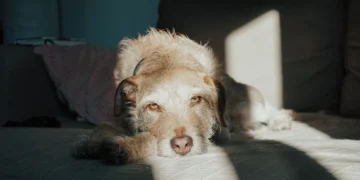
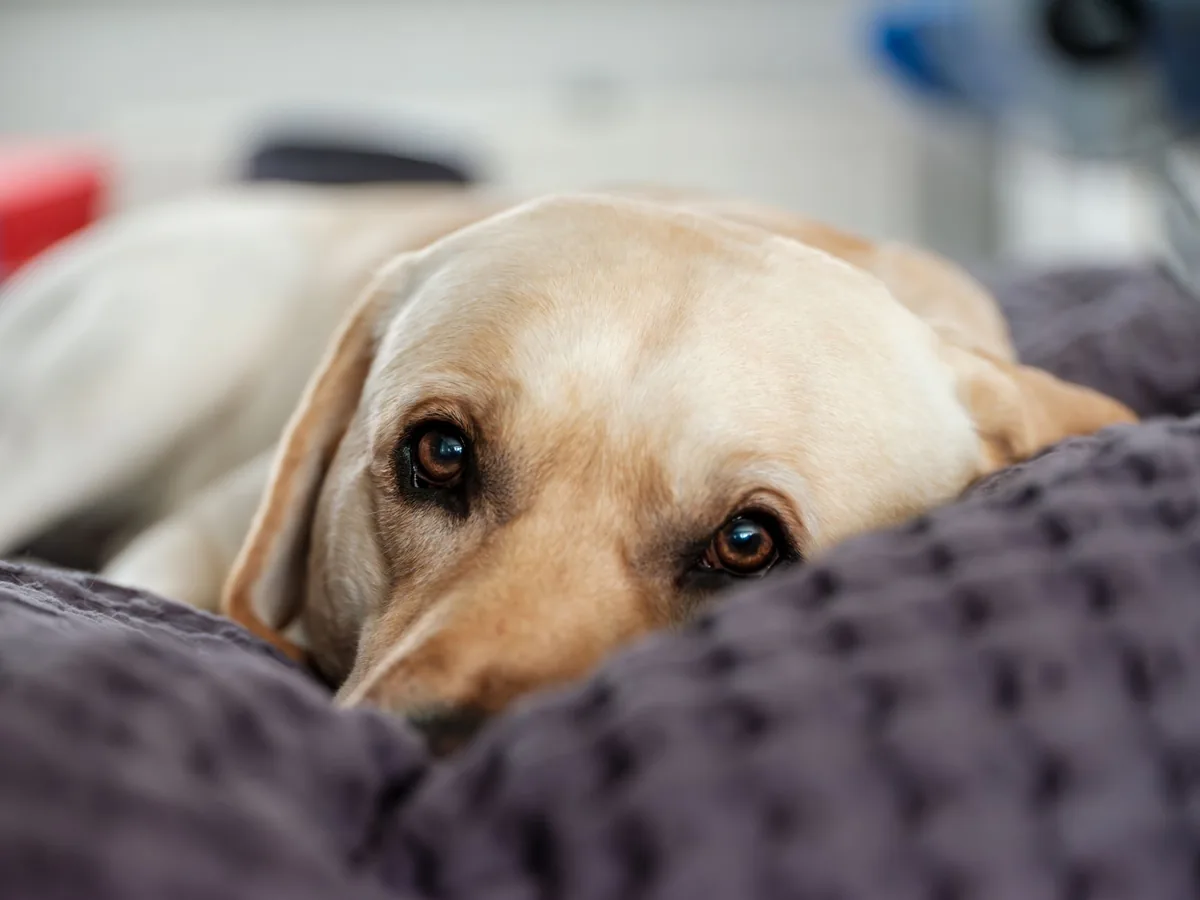
It’s 11 p.m., and your 7‑year‑old mixed‑breed Labrador isn’t wagging his tail to greet you at the door. Instead, he lies on the floor, eyes half‑closed, and you notice his belly looks a little swollen. The first thought that pops into your head is “blocked gut?” You scroll through late‑night articles, but the terms “ileus” and “intestinal paralysis” keep appearing, and you wonder: is this an emergency, and what can you do right now?
We get it—seeing your dog uncomfortable and not knowing whether it’s a simple upset stomach or a serious blockage is terrifying. The good news is that intestinal motility loss (ileus) is a recognizable condition, and with timely veterinary help most dogs recover well. In this guide we’ll explain what ileus is, why it happens, what signs to watch for at any age, how vets diagnose it, treatment options (including when surgery is needed), diet recommendations, costs, prognosis, and ways to prevent it from recurring.
Read on to feel confident about the next steps, from checking your dog’s gums at home to asking the right questions at the vet’s office.
What is intestinal disorder (loss of motility) in dogs?
Intestinal motility loss—commonly called ileus—is when the muscles of the small and/or large intestine stop contracting in a coordinated wave. In a healthy dog, these rhythmic contractions (peristalsis) push food, fluid, and gas through the gastrointestinal tract. Ileus means the gut is essentially “paralyzed,” so nothing moves forward.
It’s different from a true mechanical blockage, where a physical object (like a bone fragment or a tumor) physically stops the passage of contents. In ileus, the blockage is functional: the gut’s nerves or muscles aren’t signaling correctly. Both conditions can cause similar symptoms, but the underlying cause and treatment differ.
While any dog can develop ileus, it’s most often seen after abdominal surgery, severe inflammation, certain medications, or toxin exposure. According to the American College of Veterinary Internal Medicine (ACVIM), ileus accounts for roughly 10–15 % of post‑operative complications in dogs.
What causes it?
Several factors can trigger a loss of intestinal motility. The most common categories are:
| Category | Typical Triggers |
|---|---|
| Post‑surgical stress | Abdominal surgery, especially intestinal or gastric procedures; anesthesia effects |
| Medications & toxins | Opioids, anticholinergics, certain chemotherapy drugs; ingestion of pesticides or heavy metals |
| Inflammatory or infectious disease | Severe pancreatitis, peritonitis, parvovirus, bacterial enteritis |
| Metabolic disturbances | Electrolyte imbalances (low potassium, calcium), severe dehydration |
| Breed predisposition | German Shepherds, Great Danes, and Boxers have reported higher rates of postoperative ileus |
| Mechanical obstruction mimicking ileus | Intussusception, foreign bodies that cause reflex inhibition of motility |
Understanding the root cause helps the veterinary team choose the right therapy—whether it’s correcting an electrolyte problem, stopping a medication, or moving to surgery.
Signs and symptoms
Because ileus prevents the gut from moving, the classic signs revolve around a stalled digestive system. Symptoms can vary by age and severity:
| Severity | Early / Mild | Moderate | Severe / Late |
|---|---|---|---|
| Gastro‑intestinal | Decreased appetite, mild abdominal bloating | Vomiting (often non‑productive), constipation | Marked abdominal distension, no gas or stool, obstipation |
| Systemic | Lethargy, mild dehydration | Fever, tachycardia, pain on palpation | Shock signs—pale gums, rapid breathing, collapse |
| Behavioral | Reluctance to move, whining | Restlessness, vocalization | Unresponsive, unsteady gait |
In puppies, the first clue is often a sudden refusal to eat or a “pukey” gagging sound after a meal. Senior dogs may simply become less active and develop a swollen belly. If you notice any combination of vomiting, constipation, abdominal pain, or a change in gum color, consider ileus on your differential list.
When to call your vet
Call your regular vet today if you see any of the following:
- Loss of appetite for more than 12 hours
- Vomiting more than twice
- Abdominal swelling or tenderness
- Lethargy combined with a slightly warm nose or gums
Go to an emergency veterinary hospital right now if you notice any of these red‑flag signs:
- Persistent vomiting (every 30–60 minutes)
- Absence of any stool or gas for 24 hours
- Pale, tacky gums or a rapid heartbeat
- Sudden collapse, severe pain, or inability to stand
These symptoms suggest a life‑threatening blockage or severe ileus that needs immediate fluid therapy and possibly surgery. Remember, this article is for information only and does not replace a hands‑on veterinary exam.
How vets diagnose it
Diagnosing ileus involves ruling out a true mechanical obstruction and identifying any underlying cause. The typical work‑up includes:
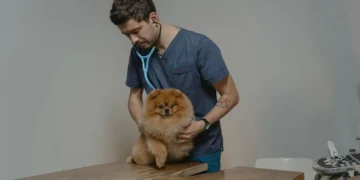
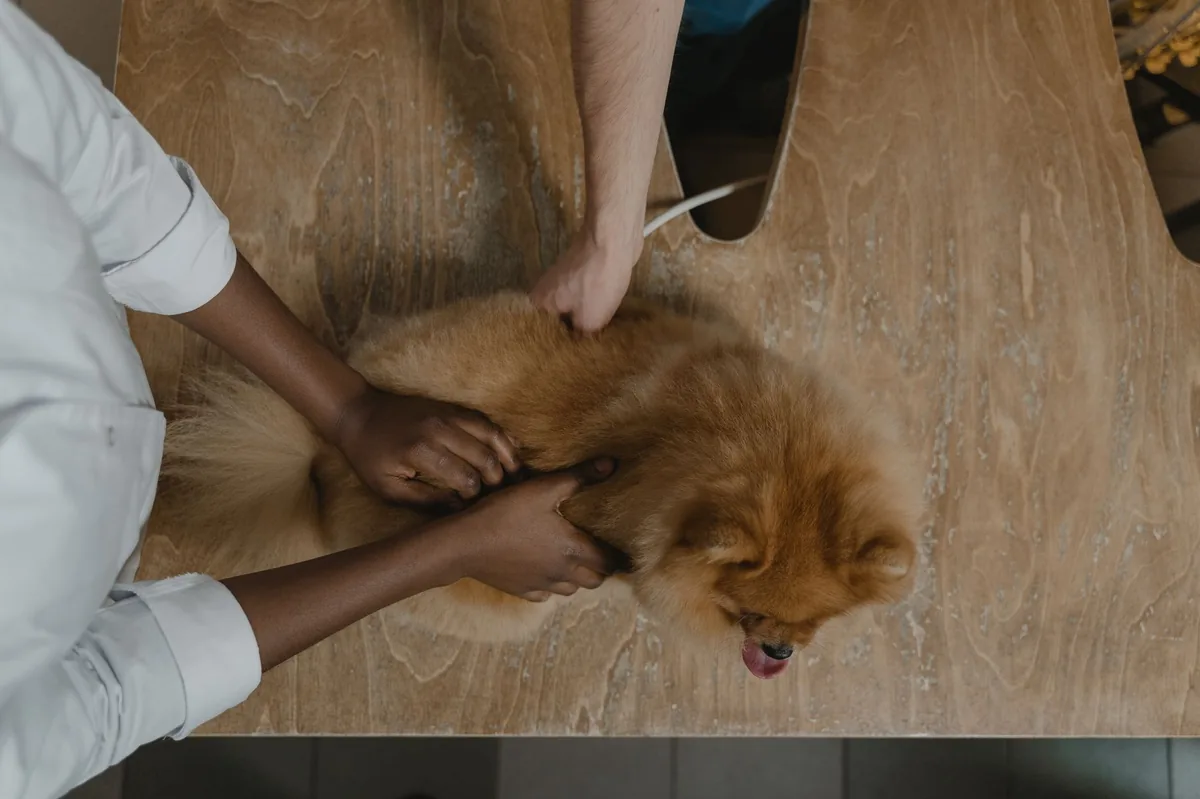
- History & physical exam: The vet will ask about recent surgeries, medications, diet changes, and toxin exposures, then palpate the abdomen for pain, distension, and fluid.
- Blood work: A complete blood count (CBC) and chemistry panel check for infection, electrolyte imbalances (especially potassium), and organ function.
- Abdominal imaging:
- Radiographs (X‑rays) can reveal gas patterns, fluid levels, or a visible foreign body.
- Abdominal ultrasound offers a more detailed view of the intestinal wall, fluid accumulation, and can differentiate ileus from a blockage by showing lack of peristaltic movement.
- Advanced diagnostics (if needed): CT scans or contrast studies may be employed when the cause remains unclear.
Once the vet confirms that the gut isn’t moving but no physical obstruction is present, the diagnosis of ileus is made, and treatment proceeds based on the identified cause.
Treatment options
Medical treatment
Most cases of ileus start with supportive medical care:
- Fluid therapy: Intravenous (IV) crystalloids restore hydration, correct electrolyte imbalances, and improve blood flow to the intestines.
- Electrolyte correction: Low potassium (hypokalemia) is a common trigger; IV potassium supplementation is standard when levels are low.
- Prokinetic drugs: Medications such as metoclopramide, cisapride (where legal), and erythromycin are used to stimulate gut motility. Ask your vet about these options.
- Pain management: Non‑steroidal anti‑inflammatory drugs (NSAIDs) are avoided because they can worsen gut permeability; instead, opioids like buprenorphine or gabapentin are often chosen for comfort.
- Antiemetics: Maropitant (Cerenia) or ondansetron help control vomiting while the gut recovers.
These measures aim to “wake up” the intestines, correct underlying metabolic disturbances, and keep the dog comfortable while the gut regains its rhythm.
Supplements and supportive care
While not a cure, certain supplements can aid recovery when used alongside veterinary treatment:
- Omega‑3 fatty acids (EPA/DHA): Anti‑inflammatory properties may help reduce gut wall inflammation.
- Probiotics: Strains such as Lactobacillus acidophilus and Bifidobacterium animalis support a healthy microbiome, which can be disrupted during ileus.
- Glutamine: An amino acid that serves as a primary fuel for intestinal cells; evidence suggests it may improve mucosal healing.
Any supplement should be discussed with your vet, especially because some products can interfere with medications or be inappropriate for dogs with certain metabolic conditions.
Procedures or surgery
When medical therapy fails to restore motility within 24–48 hours, or when imaging reveals a hidden obstruction, surgery becomes necessary. Common procedures include:
- Exploratory laparotomy: The surgeon opens the abdomen to locate and remove any foreign body, adhesions, or twisted intestine.
- Enterotomy: Direct removal of an obstructing object through an incision in the intestine.
- Resection and anastomosis: If a segment of intestine is damaged, it may be removed and the healthy ends sewn together.
Post‑operative care typically involves intensive fluid therapy, pain control, and continued prokinetic medication. Recovery time can range from 5 to 10 days in the hospital, followed by a few weeks of at‑home rest.
Diet and nutrition
Feeding a dog with reduced gut motility requires a thoughtful approach to encourage gentle movement while minimizing irritation. Here are evidence‑based guidelines:
- Highly digestible protein: Foods formulated with easily broken‑down proteins (e.g., chicken, turkey, or hydrolyzed meat) reduce the workload on the intestines.
- Low‑fat, moderate‑fiber diet: Fat slows gastric emptying, so a modest fat level (around 10–12 % of calories) helps prevent further sluggishness. Soluble fiber (e.g., pumpkin puree) can add bulk without hardening stools.
- Small, frequent meals: Offering 3–4 meals a day rather than one large meal encourages gentle peristalsis.
- Moisture: Adding warm water or low‑sodium broth to kibble improves palatability and hydration, which is crucial after fluid therapy.
- Avoid high‑fiber treats and raw bones: Excessive fiber or hard objects can exacerbate motility problems.
Prescription therapeutic diets—often labeled “gastrointestinal support”—are designed for dogs recovering from ileus. Brands vary by region, but the nutrient profile typically includes highly digestible proteins, pre‑biotics, and low fat. Discuss with your vet which option fits your dog’s needs and budget.
| Food category | Do feed | Limit | Avoid |
|---|---|---|---|
| Protein source | Cooked chicken, turkey, or commercial GI‑support kibble | Lean beef (occasionally) | Raw bones, high‑fat meats |
| Carbohydrate | Cooked rice, sweet potato, pumpkin puree | Whole grain kibble with high fiber | Beans, legumes |
| Fats | Small amount of fish oil (omega‑3) | Butter, heavy oils | Fried foods |
| Treats | Low‑fat, low‑salt chew treats | Cheese bites | Hard rawhide, jerky sticks |
Transition to a new diet gradually—mix 25 % new food with 75 % old food for the first day, then increase the new portion by 25 % each day. This helps the gut adjust without triggering renewed irritation.
For owners who prefer home‑cooked meals, the PuppaDogs nutrition calculator can help balance calories, protein, fat, and fiber to meet the GI‑support criteria.
Cost and prognosis
Financial considerations are part of the decision‑making process, and costs vary by region and severity.
| Service | US estimate | UK estimate |
|---|---|---|
| Initial exam, labs, X‑rays | $150–$300 | £120–£250 |
| IV fluid therapy (24 h) | $200–$400 | £150–£300 |
| Prokinetic medication (5 days) | $30–$80 | £25–£70 |
| Surgical exploration (if needed) | $2,500–$5,500 | £1,800–£3,500 |
| Post‑op hospitalization (5 days) | $1,000–$2,000 | £800–£1,500 |
Overall, mild ileus managed medically often stays under $1,000 in the US, while severe cases requiring surgery can exceed $5,000. In the UK, comparable costs range from £500 to £4,000.
Prognosis depends on the underlying cause, the dog’s age, and how quickly treatment begins. Dogs that receive prompt fluid therapy and have no severe infection typically recover within 7–10 days. When surgery is required, survival rates are around 80–90 % for uncomplicated cases, according to the American Veterinary Medical Association (AVMA).
Prevention and home care
While ileus isn’t always preventable, several everyday habits can reduce the risk:
- Gentle post‑operative care: Limit vigorous activity for at least 7–10 days after abdominal surgery, and follow your vet’s pain‑management plan.
- Medication awareness: Discuss with your vet whether any prescribed opioids or anti‑nausea drugs could affect gut motility, especially for long‑term use.
- Monitor electrolytes: Dogs with chronic kidney disease or on diuretics benefit from regular blood work to catch low potassium early.
- Safe diet: Avoid giving bones, rawhide, or high‑fat treats that can cause friction or irritation.
- Regular check‑ups: Annual wellness exams, especially for breeds prone to postoperative ileus (German Shepherd, Great Dane), help catch subtle changes before they become emergencies.
At home, keep a daily log of your dog’s appetite, stool quality, and activity level. If you notice a trend toward decreased appetite or occasional vomiting, contact your vet early—early intervention is the best preventive tool.
From our vet team: “Intestinal motility loss can feel scary, but most dogs respond well when we act quickly. The key is to recognize the early warning signs—vomiting, a swollen belly, or a sudden loss of appetite—and get veterinary help before dehydration or shock sets in. Once we stabilize the fluids and correct electrolytes, many dogs bounce back with just a few days of supportive care.”
Key takeaways
- Intestinal ileus is a functional gut paralysis that can follow surgery, medication, infection, or toxin exposure.
- Early signs include loss of appetite, mild vomiting, and a slightly swollen abdomen; severe signs require immediate emergency care.
- Diagnosis combines history, physical exam, blood work, and imaging to rule out a true blockage.
- Medical treatment (IV fluids, electrolytes, prokinetics) is first‑line; surgery is reserved for refractory cases or hidden obstructions.
- Feed a highly digestible, low‑fat, moderate‑fiber diet with small frequent meals to support recovery.
- Prompt veterinary attention dramatically improves prognosis; most dogs recover fully with appropriate care.
Myth vs. fact
Myth: All gut problems in dogs require surgery.
Fact: Many cases of ileus resolve with medical management alone; surgery is only needed when there’s a true blockage or when the gut doesn’t start moving after 24–48 hours of therapy.
Myth: A dog that isn’t eating must have a blockage.
Fact: Loss of appetite can stem from ileus, pain, stress, or mild gastroenteritis; a thorough exam determines the cause.
Myth: High‑fiber diets always help a dog with gut issues.
Fact: In ileus, excess fiber can actually slow gut motility further; a low‑to‑moderate fiber, highly digestible diet is preferred.
Frequently asked questions
What are the common symptoms of intestinal motility loss in dogs?
Typical signs include loss of appetite, vomiting (often non‑productive), abdominal bloating, constipation or obstipation, lethargy, and pain on abdominal palpation. Severe cases may show pale gums, rapid breathing, or collapse.
Can diet cause or worsen ileus in dogs?
Yes. High‑fat meals, raw bones, and very high‑fiber foods can slow gastric emptying and worsen motility problems. Feeding highly digestible protein, low‑fat, and moderate‑fiber meals helps keep the gut moving.
How does a vet differentiate ileus from a true blockage?
Vets use imaging—plain radiographs first, then abdominal ultrasound—to look for a physical object or a lack of peristaltic waves. In ileus, the intestines appear fluid‑filled without a visible obstruction, and ultrasound shows no movement.
What medications are used to stimulate gut movement in dogs?
Prokinetics such as metoclopramide, cisapride (where permitted), and low‑dose erythromycin are common. Your vet will choose the drug based on safety, the dog’s health status, and any concurrent medications.
Is surgery always required for intestinal paralysis?
No. Most ileus cases improve with fluid therapy, electrolyte correction, and prokinetics. Surgery is reserved for cases where a hidden obstruction is found or when the gut fails to regain motility after 24–48 hours of medical treatment.
What is the typical recovery time after treatment for ileus?
Recovery varies: medically managed dogs often improve within 3–5 days and return to normal activity in 1–2 weeks. Dogs that undergo surgery may need 5–10 days of hospitalization followed by 2–4 weeks of at‑home rest.
Ask the PuppaDogs community
Have a question this article didn’t fully answer? Want to compare notes with other dog owners who’ve been through this? Our community forum is moderated by experienced owners and vets — and answers tend to come fast. Ask in the PuppaDogs community →
References
- American College of Veterinary Internal Medicine (ACVIM) – Post‑operative Ileus Guidelines, 2022.
- American Veterinary Medical Association (AVMA) – Veterinary Surgery Outcome Statistics, 2023.
- Merck Veterinary Manual – Ileus in Dogs, 2021 edition.
- AAHA (American Animal Hospital Association) – Hospitalization and Fluid Therapy Standards, 2023.
- World Small Animal Veterinary Association (WSAVA) – Nutrition Recommendations for Gastrointestinal Disorders, 2022.
- Cornell University College of Veterinary Medicine – Prokinetic Drug Use in Small Animals, 2020.
- UC Davis Veterinary Medicine – Electrolyte Imbalance Management in Dogs, 2021.
- American College of Veterinary Surgeons (ACVS) – Surgical Management of Intestinal Obstruction, 2022.


