















Quick take: Immune‑mediated hemolytic anemia (IMHA) is a life‑threatening condition where a dog’s immune system destroys its own red blood cells. Early signs include pale gums, lethargy, and rapid breathing. Prompt veterinary care—often involving blood transfusions and immunosuppressive drugs—is essential for the best chance of recovery.
It’s 9 p.m., and your normally‑bouncy Golden Retriever isn’t answering the “come‑here” call. She lies on the couch, eyes half‑closed, her gums a shade lighter than the pink you’re used to seeing. Your heart races as you search the internet for “why is my dog so tired.” You’re scared, unsure, and hoping the next page will tell you if this is an emergency.
What you’re seeing could be the first signs of IMHA—immune‑mediated hemolytic anemia—in dogs. While the diagnosis can be frightening, knowing the basics, what to look for, and how treatment works can help you act quickly and support your dog’s recovery. Below we break down everything you need to know: the condition’s basics, causes, warning signs, when to call a vet, diagnostic steps, treatment options, nutrition, costs, prognosis, prevention, and answers to common questions.
Our vet team has helped many owners navigate an IMHA diagnosis, from the moment they notice a subtle change in energy to managing long‑term medication. Let’s walk through the journey together.
What is IMHA (Immune‑Mediated Hemolytic Anemia) in dogs?
IMHA is an autoimmune disorder in which a dog’s immune system mistakenly attacks its own red blood cells (RBCs). Red blood cells carry oxygen; when they’re destroyed faster than the bone marrow can replace them, the dog becomes anemic. The condition can develop suddenly (primary IMHA) or as a secondary response to infections, cancers, or certain drugs.
Though any breed can be affected, studies from the American College of Veterinary Internal Medicine (ACVIM) estimate that IMHA accounts for roughly 5–10 % of all canine anemia cases seen at referral hospitals. It most commonly appears in middle‑aged to senior dogs, but younger dogs are not exempt.
What causes IMHA?
IMHA can be classified as primary (idiopathic) or secondary to another disease. The underlying triggers fall into three main categories:
- Infectious agents: Tick‑borne diseases such as Ehrlichia and Babesia can provoke an immune response that targets RBCs.
- Neoplasia: Certain cancers, especially lymphomas and mast cell tumors, may stimulate the immune system to attack red cells.
- Medications or vaccines: Rarely, drugs like sulfonamides or recent vaccinations can trigger IMHA in predisposed dogs.
When none of these factors are identified, the condition is labeled “primary” or “idiopathic.” Genetic predisposition appears in some breeds (e.g., Cocker Spaniels, Poodles), but the exact hereditary link remains under investigation.
Signs and symptoms
Because the destruction of red blood cells happens quickly, clinical signs can evolve over hours to days. Below is a practical guide to what owners typically notice, organized by severity.
| Severity | Typical signs |
|---|---|
| Mild | Pale gums, slight lethargy, reduced appetite, mild tachypnea (fast breathing) |
| Moderate | Marked weakness, noticeable yellowing of eyes (jaundice), dark urine, rapid heartbeat, occasional vomiting |
| Severe | Collapse, severe dyspnea, bright yellow sclerae, hemoglobinuria (red‑tinged urine), shock, seizures |
Early detection hinges on subtle cues: a dog that once sprinted to the door now prefers the floor, or a sudden reluctance to eat favorite treats. If you notice any combination of the above, especially pale or yellow gums, contact your vet promptly.

When to call your vet
Call today (non‑emergency) if you notice any mild to moderate signs such as pale gums, reduced energy, or dark urine. Schedule an appointment within 24 hours.
Go to an emergency clinic right now if your dog collapses, has rapid breathing, shows bright yellow eyes, or is bleeding from the gums or nose. These are signs of severe anemia and possible shock.
Disclaimer: This article provides general information and is not a substitute for professional veterinary care. Always seek immediate veterinary attention for urgent symptoms.
How vets diagnose IMHA
Diagnosing IMHA involves a systematic workup to confirm anemia and uncover any underlying cause.
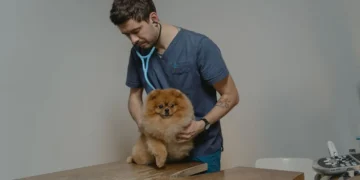
- History & physical exam: Your vet will ask about recent illnesses, vaccinations, medications, and observe gum color, heart rate, and respiratory effort.
- Complete blood count (CBC): Reveals low packed cell volume (PCV) and reticulocyte count, indicating the bone marrow is trying to compensate.
- Blood smear: Shows spherocytes (small, round RBCs) and may reveal parasites.
- Coombs’ test: Detects antibodies attached to red cells—positive in many IMHA cases.
- Biochemistry panel & urinalysis: Checks organ function and looks for hemoglobinuria.
- Imaging (ultrasound or X‑ray): Helps rule out tumors or organ enlargement that could be driving secondary IMHA.
Only after these tests rule out infection, parasites, or cancer does the vet label the anemia “immune‑mediated.”
Treatment options
Medical treatment
The cornerstone of therapy is immunosuppression to halt the immune attack. Common drug classes include:
- Corticosteroids: Prednisone or prednisolone are first‑line, reducing inflammation and immune activity.
- Cytotoxic agents: Azathioprine or cyclosporine are added when steroids alone aren’t enough.
- Blood transfusions: Packed red blood cells restore oxygen‑carrying capacity while immunosuppressants take effect.
- Antibiotics: If a secondary infection is suspected, doxycycline (for tick‑borne disease) or broad‑spectrum antibiotics may be prescribed.
All medications are dosed based on your dog’s weight and severity, so ask your vet about this option and follow their instructions closely.
Supplements and supportive care
While no supplement can cure IMHA, some can aid recovery and support overall health:
- Omega‑3 fatty acids (EPA/DHA): Reduce inflammation and may improve red‑cell membrane stability.
- Vitamin B12 (cobalamin): Supports bone‑marrow production of new red blood cells; often given as an injectable.
- Probiotics: Help maintain gut health, especially if high‑dose steroids cause gastrointestinal upset.
Always discuss supplement use with your vet, as some products can interact with immunosuppressive drugs.
Procedures or surgery
In a minority of cases, splenectomy (removal of the spleen) is considered when the spleen is a source of ongoing red‑cell destruction, such as with splenic hemangiosarcoma. This is a major surgery, requiring a 2‑week hospital stay and a recovery period of 4–6 weeks. Costs can range from $5,000–$8,000 in the US and £4,000–£6,500 in the UK.
Diet and nutrition
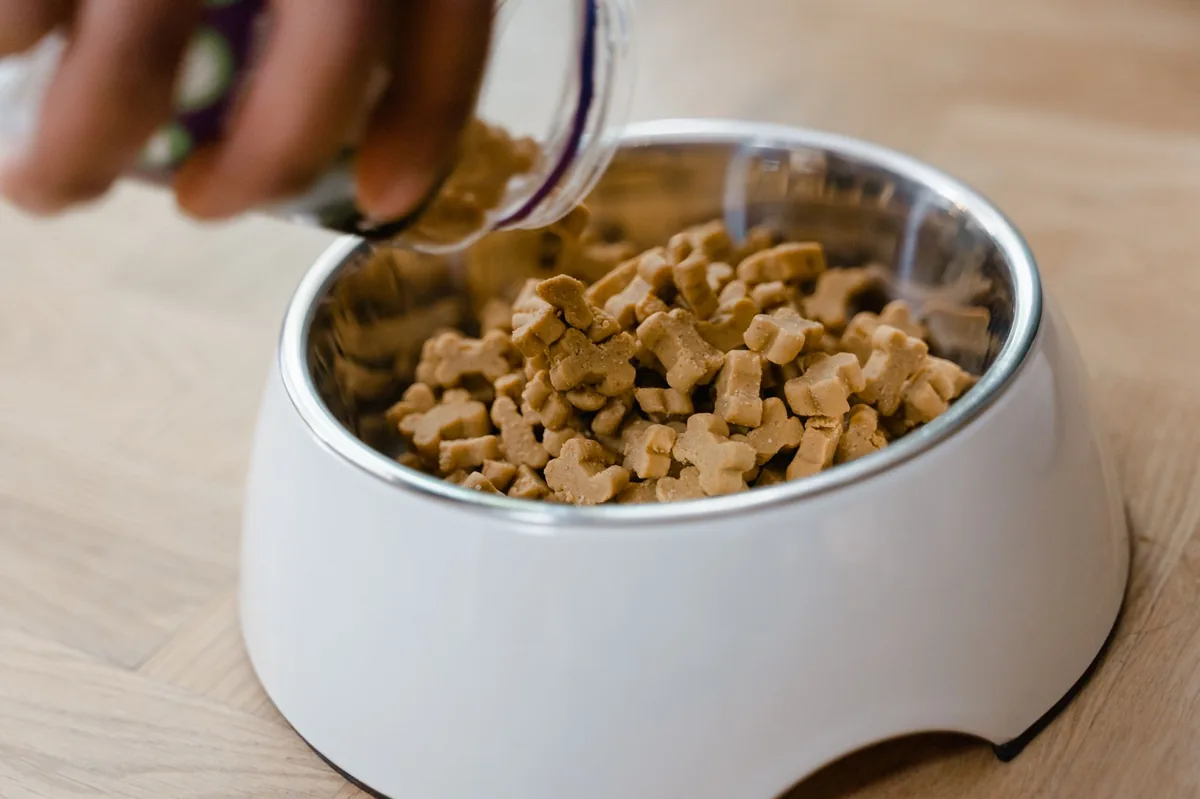
Nutrition plays a supportive role in managing IMHA. While no “IMHA diet” exists, feeding a balanced, highly digestible diet helps reduce stress on the liver and kidneys, which are already working hard to process broken‑down blood cells.
What to feed
- High‑quality protein: Lean chicken, turkey, or fish provide essential amino acids for new red‑cell production.
- Easily digestible carbohydrates: Rice or sweet potato supply energy without overloading the gut.
- Moderate fat: Include omega‑3 sources (fish oil or flaxseed) for anti‑inflammatory benefits.
- Antioxidants: Vitamin E and selenium (found naturally in meat) help protect red‑cell membranes.
What to limit or avoid
- Highly processed kibble: Excessive fillers can be harder to digest during illness.
- Raw diets with unknown pathogens: If you feed raw, ensure thorough testing for bacteria, as infections could worsen anemia.
- Excessive iron supplementation: Iron overload can be toxic; only give iron if a blood test shows deficiency.
Prescription therapeutic diets
If your dog has concurrent kidney or liver involvement, your vet may recommend a therapeutic diet such as a renal‑support formula (low phosphorus, high‑quality protein). These diets are formulated to be easy on the kidneys while still providing needed nutrients.
Feeding schedule and transition
Offer small, frequent meals (3–4 times daily) rather than one large portion, especially if your dog is nauseous. Gradually transition to a new diet over 5–7 days by mixing increasing amounts of the new food with the old, to reduce gastrointestinal upset.
Here’s a quick reference for diet choices:
| Do feed | Limit | Avoid |
|---|---|---|
| Cooked lean meats, rice, sweet potato, fish oil | High‑fat treats, excessive dairy | Raw meat with unknown pathogens, iron supplements without vet direction |
| Prescription renal diet if kidney strain present | Heavy‑protein kibble with many fillers | Any diet high in added sugars or artificial preservatives |
Hydration is also key. Fresh water should be available at all times, and you can offer low‑sodium broth to encourage intake if the dog seems reluctant to drink.
Cost and prognosis
Treatment costs vary widely based on severity, required diagnostics, and geographic location. Below are typical ranges for the United States and United Kingdom (estimates, not guarantees):
| Service | US (USD) | UK (GBP) |
|---|---|---|
| Initial bloodwork (CBC, chemistry, Coombs’) | $200–$400 | £150–£250 |
| Blood transfusion (one unit) | $500–$800 | £400–£600 |
| Immunosuppressive meds (first month) | $100–$250 | £80–£180 |
| Hospitalization (ICU, 24‑hr monitoring) | $1,000–$3,000/day | £800–£2,200/day |
| Surgical splenectomy (if needed) | $5,000–$8,000 | £4,000–£6,500 |
Overall prognosis depends on whether the IMHA is primary or secondary, the speed of treatment initiation, and the dog’s age and breed. Studies from the Merck Veterinary Manual suggest a 60‑70 % survival rate for primary IMHA when treated promptly, while secondary IMHA linked to aggressive cancers may have a lower survival outlook.
Long‑term, many dogs live a normal life after a successful treatment course, though they may require ongoing low‑dose steroids or periodic blood tests to monitor for relapse.
Prevention and home care
Because primary IMHA has no known preventable cause, the focus is on minimizing secondary triggers and supporting overall health:
- Tick control: Use a vet‑recommended product year‑round. The American Veterinary Medical Association (AVMA) advises testing for tick‑borne diseases after any tick bite.
- Vaccination timing: Follow AAHA guidelines for core vaccines; avoid unnecessary boosters that could overstimulate the immune system.
- Regular wellness exams: Routine blood work can catch early anemia before it becomes severe.
- Monitor medications: Discuss any new drugs or supplements with your vet, especially if your dog has a history of immune issues.
- Nutrition and weight management: Maintaining a healthy weight reduces stress on the immune system and organs.
During recovery, keep your dog in a calm environment, limit strenuous activity, and monitor for signs of relapse (return of pale gums, lethargy, or dark urine). Follow up with your vet as directed—typically every 1–2 weeks initially, then monthly.
Vet’s note
From our vet team: “IMHA moves fast, and early intervention is the difference between life and loss. If you suspect anemia, bring your dog in right away—blood work is the first step, and a transfusion can buy precious time while immunosuppressive therapy kicks in. Most owners are surprised at how well dogs can bounce back with proper care, so stay hopeful and keep close communication with your vet.”
Key takeaways
- IMHA is an autoimmune destruction of red blood cells that can become life‑threatening within hours.
- Early signs include pale gums, lethargy, and dark urine—act fast and contact a vet.
- Diagnosis relies on blood tests (CBC, Coombs’), imaging, and ruling out infections or cancer.
- Treatment combines blood transfusions, corticosteroids, and sometimes additional immunosuppressants.
- Supportive nutrition—high‑quality protein, omega‑3s, and easy‑digestible carbs—helps recovery.
- Regular follow‑up, tick prevention, and prompt wellness exams are the best ways to catch IMHA early or prevent secondary triggers.
Myth vs. fact
Myth: “If a dog looks fine, it can’t have IMHA.”
Fact: Early IMHA often masquerades as mild fatigue or a slight change in appetite; a normal‑looking dog can still have serious anemia.
Myth: “Home remedies like herbal teas can cure IMHA.”
Fact: IMHA requires veterinary‑prescribed immunosuppressive drugs and possibly blood transfusions; supplements may support health but cannot replace medical treatment.
Frequently asked questions
How much does IMHA treatment usually cost?
Initial diagnostics typically run $200–$400 (US) or £150–£250 (UK). If a transfusion is needed, add $500–$800 per unit. Ongoing immunosuppressive medication may be $100–$250 per month. Hospital stays and surgery increase costs substantially.
Is IMHA contagious?
No. IMHA is an autoimmune condition, not an infection. However, some secondary causes—like tick‑borne diseases—are contagious to other pets via ticks.
What’s the typical recovery timeline?
Most dogs stabilize within 3–7 days after starting treatment, but full recovery can take 4–6 weeks. Ongoing monitoring may continue for several months to ensure the anemia does not recur.
Can my dog live a normal life after IMHA?
Yes, many dogs return to their previous activity level after the acute phase resolves, especially if the IMHA was primary and treated early. Long‑term medication may be needed to prevent relapse.
Are there any long‑term side effects of the drugs used?
Corticosteroids can cause increased thirst, appetite, and risk of infection. Cytotoxic agents may affect liver function. Your vet will schedule regular blood work to catch any adverse effects early.
How can I prevent IMHA in the future?
While primary IMHA isn’t preventable, maintaining strict tick control, staying up‑to‑date with core vaccinations, and scheduling regular wellness exams can reduce secondary triggers.
Ask the PuppaDogs community
Have a question this article didn’t fully answer? Want to compare notes with other dog owners who’ve been through this? Our community forum is moderated by experienced owners and vets — and answers tend to come fast. Ask in the PuppaDogs community →
References
- American College of Veterinary Internal Medicine (ACVIM) Consensus Statement on Immune‑Mediated Hemolytic Anemia, 2022.
- American Animal Hospital Association (AAHA) Guidelines for Canine Anemia, 2023.
- Merck Veterinary Manual, “Anemia in Dogs” chapter, 2024 edition.
- American Veterinary Medical Association (AVMA) Tick‑Borne Disease Prevention Recommendations, 2023.
- World Small Animal Veterinary Association (WSAVA) Nutritional Guidelines for Dogs with Chronic Illness, 2022.
- Cornell University College of Veterinary Medicine, “Canine Immune‑Mediated Hemolytic Anemia” clinical overview, 2023.
- UK Royal College of Veterinary Surgeons (RCVS) Veterinary Cost Estimates for Hematology Cases, 2023.


