











Quick take: Inflammatory bowel disease (IBD) in dogs is a chronic gut inflammation that causes recurring vomiting, diarrhea, and weight loss. It’s manageable with diet changes, medication, and regular vet monitoring, but prompt diagnosis and treatment are key to keeping your dog comfortable.
It’s 10 p.m., the house is quiet, and your usually energetic golden‑retriever, Max, is curled up on the couch, refusing his favorite kibble. You notice his belly looks a little swollen and his stool is loose and smelly. The Google search bar lights up with “why won’t my dog eat?” and “dog diarrhea cause.” You’re worried, but you also know you need a clear plan.
Most owners discover that the cause isn’t a simple stomach bug but something called inflammatory bowel disease, or IBD. While the name sounds scary, it’s a treatable condition that many dogs live with for years. In this article we’ll explain what IBD in dogs really is, how you can spot it, what your vet will do to confirm it, and the range of treatments—including diet—that can keep your companion thriving.
We’ll also cover costs, prevention tips, and a handy checklist for home care. By the end you’ll know exactly what steps to take tonight and how to partner with your vet for a long‑term management plan.
What is IBD in dogs?
Inflammatory bowel disease (IBD) is a group of chronic gastrointestinal disorders where the lining of the small intestine, large intestine, or both becomes inflamed. In dogs, this inflammation is usually the result of an abnormal immune response to food, bacteria, or other triggers. The gut wall thickens, absorbs fewer nutrients, and can’t contract normally, leading to the classic signs of vomiting, diarrhea, and weight loss.
IBD is relatively common—studies from the American College of Veterinary Internal Medicine (ACVIM) estimate that 1–2 % of all dogs see chronic GI signs that fit an IBD diagnosis. It can affect any breed, though small breeds like Chihuahuas and Miniature Schnauzers are reported slightly more often, likely because owners notice subtle weight changes sooner.
What causes IBD in dogs?
IBD is multifactorial. The exact trigger often remains unknown, but several categories of contributors are recognized:
| Category | Typical Triggers |
|---|---|
| Food hypersensitivity | Protein or carbohydrate allergens, novel ingredients, or food additives |
| Intestinal dysbiosis | Overgrowth of harmful bacteria, loss of beneficial microbes, recent antibiotics |
| Immune dysregulation | Genetic predisposition, autoimmune activity, chronic inflammation from other diseases |
| Environmental stressors | Sudden diet changes, high‑stress environments, parasites |
Because many dogs have more than one of these factors, vets often call it “idiopathic” (unknown cause) after thorough testing.
Signs and symptoms
IBD can mimic a simple upset stomach, but there are clues that point toward chronic inflammation:
| Severity | Typical Signs |
|---|---|
| Mild | Occasional loose stool, slight appetite decrease, occasional vomiting |
| Moderate | Frequent diarrhea (soft to watery), regular vomiting, visible weight loss, dull coat |
| Severe | Persistent vomiting, watery diarrhea with blood or mucus, marked weight loss, abdominal pain, lethargy |
Other red‑flag signs include: a distended abdomen, blood in stool, severe dehydration, or a fever. If you notice any of these, seek veterinary care right away.
When to call your vet
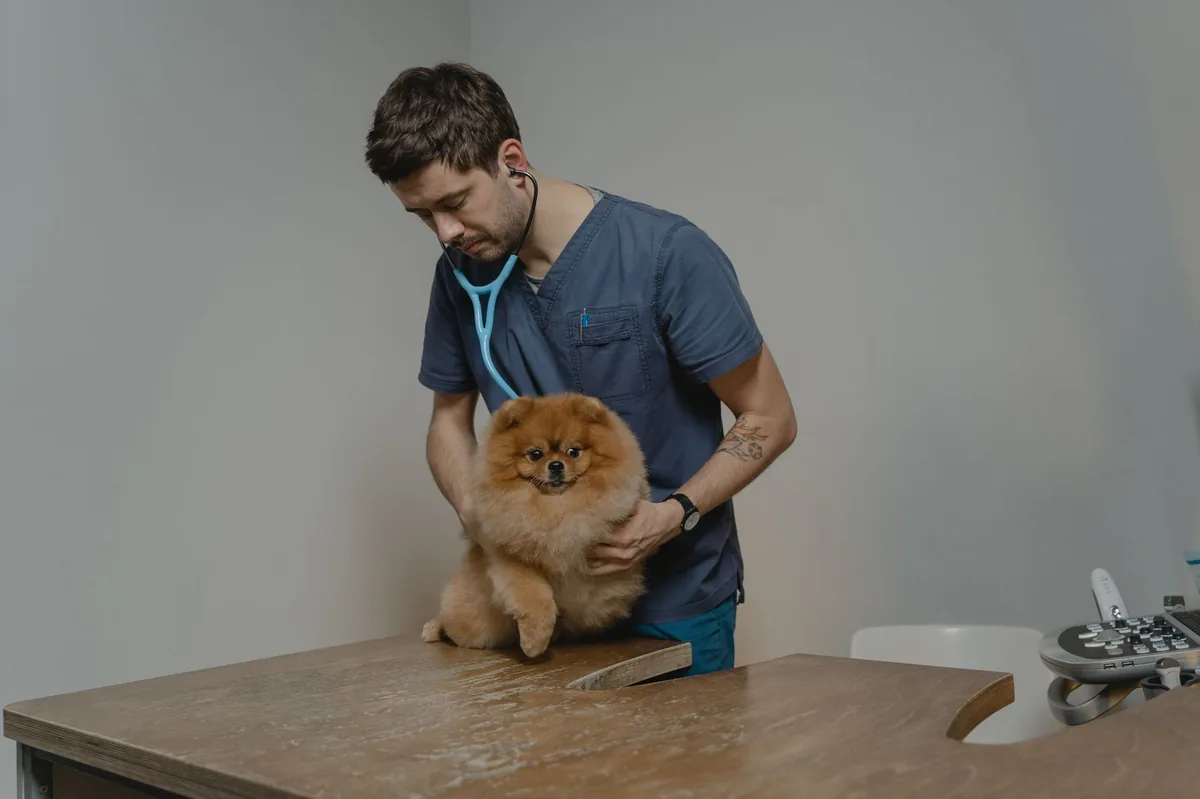
Call your vet today if you see any of the following:
- Vomiting or diarrhea lasting more than 24 hours
- Noticeable weight loss or a decrease in appetite
- Repeated episodes of soft stool (more than three times in a week)
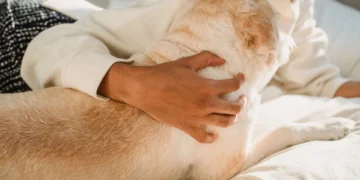
- Visible abdominal discomfort when you gently press the belly
Go to an emergency veterinary hospital right now if you observe:
- Blood or black, tarry stool
- Persistent vomiting (more than two episodes in a short period)
- Signs of severe dehydration (dry gums, skin tenting)
- Sudden lethargy or collapse
These guidelines are for information only and do not replace a professional exam. If you’re ever unsure, err on the side of caution and call your vet.
How vets diagnose IBD
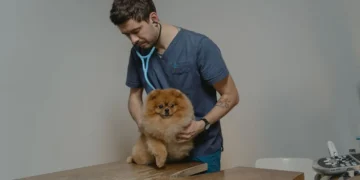
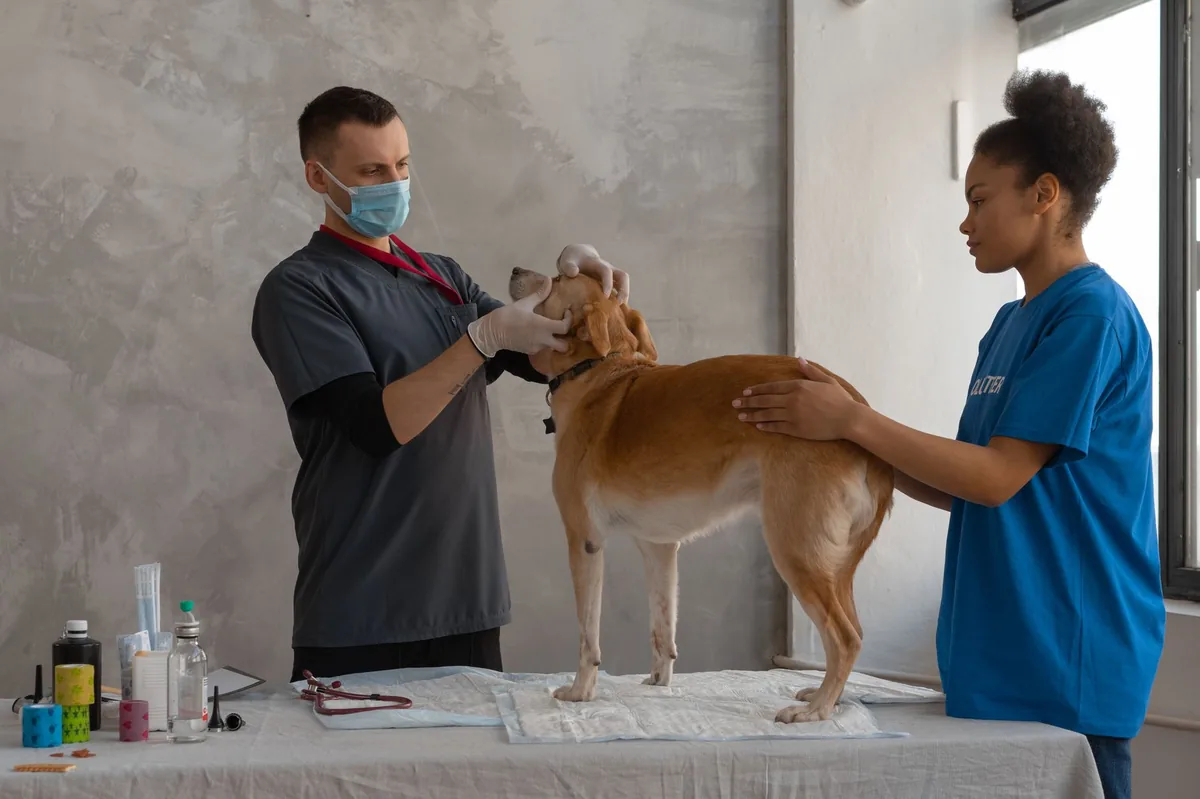
Diagnosing IBD is a process of elimination. Your vet will start with a detailed history—diet, recent medications, stressors, and any previous GI issues. Then a systematic workup follows:
- Physical exam: Palpation of the abdomen, checking gum color, and assessing body condition.
- Blood work: CBC (complete blood count) and serum chemistry reveal anemia, inflammation markers, or organ involvement. A high eosinophil count can hint at food allergies.
- Fecal analysis: Checks for parasites, bacterial overgrowth, or viral agents that could mimic IBD.
- Imaging: Abdominal ultrasound or radiographs visualize wall thickening, lymph node enlargement, or masses.
- Endoscopy with biopsies: The gold standard. A small camera and forceps retrieve intestinal tissue samples, which a pathologist examines for lymphocytic-plasmacytic infiltrates—hallmarks of IBD.
Sometimes a therapeutic trial of diet or antibiotics is used before invasive testing, especially if the owner prefers a less aggressive approach first.
Treatment options
Medical treatment
Medication aims to calm inflammation, control bacterial overgrowth, and restore gut balance. Common drug classes include:
- Glucocorticoids (e.g., prednisone, prednisolone): Reduce immune-mediated inflammation. Usually started at a higher dose and tapered over weeks.
- Immunomodulators (e.g., cyclosporine, azathioprine): Used when steroids alone aren’t enough or cause side effects.
- Antibiotics (e.g., metronidazole, tylosin): Target harmful bacteria and have anti‑inflammatory properties.
- Antiparasitics: If parasites are identified, appropriate dewormers are added.
All medications are prescribed based on your dog’s weight, severity, and response. Ask your vet about each option and any monitoring labs that may be needed.
Supplements and supportive care
Adjuncts can improve gut health and reduce inflammation:
- Omega‑3 fatty acids (EPA/DHA): Found in fish oil, they help dampen inflammatory pathways. Ask your vet about a high‑quality, purified source.
- Probiotics: Specific strains such as Lactobacillus acidophilus and Bifidobacterium animalis have shown modest benefits in reducing diarrhea frequency. Choose a veterinary‑formulated product and discuss dosing with your vet.
- Prebiotics (e.g., inulin): Feed beneficial bacteria, but only under veterinary guidance.
- Vitamin B12 (cobalamin) supplementation: Dogs with chronic IBD often develop a deficiency; a simple injection can improve appetite and energy.
Procedures or surgery
Most cases are managed medically, but severe, refractory disease may require surgical intervention—such as intestinal resection or removal of a focal mass found during imaging. Recovery from intestinal surgery typically involves a 7–10 day hospital stay, a gradual return to soft foods, and close monitoring for complications. Costs can range from $3,000 to $7,500 in the United States, depending on the facility and region.
Diet and nutrition
Nutrition is the cornerstone of IBD management. A diet that is easy to digest, low in potential allergens, and high in quality protein can reduce inflammation and improve nutrient absorption.
Most veterinarians recommend one of three approaches:
- Novel protein diet: Uses a protein source the dog has never eaten (e.g., rabbit, venison). This reduces the chance of a food allergy triggering inflammation.
- Limited‑ingredient diet (LID): Contains a single protein and a single carbohydrate source, minimizing potential allergens.
- Hydrolyzed protein diet: Proteins are broken into tiny fragments that are less likely to provoke an immune response. Several prescription brands meet this standard.
Regardless of the brand, look for these nutritional features:
| Do feed | Limit | Avoid |
|---|---|---|
| Highly digestible proteins (chicken, turkey, fish) | High‑fat treats | Raw table scraps with bones |
| Low‑residue carbohydrates (sweet potato, pumpkin) | Spices, onions, garlic | Dairy products (lactose intolerance is common) |
| Fiber sources that are soluble (psyllium, canned pumpkin) | Excessive fiber (whole grains) | Artificial additives and preservatives |
Feeding tips:
- Offer small, frequent meals (3–4 times daily) rather than one large bowl. This eases digestive workload.
- Transition gradually over 7–10 days: mix 25 % new food with 75 % old, then increase the new portion each few days.
- Ensure fresh water is always available; dehydration worsens GI irritation.
- Consider adding a measured dose of fish oil or a probiotic supplement once the diet is stable.
Many owners find success by working with a veterinary nutritionist. The PuppaDogs expert team can help you choose the right commercial formula or design a home‑cooked plan that meets AAFCO (Association of American Feed Control Officials) standards.
Cost and prognosis
Financial considerations are part of every chronic condition plan. Below are typical cost ranges for IBD management in the United States and the United Kingdom (prices are estimates and can vary by clinic, region, and insurance coverage).
| Service | US (USD) | UK (GBP) |
|---|---|---|
| Initial workup (bloodwork, fecal exam, ultrasound) | $300–$600 | £150–£300 |
| Endoscopy with biopsies | $800–$1,500 | £400–£800 |
| Glucocorticoid medication (30 days) | $15–$40 | £10–£25 |
| Immunomodulator (e.g., cyclosporine, 30 days) | $100–$250 | £80–£180 |
| Prescription therapeutic diet (30 days) | $50–$120 | £30–£70 |
| Follow‑up visits (each) | $80–$150 | £50–£100 |
Many pet insurance policies cover diagnostics and a portion of medication and diet costs, especially if the condition is caught early. Check your policy’s exclusions—some plans limit coverage for chronic gastrointestinal disorders.
Prognosis varies. With appropriate diet, medication, and monitoring, most dogs achieve good control of symptoms and enjoy a normal lifespan. However, a subset may have refractory disease that requires ongoing adjustments or occasional flare‑ups. Regular re‑evaluation every 3–6 months helps keep the condition in check.
Prevention and home care
While you can’t guarantee a dog will never develop IBD, several everyday practices can lower risk:
- Stable diet: Avoid frequent changes in protein source or sudden introductions of new treats.
- Limit unnecessary antibiotics: Use them only when prescribed, as they can disrupt gut flora.
- Probiotic maintenance: A low‑dose, veterinary‑approved probiotic can help maintain a healthy microbiome, especially after antibiotics or travel.
- Stress reduction: Keep routines consistent, provide safe spaces, and consider calming aids (e.g., pheromone diffusers) if your dog is prone to anxiety.
- Routine veterinary check‑ups: Annual exams catch early GI changes before they become severe. Your vet may recommend a fecal screening or blood panel for senior dogs.
When a flare occurs, keep a simple home‑care checklist:
- Offer a bland diet (boiled chicken and rice) for 24–48 hours.
- Ensure fresh water; add a splash of low‑sodium broth if the dog won’t drink.
- Monitor stool consistency and frequency; note any blood or mucus.
- Contact your vet if vomiting persists beyond 24 hours or if there’s any sign of dehydration.
Vet’s note
From our vet team: IBD can feel overwhelming, but remember that most dogs respond well to a combination of diet and medication. The key is patience—adjustments often take 2–4 weeks to show effect. Keep a daily log of food, meds, and stool quality; this data becomes the roadmap for your vet to fine‑tune therapy. If you ever feel stuck, don’t hesitate to ask for a second opinion or a referral to a veterinary gastroenterology specialist.
Key takeaways
- IBD is a chronic gut inflammation that causes vomiting, diarrhea, and weight loss, but it’s manageable with diet and medication.
- Early signs include occasional loose stools and reduced appetite; severe signs like blood in stool or persistent vomiting require immediate veterinary care.
- Diagnosis involves blood work, fecal analysis, imaging, and often endoscopic biopsies—the most reliable way to confirm IBD.
- Treatment typically starts with glucocorticoids, adds antibiotics or immunomodulators as needed, and is supported by a low‑allergen, highly digestible diet.
- Regular follow‑up visits, probiotic use, and a stable feeding routine help prevent flare‑ups and keep your dog comfortable.
- Costs vary widely, but many pet‑insurance plans cover a portion of diagnostics, medication, and therapeutic diets.
Myth vs. fact
Myth: IBD is always caused by food allergies.
Fact: Food allergies can trigger IBD, but many cases stem from immune dysregulation or bacterial imbalances without an identifiable allergen.
Myth: Once a dog has IBD, it will never get better.
Fact: With proper dietary management and medication, most dogs achieve long‑term control and a good quality of life.
Myth: Probiotics alone can cure IBD.
Fact: Probiotics can support gut health but are most effective when combined with appropriate medical and dietary therapy.
Frequently asked questions
What causes IBD in dogs?
IBD results from a complex mix of food hypersensitivity, bacterial dysbiosis, immune system overactivity, and environmental stressors. Often, the exact trigger remains unknown, which is why it’s called idiopathic.
How can I tell if my dog has IBD or just a stomach upset?
If symptoms persist longer than a few days, include weight loss, repeated vomiting, or loose stools, you’re likely dealing with chronic inflammation rather than a simple upset stomach.
What tests does a vet run to diagnose IBD in dogs?
Vets typically perform blood work, fecal exams, abdominal ultrasound, and, when needed, endoscopy with intestinal biopsies—the latter provides the definitive diagnosis.
Are there natural remedies for canine IBD?
Supportive natural options include omega‑3 fish oil, veterinary‑grade probiotics, and limited‑ingredient diets. These should complement, not replace, prescribed medications.
How long does it take for a dog to recover from IBD treatment?
Initial symptom improvement often appears within 2–4 weeks of starting therapy, but full remission can take several months and may require ongoing maintenance.
Can IBD in dogs be cured permanently?
IBD is generally considered a manageable, chronic condition. While many dogs achieve long periods of remission, occasional flare‑ups can occur and require re‑evaluation.
Ask the PuppaDogs community
Have a question this article didn’t fully answer? Want to compare notes with other dog owners who’ve been through this? Our community forum is moderated by experienced owners and vets — and answers tend to come fast. Ask in the PuppaDogs community →
References
- American College of Veterinary Internal Medicine (ACVIM). “Guidelines for the Diagnosis and Management of Gastrointestinal Disorders in Dogs.” 2022.
- American Animal Hospital Association (AAHA). “Nutritional Management of Inflammatory Bowel Disease.” 2021.
- Merck Veterinary Manual. “Inflammatory Bowel Disease (IBD) in Dogs.” Updated 2023.
- World Small Animal Veterinary Association (WSAVA). “Probiotic Use in Companion Animals.” 2020.
- American Veterinary Medical Association (AVMA). “Pet Insurance Overview.” 2023.
- Cornell University College of Veterinary Medicine. “Canine Gastrointestinal Endoscopy.” 2022.
- UC Davis School of Veterinary Medicine. “Dietary Management of Chronic Enteropathies.” 2021.


