















Quick take: Hormone replacement poisoning in dogs occurs when a dog ingests or is exposed to human hormone medications, such as estrogen or testosterone products. It can cause severe gastrointestinal upset, hormonal imbalances, and potentially life‑threatening complications, so prompt veterinary care is essential.
It’s 9 p.m. and you’ve just noticed your usually‑energetic Border Collie, Max, lying on the couch, panting shallowly and staring at the kitchen floor. A half‑empty bottle of “women’s hormone replacement” sits on the counter, an accidental spill from a recent pharmacy visit. Your heart races as you wonder whether Max’s sudden lethargy, vomiting, and oddly pink gums are a simple upset stomach or something far more serious.
Most pet parents never consider that the same hormone pills prescribed for humans can become a hidden toxin for dogs. In reality, hormone replacement poisoning is rare but potentially dangerous, especially when a dog gets a dose that interferes with its own endocrine system.
In this article we’ll explain exactly what hormone replacement poisoning is, how it happens, what signs to watch for, how vets diagnose it, the treatment options and costs, and—most importantly—how you can keep your dog safe.
What is hormone replacement poisoning in dogs?
Hormone replacement poisoning refers to toxicity that develops after a dog is exposed to medications designed to supplement or replace human hormones—most commonly estrogen, progesterone, testosterone, or thyroid hormones. These drugs are formulated for people, not pets, so the dosage and metabolism differ dramatically. When a dog ingests even a modest amount, the excess hormone can overwhelm its endocrine system, leading to a cascade of clinical problems.
While exact prevalence is unclear, the American Veterinary Medical Association (AVMA) notes that medication ingestion is one of the top causes of accidental poisoning in dogs, and hormone products rank among the “high‑risk” items in household medicine cabinets. Because the signs can mimic other illnesses, owners often don’t connect the dots until a veterinarian runs specific tests.
What causes it?
- Accidental ingestion: Dogs are curious sniffers and may chew on pills, capsules, or liquid hormone bottles left within reach.
- Improper storage: Keeping hormone medications in a pantry, on a counter, or in a pet’s treat jar increases the chance of a mishap.
- Human‑to‑dog medication errors: Some owners mistakenly give their pet a human hormone prescription, believing “it’s just a pill.”
- Environmental contamination: Hormone creams or patches that leak onto surfaces can be licked or nuzzled by a dog.
Common medication sources include:
| Medication type | Typical brand examples | Form |
|---|---|---|
| Estrogen replacement (e.g., estradiol) | Premarin, Estrace | tablet, cream |
| Progesterone replacement (e.g., medroxyprogesterone) | Depo‑Provera | injectable, tablet |
| Testosterone therapy | Testim, Androgel | gel, patch, tablet |
| Thyroid hormone | Levothyroxine (Synthroid) | tablet |
Signs and symptoms
Because hormone toxicity can affect multiple organ systems, the clinical picture varies. Early signs often mimic a simple upset stomach, while later signs reflect hormonal imbalance.
| Severity | Typical signs |
|---|---|
| Mild | Vomiting, diarrhea, mild lethargy, loss of appetite |
| Moderate | Persistent vomiting, abdominal pain, pale or pink gums, increased thirst, urinary changes |
| Severe | Seizures, collapse, rapid heart rate, severe electrolyte disturbances, hemorrhage, signs of endocrine crisis (e.g., estrogen excess: mammary gland swelling, testicular atrophy in males) |
Key red‑flag symptoms that merit immediate veterinary attention include repeated vomiting, bloody stools, seizures, or any sudden change in consciousness. Hormone poisoning can also provoke secondary issues such as hypoglycemia or severe electrolyte imbalances, which can become life‑threatening within hours.
When to call your vet
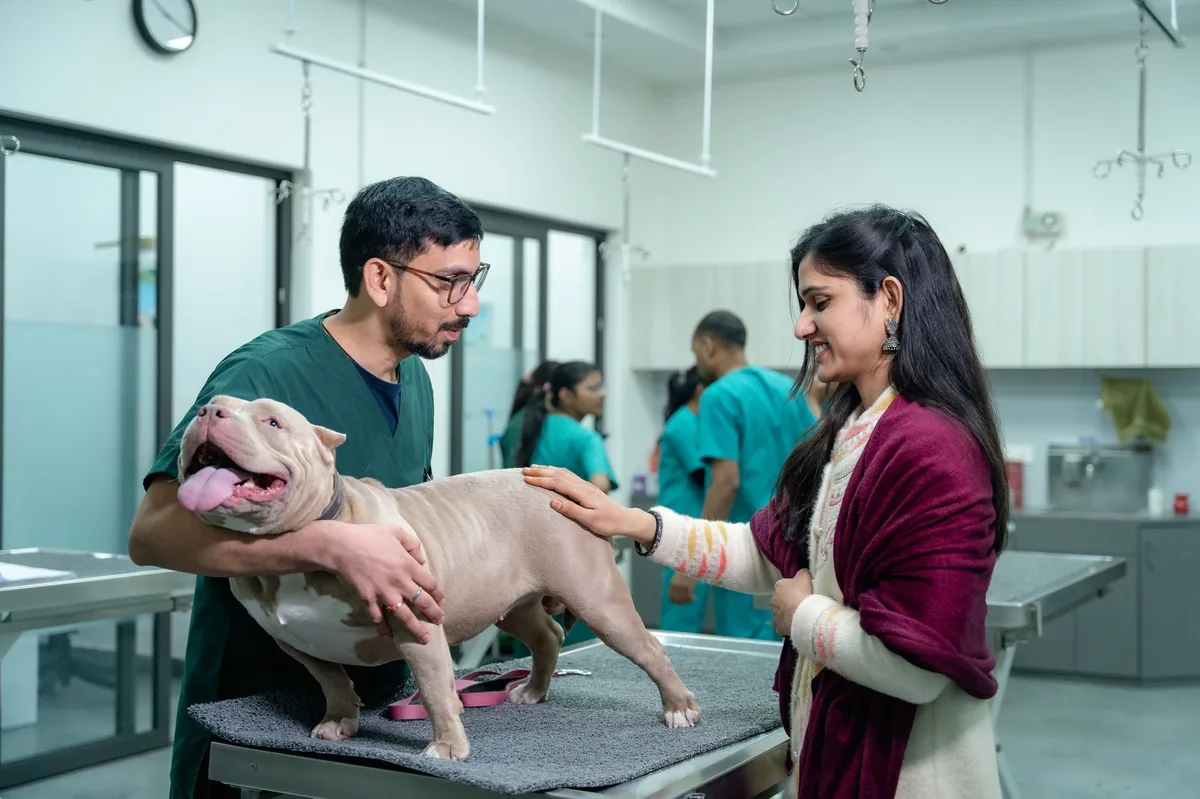
Call your regular vet today if:
- Your dog vomits once or twice but is otherwise alert.
- There is mild diarrhea without blood.
- Appetite loss lasts more than 12 hours.
- You suspect any exposure to hormone medication, even if you’re unsure of the amount.
Go to an emergency veterinary hospital right now if you see any of these signs:
- Repeated vomiting or vomiting that contains blood.
- Seizures, collapse, or inability to stand.
- Rapid breathing, a racing heart, or pale/bright pink gums.
- Uncontrollable shaking or signs of severe pain.
These warnings are not a substitute for professional care. If you’re ever in doubt, err on the side of caution and seek veterinary help.
How vets diagnose it
Diagnosis starts with a thorough history: the vet will ask when the exposure happened, what medication was involved, and how much you think your dog may have ingested. A physical exam follows, checking heart rate, gum color, hydration status, and neurological signs.
Key laboratory tests include:
- Complete blood count (CBC): looks for anemia, white‑blood‑cell changes, and platelet abnormalities.
- Serum biochemistry panel: evaluates liver enzymes, kidney values, electrolytes, and glucose.
- Hormone assays: specific tests for estradiol, testosterone, or thyroid hormone levels can confirm excess exposure.
- Urinalysis: helps detect kidney involvement or hematuria.
In some cases, the veterinarian may also perform an abdominal ultrasound to assess organ health, especially if there’s concern for internal bleeding or severe inflammation. The American College of Veterinary Internal Medicine (ACVIM) recommends early blood work within the first few hours of suspected poisoning to guide treatment.

Treatment options
Medical treatment
Once hormone poisoning is confirmed, the primary goals are to stop further absorption, stabilize the dog’s vital signs, and correct hormonal imbalances. Commonly used drug classes include:
- Activated charcoal: binds remaining hormone in the gastrointestinal tract if administered within the first hour.
- Intravenous fluids: maintain hydration, support kidney function, and correct electrolyte disturbances.
- Antiemetics such as maropitant (Cerenia) or ondansetron: control vomiting.
- Specific hormone antagonists: for estrogen toxicity, drugs like tamoxifen or fulvestrant may be considered; for testosterone excess, anti‑androgen agents such as flutamide are options. Your vet will decide based on severity and test results.
- Supportive medications: proton pump inhibitors (e.g., omeprazole) to protect the stomach lining, and possibly corticosteroids to reduce inflammation.
All medications are dosed by a veterinarian according to your dog’s weight, age, and blood work results. Ask your vet about each option if you want a clearer picture of the plan.
Supplements and supportive care
While supplements cannot reverse hormone toxicity, they can aid recovery:
- Omega‑3 fatty acids (EPA/DHA): help reduce inflammation and support skin health after hormone‑related irritation.
- Probiotics: restore gut flora disrupted by vomiting or antibiotics.
- Vitamin B‑complex: may assist in energy metabolism during the convalescent phase.
These are optional and should be introduced only after your vet confirms they won’t interfere with prescribed drugs.
Procedures or surgery
Hormone poisoning rarely requires surgery. However, in severe cases where gastrointestinal perforation or severe hemorrhage occurs, an exploratory laparotomy may be necessary. This is an emergency procedure with a typical hospital stay of 3–5 days and a recovery period of 2–3 weeks.
Diet and nutrition
Nutrition plays a crucial role in helping a dog recover from hormone poisoning. The goal is to provide highly digestible, low‑fat, and moderate‑protein meals that are gentle on the stomach while supplying the nutrients needed for tissue repair.
What to feed
- Boiled chicken breast (skinless) and white rice: easy to digest and low in fat.
- Prescription gastrointestinal diets: products such as Royal Canin Gastrointestinal or Hill’s i/d are formulated with pre‑biotics and highly digestible proteins.
- Low‑sodium broth: helps maintain hydration if your dog is reluctant to drink water.
What to limit or avoid
- High‑fat foods: can exacerbate pancreatitis risk after vomiting.
- Dairy products: many dogs become lactose intolerant after gastrointestinal upset.
- Raw bones: may cause additional GI irritation or perforation.
Transitioning back to a regular diet should be gradual. Start with small, frequent meals (4–6 times a day) and slowly increase portion size over 3–5 days. Monitor for any return of vomiting or diarrhea. If your dog shows any sign of relapse, contact your vet promptly.
For dogs with pre‑existing conditions—such as chronic kidney disease or diabetes—your vet may recommend a therapeutic diet that also addresses those needs while being gentle on the stomach. The American Animal Hospital Association (AAHA) suggests that dogs recovering from acute poisoning receive a diet with a moderate protein level (18–22 % of calories) and a balanced electrolyte profile.
| Food category | Do feed | Limit | Avoid |
|---|---|---|---|
| Protein | Boiled chicken, turkey, lean cottage cheese | Moderate‑fat meats | Fatty cuts, processed meats |
| Carbohydrate | White rice, sweet potato, pumpkin puree | Whole grains | High‑fiber cereals |
| Fats | Olive oil (1 tsp/day) | Butter, lard | Fried foods |
| Supplements | Omega‑3 fish oil, probiotic powder | Excess vitamins | Human multivitamins |
Always discuss any diet change with your veterinarian, especially if your dog is on prescription medication for hormone poisoning. The vet can tailor the feeding plan to your dog’s weight, age, and recovery speed.
Cost and prognosis
Financial considerations vary by region and the severity of poisoning. In the United States, initial emergency care—including blood work, activated charcoal, IV fluids, and monitoring—typically ranges from $800 to $2,500. In the United Kingdom, similar services cost between £500 and £1,800. If surgery is required, add an additional $3,000–$5,000 (US) or £2,000–£4,000 (UK)**.
Prognosis depends on how quickly treatment begins and the amount of hormone ingested. Dogs treated within the first few hours have a good chance (70–90 %) of full recovery. Delayed treatment can lead to complications like severe electrolyte imbalance or organ failure, which lower survival rates to around 40–60 %.
Most dogs that survive the acute phase recover fully within 2–4 weeks, though they may need a gradual re‑introduction to normal activity levels. Follow‑up blood work is usually recommended 1–2 weeks after discharge to ensure hormone levels have normalized.
Prevention and home care
Preventing accidental hormone poisoning is largely about secure storage and education:
- Store all human medications in a locked cabinet: high shelves are not enough—use a child‑proof lock.
- Keep original containers: discard empty bottles promptly and recycle them safely.
- Never give human hormone medication to a dog: even “natural” supplements can cause toxicity.
- Educate household members: ensure everyone knows that hormone pills are off‑limits for pets.
- Check the environment: before cleaning up spills, wear gloves and keep the dog away until the area is rinsed.
Regular wellness exams give your vet a chance to discuss medication safety and to update your pet’s emergency contacts. A quick dose‑calculator tool can help you verify safe amounts if you ever need to give a prescribed medication (under vet guidance).
From our vet team: “If you suspect your dog has gotten into any hormone product, treat it like a possible emergency. Prompt decontamination and blood work make the biggest difference in outcome. Most owners are surprised to learn that a single tablet can cause serious systemic effects, so always keep medicines out of reach.”
Key takeaways
- Hormone replacement poisoning occurs when a dog ingests human hormone meds; it can be life‑threatening if not treated quickly.
- Common sources include estrogen, testosterone, progesterone, and thyroid tablets or creams left where pets can access them.
- Early signs are vomiting, diarrhea, and lethargy; severe signs include seizures, pink gums, and rapid heart rate.
- Call your vet today for any vomiting or suspected exposure; go to an emergency clinic immediately if your dog shows seizures or collapses.
- Treatment involves activated charcoal, IV fluids, anti‑emetics, and possibly hormone‑blocking drugs—always administered by a veterinarian.
- Store all human medications in a locked cabinet and never give hormone pills to your dog without veterinary direction.
Myth vs. fact
Myth: Small amounts of human hormone pills are harmless to dogs.
Fact: Even a single tablet can cause significant hormonal disruption and may lead to severe illness.
Myth: “If my dog looks fine, the hormone won’t affect them.”
Fact: Symptoms can be delayed; internal organ damage may develop before outward signs appear.
Myth: “I can treat hormone poisoning at home with milk or water.”
Fact: Professional decontamination and blood work are required; home remedies cannot reverse toxicity.
Frequently asked questions
What does hormone replacement poisoning look like in dogs?
It often starts with gastrointestinal upset—vomiting and diarrhea—followed by lethargy, pink or pale gums, increased thirst, and in severe cases, seizures or collapse.
How quickly can a dog die from hormone replacement poisoning?
Death can occur within hours if the dog experiences a severe hormonal crisis, especially with high doses of estrogen or testosterone that trigger cardiovascular collapse. Prompt veterinary care dramatically improves survival chances.
Can I give my dog human hormone medication safely?
No. Human hormone meds are formulated for people and can cause toxicity in dogs. Always ask your veterinarian before giving any prescription or over‑the‑counter drug to your pet.
What tests does a vet run to confirm hormone poisoning?
Vets typically perform a CBC, serum biochemistry panel, specific hormone level assays (estradiol, testosterone, or T4), and urinalysis. In some cases, imaging such as abdominal ultrasound is also used.
Are there home remedies for hormone replacement poisoning in dogs?
Home remedies cannot replace veterinary treatment. The only safe first‑aid step is to prevent further ingestion and contact a vet immediately. Activated charcoal administered by a professional is the most effective decontamination method.
What is the prognosis after treatment for hormone poisoning?
When treated early, most dogs recover fully within a few weeks, with a survival rate of 70–90 %. Delayed treatment lowers the prognosis, especially if organ damage has occurred.
Ask the PuppaDogs community
Have a question this article didn’t fully answer? Want to compare notes with other dog owners who’ve been through this? Our community forum is moderated by experienced owners and vets — and answers tend to come fast. Ask in the PuppaDogs community →
References
- American Veterinary Medical Association (AVMA). “Pet Poison Prevention.”
- American Animal Hospital Association (AAHA). “Guidelines for Emergency Care of Small Animals.” 2023.
- Merck Veterinary Manual. “Hormone Toxicity in Dogs” chapter.
- American College of Veterinary Internal Medicine (ACVIM). “Diagnostic Approach to Endocrine Emergencies.”
- World Small Animal Veterinary Association (WSAVA). “Medication Safety for Companion Animals.”
- Veterinary Partner (Cornell University). “Hormone Therapy Toxicity.”
- UC Davis School of Veterinary Medicine. “Pet Poison Control Resources.”
- AAFP (American Academy of Family Physicians). “Human Medication Risks to Pets.”


