













Quick take: Glomerulonephritis is inflammation of the kidney’s filtering units that can cause blood in the urine, protein loss and progressive kidney damage. Early signs are subtle – a few drops of pale urine or a slight increase in thirst. Prompt veterinary care, a kidney‑supportive diet, and regular monitoring can keep many dogs comfortable for months to years.
It’s 9 p.m. and your senior Shih Tzu, Bella, is curled up on the couch, sipping water more often than usual. When you glance at her water bowl, you notice a faint pink tint and a faint, unpleasant odor. Your heart races, and you start Googling “pink urine in dogs.” The answer you find mentions glomerulonephritis, a condition you’ve never heard of before.
First, take a breath. You’re not alone—many owners discover this diagnosis during a routine check‑up or after noticing a small change in their dog’s bathroom habits. Glomerulonephritis can be serious, but with early detection, proper treatment, and thoughtful home care, dogs often maintain a good quality of life.
In this article we’ll explain what glomerulonephritis is, why it happens, what to look for, how vets confirm the diagnosis, treatment and diet options, expected costs, and steps you can take to prevent recurrence. We’ll also give you a clear action plan for when you should call your vet right away.
What is glomerulonephritis in dogs?
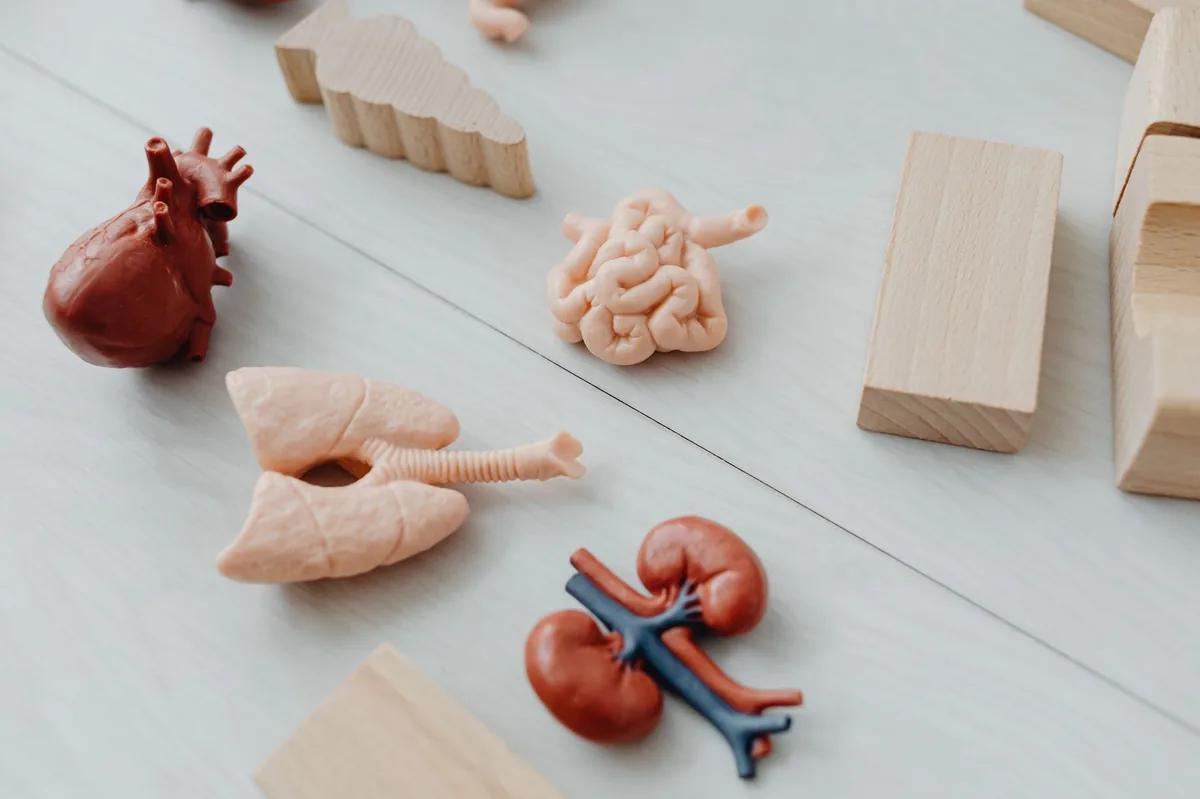
Glomerulonephritis (GN) is inflammation of the glomeruli—the tiny capillary networks inside each kidney that filter waste, excess fluid, and toxins from the blood. When these filters become inflamed, they leak blood cells and protein into the urine, and the kidneys lose their ability to clean the blood efficiently.
In dogs, GN can be acute (sudden onset) or chronic (developing over months). It’s a relatively uncommon cause of kidney disease, accounting for roughly 5‑10 % of chronic kidney cases according to the American College of Veterinary Internal Medicine (ACVIM). While any breed can develop GN, certain breeds have a higher predisposition, which we’ll cover below.
What causes glomerulonephritis?
Glomerulonephritis can arise from several underlying mechanisms. The most common categories are:
| Cause | Typical triggers |
|---|---|
| Immune‑mediated | Autoimmune disease, systemic lupus erythematosus, or drug‑induced hypersensitivity. |
| Infectious | Bacterial (Leptospira, Bartonella), viral (canine parvovirus), or tick‑borne diseases (Ehrlichia, Borrelia). |
| Genetic / breed‑related | Breed predispositions such as Cocker Spaniel, Miniature Schnauzer, and Shar‑Pei. |
| Toxic or drug‑related | Long‑term NSAID use, certain antibiotics, or exposure to heavy metals. |
| Secondary to other organ disease | Heart disease, hypertension, or chronic inflammation elsewhere in the body. |
Breed data from the AKC and recent ACVIM surveys highlight a higher incidence in Cocker Spaniels, Miniature Schnauzers, and Shar‑Peis. These breeds often have an inherited tendency toward immune‑mediated kidney inflammation.
Signs and symptoms
Because the kidneys filter blood continuously, even mild inflammation can produce subtle changes. Here’s how the signs usually progress:
| Stage | Typical signs |
|---|---|
| Mild | Increased thirst (polydipsia), slightly more frequent urination, mild pinkish urine, occasional lethargy. |
| Moderate | Noticeable protein in urine (foamy urine), loss of appetite, weight loss, pale gums, mild swelling (edema) in paws. |
| Severe | Severe anemia, high blood pressure, marked edema, vomiting, severe lethargy, or sudden collapse. |
Early clues are often a change in water intake or a faint pink hue in the urine. As protein loss worsens, owners may notice foam on top of the urine or a “muddy” appearance. Later, the disease can cause systemic signs like anemia (pale gums) and hypertension, which are emergencies.
When to call your vet
Call your vet today if you notice any of the following:
- Increased thirst or urination without a clear reason.
- Pink, red, or foamy urine.
- Loss of appetite or mild weight loss.
- Swelling in the limbs or abdomen.
Go to an emergency veterinary hospital right now if your dog shows:
- Sudden collapse, severe weakness, or inability to stand.
- Very pale gums or rapid breathing.
- Severe vomiting or diarrhea accompanied by dehydration.
- Blood pressure so high that you feel the pulse in your fingertips.
These red‑flag signs indicate that the kidneys may be failing fast and immediate care could be life‑saving.
This article is for informational purposes only and does not replace a hands‑on veterinary examination.
How vets diagnose glomerulonephritis
Diagnosing GN involves a combination of history, physical exam, and targeted tests:
- Urinalysis: Checks for blood, protein, and specific gravity. A low specific gravity with high protein points toward a glomerular leak.
- Blood chemistry: Looks at blood urea nitrogen (BUN), creatinine, albumin, and electrolytes. Low albumin with high BUN/creatinine supports GN.
- Blood pressure measurement: Hypertension is common in GN and can worsen kidney damage.
- Imaging: Ultrasound evaluates kidney size and structure; it helps rule out obstructive causes.
- Renal biopsy (rare): In select cases, a small tissue sample is taken via ultrasound‑guided needle to confirm the exact type of inflammation. This is usually performed at a specialty referral center.
These tests allow the veterinarian to differentiate GN from other kidney diseases, such as tubular necrosis or polycystic kidney disease.
Treatment options
Medical treatment
Therapy focuses on reducing inflammation, controlling protein loss, and managing complications. Common drug classes include:
- Immunosuppressants: Prednisone (a corticosteroid) and cyclophosphamide are often used to calm an overactive immune response. Ask your vet about these options.
- Angiotensin‑converting enzyme (ACE) inhibitors: Enalapril or benazepril help lower blood pressure and reduce protein leakage.
- Antihypertensives: If blood pressure is high, additional drugs such as amlodipine may be added.
- Antibiotics or antiparasitics: If an infectious cause (e.g., Leptospira) is identified, targeted antimicrobial therapy is initiated.
All medication plans are individualized; your vet will adjust doses based on weight, kidney function, and response.
Supplements and supportive care
Evidence‑based supplements can complement medical therapy:
- Omega‑3 fatty acids (EPA/DHA): These reduce inflammation and may improve glomerular health. Look for a high‑quality fish‑oil supplement formulated for dogs.
- Potassium citrate: If your dog develops metabolic acidosis, this supplement can help balance blood pH.
- Probiotics: Maintaining gut health can aid overall immune function, especially when antibiotics are used.
Supplements should never replace prescription medication, and you should discuss any addition with your vet.
Procedures or surgery
Most cases of GN are managed medically; however, severe hypertension or fluid overload may require temporary interventions such as:
- Placement of a subcutaneous fluid line for controlled fluid therapy.
- Dialysis (peritoneal or hemodialysis) in rare, advanced cases—usually at a specialty referral center.
These procedures are costly and are considered when the kidneys are close to irreversible failure.
Diet and nutrition
Nutrition is a cornerstone of long‑term management for glomerulonephritis. A kidney‑supportive diet aims to reduce the workload on the kidneys while providing high‑quality protein and essential nutrients.
What to feed
- Highly digestible protein: Sources such as boiled chicken, turkey, or whey‑based protein powders ensure the dog gets needed amino acids without excess nitrogen waste.
- Reduced phosphorus: Lower phosphorus intake helps slow the progression of kidney damage. Look for foods labeled “renal diet” or ask your vet for a prescription diet (e.g., Hill’s Prescription k/d, Royal Canin Renal Support).
- Moderate sodium: Controlling salt helps manage blood pressure. Avoid table scraps, cured meats, and salty treats.
- Omega‑3 enrichment: Commercial renal diets often contain added fish oil; if feeding home‑cooked meals, supplement with a veterinarian‑approved fish‑oil product.
What to limit or avoid
| Do feed | Limit | Avoid |
|---|---|---|
| Cooked lean meats, low‑phosphorus vegetables (green beans, carrots), rice or sweet potato | Commercial kibble with moderate protein, occasional fruit | High‑phosphorus foods (e.g., dairy, organ meats), salty snacks, raw bones |
Raw diets can be high in phosphorus and may contain pathogens that exacerbate kidney inflammation, so they are generally not recommended for dogs with GN unless under strict veterinary supervision.
Feeding schedule and transition
Divide the daily ration into 2‑3 smaller meals to reduce the metabolic load after each feeding. When switching to a renal diet, transition gradually over 7‑10 days, mixing increasing amounts of the new food with the old to avoid gastrointestinal upset.
Hydration
Encourage fresh water at all times. Adding a little low‑sodium broth to the food can entice a dog to drink more, which helps flush toxins.
For a quick nutrient check, you can use our dog health calculators to estimate daily calorie needs based on weight and activity level.

Cost and prognosis
Financial considerations are part of planning long‑term care. Below are typical cost ranges (estimates, vary by region and clinic):
| Item | US estimate | UK estimate |
|---|---|---|
| Initial bloodwork & urinalysis | $150‑$250 | £80‑£150 |
| Abdominal ultrasound | $300‑$500 | £180‑£300 |
| Renal biopsy (specialist) | $1,200‑$2,000 | £900‑£1,500 |
| Monthly medications (ACE inhibitor, immunosuppressant) | $30‑$80 | £25‑£70 |
| Prescription renal diet (per month) | $40‑$70 | £35‑£60 |
| Emergency care (severe hypertension) | $500‑$1,500 | £400‑£1,200 |
Overall, the yearly cost for a dog with stable glomerulonephritis often falls between $1,200 and $2,500 in the United States, not including occasional emergency visits.
Prognosis depends on the underlying cause, stage at diagnosis, and response to therapy. Dogs diagnosed early and managed aggressively can live several years with a good quality of life. Chronic cases that progress to end‑stage renal disease have a guarded prognosis, and euthanasia may become a humane option when quality of life declines sharply.
Prevention and home care
While you can’t eliminate all risk factors, you can reduce the chance of GN developing or recurring:
- Vaccinate and control infections: Keep up to date on core vaccinations and use tick preventatives recommended by your vet (e.g., Bravecto, NexGard).
- Monitor blood pressure: Home blood‑pressure cuffs for dogs are available; aim for a systolic pressure below 150 mm Hg.
- Regular veterinary check‑ups: Senior dogs should have bloodwork and urinalysis at least twice a year.
- Limit NSAID use: Only give NSAIDs under veterinary guidance and for the shortest effective duration.
- Provide clean water and a balanced diet: Consistency helps keep kidneys stable.
For ongoing monitoring, keep a simple log of your dog’s water intake, urine color, appetite, and any swelling. This record helps your vet spot trends early.
From our vet team: “Glomerulonephritis can feel overwhelming, but early detection and a steady, kidney‑friendly routine often translate into months or even years of comfortable living. Keep an eye on water intake, watch for any changes in urine, and never hesitate to call us when something feels off.”
Key takeaways
- Glomerulonephritis is kidney inflammation that causes blood and protein loss in the urine; early signs are increased thirst and pink‑tinged urine.
- Breed predispositions include Cocker Spaniel, Miniature Schnauzer, and Shar‑Pei, but any dog can develop the condition.
- Immediate veterinary evaluation is needed for pink urine, swelling, or any sudden weakness; go to an emergency clinic if your dog collapses or shows pale gums.
- Treatment combines immunosuppressants, ACE inhibitors, and a low‑phosphorus, high‑quality protein diet enriched with omega‑3 fatty acids.
- Regular monitoring of blood pressure, urine, and weight, plus timely vaccinations and tick control, help prevent recurrence.
- Expect yearly costs of $1,200‑$2,500 for stable disease; insurance can offset many of these expenses.
Myth vs. fact
Myth: Glomerulonephritis always leads to kidney failure within weeks.
Fact: With early diagnosis and proper management, many dogs live months to years with stable kidney function.
Myth: Only senior dogs get glomerulonephritis.
Fact: While it’s more common in older dogs, acute immune‑mediated forms can appear in younger dogs as well.
Myth: A high‑protein diet worsens glomerulonephritis.
Fact: Dogs need high‑quality, highly digestible protein to prevent muscle loss; the key is to keep phosphorus low, not to eliminate protein.
Frequently asked questions
What causes glomerulonephritis in dogs?
Glomerulonephritis can be immune‑mediated, infectious (like Leptospira), genetic, or drug‑induced. Breed predispositions and chronic inflammation also play roles.
How can I tell if my dog has glomerulonephritis?
Look for pink or foamy urine, increased thirst, loss of appetite, and swelling in the paws or abdomen. A urinalysis performed by a vet will confirm the presence of blood and protein.
What tests are used to diagnose glomerulonephritis in dogs?
Veterinarians typically start with a urinalysis and blood chemistry panel, followed by blood pressure measurement and abdominal ultrasound. In complex cases, a renal biopsy may be recommended.
What treatments are available for canine glomerulonephritis?
Medical therapy includes immunosuppressants (e.g., prednisone), ACE inhibitors to reduce protein loss, antihypertensives, and antibiotics if an infection is identified. Dietary management and omega‑3 supplements support kidney health.
Can glomerulonephritis be prevented in dogs?
While you can’t eliminate all risk, controlling infections with vaccinations and tick preventatives, limiting NSAID exposure, and maintaining regular check‑ups can reduce the chance of developing GN.
What is the expected lifespan of a dog diagnosed with glomerulonephritis?
Prognosis varies; dogs diagnosed early and treated aggressively often live several years with a good quality of life. Advanced cases may have a shorter lifespan, especially if they progress to end‑stage renal disease.
Ask the PuppaDogs community
Have a question this article didn’t fully answer? Want to compare notes with other dog owners who’ve been through this? Our community forum is moderated by experienced owners and vets — and answers tend to come fast. Ask in the PuppaDogs community →
References
- American College of Veterinary Internal Medicine (ACVIM) 2022 Consensus Statement on Glomerular Diseases in Dogs.
- American Veterinary Medical Association (AVMA) Guidelines for Canine Kidney Disease Management.
- Merck Veterinary Manual, “Glomerulonephritis” chapter, latest edition.
- American Animal Hospital Association (AAHA) 2023 Kidney Disease Care Guidelines.
- World Small Animal Veterinary Association (WSAVA) Recommendations for Renal Nutrition.
- University of California, Davis Veterinary Medicine – Canine Renal Disease Resources.
- AKC Breed Health Survey, 2021: Kidney Disease Prevalence.


