











Quick take: Glaucoma in dogs is a painful, vision‑threatening eye condition caused by excess fluid pressure inside the eye. It can develop quickly (acute) or slowly (chronic) and requires prompt veterinary care. Early detection, medication, and sometimes surgery can preserve sight and keep your dog comfortable.
It’s 9 p.m., and your normally bouncy Golden Retriever isn’t chasing the ball like she usually does. She’s sitting in the corner, eyes half‑closed, and you notice her pupils look unusually large and unresponsive. Your heart starts racing, and you wonder if something is seriously wrong with her eyes.
We’ve all been there—late‑night Googling, trying to match a symptom to a scary name. The bottom line is that glaucoma in dogs is an emergency that can be managed if caught early, but it does need a veterinary professional to confirm and treat it. In this article we’ll explain what glaucoma is, why it happens, what to look for, how vets diagnose it, treatment options, diet considerations, costs, and how you can help prevent it.
Read on to know exactly what to do tonight, what questions to ask your vet, and how to keep your dog’s eyes healthy for years to come.
What is glaucoma in dogs?
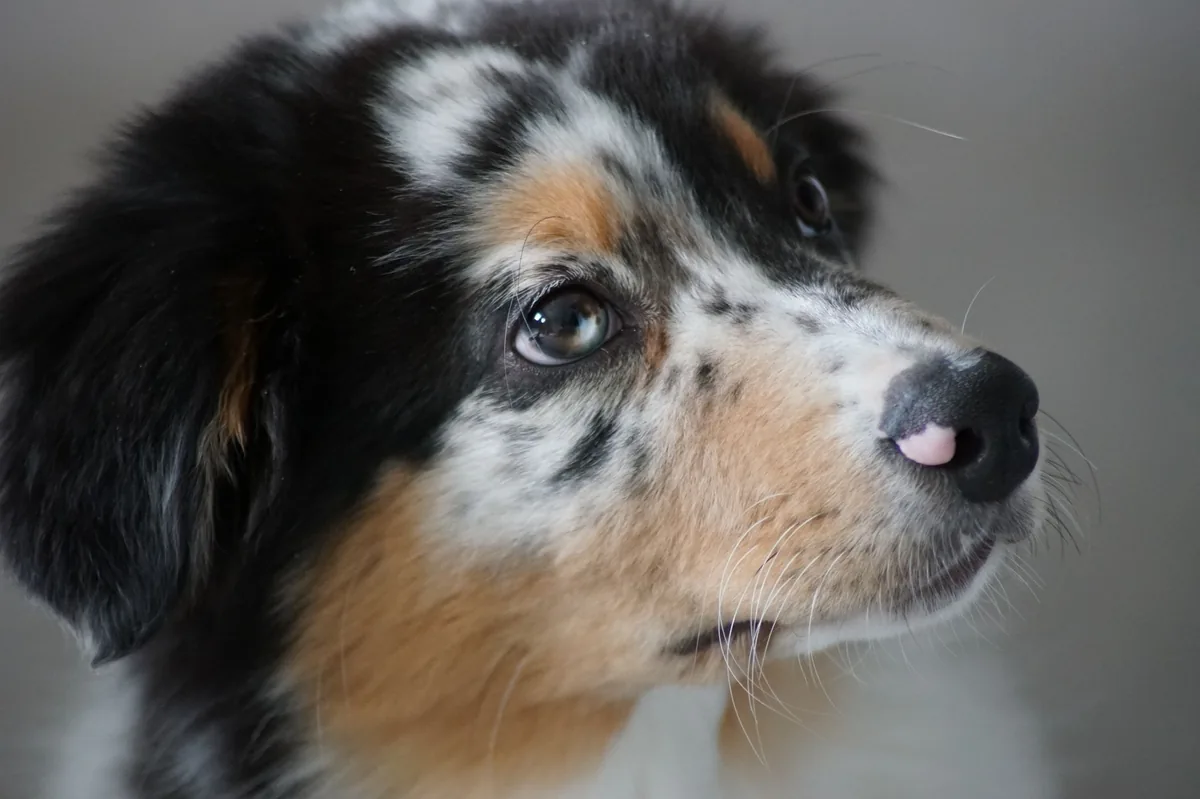
Glaucoma in dogs is a condition where the pressure inside the eye (intra‑ocular pressure, or IOP) becomes too high. This pressure pushes against the optic nerve—the “cable” that sends visual information to the brain—causing damage that can lead to permanent blindness. The pressure builds up because the fluid that normally circulates (aqueous humor) can’t drain properly.
While glaucoma is relatively uncommon compared to other eye problems, it’s a leading cause of blindness in dogs. Certain breeds, such as the Basset Hound, Cocker Spaniel, and Shih Tzu, are more prone, but any dog can develop it.
What causes it?
Glaucoma can be classified by how quickly it appears and what’s behind the fluid‑drainage problem. Below is a quick overview of the main categories.
| Cause type | Typical trigger | Common breeds |
|---|---|---|
| Primary (idiopathic) glaucoma | Unknown genetic predisposition | Basset Hound, Cocker Spaniel, Chow Chow |
| Secondary glaucoma | Eye trauma, inflammation, cataract, tumor, lens luxation | Any breed, especially those with lens issues (e.g., Poodles) |
| Congenital glaucoma | Developmental abnormality of drainage angle | Miniature Schnauzer, Boston Terrier |
| Acute vs. chronic | Sudden blockage (acute) or gradual blockage (chronic) | All breeds |
Signs and symptoms
Glaucoma often starts with subtle changes that can be missed if you’re not looking closely. Here’s how the signs typically progress.
| Severity | Typical signs |
|---|---|
| Mild | Redness around the eye, slight cloudiness of the cornea, dilated pupil that doesn’t react quickly to light |
| Moderate | Visible bulging of the eye, pronounced cloudiness, frequent squinting, reluctance to play or go for walks |
| Severe | Severe pain (pawing at the eye, vocalizing), complete loss of sight, darkened or “black” eye, vomiting or lethargy from systemic pain |
Other warning signs include excessive tearing, a “fish‑eye” appearance, and a sudden change in behavior such as hiding or refusing food. If you notice any of these, keep reading for the next critical step.
When to call your vet
Call your vet today if you see any of the mild‑to‑moderate signs listed above—redness, cloudiness, or a dilated pupil that doesn’t respond to light. Early evaluation can prevent permanent damage.
Go to an emergency veterinary clinic right now if your dog shows severe pain (pawing at the eye, crying out), a dramatically bulging eye, or sudden blindness. These are red‑flag emergencies that need IOP‑lowering treatment within minutes.
This article provides general information and is not a substitute for professional veterinary care. Always consult your veterinarian for a definitive diagnosis and personalized treatment plan.
How vets diagnose it
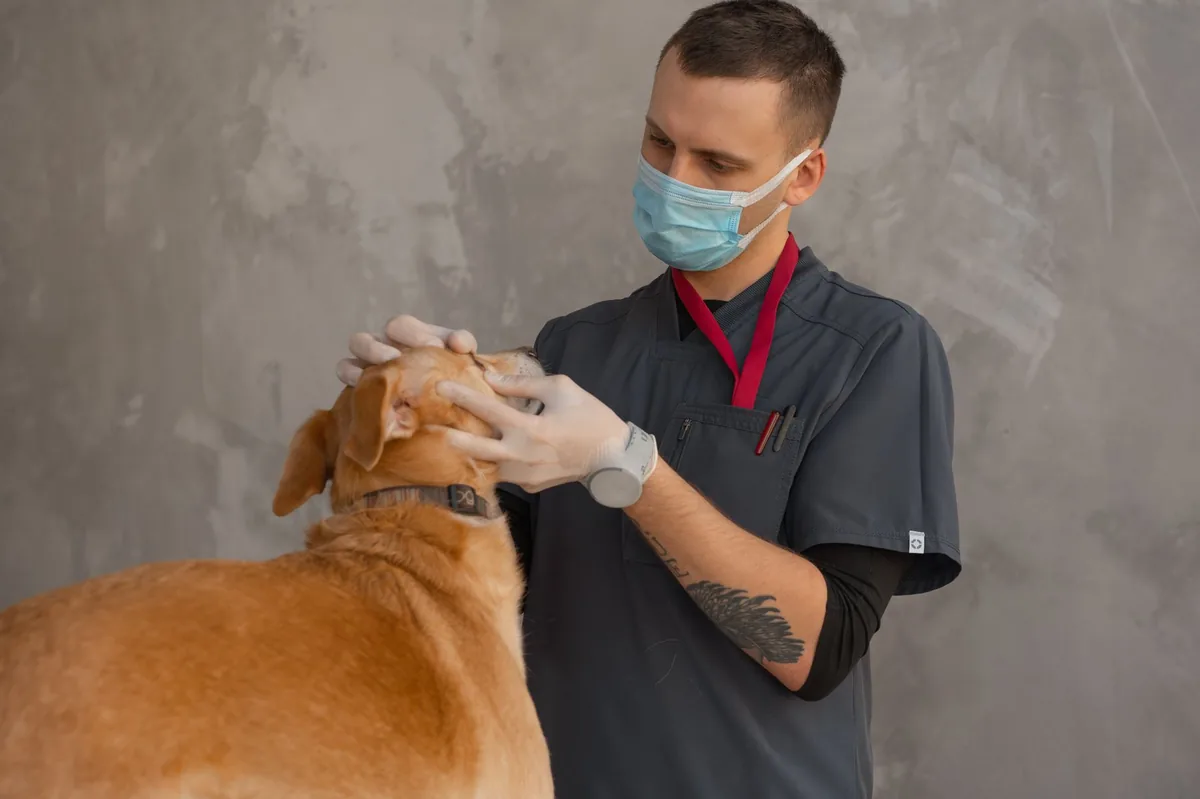
Veterinarians use a combination of history, visual exam, and specific tests to confirm glaucoma.
- Physical exam: The vet checks the eye’s appearance, pupil response, and looks for pain.
- Tonometry: A handheld device measures intra‑ocular pressure (normal is 10‑20 mm Hg). Elevated readings confirm glaucoma.
- Gonioscopy: Under a microscope, the vet examines the drainage angle to see if it’s blocked or malformed.
- Ophthalmoscopy: A special lens lets the vet view the back of the eye for optic nerve damage.
- Ultrasound or CT scan: If a tumor or lens problem is suspected, imaging helps pinpoint the cause.
These tests together give a clear picture of pressure, drainage health, and any secondary issues that need to be addressed.
Treatment options
Medical treatment
Most dogs with glaucoma start with medication to lower intra‑ocular pressure and control pain. Common drug classes include:
- Carbonic anhydrase inhibitors (e.g., dorzolamide, brinzolamide) – reduce fluid production.
- Beta‑blockers (e.g., timolol) – also decrease fluid production.
- Prostaglandin analogues (e.g., latanoprost) – increase fluid outflow.
- Alpha‑agonists (e.g., apraclonidine) – both lower production and increase outflow.
- Pain relievers such as NSAIDs or opioids may be prescribed for acute discomfort.
These medications are usually given as eye drops, sometimes combined with oral drugs. Your vet will choose the right mix based on the type of glaucoma and your dog’s overall health. Ask your vet about these options and how to administer drops safely.
Supplements and supportive care
While supplements cannot replace prescription drugs, they can help support overall eye health and reduce inflammation.
- Omega‑3 fatty acids (EPA/DHA) – found in fish oil, may lessen ocular inflammation.
- Antioxidant blends containing lutein and zeaxanthin – support retinal health, especially useful after surgery.
- Probiotics – maintain gut health, which can influence systemic inflammation.
Only add supplements after discussing them with your vet, as some can interact with glaucoma medications.
Procedures or surgery
When medication alone cannot control pressure, surgical options are considered. Common procedures include:
- Laser cyclophotocoagulation (CPC) – uses a laser to shrink the ciliary body, decreasing fluid production.
- Implantable drainage devices (e.g., aqueous shunt) – create a new pathway for fluid to exit the eye.
- Enucleation – removal of the affected eye, reserved for eyes that are blind and painful.
Post‑operative care often involves topical antibiotics, anti‑inflammatory drops, and close follow‑up visits. Recovery time varies: laser procedures may need a few weeks of monitoring, while shunt surgery can require 4‑6 weeks before the eye stabilizes.
Diet and nutrition
Nutrition plays a supporting role in managing glaucoma, especially when inflammation or systemic health influences eye pressure. While no diet can cure glaucoma, certain feeding strategies can help keep your dog comfortable and may aid in recovery after surgery.
Focus on highly digestible, moderate‑protein foods. A diet that’s easy on the liver and kidneys reduces overall metabolic stress, which can indirectly affect intra‑ocular pressure. Commercial “senior” or “maintenance” formulas that meet AAFCO nutrient profiles are usually appropriate.
Include omega‑3 fatty acids. EPA and DHA, found in fish oil or salmon‑rich kibble, have anti‑inflammatory properties that may benefit the ocular surface and reduce swelling after procedures. Aim for a supplement that provides at least 300 mg EPA + DHA per day for a 20‑lb dog, but always confirm the dose with your vet.
Limit excess sodium. High sodium intake can increase fluid retention, potentially raising eye pressure. Choose low‑sodium kibble and avoid table scraps that are salty (e.g., processed meats, cheese).
Avoid foods high in vitamin A. Excessive vitamin A can affect eye health, though normal commercial diets already balance it. If you’re feeding a homemade diet, keep vitamin A sources (like liver) to a moderate level.
Hydration matters. Ensure fresh water is always available, but don’t encourage binge drinking, which can lead to fluid shifts. For dogs on a low‑sodium diet, a steady water supply helps maintain proper electrolyte balance.
When your dog undergoes surgery, the vet may recommend a short‑term therapeutic diet—often a highly digestible, low‑fat formula—until the incision heals. Transition gradually over 5‑7 days by mixing increasing amounts of the new food with the old.
Below is a quick guide to help you decide what to feed, limit, or avoid during glaucoma management.
| Category | Examples | Reason |
|---|---|---|
| Do feed | High‑quality senior kibble, cooked sweet potato, boiled chicken (no skin), fish oil supplement | Provides balanced nutrients, easy digestion, anti‑inflammatory omega‑3s |
| Limit | Low‑fat cottage cheese, small amounts of fruit (blueberries) | Low‑fat dairy can be a protein source; fruit offers antioxidants but should be modest |
| Avoid | Salty treats, processed meats, high‑vitamin A organ meats (liver), raw bones with high calcium | Excess sodium, vitamin A, and calcium can affect fluid balance and eye pressure |
Remember, every dog is unique. If you’re considering a major diet change, especially for a senior or medically complex dog, consult your vet or a veterinary nutritionist. For personalized guidance, you can use our dog health calculators to estimate daily calorie needs.
Cost and prognosis
Glaucoma treatment costs can vary widely based on the type of glaucoma, required medications, and whether surgery is needed. Below are typical ranges for the United States and United Kingdom, expressed as estimates.
| Service | US estimate | UK estimate |
|---|---|---|
| Initial vet exam & tonometry | $80–$150 | £60–£110 |
| Prescription eye drops (monthly supply) | $30–$120 | £25–£90 |
| Laser cyclophotocoagulation | $1,200–$2,500 | £900–£1,800 |
| Implantable shunt surgery | $2,500–$4,500 | £2,000–£4,000 |
| Enucleation (eye removal) | $800–$1,500 | £600–£1,200 |
| Follow‑up visits (per visit) | $50–$100 | £40–£80 |
Prognosis depends on how quickly glaucoma is diagnosed and treated. Acute cases that receive prompt pressure‑lowering therapy have a better chance of preserving vision—up to 60 % of eyes retain functional sight. Chronic glaucoma often leads to progressive vision loss despite treatment, but pain can be effectively managed, allowing a good quality of life.
Prevention and home care
While you can’t prevent primary (genetic) glaucoma, you can reduce the risk of secondary forms and keep your dog comfortable.
- Regular eye checks: During routine wellness exams, ask the vet to measure intra‑ocular pressure, especially for at‑risk breeds.
- Protect from trauma: Keep your dog’s eyes safe during play—avoid rough toys that could poke or scratch the eye.
- Monitor for cataracts or lens issues: Early cataract surgery can prevent secondary glaucoma.
- Maintain a healthy weight: Obesity can contribute to systemic inflammation, potentially influencing eye pressure.
- Follow medication schedules: If your dog is on drops, set a reminder and keep a spare bottle for travel.
Schedule follow‑up appointments every 3–6 months, or sooner if you notice any changes. Our Dog Questions Answered page offers more tips on eye‑health monitoring.
From our vet team: “Glaucoma can feel overwhelming, but most owners find that early detection and consistent medication make a huge difference. If you’re ever unsure about a drop or notice a new symptom, a quick call to your vet can prevent unnecessary pain and preserve vision.”
Key takeaways
- Glaucoma in dogs is an eye‑pressure problem that can cause pain and blindness if untreated.
- Watch for red, cloudy eyes, dilated pupils, and any signs of eye pain; act quickly.
- Veterinarians diagnose glaucoma with tonometry and a thorough eye exam; imaging may be needed for secondary causes.
- Medical treatment (eye drops) is first‑line; surgery is considered when pressure stays high.
- Support eye health with a balanced diet, omega‑3 supplements, and low‑sodium foods.
- Regular check‑ups and prompt attention to any eye changes are the best prevention.
Myth vs. fact
Myth: Glaucoma only affects senior dogs.
Fact: While older dogs are common patients, primary glaucoma can appear in young adults, especially in breeds with a genetic predisposition.
Myth: Once a dog is diagnosed with glaucoma, vision loss is inevitable.
Fact: Early treatment can lower eye pressure, relieve pain, and preserve vision in many cases, especially with acute glaucoma.
Myth: Home remedies like eye rinses can cure glaucoma.
Fact: Glaucoma requires prescription medication or surgical intervention; home care alone cannot control intra‑ocular pressure.
Frequently asked questions
Can glaucoma be contagious?
No, glaucoma is not an infectious disease. It results from fluid‑drainage problems, genetics, or trauma, none of which spread between dogs.
How much does glaucoma treatment usually cost?
Initial exams and tonometry range from $80–$150 (US) or £60–£110 (UK). Ongoing eye drops cost $30–$120 per month, while surgery can run $1,200–$4,500 depending on the procedure and region.
Will my dog be blind forever?
If glaucoma is caught early and pressure is controlled, many dogs retain usable vision. In chronic or untreated cases, blindness is common, but pain can still be managed.
How long does recovery take after glaucoma surgery?
Recovery varies: laser cyclophotocoagulation often stabilizes within a few weeks, while shunt implantation may need 4–6 weeks of medication and monitoring before the eye settles.
Are there any long‑term side effects of glaucoma medications?
Most eye drops are well tolerated, but some dogs may develop mild irritation or allergic reactions. Your vet will adjust the regimen if side effects appear.
Can diet alone prevent glaucoma?
Diet alone cannot prevent primary glaucoma, but a balanced, low‑sodium diet with omega‑3 fatty acids supports overall eye health and can help manage secondary causes.
Ask the PuppaDogs community
Have a question this article didn’t fully answer? Want to compare notes with other dog owners who’ve been through this? Our community forum is moderated by experienced owners and vets — and answers tend to come fast. Ask in the PuppaDogs community →
References
- American Animal Hospital Association (AAHA) 2023 Guidelines for Ophthalmic Care.
- American Veterinary Medical Association (AVMA) – Canine Glaucoma Overview.
- Merck Veterinary Manual, “Glaucoma in Dogs” chapter.
- American College of Veterinary Internal Medicine (ACVIM) Consensus Statement on Ocular Diseases.
- World Small Animal Veterinary Association (WSAVA) – Eye Health Recommendations.
- American Association of Feed Control Officials (AAFCO) Nutrient Profiles for Senior Dogs.
- Cornell University College of Veterinary Medicine – Glaucoma Diagnosis and Management.
- UC Davis Veterinary Medicine – Ocular Pharmacology Reference.
- Veterinary Ophthalmology textbook, 5th edition, Chapter 12.


