












Quick take: Genetic liver abnormalities in dogs are inherited conditions that affect how the liver processes toxins, stores copper, or handles fats. They often show up as lethargy, poor appetite, or yellow gums, and early detection plus a copper‑chelation diet can greatly improve outcomes. Talk to your vet promptly if you notice these signs, and ask about genetic testing if your breed is at higher risk.
It’s 9 p.m., you’re scrolling through your phone, and your normally spry Border Collie, Max, is curled up on the couch, eyes half‑closed, and his gums look a pale pink you’ve never seen before. The thought “liver problem?” flashes through your mind, and a wave of worry hits you. You’re not alone—many dog owners first notice a genetic liver issue when subtle changes in energy or appetite turn into more obvious signs.
Genetic liver abnormalities in dogs are inherited disorders that disrupt normal liver function. They can be caused by faulty genes that affect copper metabolism, bile formation, or fat processing. While some breeds carry a higher genetic risk, the condition can appear in any dog. In this article we’ll explain what these disorders are, how they show up, how vets diagnose them, treatment options, expected costs, and what you can do to prevent or manage them.
We’ll also share practical tips you can use tonight, questions to ask your vet, and real‑world stories from owners who’ve walked this path. Join our community if you need support from other dog lovers and veterinarians.
What is a genetic liver abnormality in dogs?
A genetic liver abnormality is a hereditary disease that interferes with the liver’s ability to detoxify blood, store or eliminate copper, or process fats. The most common inherited form is copper‑associated hepatitis (CAH), also called copper storage disease. In CAH, a mutation in the COMMD1 or ATP7B gene (depending on breed) causes copper to accumulate in the liver, leading to inflammation and scarring.
Other hereditary liver conditions include hereditary cholestasis (impaired bile flow) and hepatic lipidosis (fatty liver disease) caused by genetic defects in lipid metabolism. While the exact prevalence varies, CAH affects roughly 1‑2 % of the overall dog population, but certain breeds have a much higher rate—up to 30‑40 % in Bedlington Terriers and 10‑15 % in Dalmatians.
What causes it?
Genetic liver disease stems from inherited mutations that affect enzymes or transport proteins in liver cells. The main categories are:
| Cause | Typical Breed Examples | Genetic Mechanism |
|---|---|---|
| Copper‑associated hepatitis | Bedlington Terrier, Dalmatians, West Highland White Terrier, Skye Terrier | Defective copper‑transport gene (COMMD1 or ATP7B) |
| Hereditary cholestasis | English Cocker Spaniel, Labrador Retriever | Mutation affecting bile‑acid transport |
| Hereditary hepatic lipidosis | Miniature Schnauzer, Poodle | Defect in lipid‑metabolism enzymes |
Environmental factors—like high‑copper diets or chronic infections—can worsen the disease, but the underlying genetic defect is the primary driver.
Signs and symptoms
Early signs are often vague, which is why owners may miss them until the liver is more compromised. Below is a quick guide from mild to severe.
| Stage | Typical Signs |
|---|---|
| Mild | Reduced stamina, slight weight loss, mild appetite drop, occasional vomiting |
| Moderate | Noticeable pale or yellow gums, increased thirst, frequent diarrhea, abdominal swelling |
| Severe | Severe jaundice, ascites (fluid in abdomen), seizures, coma, bleeding disorders |
Because these signs overlap with other liver diseases, a vet’s workup is essential for an accurate diagnosis.
When to call your vet
Call your vet today if you notice any of the following:
- Loss of appetite lasting more than 24 hours
- Lethargy or decreased activity
- Yellowing of gums, whites of eyes, or skin
- Frequent vomiting or diarrhea
- Abdominal swelling or a “pot belly” appearance
Go to an emergency veterinary hospital right now if your dog experiences:
- Severe vomiting with blood
- Sudden collapse, seizures, or unresponsiveness
- Rapid breathing or difficulty breathing
- Bleeding that won’t stop
This article is for informational purposes only and does not replace a hands‑on veterinary examination.
How vets diagnose it
Diagnosing a genetic liver abnormality involves several steps that together paint a clear picture.
- History and physical exam: Your vet will ask about breed, diet, symptoms, and any previous liver issues, then check for jaundice, abdominal fluid, and gum color.
- Blood work: A CBC and chemistry panel reveal elevated liver enzymes (ALT, AST), bilirubin, and sometimes low albumin. A copper level test (serum or hepatic) can be ordered.
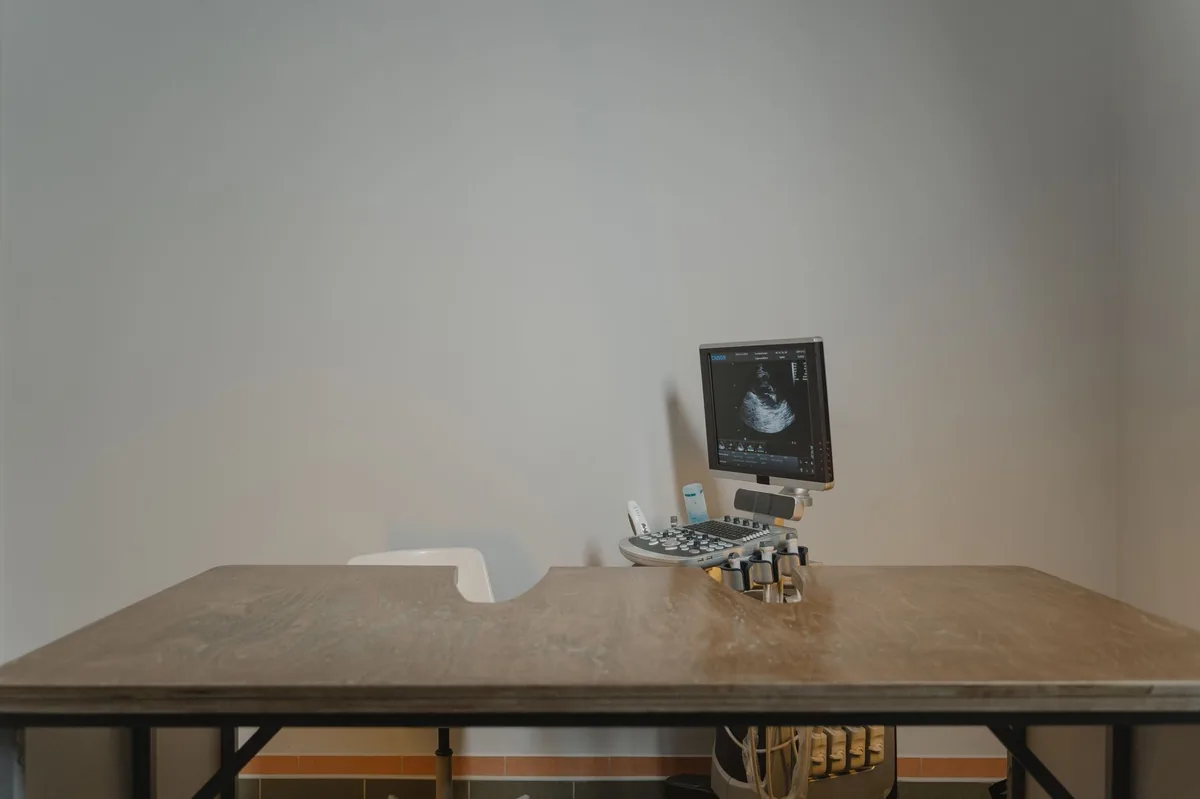
- Imaging: Abdominal ultrasound shows liver size, texture, and any nodules. In copper storage disease, the liver may appear bright on ultrasound.
- Liver biopsy: The gold standard. Small tissue samples are examined under a microscope for copper accumulation (using special stains) and fibrosis. This also allows grading of disease severity.
- Genetic testing: DNA panels (e.g., from UC Davis or Cornell) can detect known mutations in COMMD1, ATP7B, and other relevant genes. Testing is especially recommended for at‑risk breeds.
Results from these tests help your vet decide on the best treatment plan and give you a prognosis.
Treatment options
Medical treatment
The cornerstone of therapy for copper‑associated hepatitis is chelation—binding excess copper so the body can excrete it. The most common drugs are:
- Penicillamine: A copper‑binding agent often combined with a low‑copper diet.
- Trientine: An alternative chelator with fewer side effects.
- Zinc supplementation: Helps block copper absorption from the gut.
Veterinarians may also prescribe anti‑inflammatory drugs (e.g., glucocorticoids) to reduce liver inflammation, and antibiotics if a secondary bacterial infection is suspected. For cholestasis, ursodeoxycholic acid (UDCA) can improve bile flow. Always ask your vet about these options; dosing is weight‑based and individualized.
Supplements and supportive care
Adjunctive supplements can support liver health while the primary therapy works:
- Omega‑3 fatty acids (EPA/DHA): Reduce inflammation and support cell membranes. Look for a high‑purity fish‑oil supplement.
- S‑adenosyl‑methionine (SAMe): Helps regenerate liver cells and boosts antioxidant capacity.
- Milk thistle (silymarin): May protect hepatocytes, though evidence is modest.
These should be given only after discussing with your vet, as some supplements interact with chelation drugs.
Procedures or surgery
In severe cases where liver damage is extensive, a liver transplant is an experimental option performed at a few specialty centers worldwide. More commonly, dogs with advanced fibrosis may need a hepatic shunt surgery to reduce portal hypertension, or a therapeutic liver biopsy to monitor disease progression. Recovery from surgery usually involves a 2‑3 week hospital stay and costs ranging from $5,000‑$15,000 in the U.S., depending on the facility.

Diet and nutrition
Nutrition is a pivotal part of managing hereditary liver disease. A diet low in copper and highly digestible helps reduce the liver’s workload and limits further copper buildup.
What to feed
- Low‑copper therapeutic diets: Commercially available “copper‑restricted” formulas (often labeled as “renal” or “hepatic”) contain less than 30 ppm copper. Brands such as Hill’s Prescription Diet l/d and Royal Canin Hepatic are common choices.
- Highly digestible protein: Look for foods with fish or chicken that are easy for the liver to process. Aim for 18‑22 % protein on a dry‑matter basis.
- Added zinc: Many therapeutic diets include zinc to inhibit copper absorption.
What to limit or avoid
| Do feed | Limit | Avoid |
|---|---|---|
| Low‑copper therapeutic kibble or home‑cooked meals with lean protein | Raw organ meats (liver, kidney) – high copper | Commercial foods high in copper (e.g., lamb, liver pâté) |
| Fresh vegetables (pumpkin, carrots) – low in copper | Supplements with high copper content | Shellfish and organ meats |
| Omega‑3 fish oil supplement (as advised) | Excessive fat – can worsen hepatic lipidosis | Fatty treats and table scraps |
Feeding tips
Transition to a new diet gradually over 7‑10 days to avoid gastrointestinal upset. Offer smaller, more frequent meals (3‑4 times daily) rather than one large meal, which eases the liver’s metabolic load. Always provide fresh water and monitor body condition.
If your dog is a senior with chronic liver failure, a diet with slightly higher calories but still low in copper can help maintain weight without overloading the liver. Your vet may recommend a custom home‑cooked plan, especially if your dog has food allergies or sensitivities.
Cost and prognosis
Financial considerations are a real part of managing a hereditary liver disease. Below are typical cost ranges (estimates only) for the United States and United Kingdom.
| Service | US Estimate | UK Estimate |
|---|---|---|
| Initial blood panel | $150‑$300 | £80‑£150 |
| Abdominal ultrasound | $300‑$600 | £150‑£300 |
| Liver biopsy (incl. pathology) | $1,200‑$2,500 | £800‑£1,500 |
| Genetic test (COMMD1/ATP7B) | $150‑$250 | £100‑£180 |
| Chelation therapy (6‑month supply) | $400‑$900 | £250‑£500 |
| Therapeutic diet (monthly) | $70‑$120 | £45‑£80 |
Prognosis depends on disease stage at diagnosis, compliance with diet and medication, and breed. Dogs caught early (mild to moderate copper accumulation) often live a normal lifespan with proper management. In advanced cases with cirrhosis, median survival drops to 1‑2 years, though some dogs respond well to aggressive chelation and supportive care.
Prevention and home care
Because the root cause is genetic, you cannot eliminate the risk entirely, but you can reduce the chance of disease expression.
- Breeding decisions: Reputable breeders should test breeding stock for known copper‑gene mutations and avoid mating two carriers.
- Regular monitoring: For at‑risk breeds, annual blood work (ALT, AST, bilirubin) and copper testing from age 2 years onward can catch early changes.
- Dietary vigilance: Feed low‑copper foods, avoid organ meat treats, and keep copper‑containing supplements out of reach.
- Environmental control: Use distilled or filtered water if your tap water is high in copper, and avoid copper cookware for dog food preparation.
- Exercise and weight management: Maintaining a healthy weight reduces liver strain and improves overall prognosis.
Our dog health calculators can help you track your pet’s weight and nutrient intake.
From our vet team: Early detection is the biggest game‑changer. If your dog belongs to a high‑risk breed, ask about a genetic panel during your puppy check‑up. Even if the test comes back negative, regular liver enzyme panels are a low‑cost way to keep an eye on liver health.
Key takeaways
- Genetic liver abnormalities, especially copper‑associated hepatitis, are inherited and most common in Bedlington Terriers, Dalmatians, and West Highland White Terriers.
- Early signs include lethargy, loss of appetite, and pale or yellow gums; severe signs require emergency care.
- Diagnosis combines blood work, ultrasound, liver biopsy, and genetic testing—no single test is definitive on its own.
- Medical management hinges on copper chelation (penicillamine or trientine) plus a low‑copper, highly digestible diet; supplements like omega‑3 and SAMe can aid recovery.
- Costs vary widely but typically range from a few hundred dollars for routine monitoring to several thousand for biopsy and long‑term therapy.
- Preventive steps include responsible breeding, regular liver panels for at‑risk breeds, and feeding low‑copper foods while avoiding organ‑meat treats.
Myth vs. fact
Myth: All liver disease in dogs is caused by genetics.
Fact: While hereditary forms exist, many liver problems arise from infections, toxins, or dietary issues. Genetic testing helps pinpoint inherited cases.
Myth: A low‑copper diet alone cures copper‑associated hepatitis.
Fact: Diet is essential but must be paired with chelation medication; without drugs, copper will continue to accumulate.
Myth: Once a dog has a liver abnormality, it will inevitably die within months.
Fact: With early detection, proper treatment, and diligent home care, many dogs live years with a good quality of life.
Frequently asked questions
What are the early signs of hereditary liver problems?
Early signs often include subtle lethargy, reduced appetite, mild weight loss, and slightly pale gums. Owners may also notice occasional vomiting or a “pot‑bellied” appearance.
How is copper‑associated hepatitis diagnosed?
Diagnosis typically involves blood chemistry to detect elevated liver enzymes, abdominal ultrasound to assess liver texture, a liver biopsy with copper staining, and a genetic test for COMMD1 or ATP7B mutations.
How is copper‑associated hepatitis treated?
Treatment centers on copper chelation (penicillamine or trientine), zinc supplementation to block copper absorption, anti‑inflammatory drugs, and a low‑copper therapeutic diet. Supplements such as omega‑3s and SAMe may be added under veterinary guidance.
Can a genetic liver disease be cured or only managed?
These conditions are generally managed rather than cured. Early intervention can halt progression and provide a normal lifespan, but the underlying genetic mutation remains.
Which dog breeds are most at risk for liver gene mutations?
Bedlington Terriers, Dalmatians, West Highland White Terriers, and Skye Terriers have the highest reported rates of copper‑associated hepatitis. Other breeds like English Cocker Spaniels and Labrador Retrievers can develop hereditary cholestasis.
How much does it cost to treat a genetic liver condition in a dog?
Initial diagnostics (blood panel, ultrasound, biopsy) can total $1,500‑$3,000. Ongoing chelation medication and therapeutic diet add $400‑$900 per six months, plus routine rechecks every 3‑6 months.
Ask the PuppaDogs community
Have a question this article didn’t fully answer? Want to compare notes with other dog owners who’ve been through this? Our community forum is moderated by experienced owners and vets — and answers tend to come fast. Ask in the PuppaDogs community →
References
- American Animal Hospital Association (AAHA) 2023 Canine Hepatic Guidelines.
- American College of Veterinary Internal Medicine (ACVIM) Consensus Statement on Copper-Associated Hepatitis, 2022.
- Merck Veterinary Manual, “Copper-Associated Hepatitis” chapter.
- Cornell University College of Veterinary Medicine, “Hereditary Liver Disease in Dogs” article.
- UC Davis School of Veterinary Medicine, “Genetic Testing for Canine Copper Storage Disease.”
- World Small Animal Veterinary Association (WSAVA) Nutritional Recommendations for Chronic Liver Disease, 2021.
- Royal Canin Veterinary Diet, Hepatic Formula – product information (no brand endorsement).
- Hill’s Prescription Diet, l/d – low copper therapeutic diet overview.
- British Veterinary Association (BVA) – Cost of Veterinary Care Survey 2023.


