
















Quick take: Food allergies in dogs are immune‑mediated reactions to specific proteins in the diet. They usually show up as itchy skin, ear infections, or gastrointestinal upset, and are confirmed with an elimination diet rather than blood or skin tests. Management centers on a hypoallergenic diet, occasional meds, and careful ingredient tracking.
It’s 9 p.m., you’re scrolling through your phone, and your 4‑year‑old mixed‑breed terrier, Milo, is scratching his belly more than usual. Earlier, you noticed a few loose stools and a faint odor from his ears. Your heart races as you wonder: “Is this something I can fix at home, or do I need to rush to the vet?” You’re not alone—many owners hit this exact moment when they first suspect a food allergy.
We’ve walked through that worry with countless readers, and the good news is that food allergies are usually manageable once you pinpoint the trigger. In this guide we’ll explain what a food allergy really is, how it differs from an intolerance, the signs to watch for, how vets diagnose it, and what you can do—diet-wise, medically, and financially—to keep your pup comfortable.
From the science behind the immune response to practical tips on reading ingredient lists, we’ll cover everything you need to know about food allergies in dogs. Let’s get started.
What is a food allergy in dogs?
A food allergy is an abnormal immune response—usually involving IgE antibodies—to a protein that the dog’s body mistakenly treats as a threat. When the dog eats that protein, the immune system releases histamine and other chemicals, leading to inflammation. This is different from a food intolerance, which is a non‑immune reaction (often digestive) that doesn’t involve antibodies.
Food allergies are relatively uncommon compared to other dermatologic issues, affecting roughly 1–2 % of the canine population according to the American College of Veterinary Dermatology (ACVD). However, they are a frequent cause of chronic itching and ear problems, especially in young to middle‑aged dogs.
What causes food allergies in dogs?
Allergies develop when a dog’s immune system becomes sensitized to a specific dietary protein. The most common culprits are:
- Beef
- Chicken
- Dairy (milk, cheese, yogurt)
- Eggs
- Wheat
- Soy
- Lamb and other novel proteins (less common, but can be triggers if previously introduced)
While any protein can cause a reaction, the likelihood varies by breed and individual genetics. Some breeds—such as Bulldogs, Boxers, and Golden Retrievers—appear predisposed, though the exact genetic mechanisms remain under study (AAHA, 2022).
Signs and symptoms
Food allergies typically manifest on the skin, but gastrointestinal signs are also common. Below is a quick guide to early, moderate, and severe indicators.
| Severity | Skin signs | GI signs |
|---|---|---|
| Mild | Pale, flaky skin; occasional itch behind ears | Soft, occasional loose stool |
| Moderate | Red rash, hot spots, ear infections (otitis), paw licking | Frequent loose stools, mild vomiting |
| Severe | Widespread hives, hair loss, chronic hot spots, secondary infections | Persistent diarrhea, weight loss, severe vomiting |
Typical clues owners notice first include:
- Itchy paws or belly, especially after meals.
- Recurring ear infections without an obvious cause.
- Scratching that leads to hair loss or scabs.
- Frequent gas, bloating, or soft stools.
- Sudden changes in appetite or weight.
Because many of these signs overlap with flea‑bite dermatitis or atopic dermatitis, a careful history and diagnostic work‑up are essential.
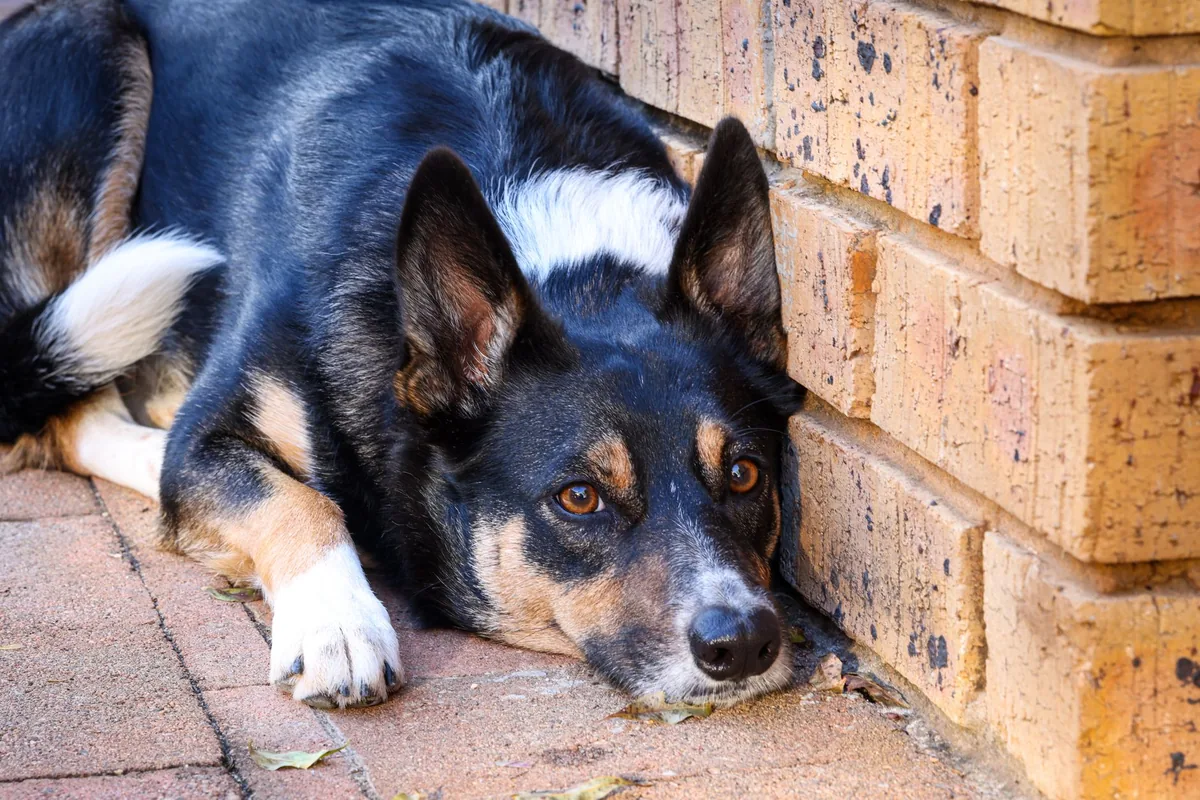
When to call your vet
Call your vet today if you notice any of the following:
- New itching, especially on paws, belly, or ears.
- Recurrent ear infections (more than two in six months).
- Any skin redness, hot spots, or hair loss that doesn’t improve with basic care.
- Changes in stool consistency or occasional vomiting.
Go to an emergency veterinary hospital right now if you see:
- Rapid swelling of the face, lips, or tongue (possible anaphylaxis).
- Difficulty breathing, wheezing, or collapse.
- Severe vomiting with blood or black, tarry stool.
These are medical emergencies. The information in this article is for general education and should never replace a hands‑on exam by your veterinarian.
How vets diagnose food allergies
Diagnosing a food allergy is a process of elimination because there is no reliable blood test for most dogs. Vets typically follow these steps:
- History and physical exam: The vet asks about diet changes, symptom timing, and any previous treatments.
- Rule‑out other causes: Flea‑bite dermatitis, environmental allergies, and skin infections are evaluated first.
- Elimination diet trial: The dog is fed a novel protein or a hydrolyzed‑protein diet for 8–12 weeks, with no other treats or table scraps.
- Re‑challenge (optional): After symptoms improve, the original diet is reintroduced to confirm the reaction.
- Blood or intradermal testing (rare): Some labs offer IgE‑based assays, but they have limited sensitivity and are not considered definitive for food allergies (ACVIM, 2021).
During the elimination trial, the vet may monitor blood work to ensure the dog’s overall health remains stable, especially if the dog is a senior or has chronic illness.
Treatment options
Medical treatment
While the cornerstone is dietary change, short‑term medications can help control itching and inflammation:
- Antihistamines: Cetirizine or diphenhydramine are often tried first; they can reduce mild itching.
- Corticosteroids: Prednisone or a short taper of a steroid may be prescribed for severe flare‑ups, but only under vet supervision due to side‑effects.
- Topical therapies: Medicated shampoos (e.g., chlorhexidine‑based) and spray‑on steroids can soothe localized hot spots.
- Immune modulators: For chronic cases, drugs like cyclosporine or oclacitinib (Apoquel) may be recommended; ask your vet about these options.
All medications should be discussed with your vet to ensure the correct dosage based on your dog’s weight and health status.
Dietary management (hypoallergenic diets)
The most effective treatment is a strict hypoallergenic diet. Options include:
- Hydrolyzed protein diets: Proteins are broken into tiny peptides that the immune system can’t recognize. Brands such as Hill’s Prescription Diet z/d, Royal Canin Hydrolyzed, and Purina Pro Plan HA are commonly used.
- Novel protein diets: Foods featuring proteins the dog has never eaten (e.g., duck, venison, kangaroo, or rabbit).
- Home‑cooked elimination diet: A vet‑supervised recipe using a single carbohydrate (like sweet potato) and a single novel protein, balanced with supplements for vitamins and minerals.
Whichever route you choose, the diet must be fed exclusively—no treats, chews, or table scraps—for the full trial period. Even a small amount of the original food can keep the allergy active.
Supplements and supportive care
Evidence‑based supplements can aid skin health and reduce inflammation:
- Omega‑3 fatty acids (EPA/DHA): Fish oil or algal oil can calm itching and improve coat quality. Look for a product with at least 500 mg EPA per serving.
- Probiotics: Certain strains (e.g., Lactobacillus reuteri) may support gut health and reduce gastrointestinal signs, though they are not a cure for the allergy itself.
- Vitamin E and zinc: Antioxidants that help skin repair; supplement only if a vet confirms a deficiency.
These should complement, not replace, the primary dietary changes. Always discuss supplement choice with your vet to avoid excess calories or interactions.
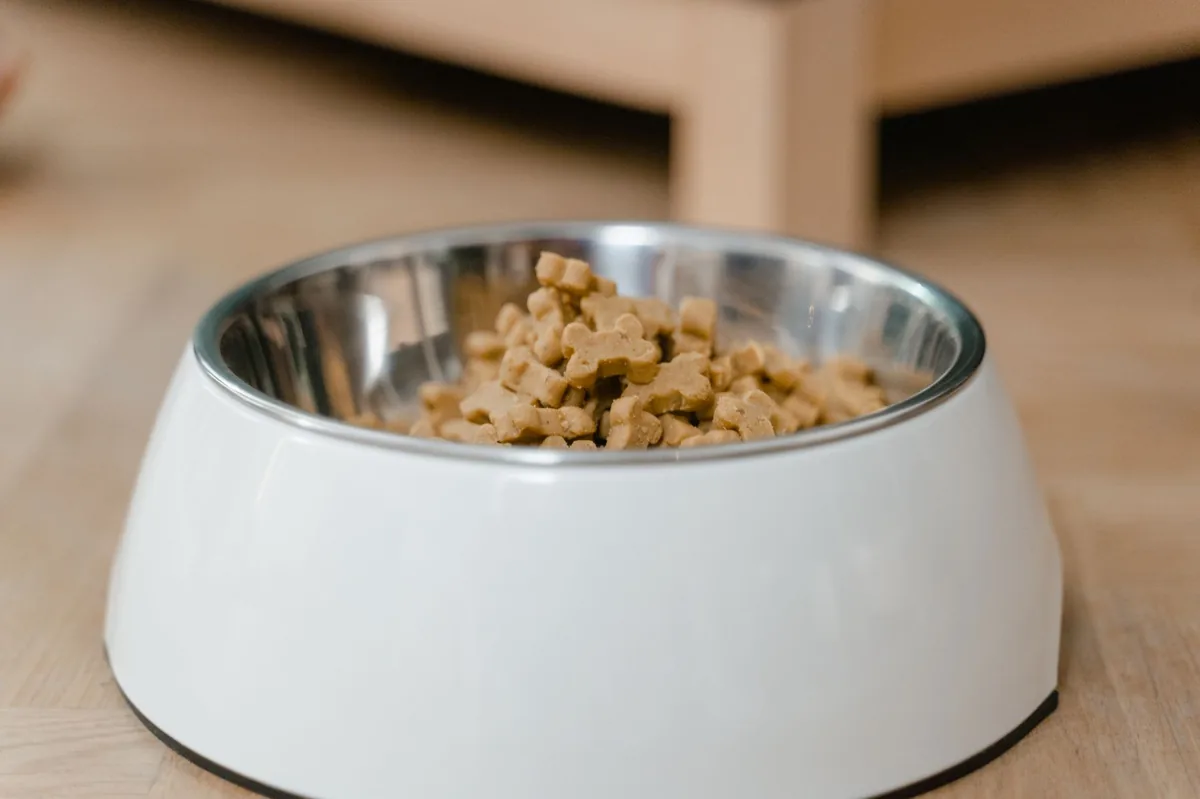
Diet and nutrition
Food is the only way to treat a food allergy, so the diet you select must be nutritionally complete and appropriate for your dog’s life stage, size, and health status. Below is a guide on what to feed, limit, and avoid during and after the elimination trial.
| Do feed | Limit | Avoid |
|---|---|---|
| Limited‑ingredient or hydrolyzed protein commercial diets Home‑cooked novel protein meals (e.g., duck + sweet potato) balanced with a vet‑approved supplement |
Occasional low‑protein treats (e.g., plain carrots) if they contain no prohibited proteins Calorie‑dense treats—keep total kcal within daily requirement |
Any food containing beef, chicken, dairy, egg, wheat, soy, or other known allergens Table scraps, bones, and flavored chews that may contain hidden proteins |
Transition tips: If you’re moving from a regular kibble to a hydrolyzed diet, start by mixing a small portion of the new food with the old one for a few days, then gradually increase the new food until the old food is fully replaced. This “step‑up” method can reduce gastrointestinal upset, though it does not affect the allergy itself.
For home‑cooked diets, the Dog Questions Answered page offers a printable recipe calculator to ensure you’re meeting the AAFCO nutrient profile.
When the elimination diet is successful, many owners continue with a limited‑ingredient commercial diet to keep the allergy in remission. Some dogs tolerate a broader range of proteins after the initial trial, but it’s wise to keep a food diary and re‑introduce new proteins one at a time, watching for any flare‑up.
Hydration is also key. If your dog is on a dry kibble, ensure fresh water is always available. Adding a little low‑sodium broth can make the diet more palatable and increase fluid intake, which helps with skin health.
Finally, remember that diet isn’t just about the protein source. Some additives, like artificial colors or preservatives, can irritate sensitive skin. Choosing foods with natural preservation (e.g., vitamin E) and minimal fillers can make a difference for especially reactive pups.
Cost and prognosis
Financial considerations often influence a pet owner’s decision to pursue an elimination diet. Below is a rough breakdown (USD / GBP) of typical expenses in the United States and United Kingdom:
| Item | US cost | UK cost |
|---|---|---|
| Initial vet consultation (incl. exam & basic blood work) | $80–$120 | £50–£90 |
| Elimination diet (commercial hydrolyzed food, 30‑day supply) | $80–$150 | £60–£120 |
| Home‑cooked diet ingredients (per month) | $40–$80 | £30–£70 |
| Follow‑up visit (after trial) | $60–$100 | £40–£80 |
| Medications for flare‑ups (antihistamines, steroids) | $15–$40 | £10–£30 |
Overall, most owners spend between $200 and $350 in the first three months to confirm and begin treating a food allergy. Once the trigger is identified, ongoing costs drop to the price of the chosen maintenance diet, which can be as low as $30 / month for a quality limited‑ingredient kibble.
The prognosis is excellent when the offending protein is eliminated. Most dogs experience a marked reduction in itching within 2–4 weeks, and gastrointestinal signs often resolve within 1–2 weeks. Long‑term management simply requires vigilance about ingredient changes.
Prevention and home care
While you can’t guarantee a dog will never develop a food allergy, several practices can lower the risk:
- Introduce new proteins gradually, especially if your dog has a history of skin issues.
- Stick to a consistent, high‑quality diet rather than frequent brand switches.
- Avoid feeding table scraps or treats with unknown ingredients.
- Maintain regular vet check‑ups, especially if your dog has a family history of allergies.
- Consider a probiotic supplement during diet changes to support gut health.
Regular grooming—brushing and bathing with a gentle, hypoallergenic shampoo—helps keep the skin barrier intact, reducing secondary infections that can mask an underlying food allergy.
When you’re re‑introducing foods after a successful trial, do so one protein at a time, waiting at least two weeks before adding another. Keep a simple log (date, food, any symptoms) to spot patterns early.
From our vet team: “If you suspect a food allergy, the fastest way to get answers is a strict elimination diet. It may feel restrictive, but most owners see dramatic improvement within weeks, and the long‑term payoff—fewer vet visits, calmer skin, happier dog—is well worth the short‑term commitment.”
Key takeaways
- Food allergies are immune reactions to dietary proteins; they differ from intolerances, which are non‑immune digestive issues.
- Typical signs include itchy skin, ear infections, and soft stools; watch for worsening symptoms that warrant a vet call.
- The gold‑standard diagnosis is an 8–12‑week elimination diet; blood or skin tests are rarely definitive.
- Treatment centers on a hypoallergenic diet, with short‑term meds to control flare‑ups and supplements like omega‑3s for skin health.
- Costs average $200–$350 initially; long‑term maintenance is usually just the price of a limited‑ingredient diet.
- Prevention involves consistent feeding, careful ingredient tracking, and routine vet checks to catch early signs.
Myth vs. fact
Myth: Grain‑free diets are automatically safer for dogs with food allergies.
Fact: Grain‑free foods often replace grains with other proteins (like peas or lentils) that can still trigger allergies. The key is low‑protein, limited‑ingredient formulas, not whether the diet is grain‑free.
Myth: Blood tests can reliably diagnose food allergies.
Fact: IgE blood tests have low sensitivity for canine food allergies; an elimination diet remains the most accurate method (ACVIM, 2021).
Myth: All food allergies cause immediate vomiting or diarrhea.
Fact: Many dogs show only skin signs—itching, hot spots, ear infections—while gastrointestinal symptoms can be mild or absent.
Frequently asked questions
What symptoms indicate a food allergy in my dog?
Symptoms often start with itchy paws, a red rash behind the ears, or recurring ear infections. Gastrointestinal signs like soft stools or occasional vomiting may accompany the skin issues.
How is a food allergy different from a food intolerance in dogs?
A food allergy involves the immune system producing antibodies (IgE) against a protein, leading to inflammation. An intolerance is a non‑immune reaction, usually limited to digestive upset, and does not cause itching or systemic inflammation.
What is the elimination diet and how does it work for dogs?
The elimination diet feeds a single novel protein (or hydrolyzed protein) and a single carbohydrate for 8–12 weeks, with no other foods or treats. If symptoms improve, the diet confirms the allergy; re‑introducing the original food then triggers a flare‑up, proving the cause.
Do I need blood or skin testing to confirm a dog food allergy?
Blood and intradermal skin tests have limited reliability for food allergies. Most vets rely on the elimination diet as the definitive diagnostic tool, reserving blood tests for other allergy types.
How much does it cost to treat a dog’s food allergy?
Initial costs (vet exam, labs, and a 30‑day trial of a hydrolyzed diet) range from $200 to $350 in the US. Ongoing maintenance usually costs $30–$80 per month for a limited‑ingredient diet, plus occasional meds during flare‑ups.
Can I prevent food allergies in my dog by choosing certain foods?
While you can’t guarantee prevention, feeding a consistent, high‑quality diet with limited ingredients reduces exposure to potential allergens. Avoid frequent brand changes and limit treats with unknown protein sources.
Ask the PuppaDogs community
Have a question this article didn’t fully answer? Want to compare notes with other dog owners who’ve been through this? Our community forum is moderated by experienced owners and vets — and answers tend to come fast. Ask in the PuppaDogs community →
References
- American College of Veterinary Dermatology (ACVD). “Food‑induced dermatologic disease in dogs.” 2022.
- American Animal Hospital Association (AAHA). “Guidelines for the management of canine food allergies.” 2023.
- American College of Veterinary Internal Medicine (ACVIM). “Diagnostic approach to canine food allergy.” 2021.
- Merck Veterinary Manual. “Allergic Dermatitis, Food Allergy.” Updated 2022.
- World Small Animal Veterinary Association (WSAVA). “Nutritional management of food‑allergic dogs.” 2021.
- American Veterinary Medical Association (AVMA). “Understanding food allergies vs. intolerances.” 2023.
- Veterinary Information Network (VIN). “Elimination diet protocols.” 2022.
- University of California, Davis School of Veterinary Medicine. “Probiotic use in canine gastrointestinal health.” 2021.


