





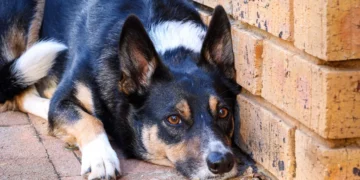






Quick take: Entropion in dogs is a condition where the eyelid rolls inward, causing the eyelashes to rub the eye surface. It’s usually painless but can lead to irritation, corneal ulcers, and vision problems if left untreated. Most cases are managed successfully with surgery or temporary sutures, and early veterinary care helps prevent complications.
It’s 11 p.m., and you’re scrolling through your phone while your 7‑year‑old Border Collie, Max, keeps blinking and pawing at his face. His eyes look a little red, and you notice his lower eyelid seems to be folding inward. The worry spikes—“Is this something serious?” you think. You’ve never heard of “entropion” before, but the Googling starts, and the answers feel overwhelming.
Take a breath. You’re not alone; many owners first spot entropion when a dog’s eyelid looks “turned the wrong way” or when the pet constantly rubs his eyes with his paws. In most cases, the condition is treatable, and with prompt veterinary attention, Max can return to his happy, tail‑wagging self without lasting eye damage.
In this guide we’ll explain what entropion is, why it happens, the signs to watch for, when you need urgent care, how vets diagnose it, and the treatment options—including surgery, temporary measures, and after‑care nutrition. We’ll also cover costs, prognosis, prevention tips, and answer the most common questions owners have. By the end, you’ll know exactly what steps to take for your dog’s eye health.
What is entropion in dogs?
Entropion is a structural eye problem where the eyelid (usually the lower one, but sometimes the upper) rolls inward toward the eye. This misalignment causes the eyelashes and skin to rub the cornea—the clear front surface of the eye—leading to irritation, inflammation, and potentially painful ulcers. In plain language, the eyelid “folds the wrong way,” and the tiny hairs act like sandpaper on the eye.
Entropion can be congenital (present at birth) or acquired later in life. It’s relatively common in certain breeds, especially those with short muzzles or excess skin around the eyes, such as the Shar‑Pei, English Bulldog, Pug, and Boston Terrier. Overall, the condition affects roughly 1–2 % of the dog population, according to the American College of Veterinary Ophthalmologists (ACVO).
What causes it?
Entropion arises from a mix of genetic, anatomical, and environmental factors. Below are the main categories:
| Cause | Details |
|---|---|
| Genetic predisposition | Breeds with brachycephalic (short‑nosed) skulls or excessive facial skin are more likely to develop entropion. |
| Facial conformation | Heavy facial folds, shallow eye sockets, or a short facial length can cause the eyelid to roll inward as the dog ages. |
| Scarring or injury | Trauma, burns, or previous surgeries around the eye can tighten skin, pulling the lid inward. |
| Age‑related changes | Older dogs may develop entropion as skin loses elasticity and muscles weaken. |
| Inflammation | Chronic dermatitis or allergic eye disease can lead to swelling that forces the lid inward. |
Signs and symptoms
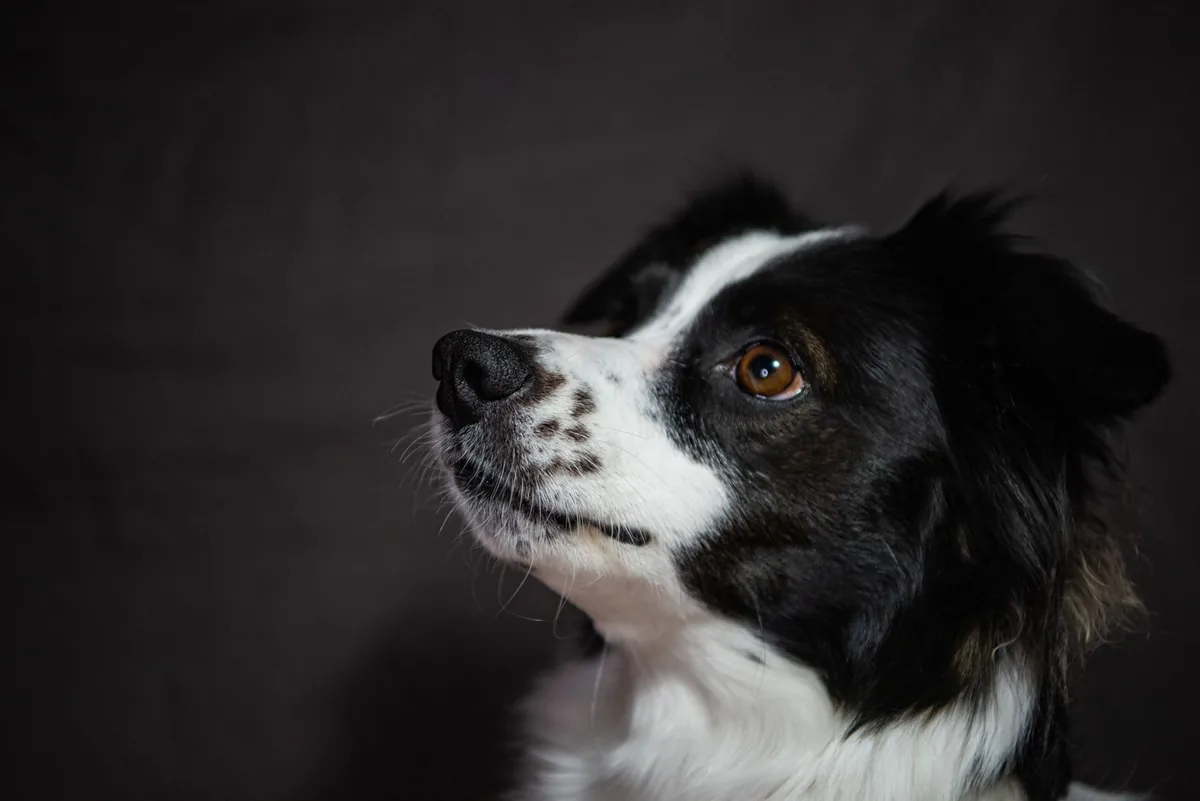
Owners often notice entropion because the dog repeatedly rubs his face with a paw or seems unusually sensitive to light. Early signs can be subtle, while severe cases show obvious eye damage.
| Severity | Typical signs |
|---|---|
| Mild | Intermittent blinking, occasional pawing, slight redness of the lower eyelid. |
| Moderate | Constant pawing, visible inward‑folded eyelid, watery discharge, mild corneal irritation (scratchy feeling). |
| Severe | Deep corneal ulcers, bleeding, scarring, vision loss, chronic inflammation, persistent eye discharge. |
Other clues include a “hairy” appearance on the cornea (called trichiasis) and a noticeable “bulge” of the eyelid edge. If you spot any of these, it’s time to act.
When to call your vet
Call your vet today if you notice any of the following:
- Persistent eye rubbing or pawing.
- Visible inward folding of the eyelid.
- Redness, watery discharge, or cloudiness in the eye.
- Any change in your dog’s behavior related to vision (e.g., bumping into objects).
Go to an emergency veterinary hospital right now if you see:
- Bleeding from the eye.
- Sudden loss of vision or a white, opaque cornea.
- Severe pain indicated by continuous whimpering, tearing, or refusal to open the eye.
This article is for information only and does not replace a hands‑on veterinary exam. If you’re unsure, contact your vet.
How vets diagnose entropion
Diagnosing entropion is straightforward but requires a thorough eye exam. Your vet will:
- Take a history—ask when you first noticed the problem, any injuries, and breed information.
- Perform a physical exam—gently lift the eyelids to assess the direction of the fold and look for corneal damage.
- Use fluorescein staining—a special dye that highlights corneal ulcers; if the dye sticks, there’s an ulcer.
- Measure tear production (Schirmer tear test) to ensure the eye can stay moist during treatment.
- Check for underlying issues such as skin infections or allergic conjunctivitis that may be contributing.
In most cases, no advanced imaging is needed. However, if scarring or complex facial anatomy is suspected, the vet may order CT or MRI to plan surgery.
Treatment options
Medical treatment
While surgery is the definitive cure, temporary medical measures can relieve discomfort while you await an operation or if surgery isn’t immediately possible.
- Lubricating eye drops (e.g., artificial tears) keep the cornea moist and reduce friction.
- Topical antibiotics (e.g., gentamicin or neomycin) prevent bacterial infection of any corneal scratches.
- Anti‑inflammatory drops (e.g., cyclosporine) may be prescribed to calm ocular inflammation.
- Temporary tacking sutures—fine sutures placed through the eyelid to evert it temporarily; your vet will explain how long they stay in place.
Ask your vet about these options; they’ll tailor the plan to your dog’s age, severity, and overall health.
Supplements and supportive care
While supplements won’t correct the eyelid position, they can support eye health and healing:
- Omega‑3 fatty acids (EPA/DHA) from fish oil—help reduce ocular inflammation and promote corneal healing.
- Vitamin A (beta‑carotene) in a balanced diet supports healthy epithelial cells on the eye surface.
- Probiotics—maintain gut health, which indirectly influences immune response and reduces allergic eye disease.
Supplements should be added only after discussing with your vet, especially if your dog is on other medications.
Surgery or procedures
Corrective surgery is the most common and permanent solution. The typical procedure is called a “lateral canthoplasty” or “entropion correction.” During surgery, the vet removes a small strip of tissue or places a permanent tacking suture to turn the eyelid outward. The operation is usually done under general anesthesia and takes about 30–45 minutes.
Recovery is generally quick. Most dogs go home the same day, and the sutures (if used) are removed in 7–10 days. Post‑operative care includes:
- Applying prescribed eye ointment 2–3 times daily for 1–2 weeks.
- Preventing the dog from scratching the eye (an Elizabethan collar or “cone” is often recommended).
- Keeping the eye clean with a damp cotton ball.
Costs vary. In the United States, the surgery itself typically ranges from $800 to $2,200, with additional fees for anesthesia, pre‑op blood work, and post‑op meds. In the United Kingdom, expect £500–£1,500. These are estimates; your vet will provide a detailed quote.
Diet and nutrition
Good nutrition supports overall eye health and helps the cornea heal after surgery or injury. While there’s no “entropion diet,” certain nutrients are especially beneficial for dogs with eye irritation.
| Do feed | Limit/avoid |
|---|---|
| High‑quality protein (chicken, turkey, fish) – supports tissue repair. | Excessive raw bones that may splinter and cause oral trauma. |
| Omega‑3 rich foods (salmon, sardines, fish oil supplement) – reduces inflammation. | High‑salt treats – can exacerbate swelling. |
| Beta‑carotene sources (sweet potatoes, carrots) – provides vitamin A for eye surface. | Artificial colorings and flavors – may trigger allergies. |
| Balanced commercial diet meeting AAFCO standards – ensures all essential nutrients. | Very low‑fat “light” diets for dogs that need weight loss – unless prescribed, as fat is needed for vitamin absorption. |
When your dog is recovering from entropion surgery, you’ll want a diet that’s easy to chew and digest, because many owners need to keep a cone on the dog, which can make eating a bit awkward. Softened kibble (mixed with warm water or low‑sodium broth) or a high‑quality wet food can encourage steady intake.
Prescription therapeutic diets aren’t usually required for entropion, but if your vet notes concurrent ocular disease like dry eye (keratoconjunctivitis sicca) or chronic allergies, they may recommend a diet formulated for skin and coat health—often labeled “hypoallergenic” or “limited‑ingredient.” These diets are designed to reduce systemic inflammation, which can indirectly benefit eye comfort.
Transitioning foods should be done gradually over 7–10 days to avoid gastrointestinal upset. Mix a small amount of the new diet with the current one, increasing the proportion each day. Monitor your dog’s water intake; adequate hydration helps keep the eyes moist.
During the first week after surgery, you may notice your dog licking his lips or eyes more often. This is normal, but keep the eye clean and avoid giving treats that require vigorous chewing (e.g., hard rawhide). Soft treats like frozen banana slices or soft chew toys are safer.
Finally, keep your dog’s weight in a healthy range. Overweight dogs can have increased facial skin folds, which may worsen entropion over time. A balanced diet and regular exercise help maintain a lean body condition, reducing the strain on facial structures.
Cost and prognosis
Entropion treatment costs differ by region, clinic, and the complexity of the case. Below are typical ranges (estimates, not guarantees):
| Region | Surgery cost (USD) | Additional fees |
|---|---|---|
| United States (average) | $800–$2,200 | Anesthesia $150–$300, pre‑op labs $80–$150, post‑op meds $30–$80 |
| United Kingdom (average) | £500–£1,500 | Anesthesia £100–£250, labs £40–£100, meds £20–£60 |
| Australia (average) | AUD 1,000–2,500 | Anesthesia AUD 200–400, labs AUD 80–150, meds AUD 30–90 |
Most dogs recover fully within 2–3 weeks, and the long‑term prognosis is excellent when the eyelid is properly positioned. Recurrence is rare but can happen in rapidly growing puppies or older dogs with worsening skin laxity. Regular re‑checks with your vet (often at 6 months and then annually) help catch any return early.
Prevention and home care
Because many cases are breed‑related, you can’t eliminate the risk entirely, but you can reduce the chance of complications:
- Regular eye checks—look for signs of inward‑folding eyelids during grooming or when cleaning around the eyes.
- Maintain a healthy weight—excess fat can increase facial skin folds.
- Keep facial folds clean—especially in brachycephalic breeds; gently wipe with a damp cloth to prevent dermatitis that can exacerbate entropion.
- Protect from trauma—avoid rough play that could injure the eye area.
- Schedule routine vet exams—your vet can spot early eyelid changes before they cause corneal damage.
If your dog already has mild entropion, your vet may recommend temporary tacking sutures to buy time until the dog is older and better suited for permanent surgery.
How to care for your dog after entropion surgery
Post‑operative care focuses on protecting the eye and promoting healing:
- Apply the prescribed eye ointment exactly as directed (usually 2–3 times daily).
- Use an Elizabethan collar (cone) to prevent pawing or rubbing.
- Keep the eye clean—gently wipe away discharge with a sterile cotton ball soaked in saline.
- Limit vigorous activity for 7–10 days; short leash walks are fine.
- Monitor for signs of infection: increasing redness, swelling, or a foul odor.
- Attend the suture removal appointment (if sutures were placed) and the follow‑up exam.
Most owners find that once the eye is comfortable, their dog returns to normal activity within two weeks. If you notice any setbacks, contact your vet promptly.
Vet’s note
From our vet team: Entropion may look alarming, but it’s a highly treatable condition. The key is early detection—regularly inspect your dog’s eyes, especially after grooming or bathing. If you catch it before corneal ulcers develop, surgery is usually a quick, outpatient procedure with a fast return to normal life. Always keep a soft eye‑lubricating drop on hand; it can buy you precious time while you arrange the veterinary appointment.
Key takeaways
- Entropion is an inward‑folding eyelid that can irritate the cornea; early detection prevents lasting damage.
- Breeds with short muzzles or heavy facial folds are most at risk, but any dog can develop the condition.
- Temporary measures (lubricating drops, tacking sutures) can relieve discomfort while you schedule definitive surgery.
- Corrective surgery has a high success rate, with most dogs fully recovering within a few weeks.
- Maintain a balanced diet rich in omega‑3s and vitamin A, keep facial folds clean, and monitor eye health during routine vet visits.
Myth vs. fact
Myth: Entropion always requires immediate emergency surgery.
Fact: While it needs veterinary attention, many cases are managed with temporary sutures or medication until a planned surgery can be performed.
Myth: Only brachycephalic breeds get entropion.
Fact: Although short‑nosed breeds are predisposed, any dog can develop entropion due to injury, scarring, or age‑related skin changes.
Myth: After surgery, the dog will never need eye care again.
Fact: Ongoing eye checks are advisable, especially for breeds prone to facial skin folds, to catch any recurrence early.
Frequently asked questions
Can entropion be cured without surgery?
In mild cases, temporary tacking sutures or lubricating eye drops can manage symptoms, but they don’t permanently correct the eyelid position. Most owners opt for surgery for a lasting solution.
Is entropion painful for my dog?
Many dogs experience irritation or a gritty feeling, which can lead to pawing and rubbing. The condition itself isn’t usually painful, but corneal ulcers that develop from the eyelid rubbing can be quite uncomfortable.
How much does entropion surgery cost?
In the United States, the procedure typically ranges from $800 to $2,200, plus anesthesia, labs, and post‑op meds. Costs vary by region and clinic, so check with your vet for a detailed estimate.
Will my dog need lifelong medication after surgery?
Usually not. Once the eyelid is correctly positioned and the eye heals, most dogs don’t require ongoing eye medication. Your vet may suggest occasional lubricating drops during dry seasons or if the dog has concurrent eye allergies.
Can I prevent entropion in my puppy?
You can’t change a dog’s genetics, but keeping facial folds clean, maintaining a healthy weight, and scheduling regular eye exams can reduce the risk of severe complications.
How long is the recovery period?
Most dogs recover fully within 2–3 weeks. The eye ointment is typically used for 1–2 weeks, and the cone is worn for about 10 days. Your vet will give you a timeline specific to your dog’s surgery.
Ask the PuppaDogs community
Have a question this article didn’t fully answer? Want to compare notes with other dog owners who’ve been through this? Our community forum is moderated by experienced owners and vets — and answers tend to come fast. Ask in the PuppaDogs community →
References
- American College of Veterinary Ophthalmologists (ACVO). “Entropion.” Clinical guidelines, 2022.
- American Animal Hospital Association (AAHA). “Eye Care Standards for Companion Animals,” 2021.
- Merck Veterinary Manual. “Entropion in Dogs.” Chapter on ocular disorders, 2020.
- American Veterinary Medical Association (AVMA). “Canine Eye Health.” Owner resources, 2023.
- World Small Animal Veterinary Association (WSAVA). “Guidelines for Ophthalmic Surgery,” 2022.
- Cornell University College of Veterinary Medicine. “Surgical Correction of Entropion.” Educational article, 2021.
- AAFP (American Academy of Family Practice) – Veterinary Nutrition Guidelines, 2022.


