
















Quick take: An enlarged spleen (splenomegaly) in dogs can stem from anything from a harmless inflammation to a life‑threatening tumor. The first clues are often vague—lethargy, a swollen abdomen, or pale gums. Your vet will confirm the cause with blood work and imaging, then discuss whether surgery, medication, or supportive care is best for your pup.
It’s 9 p.m., the house is quiet, and your 7‑year‑old mixed‑breed Labrador is lying on the couch, eyes half‑closed. You reach to pat his side and feel a soft, rounded bulge where his ribs should be flat. A quick Google search later, you’re staring at medical terms you don’t understand, heart racing, wondering if you’ve just discovered a fatal disease.
First, take a breath. An enlarged spleen is a sign—not a diagnosis. It tells us something inside is off, but the underlying cause can range from benign inflammation to a malignant tumor that needs surgery. In the next few minutes we’ll walk through what the spleen does, why it might swell, what you can see at home, how vets find the exact problem, and what treatment, cost, and recovery look like.
By the end of this guide you’ll know which red‑flag signs demand an emergency visit, what questions to ask your veterinarian, and how to support your dog’s healing at home—whether the plan is medication, splenectomy, or simply monitoring.
What is an enlarged spleen in dogs?
The spleen is a soft, fist‑sized organ tucked under the left ribcage. It filters blood, removes old red blood cells, stores platelets, and helps mount an immune response against infections. When the spleen swells—called splenomegaly—it can be due to extra blood flow, inflammation, bleeding into the organ, or a mass growing inside it.
Splenomegaly isn’t rare. Studies from the American College of Veterinary Internal Medicine (ACVIM) estimate that about 5–10 % of dogs undergoing abdominal ultrasound have an enlarged spleen, though many are incidental findings. The seriousness depends entirely on the underlying cause, which we’ll explore next.
What causes an enlarged spleen in dogs?
There are four broad categories of causes, each with its own risk factors.
| Category | Typical Causes | Breed / Age Trends |
|---|---|---|
| Neoplastic (tumor) | Hemangiosarcoma, lymphoma, mast cell tumor | Large breeds (German Shepherd, Golden Retriever) & older dogs (7+ yr) |
| Torsion (twist) | Splenic torsion, often sudden | Middle‑aged dogs, especially active breeds |
| Inflammatory / Infectious | Immune‑mediated disease, ehrlichiosis, babesiosis, fungal infection | Dogs in tick‑endemic areas; any breed |
| Congenital / Metabolic | Congenital splenic cysts, portal hypertension, anemia‑related hyperplasia | Young puppies (congenital); dogs with chronic liver disease |
Signs and symptoms
Because the spleen sits behind the ribs, a swelling can be subtle. Early signs often masquerade as general “not feeling right” behaviors.
| Severity | Signs you might notice |
|---|---|
| Mild | Lethargy, reduced appetite, slight abdominal distension, occasional gagging |
| Moderate | Pale or bluish gums, weight loss, intermittent vomiting, noticeable left‑side bulge |
| Severe | Sudden collapse, rapid breathing, black stool (internal bleeding), shock (cold paws, weak pulse) |
Many owners first spot a “puffy” belly or a change in energy level. If the spleen is bleeding into itself—a common scenario with hemangiosarcoma—the dog can go into shock within hours.
When to call your vet
Call your vet today if you notice any of the following:
- Lethargy lasting more than 24 hours
- Persistent loss of appetite or weight loss
- Pale gums or a noticeable left‑side abdominal bulge
- Occasional vomiting or mild abdominal discomfort
Go to an emergency veterinary hospital right now if you see any sign of shock:
- Sudden collapse or inability to stand
- Rapid, shallow breathing or a distended abdomen that feels firm
- Black, tarry stool or bright red blood in vomit
- Cold, mottled paws and a weak pulse
This article is for informational purposes only and does not replace a hands‑on veterinary exam.
How vets diagnose an enlarged spleen in dogs
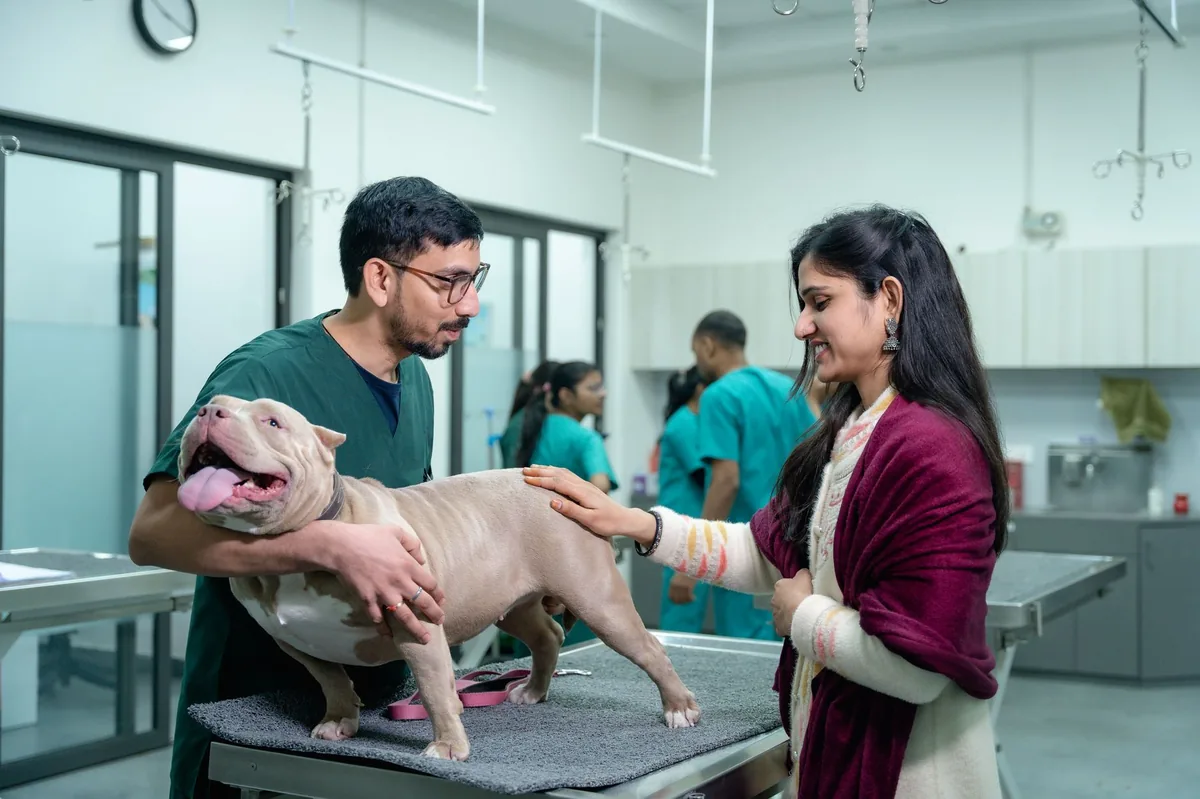
Diagnosis starts with a thorough history—when you first noticed the change, any recent tick bites, diet, and activity level. The physical exam includes palpating the left abdomen to feel the spleen’s size and consistency.
Bloodwork: A complete blood count (CBC) checks for anemia, low platelets, or abnormal white cells. A chemistry panel evaluates liver and kidney function, which can influence treatment choices. Many splenic tumors cause a drop in red blood cells (anemia) and platelets (thrombocytopenia).
Imaging:
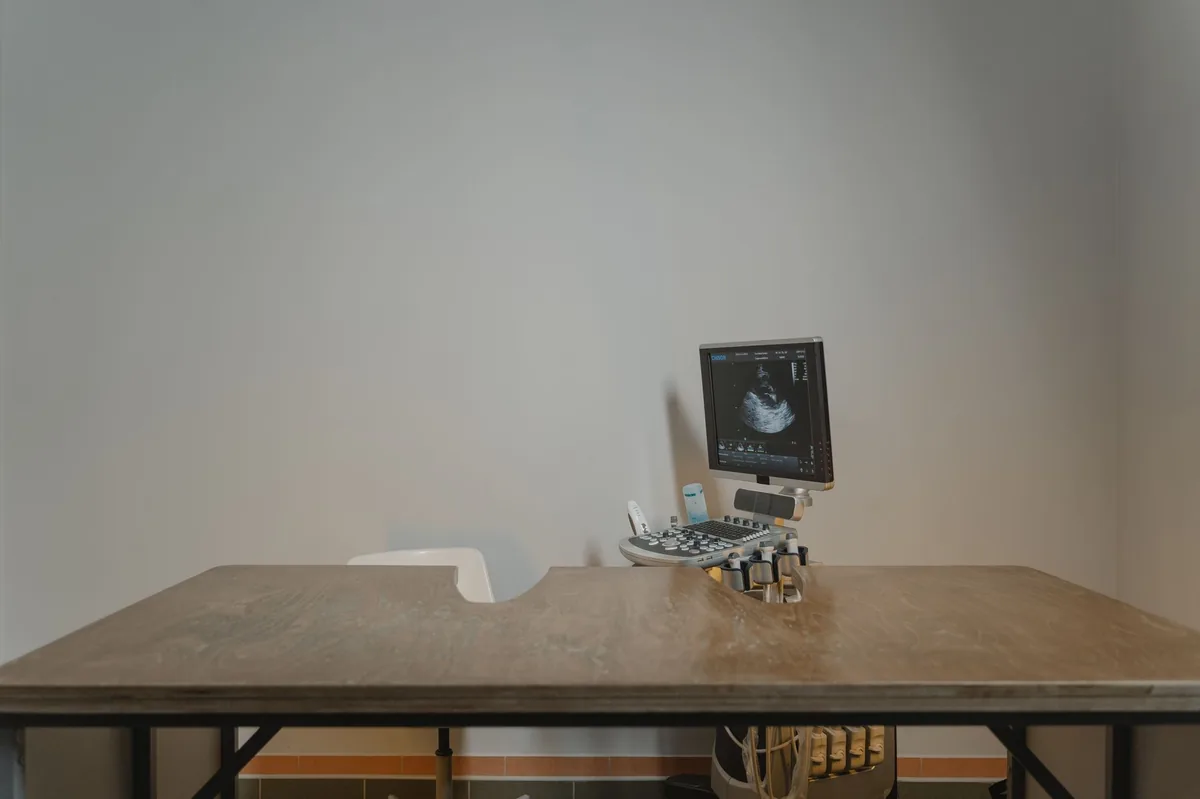
- Abdominal ultrasound is the gold standard. It shows the spleen’s texture, any masses, and whether blood is pooling inside.
- Radiographs (X‑rays) can reveal an enlarged silhouette or signs of internal bleeding.
- CT scan offers a 3‑D view, useful when planning surgery or assessing metastasis.
If imaging suggests a tumor, the vet may recommend a fine‑needle aspirate (FNA) or core biopsy to identify the cell type. This step is crucial because treatment differs dramatically between a benign cyst and an aggressive hemangiosarcoma.
Treatment options
Medical treatment
When the cause is inflammatory, infectious, or a low‑grade tumor, medication may be enough.
- Anti‑inflammatory drugs such as prednisone (a corticosteroid) can reduce immune‑mediated swelling. Ask your vet about this option.
- Antibiotics or antiparasitics—for infections like ehrlichiosis, doxycycline or oxytetracycline are standard. Your vet will tailor therapy based on test results.
- Chemotherapy agents (e.g., lomustine or doxorubicin) are used for certain splenic cancers, but only after a definitive diagnosis and with careful monitoring.
- Blood transfusions may be needed if the spleen is bleeding into itself and causing severe anemia. This is a supportive measure while definitive treatment is planned.
Supplements and supportive care
While supplements can’t shrink a tumor, they can help a dog recover from surgery or support overall health.
- Omega‑3 fatty acids (EPA/DHA) from fish oil have anti‑inflammatory properties and may improve blood flow.
- Vitamin C (ascorbic acid) is sometimes used as an antioxidant during chemotherapy, though evidence is modest.
- Probiotics can keep the gut healthy, especially if the dog is on antibiotics.
Always discuss supplement choice and dosage with your vet, especially if your dog is on steroids or chemotherapy.
Procedures or surgery
The most common definitive treatment is a splenectomy—removing the spleen entirely. This is usually performed via a mid‑line laparotomy (open abdomen) or, increasingly, laparoscopic (minimally invasive) techniques.
Key points:
- Pre‑operative workup includes blood typing, a CBC, and imaging to assess metastasis.
- Anesthesia is safe for most dogs; the spleen’s role in blood storage is compensated by the bone marrow.
- Recovery typically involves 2–3 days of hospital stay for pain control and monitoring, followed by 2–4 weeks of limited activity at home.
- Cost in the United States averages $4,500–$7,500 for the surgery, anesthesia, and 24‑hour monitoring; in the United Kingdom, expect £3,000–£5,000. Insurance often covers 70–90 % of the procedure if the policy includes “surgical emergencies.”
Diet and nutrition
Nutrition plays a supportive role whether your dog undergoes surgery or is managed medically. The spleen helps filter blood and store platelets, so a diet that promotes healthy blood production and reduces inflammation can be beneficial.
Here are the main goals:
- High‑quality protein—supports red blood cell production. Choose foods where the first ingredient is a named animal protein (e.g., chicken, turkey, or fish).
- Moderate fat—provides calories without overloading the liver. Dogs recovering from surgery need enough energy, but excess fat can delay wound healing.
- Omega‑3 fatty acids—found in fish oil or flaxseed, they help reduce inflammation and support vascular health.
- Antioxidants—vitamins A, C, E, and selenium can protect cells from oxidative stress, especially if chemotherapy is used.
- Digestibility—a highly digestible diet eases the workload on the gut and immune system, which is valuable during recovery.
Most veterinarians recommend feeding a limited‑ingredient, grain‑free kibble or a cooked home‑diet recipe that meets AAFCO nutrient profiles. If your dog has a tumor, a prescription “high‑calorie” diet can help maintain body condition while the spleen is removed.
| Do feed | Limit | Avoid |
|---|---|---|
| Lean meats (chicken, turkey, rabbit), fish with omega‑3, boiled sweet potatoes, pumpkin | Fatty treats, table scraps, high‑salt foods | Raw organ meats (risk of parasites), excessive calcium supplements, high‑oxalate vegetables (spinach, beet greens) |
Transitioning to a new diet should be gradual—mix 25 % new food with 75 % old food for the first 2‑3 days, then increase the new food by 25 % every other day. This helps avoid gastrointestinal upset, which can mask or exacerbate anemia symptoms.
During the first two weeks after splenectomy, feed small, frequent meals (3–4 times daily) to reduce nausea. Warm the food slightly to enhance aroma, and offer fresh water at all times. If your dog’s appetite remains poor after 48 hours, contact your vet—loss of appetite can signal infection or pain.
Cost and prognosis
Costs vary widely by region, clinic type, and whether complications arise.
| Item | US Estimate | UK Estimate |
|---|---|---|
| Initial exam, bloodwork, ultrasound | $300–$600 | £200–£400 |
| Splenectomy (surgery + anesthesia) | $4,500–$7,500 | £3,000–£5,000 |
| Post‑op hospitalization (2‑3 days) | $800–$1,200 | £400–£800 |
| Follow‑up visits & meds (first month) | $200–$400 | £150–£300 |
Overall prognosis hinges on the cause. Dogs with a benign splenic cyst or torsion that are promptly treated often return to normal activity within 6–8 weeks. For hemangiosarcoma—a highly aggressive cancer—the median survival after splenectomy alone is 2–4 months; adding chemotherapy can extend life to 6–9 months, according to the ACVIM 2022 guidelines.
Factors that improve outcome include early detection, stable blood parameters, and an absence of metastasis on pre‑operative imaging. Conversely, dogs presenting in shock, with severe anemia, or with evidence of metastatic disease have a poorer prognosis.
Prevention and home care
While you can’t stop every splenic tumor, several everyday practices can reduce risk and help you catch problems early.
- Tick control—use a vet‑approved product year‑round in tick‑prone areas. Tick‑borne diseases like ehrlichiosis can cause splenic inflammation.
- Regular wellness exams—annual physicals with abdominal palpation and blood work catch subtle changes before they become emergencies.
- Balanced diet—maintaining a healthy weight and providing antioxidants supports overall immune health.
- Activity monitoring—notice sudden changes in stamina or willingness to play; these often precede splenic issues.
- Prompt attention to abdominal swelling—even a modest “pot‑belly” should be evaluated; early imaging can differentiate a harmless cyst from a tumor.
After surgery, keep your dog on a leash for the first 2 weeks, avoid stairs, and provide a soft, supportive bedding area. Follow the medication schedule precisely, and watch for signs of infection (redness, swelling, discharge) at the incision site.
From our vet team: “If you catch a splenic problem before your dog goes into shock, the odds of a good recovery jump dramatically. Keep a close eye on appetite, energy, and gum color, and don’t hesitate to call your vet if anything feels off.”
Key takeaways
- An enlarged spleen can be harmless or life‑threatening; the cause determines urgency.
- Early signs are often subtle—lethargy, mild abdominal swelling, or pale gums warrant a vet call.
- Blood work and abdominal ultrasound are the cornerstone diagnostics; a biopsy may be needed for tumors.
- Surgery (splenectomy) is the definitive treatment for many tumors and torsion, with recovery in 2–4 weeks.
- Balanced, high‑protein diets with omega‑3s support healing; avoid high‑fat treats and raw organ meats during recovery.
- Regular tick prevention, yearly wellness exams, and prompt attention to any abdominal changes are the best preventive measures.
Myth vs. fact
Myth: All dogs with an enlarged spleen need immediate surgery.
Fact: Not every splenomegaly requires removal; inflammatory or infectious causes can often be treated medically, and some benign cysts are simply monitored.
Myth: An enlarged spleen always means cancer.
Fact: While splenic tumors are common, inflammation, torsion, and infections are also frequent culprits, especially in younger or middle‑aged dogs.
Myth: After splenectomy a dog will be weaker for life.
Fact: Most dogs adapt well; the bone marrow compensates for blood‑filtering functions, and many return to normal activity levels after recovery.
Frequently asked questions
Is an enlarged spleen life‑threatening for dogs?
It can be. If the spleen is bleeding or harbors a malignant tumor, the condition can become an emergency. Early detection and treatment dramatically improve the chances of a safe outcome.
What diagnostic tests are used to evaluate a dog’s spleen?
The vet will start with a physical exam and blood work, then use abdominal ultrasound as the primary imaging tool. X‑rays and CT scans may be added, and a fine‑needle aspirate or biopsy can identify tumor type.
Can diet help a dog with an enlarged spleen?
While diet won’t shrink the spleen, a high‑quality protein diet with omega‑3 fatty acids supports blood health and reduces inflammation. Avoid high‑fat treats and raw organ meats during recovery to lessen strain on the liver and immune system.
How long does it take for a dog to recover from splenectomy?
Most dogs stay in the hospital 2–3 days for pain control and monitoring, then need 2–4 weeks of restricted activity at home. Full return to normal play usually occurs by 6–8 weeks, depending on age and overall health.
Will my dog need chemotherapy for splenic cancer?
If a splenic mass is diagnosed as hemangiosarcoma, many vets recommend adjuvant chemotherapy to target microscopic metastases. The decision depends on tumor stage, the dog’s health, and owner preferences.
Is an enlarged spleen hereditary in certain breeds?
Large breeds like German Shepherds, Golden Retrievers, and Boxers have a higher incidence of splenic hemangiosarcoma, suggesting a genetic predisposition. However, environmental factors (tick exposure, diet) also play significant roles.
Ask the PuppaDogs community
Have a question this article didn’t fully answer? Want to compare notes with other dog owners who’ve been through this? Our community forum is moderated by experienced owners and vets — and answers tend to come fast. Ask in the PuppaDogs community →
References
- American College of Veterinary Internal Medicine (ACVIM). 2022 Guidelines for Diagnosis and Treatment of Canine Splenic Tumors.
- American Animal Hospital Association (AAHA). 2023 Standards for Veterinary Hospital Care.
- Merck Veterinary Manual. “Spleen, Disorders of” (2023 edition).
- World Small Animal Veterinary Association (WSAVA). Consensus Guidelines on Canine Abdominal Imaging (2022).
- American Veterinary Medical Association (AVMA). “Tick‑borne Diseases in Dogs” (2021).
- Cornell University College of Veterinary Medicine. “Hemangiosarcoma in Dogs” – Clinical Resources.
- British Veterinary Association (BVA). “Splenic Surgery and Post‑operative Care” (2022).
- AAFP (American Academy of Family Practice) – General Advice on Post‑Surgical Nutrition for Dogs (2023).


