














Quick take: A “dead tail” in dogs means the tail’s tissue has lost blood flow, causing it to feel cold, limp, and sometimes turn dark. It can be a warning sign of serious circulatory or neurological problems, so prompt veterinary attention is essential. Early treatment—often medication, supportive care, and sometimes surgery—can improve the odds of recovery.
It’s 11 p.m., and you’ve just noticed your senior Golden Retriever isn’t wagging his tail like he usually does. The tail feels colder than the rest of his body, and when you gently lift it, it droops limp, almost as if it’s “dead.” Your heart races. You start Googling “dead tail in dogs” while your dog watches you, tail barely twitching.
First, breathe. You’re not alone—many owners spot these subtle changes before a serious problem develops. In most cases, a dead tail is a symptom, not a disease itself, and the underlying cause determines how urgent the situation is. Below we’ll explain what “dead tail” really means, what to look for, how vets figure out the cause, and what you can do at home and with your vet to give your dog the best chance of a full recovery.
We’ll walk through the likely causes, the red‑flag signs that need immediate care, the diagnostic work‑up your vet will run, treatment options, diet tips, costs, and prevention strategies—so you’ll know exactly what questions to ask and what steps to take next.
What is a dead tail in dogs?
A dead tail isn’t a separate disease. It describes a tail that has lost adequate blood circulation (ischemia) or nerve function, making the tissue cold, limp, and sometimes discolored. When blood can’t reach the tail’s muscles and skin, they can’t generate heat or contract, which is why the tail feels “dead.” In severe cases, the lack of oxygen can lead to tissue death (necrosis), requiring surgical removal.
While any breed can experience tail ischemia, it’s more common in dogs with naturally short or “brittle” tails, older dogs with peripheral vascular disease, and dogs that have suffered trauma or spinal injury. According to the American College of Veterinary Internal Medicine (ACVIM), circulatory problems affect roughly 5–10 % of senior dogs, though only a fraction present as a dead tail.
What causes a dead tail?
The underlying causes fall into three main groups: vascular, neurological, and traumatic. Below is a quick overview.
| Category | Typical Causes | Notes |
|---|---|---|
| Vascular | Peripheral arterial disease, thrombosis, aortic aneurysm, heart failure | Often linked to older dogs; may accompany cold paws or lethargy. |
| Neurological | Spinal cord injury (e.g., intervertebral disc disease), nerve compression, severe degenerative myelopathy | May cause tail weakness alongside hind‑limb gait changes. |
| Traumatic | Tail bite, crush injury, prolonged pressure (e.g., from a tight bandage or harness) | Can lead to swelling, bruising, and rapid loss of blood flow. |
Other risk factors include:
- Breed predisposition (e.g., Rottweilers, Doberman Pinschers, and Boxers have higher rates of vascular disease).
- Obesity, which can exacerbate poor circulation.
- Underlying clot‑forming disorders such as protein‑C deficiency.
- Extreme cold exposure or prolonged immobilization.
Signs and symptoms
Early signs are subtle and can be mistaken for a “lazy” tail. As the condition progresses, the tail may become increasingly cold, limp, and discolored.
| Severity | Signs |
|---|---|
| Mild | Tail feels slightly cooler than body, reduced wagging, occasional stiffness. |
| Moderate | Tail is noticeably limp, cool to touch, pale or bluish skin, reluctance to lift tail. |
| Severe | Tail is cold, darkening (purple/black), painful to touch, possible ulceration or necrosis; may be accompanied by weakness in hind limbs. |
Key differences from a normal limp tail:
- Temperature: A dead tail feels colder than the rest of the body; a normal limp tail stays warm.
- Color: Pale, bluish, or blackening suggests poor blood flow; a limp tail is usually the same color as the rest of the coat.
- Pain: A dead tail may be tender; a limp tail from a minor injury is often painless.
When to call your vet
Call your vet today if you notice:
- Tail is cold, limp, or discolored.
- Your dog shows any hind‑limb weakness, shaking, or loss of coordination.
- There’s swelling, bruising, or an obvious injury to the tail.
- Changes in appetite, energy, or breathing accompany the tail signs.
Go to an emergency veterinary hospital right now if you see:
- Sudden, severe pain when you touch the tail.
- Rapid darkening of the tail (black or very dark purple).
- Signs of shock—rapid breathing, pale gums, weakness.
- Any sudden loss of movement in the hind limbs.
These are red‑flag signs that the underlying issue may be life‑threatening. This article is for information only; it does not replace a hands‑on veterinary exam.
How vets diagnose a dead tail
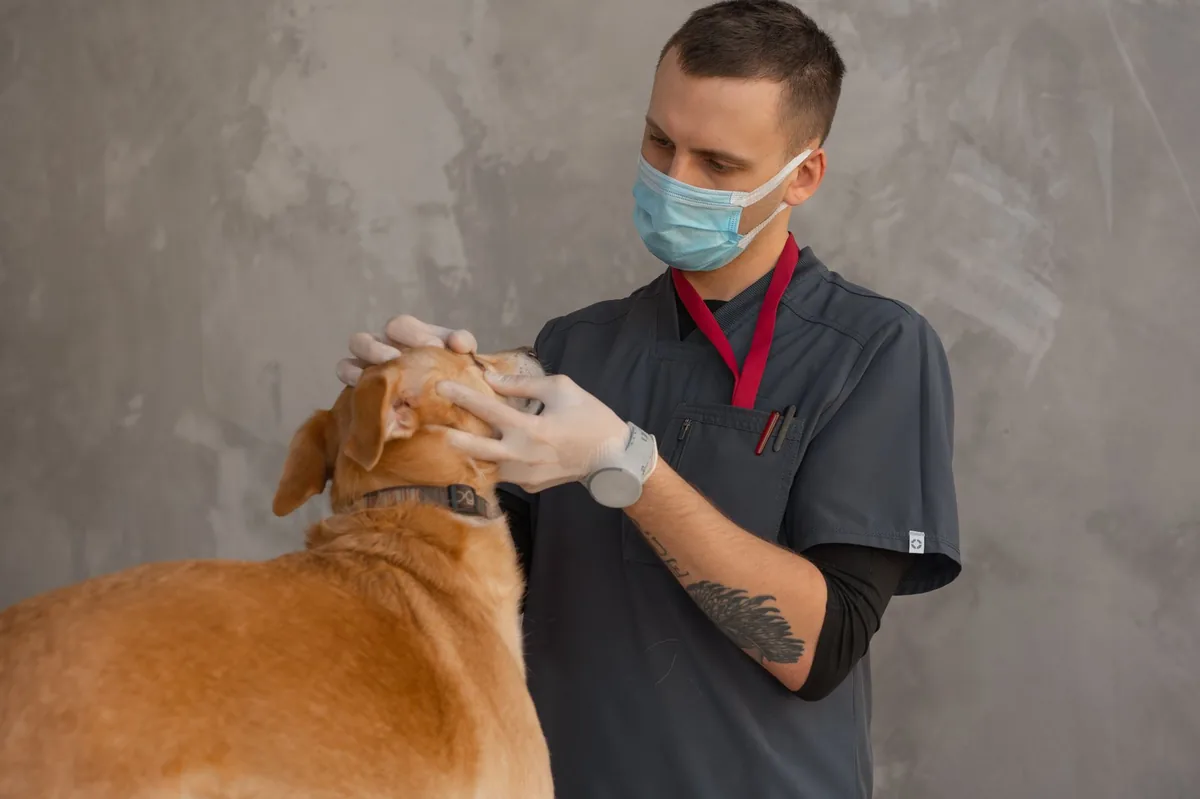
Diagnosis starts with a thorough history and physical exam. Your vet will check the tail’s temperature, pulse, and skin condition, and will assess your dog’s overall circulation.
Typical diagnostic steps include:
- Blood work: CBC and chemistry panel to look for anemia, clotting disorders, or organ disease that could affect circulation.
- Imaging: X‑rays to rule out fractures or spinal compression; an ultrasound may evaluate blood flow in the tail’s arteries.
- Neurological exam: Reflex testing to pinpoint any spinal cord involvement.
- Advanced imaging (if needed): MRI or CT scans for detailed spinal cord assessment, especially if nerve compression is suspected.
- Coagulation testing: To detect clotting abnormalities that could cause thrombosis.
All of these tests help the veterinarian determine whether the problem is primarily vascular, neurological, or traumatic, which then guides treatment.
Treatment options
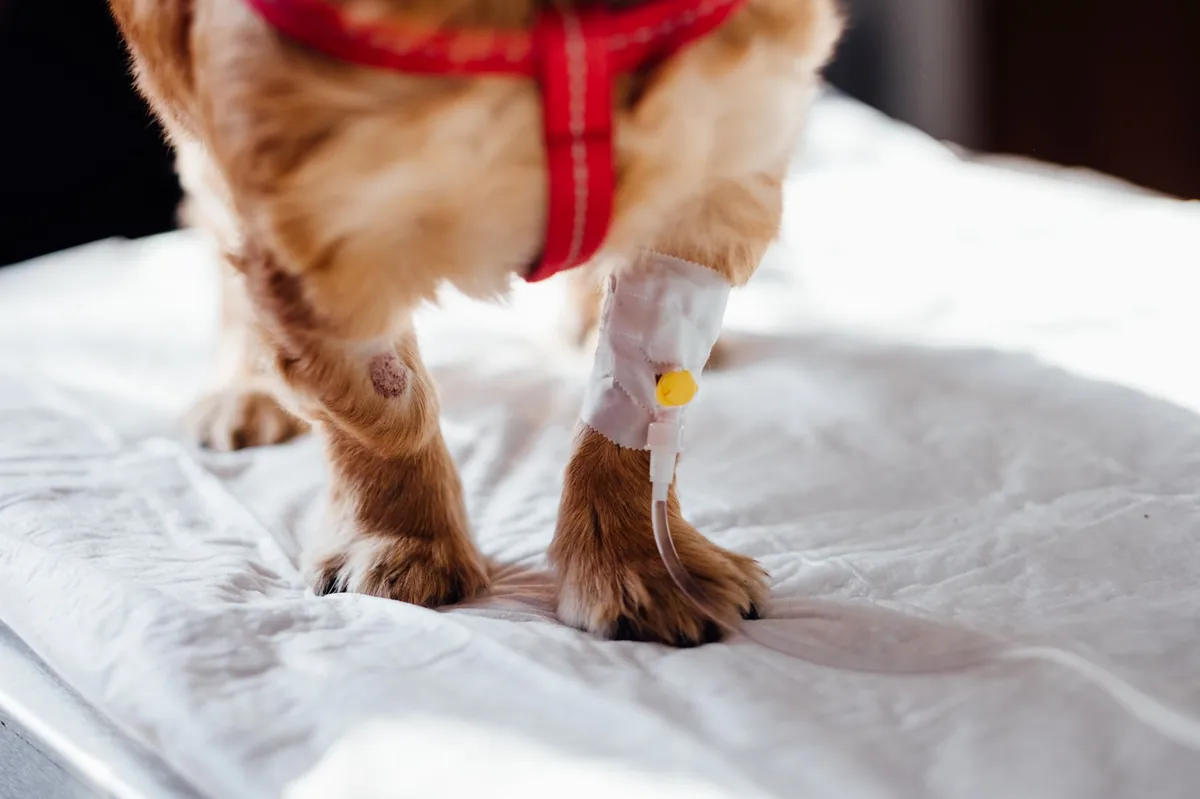
Medical treatment
When the underlying cause is vascular or inflammatory, medications aim to restore blood flow and reduce swelling.
- Vasodilators: Drugs like pentoxifylline improve microvascular circulation. Ask your vet about this option.
- Anti‑inflammatory agents: NSAIDs such as carprofen can reduce inflammation around the tail base. Ask your vet about this option.
- Anticoagulants: In cases of thrombosis, low‑dose aspirin or clopidogrel may be prescribed to prevent further clot formation. Ask your vet about this option.
- Pain management: Opioids or gabapentin can control severe discomfort while the underlying issue is addressed.
Supplements and supportive care
Evidence supports certain supplements for improving circulation and tissue health:
- Omega‑3 fatty acids (EPA/DHA): Help reduce inflammation and support vascular health. A high‑quality fish‑oil supplement (1,000 mg EPA/DHA per day for a 30‑lb dog) is typical, but your vet will tailor the dose.
- Vitamin E: Antioxidant that may aid tissue repair; often included in joint or skin formulas.
- Probiotics: Maintain gut health, which indirectly supports overall immune function.
These are adjuncts, not replacements for prescription medication.
Procedures or surgery
If the tail has progressed to necrosis, surgical removal (partial or full tail amputation) may be required to prevent infection. This is usually done under general anesthesia, and dogs often recover within 10‑14 days. The cost varies, but most owners can expect a range of $1,200–$2,500 (US) for the procedure, hospitalization, and postoperative care.
Diet and nutrition
While no single diet cures a dead tail, feeding choices can support circulation, reduce inflammation, and promote tissue healing. Here’s a practical guide you can start using today.
- High‑quality protein: Lean meats (chicken, turkey, lean beef) provide amino acids for tissue repair. Aim for a diet with at least 22 % protein on a dry‑matter basis.
- Moderate fat, rich in omega‑3s: Look for “fish oil” or “salmon oil” listed among the top ingredients. This helps keep blood vessels flexible.
- Complex carbohydrates: Sweet potatoes, pumpkin, or brown rice give steady energy without spiking blood sugar, which can affect vascular health.
- Limited sodium: Excess salt can increase blood pressure and strain small vessels. Choose low‑sodium formulas or add a splash of water to kibble to dilute salt.
- Antioxidant‑rich foods: Blueberries, kale, and carrots provide vitamins C and E, which protect cell membranes.
- Avoid: Highly processed “by‑product” meals, excessive grain fillers, and artificial preservatives that can aggravate inflammation.
Many vets recommend a therapeutic “vascular health” diet for dogs with chronic circulation issues. These diets are formulated to be low in sodium and enriched with omega‑3s and antioxidants. Ask your vet whether a prescription diet like a renal or cardiac formula might be appropriate for your dog’s specific needs.
| Do feed | Limit | Avoid |
|---|---|---|
| Fresh lean meats, fish oil, sweet potatoes, blueberries | Cooked bones, high‑fat treats | Highly processed kibble with excess fillers, salty snacks |
When transitioning to a new diet, do it gradually over 7–10 days: mix 25 % new food with 75 % current food, then increase the new food portion each few days. This helps prevent gastrointestinal upset, which can mask other signs.
Cost and prognosis
Costs vary widely based on the underlying cause, required diagnostics, and treatment plan. Below are typical US and UK estimates (all figures are ranges, not guarantees).
| Service | US Estimate | UK Estimate |
|---|---|---|
| Initial exam & basic bloodwork | $80–$150 | £60–£120 |
| Ultrasound of tail vessels | $250–$400 | £150–£250 |
| MRI (if spinal issue suspected) | $1,200–$2,000 | £900–£1,500 |
| Medical treatment (drugs + follow‑up) | $200–$600 | £150–£400 |
| Surgical amputation (if needed) | $1,200–$2,500 | £1,000–£2,000 |
Prognosis depends on how quickly the problem is addressed and the root cause. Vascular issues caught early often improve with medication, giving a good to excellent prognosis (70–90 % return to normal tail function). Neurological injuries may have a more guarded outlook, especially if there’s permanent spinal damage. Surgical removal of a necrotic tail has an excellent survival rate, though the dog will lose the tail’s natural function.
Prevention and home care
Many of the risk factors for a dead tail are modifiable. Here’s a checklist you can incorporate into daily life:
- Maintain a healthy weight with regular exercise and balanced nutrition.
- Protect the tail from prolonged pressure—avoid tight harnesses or collars that sit directly on the tail base.
- Keep your dog warm in cold weather; consider a dog sweater for breeds with thin coats.
- Schedule regular vet check‑ups for senior dogs, especially if they have heart or vascular disease.
- Monitor for early signs—if the tail feels cooler than the rest of the body, note the time and any related activities.
- Ask your vet about routine blood work to catch clotting disorders early.
If you notice a limp tail, gently warm the area with a warm (not hot) compress for a few minutes while you arrange a vet appointment. This can improve blood flow temporarily but is not a substitute for professional care.
Vet’s note
From our vet team: A dead tail is rarely an isolated problem. It often signals something deeper—like a clot, nerve injury, or systemic disease. Early detection and a thorough work‑up are the most powerful tools we have. If you catch the signs before tissue damage becomes irreversible, most dogs recover well with medical therapy. Keep a close eye on your senior dog’s tail temperature and movement, and don’t hesitate to call us if anything feels off.
Key takeaways
- A dead tail means the tail has lost blood flow or nerve function and feels cold, limp, and possibly discolored.
- Red‑flag signs—pain, rapid darkening, or hind‑leg weakness—require immediate veterinary or emergency care.
- Diagnosis involves blood work, imaging, and a neurological exam to pinpoint the cause.
- Treatment ranges from medications that improve circulation to surgery if tissue necrosis occurs.
- Supportive nutrition with high‑quality protein, omega‑3s, and low‑sodium foods can aid recovery.
- Preventative measures include weight control, avoiding tight harnesses, and regular senior‑dog check‑ups.
Myth vs. fact
Myth: A dead tail always means the tail must be amputated.
Fact: Many cases improve with medication and supportive care; amputation is only needed if the tissue is necrotic.
Myth: Only large breeds get dead tails.
Fact: While some large breeds have higher vascular risk, any dog—especially seniors—can develop tail ischemia.
Myth: Once the tail is cold, it can’t be warmed up.
Fact: Gentle warming and prompt veterinary treatment can restore circulation if started early.
Frequently asked questions
What does a dead tail look like in a dog?
A dead tail often appears limp, feels colder than the rest of the body, and may turn pale, bluish, or even black if blood flow is severely compromised.
Can a dead tail be fixed?
Yes—in many cases, medication to improve blood flow, anti‑inflammatory drugs, and supportive care can restore function. Surgical removal is only needed when the tissue is dead.
Is a dead tail a sign of a life‑threatening problem?
It can be. The underlying cause—such as a blood clot or spinal injury—may be serious. That’s why prompt veterinary evaluation is essential.
How long does it take for a dead tail to recover?
Recovery time varies. Mild vascular issues may improve within days to weeks with medication, while more severe cases might take several weeks of therapy and monitoring.
What treatments are available for a dead tail in dogs?
Treatment options include vasodilators, anti‑inflammatories, anticoagulants, pain meds, omega‑3 supplements, and, in severe cases, surgical amputation of the tail.
Which dog breeds are most at risk for a dead tail?
Breeds with a predisposition to vascular disease—such as Rottweilers, Doberman Pinschers, Boxers, and older large‑breed dogs—are more commonly affected, but any breed can develop the condition.
Ask the PuppaDogs community
Have a question this article didn’t fully answer? Want to compare notes with other dog owners who’ve been through this? Our community forum is moderated by experienced owners and vets — and answers tend to come fast. Ask in the PuppaDogs community →
References
- American College of Veterinary Internal Medicine (ACVIM). “Peripheral Vascular Disease in Dogs” – 2023 guidelines.
- American Animal Hospital Association (AAHA). “Senior Dog Wellness Recommendations” – 2022.
- Merck Veterinary Manual. “Tail Injuries and Ischemia” – Chapter on Musculoskeletal Disorders.
- Cornell University College of Veterinary Medicine. “Canine Neurological Examination” – 2021.
- World Small Animal Veterinary Association (WSAVA). “Guidelines for Use of NSAIDs in Dogs” – 2022.
- Veterinary Clinics of North America: Small Animal Practice. “Omega‑3 Fatty Acids in Canine Inflammatory Conditions” – 2020.
- American Veterinary Medical Association (AVMA). “Pain Management in Dogs” – 2023.


