














Quick take: Ebstein’s anomaly is a rare congenital heart defect where the tricuspid valve is malformed and sits lower than normal, causing blood to leak backward into the right atrium. Puppies may show a heart murmur, fatigue, or fainting, while older dogs can develop heart failure. Treatment ranges from lifelong meds to surgery; costs vary widely, and prognosis depends on severity.
It’s 9 p.m., the house is quiet, and you notice your normally spry 6‑month‑old Labrador, Bella, is panting after just a few steps up the stairs. Her gums look a bit pink‑purple, and when you gently press her chest you hear a faint “whoosh‑whoosh” that you’ve never heard before. Your heart races as you wonder if something is seriously wrong. You’ve Googled “heart murmur in puppies” and the first result mentions a rare condition called Ebstein’s anomaly.
First, take a deep breath. You’re not alone—many owners discover an unexpected heart defect in a young dog and feel overwhelmed. In this guide we’ll explain what congenital heart defect (Ebstein’s anomaly) in dogs is, why it happens, how you can recognize it, what your veterinarian will do to diagnose it, and what treatment options—including medication, lifestyle changes, and surgery—might look like. We’ll also discuss costs, prognosis, and how to keep your dog comfortable at home.
By the end of this article you’ll know the red‑flag signs that need urgent care, the typical work‑up your vet will perform, realistic expectations for treatment outcomes, and practical steps you can take now to support your dog’s heart health.
What is congenital heart defect (Ebstein’s anomaly) in dogs?
Ebstein’s anomaly is a structural heart defect present at birth. In a healthy dog, the tricuspid valve sits between the right atrium and right ventricle, opening to let blood flow forward and closing to prevent backflow. In Ebstein’s anomaly the valve leaflets are displaced downward into the ventricle, creating a “mal‑attached” valve that doesn’t close properly. This leads to:
- Regurgitation of blood from the right ventricle back into the right atrium.
- Enlargement of the right atrium (atrial dilation).
- Reduced pumping efficiency of the right side of the heart.
The condition is rare—estimates from the American College of Veterinary Internal Medicine (ACVIM) suggest it accounts for less than 1 % of all congenital heart defects diagnosed in dogs. Because the defect is present at birth, signs can appear in puppies or may not become evident until adulthood, depending on how severe the valve displacement is.
What causes it?
The exact cause of Ebstein’s anomaly is still under investigation, but current evidence points to a combination of genetic and developmental factors.
| Category | Details |
|---|---|
| Genetic predisposition | Some breeds—especially Labrador Retrievers, German Shepherds, and Border Collies—show a higher incidence, suggesting inherited risk factors. Research from the University of Pennsylvania School of Veterinary Medicine (Penn Vet) indicates a likely polygenic inheritance pattern. |
| In‑utero developmental error | During heart formation (weeks 3–5 of gestation), abnormal signaling can cause the tricuspid valve leaflets to migrate too far toward the apex of the heart. |
| Environmental influences | Maternal exposure to certain toxins or infections (e.g., canine parvovirus) may increase risk, though data are limited. |
While the defect itself isn’t contagious, it can run in families. If you have a sibling or parent with Ebstein’s anomaly, discuss genetic counseling with your breeder or veterinarian.
Signs and symptoms
Clinical signs vary with age and severity. Early‑stage disease often reveals itself only as a heart murmur on a routine exam. As the defect progresses, dogs may develop fatigue, respiratory distress, or even fainting (syncope).
| Severity | Typical signs |
|---|---|
| Mild (often only a murmur) | Soft, systolic murmur detected by vet; no obvious exercise intolerance. |
| Moderate | Noticeable fatigue after short walks, panting at rest, occasional cough, pale or bluish gums. |
| Severe | Rapid breathing, abdominal distension from fluid buildup, fainting episodes, swollen abdomen, cyanotic (blue‑tinged) gums. |
Common early clues owners notice include:
- Reduced enthusiasm for play or walks.
- Shortness of breath after mild activity.
- Persistent cough, especially at night.
- Fainting or “collapsing” after excitement.
- Abnormal heart sounds (a “whoosh” or “rumble”) when you place your hand on your dog’s chest.
When to call your vet
Call your vet today if you notice any of the following:
- Persistent coughing or wheezing.
- Fatigue after short walks or play.
- Pale, bluish, or mottled gums.
- Sudden fainting or collapse.
- Abdominal swelling (ascites) indicating fluid buildup.
Go to an emergency veterinary hospital right now if your dog shows:
- Severe difficulty breathing (open‑mouth panting, rapid shallow breaths).
- Blue‑tinged tongue or lips.
- Collapse with no recovery within a minute.
- Sudden, severe weakness or inability to stand.
These signs can indicate acute heart failure, which requires immediate medical attention. This article is for informational purposes only and does not replace a professional veterinary exam.
How vets diagnose it
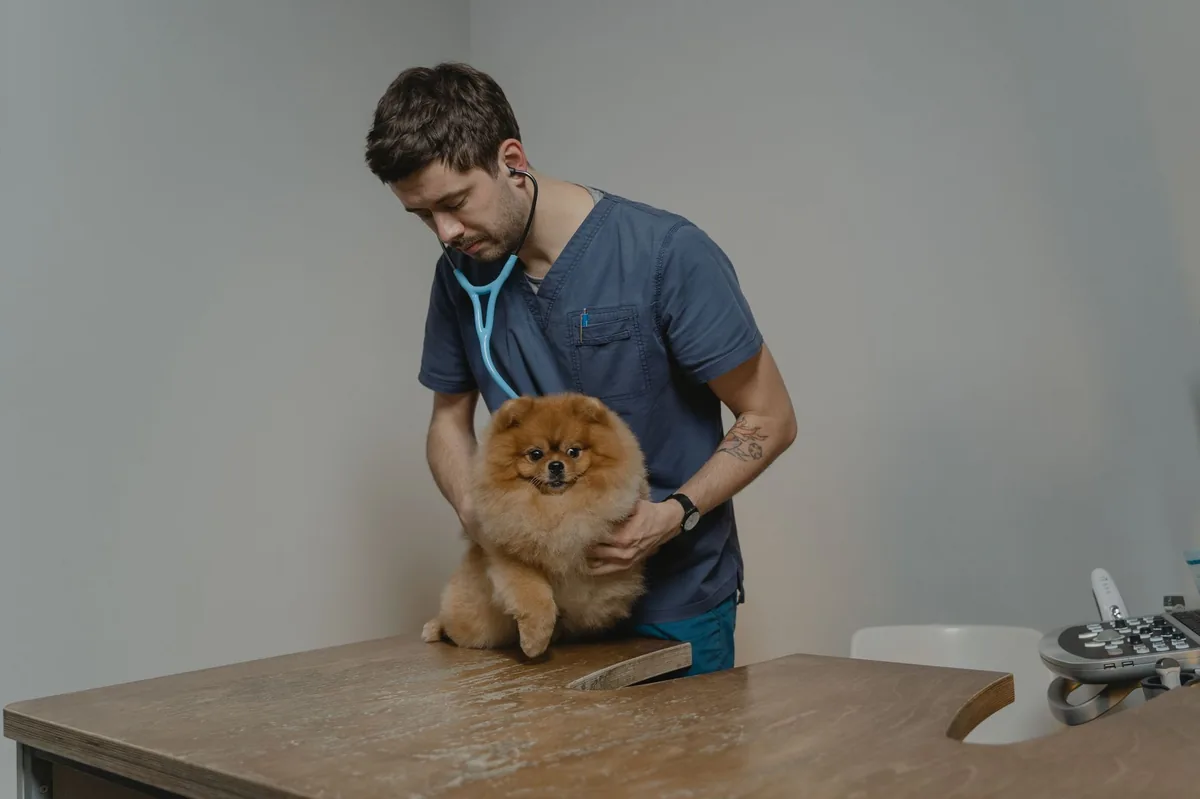
Diagnosis begins with a thorough history and physical exam. Your vet will:
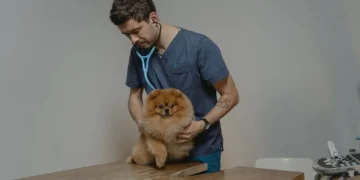
- Auscultation: Listen for a characteristic tricuspid regurgitation murmur—often a harsh, holosystolic sound best heard on the left side of the chest.
- Electrocardiogram (ECG): Detect abnormal electrical patterns that suggest right‑sided enlargement.
- Chest X‑ray (radiography): Visualize an enlarged right atrium and possible pulmonary congestion.
- Echocardiography (ultrasound): The gold‑standard test. It shows the displaced tricuspid valve, measures the degree of regurgitation, and assesses overall heart function. The American College of Veterinary Radiology (ACVR) recommends a complete echo for any suspected congenital defect.
- Blood work: Rule out secondary causes (e.g., anemia, thyroid disease) that can mimic heart failure signs.
Specialist referral to a veterinary cardiologist is common for complex cases, especially when surgery is being considered.
Treatment options
Medical treatment
Most dogs with mild to moderate Ebstein’s anomaly are managed with lifelong medication to reduce the workload on the right heart and control fluid buildup. Common drug classes include:
- Pimobendan (Vetmedin): A positive inotrope that improves heart contractility and dilates blood vessels.
- Furosemide (Lasix): A loop diuretic that helps remove excess fluid from the lungs and abdomen.
- Spironolactone (Aldactone): A potassium‑sparing diuretic that also blocks aldosterone, reducing cardiac remodeling.
- ACE inhibitors (e.g., enalapril, benazepril): Lower blood pressure and lessen strain on the heart.
Ask your vet about these options; dosing is weight‑based and your vet will tailor the regimen to your dog’s needs.
Supplements and supportive care
Adjunctive supplements can help support cardiac health, especially when combined with medication:
- Omega‑3 fatty acids (EPA/DHA): Anti‑inflammatory properties that may improve heart function. Look for a high‑quality fish‑oil supplement approved for dogs.
- Coenzyme Q10 (Ubiquinol): An antioxidant that supports mitochondrial energy production in heart muscle cells.
- Vitamin E: Works synergistically with omega‑3s to reduce oxidative stress.
These supplements are not a cure but can be part of a comprehensive heart‑failure management plan. Always discuss with your vet before adding them.
Procedures or surgery
In severe cases where medical therapy cannot control symptoms, surgical correction may be considered. The most common procedure is tricuspid valve repair or replacement, often performed via open‑heart surgery with cardiopulmonary bypass. Eligibility criteria typically include:
- Dog’s weight > 15 kg (larger dogs tolerate the procedure better).
- Severe regurgitation with evidence of right‑sided heart failure.
- Absence of other serious organ disease (e.g., advanced kidney or liver disease).
Post‑operative care includes intensive monitoring, pain management, and continued cardiac meds. Recovery time is usually 2–4 weeks before normal activity resumes, though full cardiac remodeling may take months.
Diet and nutrition
Nutrition plays a critical role in managing heart disease. While there is no “Ebstein’s‑specific” diet, feeding strategies that reduce cardiac workload and prevent fluid overload are widely recommended by the AAHA and the World Small Animal Veterinary Association (WSAVA).
Key principles:
- Moderate calories: Prevent obesity, which adds strain to the heart. Use a body‑condition scoring system (1–9) to keep your dog in the ideal range (4–5).
- High‑quality protein: Easily digestible protein supports muscle maintenance without excess nitrogen load.
- Controlled sodium: Lower sodium helps limit fluid retention. Aim for < 0.3 % sodium on a dry‑matter basis.
- Omega‑3 enrichment: As noted above, EPA/DHA can improve cardiac inflammation and function.
- Potassium balance: Diuretics may cause low potassium; a diet with adequate potassium (e.g., sweet potato, banana) may be needed.
Many veterinary‑prescribed therapeutic diets are formulated for heart disease (often labeled “cardiac” or “renal‑cardiac”). They typically contain reduced sodium, added omega‑3s, and controlled phosphorus. While we won’t endorse a specific brand, examples include:
- Prescription “cardiac” dry kibble (e.g., Hill’s Prescription Diet k/d, Royal Canin Cardiac).
- Home‑cooked meals with boiled chicken, white rice, steamed carrots, and a fish‑oil supplement.
Transitioning to a new diet should be gradual—mix increasing amounts of the new food with decreasing amounts of the old over 7–10 days to avoid gastrointestinal upset.
| Food type | Do feed | Limit | Avoid |
|---|---|---|---|
| High‑quality commercial kibble | Choose low‑sodium, heart‑health formulas. | Regular adult kibble with added salt. | Highly processed “gourmet” treats with excess sodium. |
| Fresh proteins | Boiled chicken, turkey, lean beef. | Fatty cuts, processed meats. | Raw organ meats (risk of pathogens). |
| Fats & oils | Fish oil (EPA/DHA), small amounts of olive oil. | Heavy animal fats. | Butter or lard. |
| Carbohydrates | Cooked rice, sweet potato, pumpkin. | Highly seasoned grains. | Seasoned or fried foods. |
Always discuss any dietary change with your vet, especially if your dog is on diuretics that may affect electrolyte balance.
Cost and prognosis
Financial planning is an important part of managing a chronic heart defect. Below are typical cost ranges (USD) for the United States; UK figures are shown in pounds (£) where they differ noticeably.
| Service | US estimate | UK estimate |
|---|---|---|
| Initial cardiac work‑up (echo, ECG, X‑ray, labs) | $500–$1,200 | £400–£900 |
| Monthly medication (pimobendan + diuretics) | $30–$80 | £20–£60 |
| Supplement regimen (omega‑3, CoQ10) | $20–$50 | £15–£40 |
| Open‑heart surgery (valve repair/replacement) | $8,000–$15,000 | £6,000–£12,000 |
| Post‑op ICU stay (2‑3 days) | $1,200–$2,500 | £900–£2,000 |
Prognosis varies with severity. Dogs with mild regurgitation often live a normal lifespan with proper medical management. Moderate cases may have a life expectancy of 5–8 years after diagnosis, while severe, untreated disease can lead to heart failure within months. Surgical correction can dramatically improve quality of life, but long‑term outcomes depend on post‑operative care and any concurrent conditions.
Prevention and home care
Because Ebstein’s anomaly is congenital, you cannot prevent it outright, but you can reduce the impact on your dog’s daily life:
- Regular veterinary check‑ups: Annual exams (or more often for diagnosed dogs) allow early detection of changes in heart function.
- Weight management: Keep body condition score in the ideal range to lessen cardiac strain.
- Gentle exercise: Short, leashed walks maintain muscle tone without overexertion. Avoid high‑intensity activities that trigger fatigue.
- Monitor for fluid buildup: Check abdomen for swelling and note any sudden weight gain.
- Medication adherence: Use a pill organizer or set reminders; missing doses can precipitate decompensation.
- Environmental comfort: Keep your dog in a climate‑controlled area; extreme heat can worsen heart workload.
For owners of breeding dogs, discuss genetic testing and breeding recommendations with a veterinary geneticist to reduce transmission risk.
From our vet team: “Seeing a murmur in a young pup can be scary, but most dogs with Ebstein’s anomaly adapt well with the right meds and lifestyle tweaks. The biggest difference we see is owners who stay proactive—regular check‑ups, weight control, and prompt treatment of any respiratory changes—often give their dogs the longest, happiest lives.”
Key takeaways
- Ebstein’s anomaly is a rare, congenital tricuspid valve defect that causes right‑heart regurgitation.
- Early signs include a heart murmur, fatigue, and occasional coughing; severe cases show fluid buildup and fainting.
- Diagnosis relies on auscultation, ECG, X‑ray, and especially echocardiography.
- Medical management (pimobendan, diuretics, ACE inhibitors) is the mainstay; surgery is an option for severe disease.
- Low‑sodium, high‑quality protein diets with omega‑3 supplements support heart health.
- Regular vet visits, weight control, and careful monitoring of symptoms are essential for a good quality of life.
Myth vs. fact
Myth: Ebstein’s anomaly always requires heart surgery.
Fact: Most dogs are managed medically; surgery is reserved for severe cases that don’t respond to medication.
Myth: The condition is contagious and can spread to other dogs.
Fact: It is a congenital defect—not an infectious disease—so it cannot be transmitted between dogs.
Myth: Once diagnosed, a dog will have a very short life.
Fact: With appropriate treatment, many dogs live several years, and some enjoy a near‑normal lifespan.
Frequently asked questions
What causes Ebstein’s anomaly in dogs?
It results from abnormal development of the tricuspid valve during fetal growth, often influenced by genetic factors. Certain breeds, like Labrador Retrievers and German Shepherds, appear more predisposed.
How can I tell if my dog has Ebstein’s anomaly?
The quickest clue is a heart murmur detected by a vet. Other signs include fatigue, coughing, and fainting. An echocardiogram is needed for a definitive diagnosis.
Is Ebstein’s anomaly life‑threatening for dogs?
It can be, especially if severe regurgitation leads to heart failure. However, many dogs with mild to moderate disease live comfortably for years with medication and lifestyle adjustments.
What treatments are available for dogs with Ebstein’s anomaly?
Medical management with pimobendan, diuretics, ACE inhibitors, and supplements is standard. In severe cases, valve repair or replacement surgery may be considered.
Will my dog need surgery for Ebstein’s anomaly?
Only if the defect causes significant heart failure that cannot be controlled medically. Your vet will assess severity through echo findings and overall health.
How much does treatment for Ebstein’s anomaly usually cost?
Initial diagnostics range from $500‑$1,200. Ongoing medication can be $30‑$80 per month. Surgical correction, when indicated, may cost $8,000‑$15,000 plus post‑operative care.
Can Ebstein’s anomaly be hereditary?
Yes. While the exact inheritance pattern isn’t fully defined, it tends to run in families. Breeders should screen breeding dogs and consider genetic counseling.
How do I manage a dog with Ebstein’s anomaly at home?
Maintain a low‑sodium diet, keep your dog at a healthy weight, provide gentle exercise, monitor for coughing or swelling, and give medications exactly as prescribed.
Ask the PuppaDogs community
Have a question this article didn’t fully answer? Want to compare notes with other dog owners who’ve been through this? Our community forum is moderated by experienced owners and vets — and answers tend to come fast. Ask in the PuppaDogs community →
References
- American College of Veterinary Internal Medicine (ACVIM). “Guidelines for the Diagnosis and Management of Congenital Heart Disease in Dogs.” 2023.
- American Animal Hospital Association (AAHA). “Cardiovascular Care Guidelines for Small Animals.” 2022.
- Merck Veterinary Manual. “Ebstein’s Anomaly” chapter. 2021.
- Penn Vet. “Genetic Factors in Canine Congenital Heart Defects.” Veterinary Genetics Journal, 2020.
- World Small Animal Veterinary Association (WSAVA). “Nutrition for Dogs with Cardiac Disease.” 2022.
- American Veterinary Medical Association (AVMA). “Understanding Heart Murmurs in Puppies.” 2023.
- University of California, Davis School of Veterinary Medicine. “Cardiac Pharmacology in Dogs.” 2021.
- Royal Canin. “Cardiac Diet Formulation.” Technical Data Sheet, 2022.


