















Quick take: Chronic vomiting in dogs means the upset stomach lasts for weeks or longer, not just a single episode. It can signal anything from a food intolerance to a serious tumor, so a vet work‑up is essential. Early treatment—often a combination of medication and a gentle diet—helps most dogs feel better within a few weeks.
It’s 11 p.m., the house is quiet, and you notice your normally energetic Beagle, Max, sitting by his water bowl, looking uneasy. He’s been throwing up after every meal for the past three days, and his stomach looks tight when you gently press his abdomen. You’ve already tried withholding food for twelve hours, but the vomiting keeps coming back. Your heart races as you wonder: “Is this something I can fix at home, or do I need to rush to the vet?”
You’re not alone. Many owners first spot chronic vomiting when a beloved pet’s appetite wanes, his weight drops, or his usual enthusiasm for a walk fades. The bottom line is that persistent vomiting is a warning signal, not a disease itself. In this guide we’ll explain exactly what chronic vomiting in dogs means, why it happens, how vets figure out the cause, what treatments look like, how much it might cost, and what you can do at home to keep your dog comfortable.
We’ll also cover diet tweaks, red‑flag signs that demand immediate care, and practical tips for preventing future episodes. By the end you’ll have a clear roadmap to discuss with your veterinarian and feel more confident about the next steps.
What is chronic vomiting in dogs?
Chronic vomiting in dogs is defined as repeated episodes of vomiting that persist for three weeks or longer, or that recur frequently over a period of months. It differs from an acute bout—like a single episode after a fast‑food treat—because the underlying cause hasn’t resolved on its own. In many cases the stomach lining, intestines, or even organs beyond the gastrointestinal (GI) tract are involved, and the problem may be intermittent or continuous.
While occasional vomiting is relatively common (up to 20 % of dogs experience it at least once a year), chronic vomiting is far less frequent. Studies from the American College of Veterinary Internal Medicine (ACVIM) suggest that roughly 5–7 % of dogs seen for gastrointestinal complaints have a persistent vomiting problem that requires further investigation.
What causes chronic vomiting in dogs?
The reasons a dog may vomit repeatedly fall into several broad categories. Below is a quick reference to the most common medical and dietary triggers.
| Category | Typical Causes |
|---|---|
| Inflammatory or infectious | Gastritis, pancreatitis, inflammatory bowel disease (IBD), parasitic infections (e.g., Giardia), bacterial overgrowth |
| Neoplastic (tumor‑related) | Gastric carcinoma, lymphoma, mast cell tumor, pancreatic neoplasia |
| Metabolic / systemic | Kidney disease, liver failure, Addison’s disease, hyperthyroidism (rare in dogs), electrolyte imbalances |
| Food‑related | Food allergies, food intolerances, sudden diet changes, low‑fat “sensitive stomach” foods, high‑fat treats |
| Mechanical / structural | Gastric outlet obstruction, foreign bodies, hiatal hernia, esophageal stricture |
| Medication‑induced | Non‑steroidal anti‑inflammatory drugs (NSAIDs), certain antibiotics, steroids, chemotherapy agents |
| Stress‑related | Separation anxiety, travel stress, changes in routine, noisy environments |
Most dogs have more than one contributing factor—often a mild food sensitivity combined with an underlying inflammation. Knowing the cause is crucial because treatment for gastritis differs from that for a pancreatic tumor.
Signs and symptoms
Early or mild signs can be subtle, while severe disease often presents with systemic distress. Recognizing the pattern helps you decide when to seek care.
| Severity | Typical Signs |
|---|---|
| Mild | Occasional vomiting (once‑twice a week), slight appetite loss, mild abdominal rumbling, normal activity level |
| Moderate | Frequent vomiting (daily or multiple times per day), weight loss, lethargy, dehydration, pale gums, occasional diarrhea |
| Severe | Persistent vomiting (every few hours), inability to keep down water, severe dehydration, black or bloody vomit, abdominal pain, collapse |

When to call your vet
Call your vet today if you notice:
- Vomiting that lasts more than 48 hours.
- Loss of appetite for more than 24 hours.
- Pale or white gums, indicating possible dehydration.
- Weight loss or a noticeable drop in energy.
- Any blood, bile, or black material in the vomit.
Go to an emergency veterinary hospital right now if you see:
- Repeated vomiting every 1–2 hours with inability to drink.
- Signs of severe pain—whimpering, guarding the abdomen, or a hunched posture.
- Collapse, seizures, or difficulty breathing.
- Vomit that looks like coffee grounds (digested blood) or contains foreign objects.
This article provides general information only and is not a substitute for professional veterinary care.
How vets diagnose chronic vomiting in dogs
Diagnosing chronic vomiting is a stepwise process that blends owner observations with targeted tests.
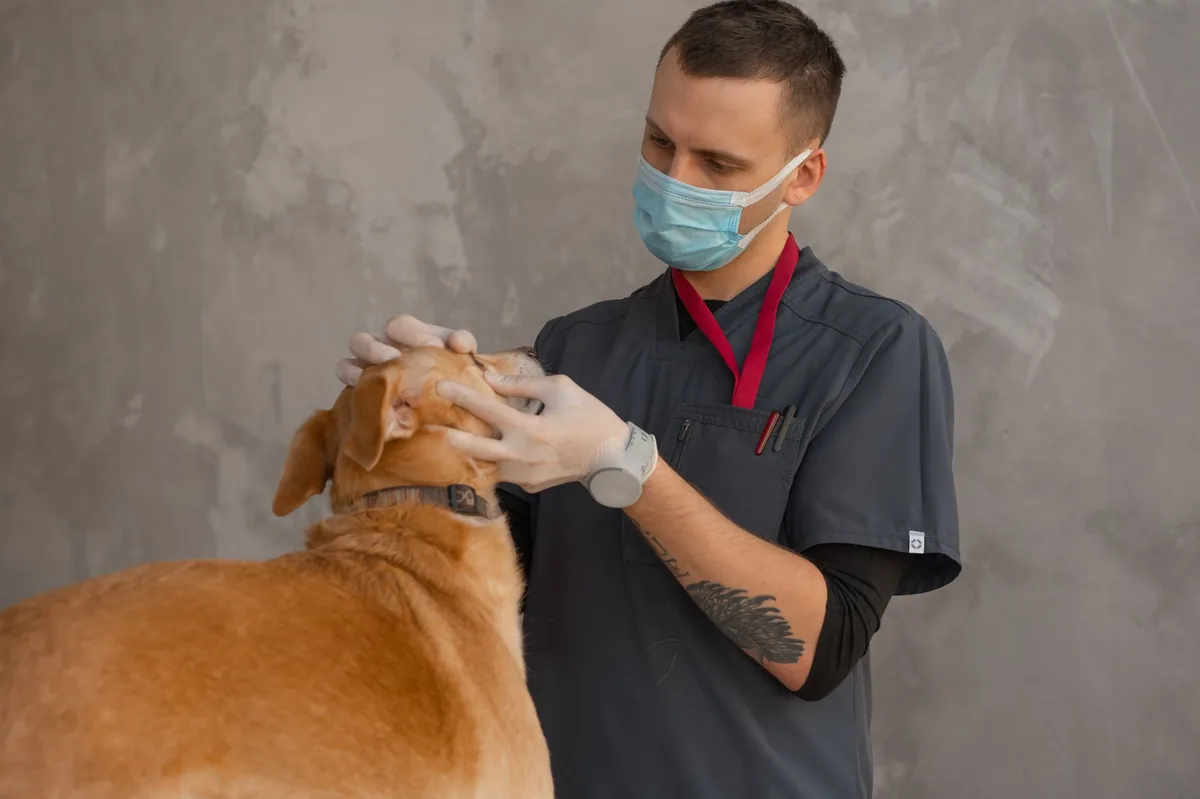
- History & physical exam: Your vet will ask about diet, timing of vomiting, any recent medication changes, travel, stressors, and will palpate the abdomen for pain or masses.
- Blood work: A complete blood count (CBC) and serum chemistry panel screen for anemia, infection, organ function, and electrolyte imbalances. The AAHA recommends these as baseline tests for any persistent GI issue.
- Fecal tests: A fresh stool sample checks for parasites (Giardia, roundworms) and bacterial overgrowth. The Cornell Veterinary Service offers a standard fecal flotation protocol.
- Imaging: Abdominal radiographs (X‑rays) evaluate for foreign bodies, masses, or organ enlargement. An abdominal ultrasound provides a more detailed view of the stomach lining, pancreas, and lymph nodes.
- Endoscopy & biopsy: If imaging suggests inflammation or a tumor, an endoscope can retrieve tissue samples from the stomach or intestines for definitive diagnosis.
- Special tests: In select cases, a c‑reactive protein (CRP) level, cortisol panel for Addison’s disease, or a specific pancreatic lipase immunoreactivity (cPLI) test may be ordered.
Each test narrows the possibilities, allowing the veterinarian to tailor treatment. Most dogs achieve a diagnosis after the first round of blood work and imaging; the rest may need endoscopy for a conclusive answer.
Treatment options
Medical treatment
Once the cause is identified—or even while tests are pending—vets often start supportive medication to stop the vomiting and address inflammation.
- Antiemetics: Drugs such as maropitant (Cerenia) or ondansetron calm the vomiting center. Your vet will dose based on weight and severity.
- Gastroprotectants: Medications like famotidine or sucralfate protect the stomach lining from acid irritation.
- Antibiotics: If a bacterial infection or bacterial overgrowth is suspected, broad‑spectrum antibiotics such as amoxicillin‑clavulanate may be prescribed.
- Immunosuppressants: For inflammatory bowel disease or immune‑mediated gastritis, steroids (prednisone) or newer agents like cyclosporine are used. Ask your vet about these options.
- Pancreatitis management: Low‑fat diets combined with analgesics (e.g., tramadol) and sometimes antibiotics are standard.
Supplements and supportive care
Adjunctive supplements can help soothe the GI tract, but they’re not a replacement for medication.
- Omega‑3 fatty acids (EPA/DHA): Fish‑oil capsules reduce inflammation and are safe for most dogs. Look for a product with at least 300 mg EPA per serving.
- Probiotics: Strains such as Enterococcus faecium support a healthy gut flora, especially after antibiotics. A daily dose of 1‑2 billion CFU is typical.
- Slippery elm or marshmallow root: These herbal demulcents can coat the stomach lining, but discuss usage with your vet to avoid interactions.
Procedures or surgery
If imaging reveals a tumor, severe ulcer, or a physical obstruction, surgery may be required. Common procedures include gastric resection for tumors, removal of foreign bodies, or correction of a hiatal hernia. Recovery usually involves a 7‑10 day hospital stay, followed by a gradual diet transition. Costs can range from $2,500 to $7,500 in the United States, depending on the complexity and length of intensive care.
Diet and nutrition
Nutrition is a cornerstone of recovery for any dog with chronic vomiting. The goal is to provide highly digestible calories while minimizing irritation to the stomach and intestines.
Key principles:
- Low‑fat, moderate‑protein: Fat slows gastric emptying and can trigger pancreatitis. Look for meals that contain ≤ 10 % fat on a dry‑matter basis.
- Highly digestible ingredients: Cooked chicken, turkey, or white fish paired with rice or sweet potato are gentle on the gut.
- Limited ingredients: A novel protein (e.g., rabbit, venison) and a single carbohydrate source reduce the chance of hidden allergens.
- Frequent, small meals: Feeding 3–4 small meals a day (instead of one large meal) helps prevent the stomach from becoming overly full.
- Hydration: Offer fresh water constantly. Adding a spoonful of low‑sodium broth can increase fluid intake.
Prescription “sensitive stomach” diets—such as those labeled “gastrointestinal” or “ultra‑light”—are formulated to meet these criteria. Brands differ, but the AAHA recommends choosing a diet that meets AAFCO nutrient profiles and is approved by a veterinary nutritionist.
| Do feed | Limit | Avoid |
|---|---|---|
| Boiled chicken breast, white rice, pumpkin puree, low‑fat cottage cheese | Cooked eggs (2 per day max), low‑fat yogurt | Fatty meats, pork, lamb, cheese, raw bones, highly processed kibble with >15 % fat |
| Prescription gastrointestinal diet (e.g., Hill’s i/d, Royal Canin Gastrointestinal) | Occasional low‑fat treats | Table scraps, spicy foods, onions, garlic, chocolate |
Transitioning to a new diet should be gradual—mix 25 % new food with 75 % old food for the first two days, then 50/50 for the next two days, and finally 75 % new food for another two days before full switch. This helps avoid triggering additional vomiting.
For dogs with concurrent pancreatitis, a very low‑fat diet (≤ 5 % fat) is recommended. In such cases, your vet may suggest a therapeutic formula like “Pancreas Support” or a homemade blend of boiled chicken and mashed potatoes, always under veterinary guidance.
Remember, every dog is unique. If your dog has a known food allergy, work with your vet to identify the offending protein and avoid it entirely. The Dog Questions Answered guide offers a step‑by‑step approach to an elimination diet.
Cost and prognosis
Financial considerations are part of every pet‑owner’s decision‑making. Below is a ballpark estimate for typical expenses in the United States and the United Kingdom. Prices vary by region, clinic type, and whether you pursue advanced diagnostics.
| Service | US (USD) | UK (GBP) |
|---|---|---|
| Initial exam + blood work (CBC, chemistry) | $150–$250 | £80–£130 |
| Abdominal ultrasound | $300–$600 | £150–£300 |
| Endoscopy with biopsies | $800–$1,500 | £400–£800 |
| Medication (antiemetics, gastroprotectants) | $30–$120 per month | £20–£80 per month |
| Prescription diet (first month) | $40–$80 | £30–£60 |
| Surgery (if needed) | $2,500–$7,500 | £1,800–£5,000 |
Prognosis hinges on the underlying cause. For inflammatory or dietary issues, most dogs improve within 2–4 weeks of treatment and diet change, with a good quality of life. Tumors or severe pancreatitis carry a more guarded outlook; early detection improves survival, but some cases may be life‑limiting.
Overall, the AAHA notes that dogs with chronic vomiting who receive a targeted treatment plan have a 70–85 % chance of returning to a normal appetite and activity level within three months.
Prevention and home care
While some triggers (like parasites) are outside your control, many everyday habits can reduce the risk of chronic vomiting.
- Stick to a consistent diet: Avoid sudden changes, table scraps, and high‑fat treats.
- Maintain regular deworming: Follow the AVMA parasite control schedule and keep fecal tests up to date.
- Monitor stressors: Gradual introductions to new environments, calming pheromone diffusers, and routine exercise can lessen anxiety‑related GI upset.
- Keep hazardous foods out of reach: Onions, garlic, grapes, and chocolate are toxic and can provoke vomiting.
- Regular vet check‑ups: Annual exams catch early GI disease before it becomes chronic. Use the PuppaDogs calculators to track your dog’s weight and body condition.
If your dog has a known food allergy, a rotation diet (alternating two novel proteins every 6–8 weeks) can keep the gut microbiome balanced. For senior dogs, adding a probiotic supplement and omega‑3 oil may help maintain intestinal health.
From our vet team: “Most cases of chronic vomiting resolve once we eliminate the offending food and calm the stomach with a short course of medication. The biggest mistake owners make is waiting too long to seek help—early intervention dramatically improves outcomes.”
Key takeaways
- Chronic vomiting means vomiting lasting three weeks or more and warrants a veterinary work‑up.
- Common causes include gastritis, pancreatitis, IBD, parasites, food allergies, and tumors.
- Red‑flag signs—persistent vomiting, blood in vomit, severe pain, or inability to drink—require immediate veterinary attention.
- Diagnosis typically involves blood work, fecal testing, imaging, and sometimes endoscopy.
- Treatment combines antiemetics, gastroprotectants, diet changes, and, when needed, surgery.
- A low‑fat, highly digestible diet with frequent small meals supports healing and reduces recurrence.
Myth vs. fact
Myth: “If my dog vomits once a day, it’s probably just a stomach bug and will go away on its own.”
Fact: Vomiting daily for more than a couple of days is considered chronic and often signals an underlying problem that needs veterinary evaluation.
Myth: “I can stop the vomiting by feeding my dog only water.”
Fact: Depriving a dog of proper nutrition can worsen dehydration and delay healing; a bland, low‑fat diet is the safer short‑term approach.
Myth: “Home remedies like ginger or apple cider vinegar will cure chronic vomiting.”
Fact: While ginger may soothe mild nausea, it does not treat the root cause of chronic vomiting and should never replace veterinary care.
Frequently asked questions
What are the most common reasons for a dog to vomit constantly?
Most often, chronic vomiting stems from gastritis, food intolerance, or parasites. In older dogs, pancreatic disease or tumors become more common. Your vet will narrow it down with blood work and imaging.
How can I tell if my dog’s vomiting is an emergency?
If vomiting occurs every 1–2 hours, the dog cannot keep down water, or the vomit contains blood, bile, or foreign material, seek emergency care immediately. Severe abdominal pain or collapse also requires urgent attention.
What blood work and imaging are needed to find the cause of chronic vomiting?
A CBC and serum chemistry panel are first‑line tests. An abdominal ultrasound is the most informative imaging tool, often followed by a radiograph or endoscopy if a structural problem is suspected.
Are there any foods that can help stop my dog’s vomiting?
Boiled, skinless chicken breast with white rice is a classic bland diet that’s easy on the stomach. Adding a small amount of canned pumpkin can aid digestion. Always transition slowly and avoid high‑fat treats.
How long does treatment for chronic vomiting usually take?
Most dogs improve within 2–4 weeks once medication and a suitable diet are started. Underlying conditions like IBD may need longer management, sometimes months, with periodic re‑checks.
What is the typical cost of treating chronic vomiting in dogs?
Initial diagnostics (exam, blood work, imaging) range from $450 to $1,000 in the U.S. Ongoing medication and diet may add $30–$120 per month. Surgery, if required, can increase total costs to $2,500–$7,500.
Ask the PuppaDogs community
Have a question this article didn’t fully answer? Want to compare notes with other dog owners who’ve been through this? Our community forum is moderated by experienced owners and vets — and answers tend to come fast. Ask in the PuppaDogs community →
References
- American Animal Hospital Association (AAHA). 2023 Canine Gastrointestinal Guidelines.
- American College of Veterinary Internal Medicine (ACVIM). “Chronic Vomiting in Dogs” consensus statement, 2022.
- Merck Veterinary Manual. “Vomiting” chapter, updated 2023.
- Cornell University College of Veterinary Medicine. “Diagnostic Approach to Chronic Gastrointestinal Disease” lecture notes, 2021.
- World Small Animal Veterinary Association (WSAVA). Nutritional recommendations for gastrointestinal disease, 2022.
- AVMA. Parasite control recommendations, 2023.
- American Veterinary Medical Association (AVMA). “Stress‑related GI issues in dogs,” 2022.
- Royal College of Veterinary Surgeons (RCVS). “Canine Pancreatitis Management” guidelines, 2021.
- International Veterinary Food & Nutrition Association. “Low‑fat therapeutic diets for dogs,” 2022.
