














Quick take: Chronic renal failure (CRF) in dogs is a progressive loss of kidney function that usually develops slowly in older dogs. While it can’t be cured, careful diet, medication, and fluid therapy can keep most dogs comfortable for months to years.
It’s 9 p.m., the house is quiet, and your senior Goldendoodle, Bella, drags her paws to the kitchen instead of bounding up for her evening walk. You notice her water bowl is half‑empty, yet she’s licking the rim with a strange, lingering taste. Her gums look a little paler than usual, and she seems less interested in her favorite squeaky toy.
All of a sudden the internet flood begins: “Is this kidney disease? Is it fatal? What can I do?” You’re not a vet, but you need answers—fast, clear, and kind. Below we break down everything you need to know about chronic renal failure (CRF) in dogs: what it is, how to spot it early, what the vet will do to confirm the diagnosis, and how you can help Bella live her best life.
What is chronic renal failure (CRF) in dogs?
Chronic renal failure, also called chronic kidney disease (CKD), is the gradual loss of the kidneys’ ability to filter waste, balance fluids, and regulate electrolytes. In healthy dogs, the kidneys filter roughly 500 mL of blood per minute; in CRF, that capacity drops below about 25 % of normal and keeps declining.
CRF is most common in dogs over seven years old, but it can appear in younger dogs with certain genetic conditions or toxin exposures. The American Veterinary Medical Association (AVMA) estimates that up to 30 % of senior dogs show some degree of kidney dysfunction, though many remain undiagnosed until signs become obvious.
Unlike acute kidney injury, which can happen suddenly after a toxin or trauma, chronic renal failure is a slow march. The kidneys try to compensate for lost nephrons (the filtering units) for months or years, which is why early signs are often subtle.

What causes it?
Kidney health is influenced by genetics, age, environment, and diet. The most common causes and risk factors for CRF in dogs include:
- Age‑related degeneration: Nephrons naturally wear out with time, reducing filtration capacity.
- Genetic predisposition: Certain breeds—such as the Shar‑Pei, Miniature Schnauzer, and English Cocker Spaniel—are more likely to develop hereditary kidney disease.
- Chronic infections or inflammation: Recurrent urinary tract infections, kidney stones, or long‑standing pyelonephritis can scar kidney tissue.
- Exposure to toxins: Ingesting antifreeze (ethylene glycol), certain NSAIDs, or heavy metals can cause irreversible damage.
- Systemic diseases: Diabetes mellitus, hyperadrenocorticism (Cushing’s disease), and immune‑mediated disorders may affect kidney function.
- Dietary factors: High‑phosphorus, high‑protein diets over many years can accelerate kidney decline, especially in dogs already at risk.
Signs and symptoms
Because the kidneys compensate for loss, early signs are often vague. As the disease progresses, symptoms become more pronounced. Below is a quick guide to what you might notice.
| Stage | Typical signs |
|---|---|
| Mild (early) | Increased thirst and urination, subtle weight loss, reduced appetite, mild lethargy, slightly pale gums. |
| Moderate | Noticeable dehydration, bad breath (uremic odor), vomiting, diarrhea, more pronounced weight loss, muscle wasting. |
| Severe (late) | Severe anemia, severe lethargy, seizures, inability to eat or drink, marked fluid overload or dehydration, difficulty breathing. |
Many owners first spot “poles” on the floor from a larger water bowl, or hear a “slurping” sound when Bella drinks. If you catch these changes early, you have a better chance of stabilizing her condition.

When to call your vet
Call your vet today if you notice any of the following:
- Increased thirst (polydipsia) or urination (polyuria) lasting more than 24 hours.
- Persistent loss of appetite, weight loss, or vomiting.
- Pale or bluish gums, especially after exercise.
- Bad breath that smells like ammonia or urine.
Go to an emergency veterinary hospital right now if you see:
- Sudden collapse, seizures, or severe lethargy.
- Uncontrolled vomiting or diarrhea for more than 12 hours.
- Signs of fluid overload (swollen abdomen, rapid breathing) or severe dehydration (dry gums, skin tenting).
This article is for informational purposes only and does not replace a hands‑on veterinary examination.
How vets diagnose it
Diagnosis combines a thorough history, physical exam, and a series of tests that let the vet see how well the kidneys are working.
- Blood chemistry panel: Measures blood urea nitrogen (BUN) and creatinine—two waste products that rise as kidney function falls. The AVMA recommends staging based on creatinine levels.
- SDMA (symmetric dimethylarginine): A newer blood marker that can detect kidney loss up to 40 % earlier than creatinine, per the International Renal Interest Society (IRIS) guidelines.
- Urinalysis: Looks at urine specific gravity, protein, blood, and sediment. Dilute urine (low specific gravity) often signals impaired concentrating ability.
- Blood pressure measurement: Hypertension is common in CKD and can worsen kidney damage.
- Imaging: Abdominal ultrasound visualizes kidney size, structure, and any stones or cysts. X‑rays can detect kidney calcifications.
- Complete blood count (CBC): Checks for anemia, a frequent companion of chronic kidney disease.
All these pieces together give the vet a staging picture (IRIS Stage I–IV) that guides treatment intensity and monitoring frequency.
Treatment options
Medical treatment
Medical management aims to slow progression, control symptoms, and keep your dog comfortable. Common drug classes include:
- Phosphate binders (e.g., aluminum hydroxide, lanthanum carbonate): Reduce phosphorus absorption from food, helping to protect the kidneys.
- ACE inhibitors (e.g., benazepril, enalapril): Lower blood pressure and reduce protein loss in urine.
- Antiemetics (e.g., maropitant, ondansetron): Control nausea and vomiting.
- Appetite stimulants (e.g., mirtazapine, cyproheptadine): Encourage eating when appetite wanes.
Each medication is tailored to your dog’s weight, stage of disease, and concurrent health issues. Ask your vet about these options and how they fit into Bella’s care plan.
Supplements and supportive care
Evidence‑based supplements can complement medical therapy:
- Omega‑3 fatty acids (EPA/DHA): Fish‑oil supplements have anti‑inflammatory properties and may slow kidney damage (supported by studies from the University of Pennsylvania).
- Potassium citrate: Helps correct low potassium, a common issue in CRF, but only under veterinary supervision.
- Probiotics (e.g., Enterococcus faecium): May improve gut health and reduce uremic toxins.
Supplements should never replace a prescription renal diet, but they can add a helpful boost when your vet recommends them.
Procedures or surgery
For most dogs with CRF, surgery isn’t required. However, a few interventions may become necessary:
- Dialysis (hemodialysis or peritoneal dialysis): Provides a temporary bridge for dogs with severe uremia. In the United States, a typical course costs $8,000–$12,000 per month; the UK equivalent ranges from £5,000–£9,000. Insurance often only covers a portion.
- Renal transplant: Rare and experimental, available only at a handful of specialty centers.
Most owners opt for medical management and diet rather than dialysis, especially when the disease is caught early.
Diet and nutrition
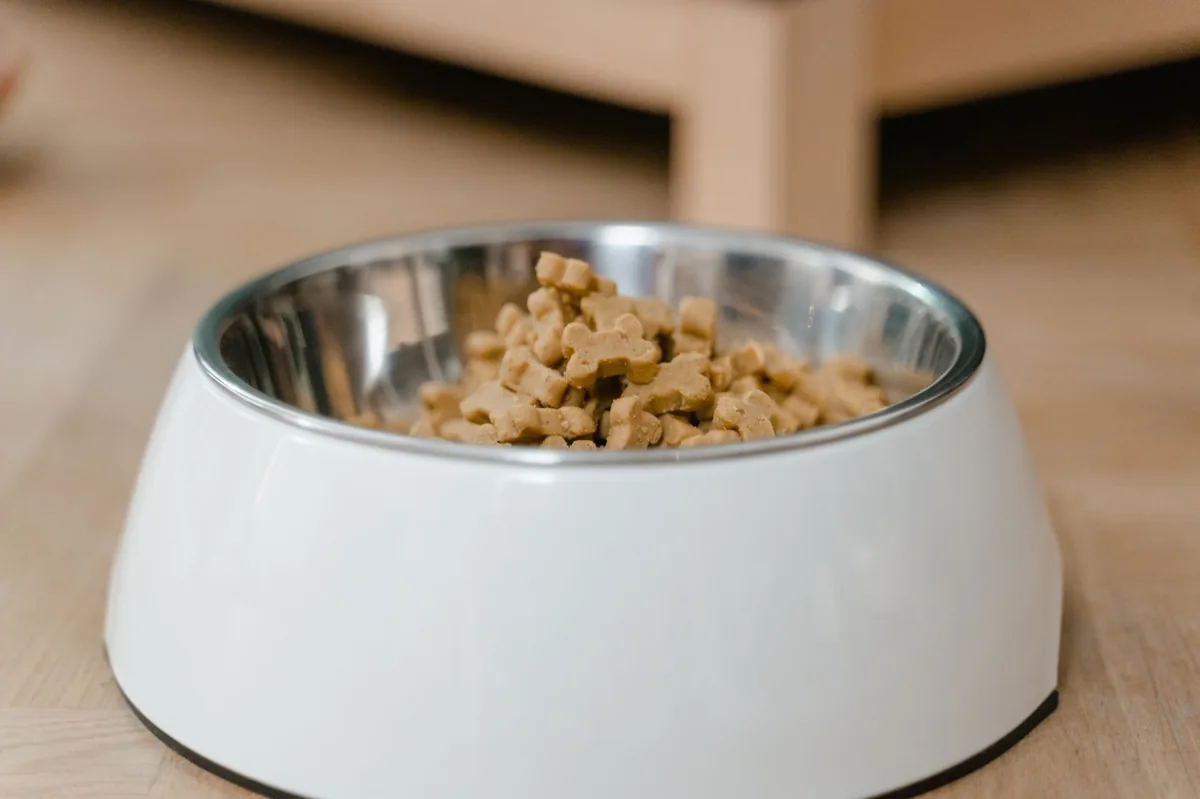
Nutrition is the most powerful tool you have against chronic renal failure. Prescription renal diets are formulated to be low in phosphorus and protein, while providing high‑quality amino acids and omega‑3 fatty acids. They also contain controlled electrolytes (potassium, sodium) and added antioxidants.
Even if you feed a high‑quality commercial kibble, you can modify it to be more kidney‑friendly. Below is a practical guide.
| What to feed | Why it helps |
|---|---|
| Low‑phosphorus prescription renal diet (e.g., Hill’s Prescription Diet k/d, Royal Canin Renal Support) | Reduces phosphorus load, slowing kidney scarring. |
| Cooked lean protein (boiled chicken breast, turkey) in modest amounts | Provides high‑quality amino acids without excess phosphorus. |
| Omega‑3 rich fish oil (added to food) | Anti‑inflammatory, may improve glomerular filtration rate. |
| Limited sodium (no added salt) | Helps control blood pressure and fluid balance. |
Foods to limit or avoid:
- High‑phosphorus ingredients: Dairy, organ meats, fish with bones, and bone meal.
- Excessive protein: Large amounts of meat or raw diets that aren’t balanced for kidney disease.
- Salty treats and table scraps: Can worsen hypertension.
Transitioning to a renal diet should be gradual—mix 25 % new food with 75 % old food for a few days, then increase the new food proportion every 2–3 days. This helps avoid gastrointestinal upset.
Feeding frequency matters, too. Splitting the daily ration into 2–3 smaller meals can reduce the workload on the kidneys and improve appetite. Fresh water should always be available; many dogs with CRF benefit from a water fountain that encourages drinking.
For owners who prefer home‑cooked meals, the PuppaDogs nutrition calculator can help you balance the right amounts of protein, phosphorus, and calories under veterinary guidance.
Cost and prognosis
Financial considerations are an essential part of planning long‑term care for a dog with CRF. Below are typical cost ranges in the United States and United Kingdom (prices vary by region and clinic).
| Expense | US estimate | UK estimate |
|---|---|---|
| Initial workup (bloodwork, urinalysis, ultrasound) | $300–$600 | £250–£500 |
| Prescription renal diet (monthly supply) | $80–$150 | £60–£120 |
| Monthly medications (ACE inhibitor, phosphate binder, etc.) | $30–$70 | £25–£55 |
| Dialysis (if needed) | $8,000–$12,000 per month | £5,000–£9,000 per month |
| Annual veterinary monitoring | $200–$400 | £150–£300 |
Most dogs diagnosed at IRIS Stage II or III can live comfortably for 1–3 years with proper diet and medication. Stage IV dogs have a shorter life expectancy—often 6 months to a year—but quality of life can remain high if pain and nausea are well‑controlled.
Pet insurance policies that include “chronic illness” coverage can offset many of these costs. Check your policy details carefully; some insurers limit coverage after the first year of a chronic condition.
Prevention and home care
While you can’t stop aging, you can lower the risk of kidney disease by adopting a few everyday habits:
- Maintain a kidney‑friendly diet: Choose high‑quality commercial foods with controlled phosphorus, or transition to a renal diet as your dog ages.
- Provide constant fresh water: Dehydration accelerates kidney damage; a water fountain encourages regular drinking.
- Monitor blood pressure: Annual checks are especially important for breeds prone to hypertension.
- Regular veterinary screening: Senior dogs should have bloodwork and urinalysis at least once a year; more frequent (every 6 months) if early CRF is detected.
- Avoid toxins: Keep antifreeze, certain over‑the‑counter NSAIDs, and plants like lilies out of reach.
At home, you can keep a simple kidney‑function log: note daily water intake, appetite, weight, and any vomiting episodes. Sharing this log with your vet during appointments helps catch subtle changes early.
From our vet team: “Owners often think a normal‑looking dog can’t have kidney disease, but the kidneys work silently. Small changes—like a slight increase in thirst or a faint change in gum color—are early warning lights. Catching them early gives you far more options to keep your senior dog comfortable.”
Key takeaways
- Chronic renal failure is a slow, irreversible loss of kidney function that mainly affects senior dogs.
- Early signs include increased thirst, frequent urination, subtle weight loss, and pale gums; catch them early for better management.
- Diagnosis relies on blood chemistry (creatinine, SDMA), urinalysis, blood pressure, and imaging; staging guides treatment.
- Diet is the cornerstone of care—low‑phosphorus, moderate‑protein renal diets, supplemented with omega‑3s, can extend life and improve quality.
- Medical therapy (ACE inhibitors, phosphate binders, anti‑emetics) and regular monitoring are essential; dialysis is a costly option for end‑stage disease.
- Maintain fresh water, avoid toxins, and schedule yearly senior check‑ups to prevent or slow CRF progression.
Myth vs. fact
Myth: “If my dog is on a renal diet, the kidneys will heal.”
Fact: A renal diet does not cure kidney disease, but it reduces the workload on the kidneys, slowing further damage and improving quality of life.
Myth: “Dialysis will cure my dog’s kidney failure.”
Fact: Dialysis temporarily removes waste but does not restore kidney tissue; it’s a bridge therapy for dogs with severe uremia.
Myth: “All senior dogs will develop kidney disease.”
Fact: While risk increases with age, many senior dogs remain kidney‑healthy with proper diet, hydration, and regular veterinary care.
Frequently asked questions
What causes chronic renal failure in dogs?
Chronic renal failure results from a mix of age‑related nephron loss, genetic predisposition, long‑standing infections, toxin exposure, and systemic diseases like diabetes.
What symptoms should I watch for in a dog with kidney disease?
Watch for increased thirst and urination, loss of appetite, weight loss, vomiting, pale gums, bad breath, and lethargy. Early changes are often subtle, so keep an eye on water intake and bathroom habits.
How often should my dog get blood work for kidney monitoring?
After a CRF diagnosis, most vets recommend blood chemistry and urinalysis every 3–6 months. For early or stable disease, semi‑annual testing is typical; more frequent checks may be needed if the dog is on medication or showing new signs.
Can I give my dog supplements for kidney health?
Yes—omega‑3 fish oil, probiotics, and potassium citrate (under vet supervision) have evidence supporting their use in CKD. Always discuss supplements with your vet to avoid interactions.
Is there a cure for chronic renal failure in dogs?
There is no cure. The goal of treatment is to slow progression, manage symptoms, and keep your dog comfortable. Early detection and diet changes give the best chance for a longer, happier life.
What is the average lifespan of a dog after a CRF diagnosis?
Survival varies by stage. Dogs diagnosed at IRIS Stage II‑III often live 1–3 years with proper care; Stage IV dogs may have a lifespan of 6 months to a year, but quality of life can remain good with pain and nausea control.
Ask the PuppaDogs community
Have a question this article didn’t fully answer? Want to compare notes with other dog owners who’ve been through this? Our community forum is moderated by experienced owners and vets — and answers tend to come fast. Ask in the PuppaDogs community →
References
- American Veterinary Medical Association (AVMA). “Kidney Disease in Dogs.” AVMA Guidelines, 2023.
- International Renal Interest Society (IRIS). “CKD Staging Guidelines.” IRIS, 2022.
- American College of Veterinary Internal Medicine (ACVIM). “Consensus Statement on Chronic Kidney Disease in Dogs.” ACVIM, 2021.
- Merck Veterinary Manual. “Chronic Renal Failure.” Merck, 2022.
- University of Pennsylvania School of Veterinary Medicine. “Omega‑3 Fatty Acids and Renal Health.” VetSci Review, 2020.
- AAHA. “2023 Canine Dental and Renal Health Guidelines.” American Animal Hospital Association, 2023.
- Royal Canin. “Renal Support Nutrition Overview.” Royal Canin Technical Manual, 2022.
- Hill’s Pet Nutrition. “Prescription Diet k/d Renal Health.” Hill’s Science Diet, 2023.
- World Small Animal Veterinary Association (WSAVA). “Guidelines for Monitoring Kidney Function.” WSAVA, 2021.
- Pet Insurance Review. “Chronic Illness Coverage for Kidney Disease.” Pet Insurance Insights, 2023.


