














Quick take: Chronic inflammation of the bronchi (often called chronic bronchitis) is a persistent cough and airway irritation that usually develops in middle‑aged to senior dogs. It’s not usually life‑threatening, but it can worsen without proper management. Treatment focuses on anti‑inflammatory drugs, bronchodilators, and lifestyle changes, while costs vary from a few hundred to a few thousand dollars depending on diagnostics and long‑term meds.
It’s 10 p.m., the house is quiet, and you notice your usually‑chatty Boxer has stopped trotting to the kitchen and is instead lying on the rug, letting out a soft, hacking cough every few minutes. You glance at the clock, grab a water bowl, and wonder if this is just a cold or something more serious. Your heart races a little—you’ve Googled “coughing dog” and the results are overwhelming.
Take a breath. You’re not alone. Many owners first spot a chronic cough when a favorite walk feels shorter, or when a senior dog seems to avoid stairs. In most cases, chronic bronchial inflammation can be managed with the right plan, and your dog can enjoy a good quality of life.
In this guide we’ll explain exactly what chronic inflammation of the bronchi is, why it happens, how to recognize it, and what steps you can take—from vet visits to diet tweaks—to keep your companion breathing easy. We’ll also cover costs, prognosis, and practical home‑care tips so you feel prepared, not panicked.
What is chronic inflammation of the bronchi in dogs?
Chronic inflammation of the bronchi, commonly called chronic bronchitis, is a long‑lasting irritation of the large airways that leads to a persistent, dry cough and excess mucus production. Unlike an acute cough caused by a short‑term infection, this condition persists for weeks to months and often recurs throughout a dog’s life.
According to the American College of Veterinary Internal Medicine (ACVIM), chronic bronchitis accounts for roughly 5–10 % of respiratory disease cases seen in veterinary clinics, with a higher incidence in middle‑aged and senior dogs. The condition is more common in small‑to‑medium breeds, but any dog can develop it.

What causes chronic inflammation of the bronchi in dogs?
Several factors can irritate a dog’s airways long enough to cause chronic inflammation. The most common categories are:
| Cause / Risk factor | Typical examples |
|---|---|
| Allergies | Environmental allergens (pollen, dust mites), food sensitivities, flea saliva |
| Infections | Repeated bacterial pneumonia, mycoplasma, Bordetella, or viral agents |
| Irritants | Smoke (tobacco, wood), air fresheners, cleaning chemicals, dusty homes |
| Genetics & breed predisposition | Boxer, English Bulldog, Pug, Boston Terrier, and other brachycephalic breeds |
| Underlying diseases | Heart disease, chronic aspiration, immune‑mediated disorders |
Often, several of these factors overlap. For example, a Boxer’s short snout makes it more susceptible to airway irritation from smoke, while a genetic tendency toward airway hyper‑reactivity can amplify the response.
Signs and symptoms
Early signs are subtle and can be mistaken for normal aging. As the disease progresses, the cough becomes more pronounced and other respiratory signs appear.
| Severity | Typical signs |
|---|---|
| Mild | Occasional dry cough after exercise, slight gagging, mild wheeze |
| Moderate | Frequent cough throughout the day, audible wheezing, reduced stamina, occasional retching |
| Severe | Constant hacking cough, labored breathing, cyanotic gums, lethargy, weight loss |
Key red‑flag signs that suggest a more urgent problem include: sudden collapse, blue‑tinged gums, difficulty breathing (open‑mouth panting at rest), or a cough that produces blood. These warrant immediate veterinary attention.
When to call your vet
Call your vet today if you notice any of the following:
- Persistent dry cough lasting more than two weeks.
- Wheezing, gagging, or retching after a cough.
- Decreased activity, reluctance to play, or noticeable weight loss.
- Visible mucus or blood in the sputum.
Go to an emergency veterinary hospital right now if your dog shows:
- Rapid, labored breathing or open‑mouth panting at rest.
- Blue‑gray gums or tongue (cyanosis).
- Collapse, fainting, or severe lethargy.
- Sudden inability to swallow or severe choking.
This article is for informational purposes only and is not a substitute for professional veterinary care.
How vets diagnose chronic inflammation of the bronchi
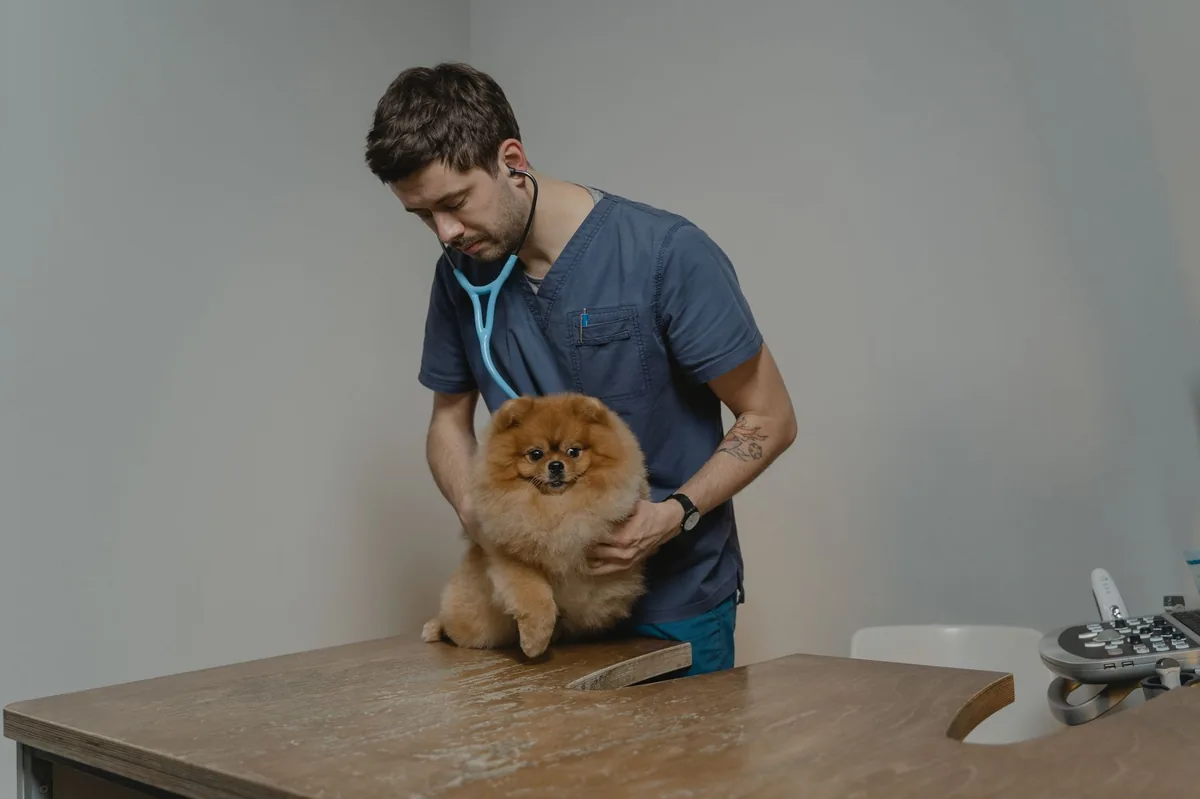
Diagnosis begins with a detailed history: when the cough started, what triggers it, and any environmental exposures. The vet will perform a full physical exam, listening for wheezes and checking for heart murmurs that could mimic respiratory disease.
Key diagnostic tools include:
- Chest radiographs (X‑rays): Show airway thickening, bronchial patterns, and rule out pneumonia or tumors. (AAHA 2022 guidelines)
- Computed tomography (CT): Provides a more detailed view of airway walls and can detect subtle inflammation.
- Bronchoscopy: A thin camera is passed into the airways to directly visualize inflammation, collect mucus samples, and sometimes perform therapeutic lavage. (ACVIM 2021 consensus)
- Laboratory tests: CBC and chemistry panel to check for infection or systemic disease; airway cytology to identify bacterial overgrowth.
- Allergy testing: Intradermal or serum IgE panels can pinpoint environmental allergens if allergy is suspected.
By integrating these findings, the veterinarian can differentiate chronic bronchitis from asthma, heart disease, or foreign‑body aspiration.
Treatment options
Medical treatment
The cornerstone of therapy is reducing airway inflammation and opening the bronchi. Common drug classes include:
- Corticosteroids: Prednisone or dexamethasone are often the first line to suppress inflammation. Your vet will tailor the dose to your dog’s weight and severity.
- Bronchodilators: Theophylline or inhaled albuterol (e.g., Ventolin) relax the airway muscles, easing breathing. Inhaled formulations (fluticasone) can target the lungs directly with fewer systemic effects.
- Antibiotics: If a bacterial infection is confirmed or suspected, doxycycline or amoxicillin‑clavulanate may be prescribed. Ask your vet about this option.
- Immunotherapy: For dogs with identified allergens, sublingual or injectable allergen‑specific immunotherapy can reduce sensitivity over months. Your vet can discuss suitability.
Supplements and supportive care
Adjunctive supplements can help calm inflammation and support overall lung health:
- Omega‑3 fatty acids (EPA/DHA): Fish‑oil supplements have anti‑inflammatory properties and may lessen coughing frequency (Merck Veterinary Manual).
- Antioxidants: Vitamin E and N‑acetylcysteine can protect airway tissues from oxidative stress, especially in dogs exposed to smoke.
- Probiotics: A healthy gut microbiome can modulate immune responses; strains like Enterococcus faecium are commonly recommended.
These should be introduced gradually and discussed with your vet to avoid interactions with prescribed medications.
Procedures or surgery
In rare cases where mucus buildup is severe, bronchoscopy with therapeutic lavage may be performed to clear secretions. Laser ablation of severely inflamed airway tissue is an emerging option but is limited to specialty referral centers. Recovery from a bronchoscopy is typically a short overnight stay, and costs can range from $1,200–$2,500 (US) or £900–£1,800 (UK).
Diet and nutrition
While no single “cure‑diet” exists for chronic bronchitis, proper nutrition can reduce airway irritation and support immune health. Here are the main nutritional principles:
- Maintain a healthy weight: Overweight dogs have reduced lung capacity and increased inflammation. Aim for a body condition score (BCS) of 4–5/9.
- Highly digestible protein: Easily absorbed protein lessens the workload on the liver and kidneys, allowing more energy for breathing. Look for “highly digestible” or “limited ingredient” formulas.
- Low‑sodium diets: Excess sodium can exacerbate fluid retention in the lungs, especially if heart disease coexists.
- Omega‑3 enriched foods: Commercial kibble or wet food that includes fish oil can provide anti‑inflammatory EPA/DHA without separate supplementation.
- Limited grain or novel‑protein diets: If food allergies are suspected, a trial of a grain‑free or novel‑protein diet (e.g., duck, venison) for 8–12 weeks can help identify triggers.
- Avoid irritants: Strong flavors, artificial colors, and high‑fat “treat‑heavy” foods may increase reflux, leading to airway irritation.
| Food category | Do feed | Limit | Avoid |
|---|---|---|---|
| Protein sources | High‑quality chicken, turkey, fish, lamb | Novel proteins if allergy suspected | Processed meat snacks, high‑fat trimmings |
| Carbohydrates | Sweet potato, pumpkin, rice | Wheat or corn if allergy suspected | High‑glycemic corn or barley |
| Fats | Omega‑3 enriched oils, moderate animal fat | Excessive saturated fat | Very fatty table scraps |
| Treats | Small, low‑calorie chew toys | Chewy, high‑salt treats | Human snack foods (chips, cheese) |
When transitioning to a new diet, do it gradually over 7–10 days: mix 25 % new food with 75 % old, then increase the new portion every few days. This helps avoid gastrointestinal upset, which could trigger coughing.
If your dog has a concurrent heart condition, your vet may recommend a therapeutic renal or cardiac diet that is low in sodium and phosphorus. These diets are formulated to reduce fluid buildup and are safe for chronic bronchitis when prescribed.
Cost and prognosis
Financial considerations are a real part of managing chronic bronchitis. Below are typical cost ranges (estimates, may vary by region and clinic):
| Service / Item | US (USD) | UK (GBP) |
|---|---|---|
| Initial exam & basic labs | $80–$150 | £60–£120 |
| Chest X‑ray | $120–$250 | £100–£200 |
| Bronchoscopy (incl. anesthesia) | $1,200–$2,500 | £900–£1,800 |
| Monthly medication (steroid + bronchodilator) | $30–$80 | £25–£65 |
| Allergy testing (if needed) | $200–$500 | £150–£350 |
Long‑term prognosis is generally good when the disease is caught early and managed consistently. Most dogs maintain a normal activity level with controlled coughing. However, severe cases with underlying heart disease or repeated infections may have a shorter lifespan and require more intensive monitoring.
Prevention and home care
Preventing flare‑ups is often a matter of reducing exposure to irritants and keeping your dog at an optimal weight.
- Air quality: Use HEPA filters, avoid smoking indoors, and keep windows closed during high pollen days.
- Exercise routine: Short, frequent walks on cool mornings reduce airway stress. Gradually increase duration as tolerated.
- Weight management: Regular weigh‑ins and a measured feeding plan keep body condition ideal.
- Regular vet check‑ups: Annual re‑evaluation, especially for senior dogs, helps catch early changes. Use our dog health calculators to track ideal body weight.
- Allergy control: Wash bedding weekly, bathe your dog after outdoor play, and consider a hypoallergenic diet trial if food allergies are suspected.
Keeping a symptom diary—note cough frequency, triggers, and any changes in appetite—can be invaluable for your vet to adjust treatment.
From our vet team: Chronic bronchitis is a manageable condition, but early detection makes all the difference. We recommend owners keep a simple log of cough episodes and bring that to each appointment. Small environmental tweaks, like a clean air filter and a weight‑control plan, often reduce flare‑ups more than any medication alone.
Key takeaways
- Chronic bronchitis causes a persistent dry cough and can be managed with anti‑inflammatory meds, bronchodilators, and lifestyle changes.
- Common triggers include allergens, smoke, repeated infections, and certain breeds such as Boxers and Bulldogs.
- Early signs are a occasional cough after exercise; severe signs include labored breathing and blue gums—call a vet right away.
- Diagnosis combines history, X‑rays, bronchoscopy, and lab work to rule out heart disease and infections.
- Dietary focus on weight control, highly digestible protein, and omega‑3 enrichment supports airway health.
- Regular vet visits, air‑quality improvements, and a symptom log help keep flare‑ups to a minimum.
Myth vs. fact
Myth: A chronic cough always means asthma.
Fact: While asthma can cause coughing, chronic bronchitis is more common in older dogs and is diagnosed by different airway changes on X‑ray and bronchoscopy.
Myth: Once a dog gets chronic bronchitis, it will never improve.
Fact: With proper medication, weight management, and environmental control, many dogs experience significant reduction in cough frequency and live comfortably for years.
Frequently asked questions
What are the early signs of chronic bronchitis in dogs?
Early signs include a dry, hacking cough that appears after exercise or excitement, occasional wheezing, and a mild gagging sensation. Owners may notice the dog slowing down on walks or seeming less interested in play.
Can chronic bronchitis be cured or only managed?
Chronic bronchitis is generally a lifelong condition that can be effectively managed rather than cured. Anti‑inflammatory drugs, bronchodilators, and lifestyle adjustments can keep symptoms mild and maintain quality of life.
How do vets diagnose chronic inflammation of the bronchi?
Diagnosis starts with a thorough history and physical exam, followed by chest radiographs to look for airway thickening. When needed, bronchoscopy provides direct visualization and mucus sampling, while blood work rules out infection or heart disease.
Are certain dog breeds more likely to develop chronic bronchitis?
Yes. Brachycephalic breeds such as Boxers, English Bulldogs, Pugs, and Boston Terriers are over‑represented, likely due to their narrowed airways and higher susceptibility to irritation.
What lifestyle changes can help reduce flare‑ups?
Improving indoor air quality with HEPA filters, eliminating tobacco smoke, maintaining a healthy weight, and limiting exposure to known allergens (pollen, dust mites) are key strategies. Short, cool‑temperature walks also lessen airway stress.
How much does long‑term treatment for chronic bronchitis usually cost?
Monthly medication typically runs $30–$80 in the US, while annual check‑ups and routine labs add $150–$300. If bronchoscopy is required, the one‑time cost can exceed $2,000. Costs vary by region and the need for additional allergy testing.
Ask the PuppaDogs community
Have a question this article didn’t fully answer? Want to compare notes with other dog owners who’ve been through this? Our community forum is moderated by experienced owners and vets — and answers tend to come fast. Ask in the PuppaDogs community →
References
- American College of Veterinary Internal Medicine (ACVIM). “Consensus Statement on Chronic Bronchitis in Dogs,” 2021.
- American Animal Hospital Association (AAHA). “Respiratory Disease Guidelines,” 2022.
- Merck Veterinary Manual. “Bronchitis, Chronic” chapter, 2023 edition.
- World Small Animal Veterinary Association (WSAVA). “Allergy Testing in Companion Animals,” 2020.
- American Veterinary Medical Association (AVMA). “Environmental Tobacco Smoke and Pets,” 2021.
- Cornell University College of Veterinary Medicine. “Weight Management for Senior Dogs,” 2022.
- UC Davis School of Veterinary Medicine. “Omega‑3 Fatty Acids for Inflammatory Airway Disease,” 2023.
- AAFP (American Academy of Family Physicians). “Pet Owner’s Guide to Respiratory Health,” 2022.


