









Quick take: Bowel (fecal) incontinence in dogs is the accidental release of stool that the dog cannot control. It can stem from age‑related muscle weakness, spinal disease, or other medical issues. While it’s often manageable with diet, medication, and lifestyle changes, severe cases may need surgery. Prompt veterinary evaluation is key to rule out serious underlying conditions and to start an effective treatment plan.
It’s 11 p.m., and you’re standing in the hallway listening to the soft thud of your senior Labrador’s paws as she waddles toward her crate. She pauses, looks at you with those familiar, trusting eyes, then—without warning—she lets out a small, unmistakable poop that lands on the rug. Your heart jumps, and you find yourself Googling “bowel incontinence in dogs” while trying not to panic.
First, take a breath. You’re not alone; many owners notice a sudden change in their dog’s bathroom habits and wonder whether it’s a harmless slip or a sign of something more serious. In this guide we’ll explain exactly what bowel incontinence is, why it happens, how to spot it early, and what you can do—both at home and with your vet—to keep your companion comfortable and dignified.
We’ll cover causes ranging from weak sphincter muscles to spinal injuries, outline the difference between incontinence and diarrhea, walk through the diagnostic work‑up, and lay out medical, nutritional, and surgical options. You’ll also find cost estimates, prevention tips, and practical day‑to‑day strategies so you can feel confident managing this condition.
What is bowel incontinence in dogs?
Bowel (or fecal) incontinence is the involuntary passage of stool that a dog cannot voluntarily stop. In healthy dogs, the anal sphincter muscles and nervous system work together to hold stool until the dog chooses a suitable spot to eliminate. When this coordination breaks down, the dog may leak a few drops, have a full accident, or be unable to hold any feces at all.
According to the American College of Veterinary Internal Medicine (ACVIM), fecal incontinence affects roughly 5‑10 % of senior dogs, but it can appear in younger dogs with trauma or neurological disease. The condition is more common in medium‑ to large‑breed dogs, and it often coincides with other age‑related changes such as arthritis or reduced mobility.
What causes bowel incontinence in dogs?
Underlying causes fall into three broad categories: muscular, neurological, and systemic. Below is a quick reference to the most frequent culprits.
| Category | Typical Causes | Notes |
|---|---|---|
| Muscular weakness | Age‑related sphincter degeneration, chronic constipation, obesity | Weak pelvic floor muscles can’t generate enough pressure to keep stool sealed. |
| Neurological disease | Intervertebral disc disease, spinal trauma, degenerative myelopathy, peripheral nerve injury | Disrupts the nerve signals that tell the sphincter when to contract. |
| Systemic or gastrointestinal | Inflammatory bowel disease (IBD), colorectal tumors, severe diarrhea, endocrine disorders (e.g., hypothyroidism) | Inflammation or mass effect can impair sphincter function. |
Other risk factors include previous pelvic surgeries, chronic anal gland disease, and certain breeds that are genetically predisposed to weaker sphincters (e.g., Boxers, German Shepherds, and Labrador Retrievers).
Signs and symptoms
Owners often mistake incontinence for diarrhea, but the two have distinct patterns. Incontinence usually involves a sudden loss of stool control without the typical signs of a watery, frequent bowel movement. Below is a tiered view of what you might notice.
| Severity | Typical Signs |
|---|---|
| Mild | Small dribbles on the hindquarters after a walk; occasional staining of bedding. |
| Moderate | Frequent accidents in the house; stool may be soft but not watery; dog may appear embarrassed or try to hide. |
| Severe | Continuous leakage, inability to hold any stool, skin irritation, and possible infections from constant moisture. |
Key red flags that differentiate incontinence from diarrhea include:
- Consistency: Incontinence often produces formed or semi‑formed stool, whereas diarrhea is watery.
- Timing: Incontinence can happen anytime, especially after activity or when the dog is relaxed.
- Behavior: Dogs with incontinence may still try to “go” to a spot but lack the muscular control to finish.
When to call your vet
Call your vet today if you notice:
- Any new or worsening stool leakage, even if it’s just a few drops.
- Skin irritation, redness, or a foul odor around the hindquarters.
- Changes in appetite, weight loss, or signs of pain when the dog tries to defecate.
Go to an emergency veterinary hospital right now if you see:
- Sudden, complete loss of stool control accompanied by severe pain, hind‑limb weakness, or paralysis.
- Signs of a spinal injury (e.g., a “tail‑wagging” fall, a car accident, or a recent surgery).
- Rapidly worsening skin infections (cellulitis) that could become systemic.
This article is for informational purposes only and does not replace professional veterinary care. If you’re ever uncertain, contact your veterinarian.
How vets diagnose bowel incontinence
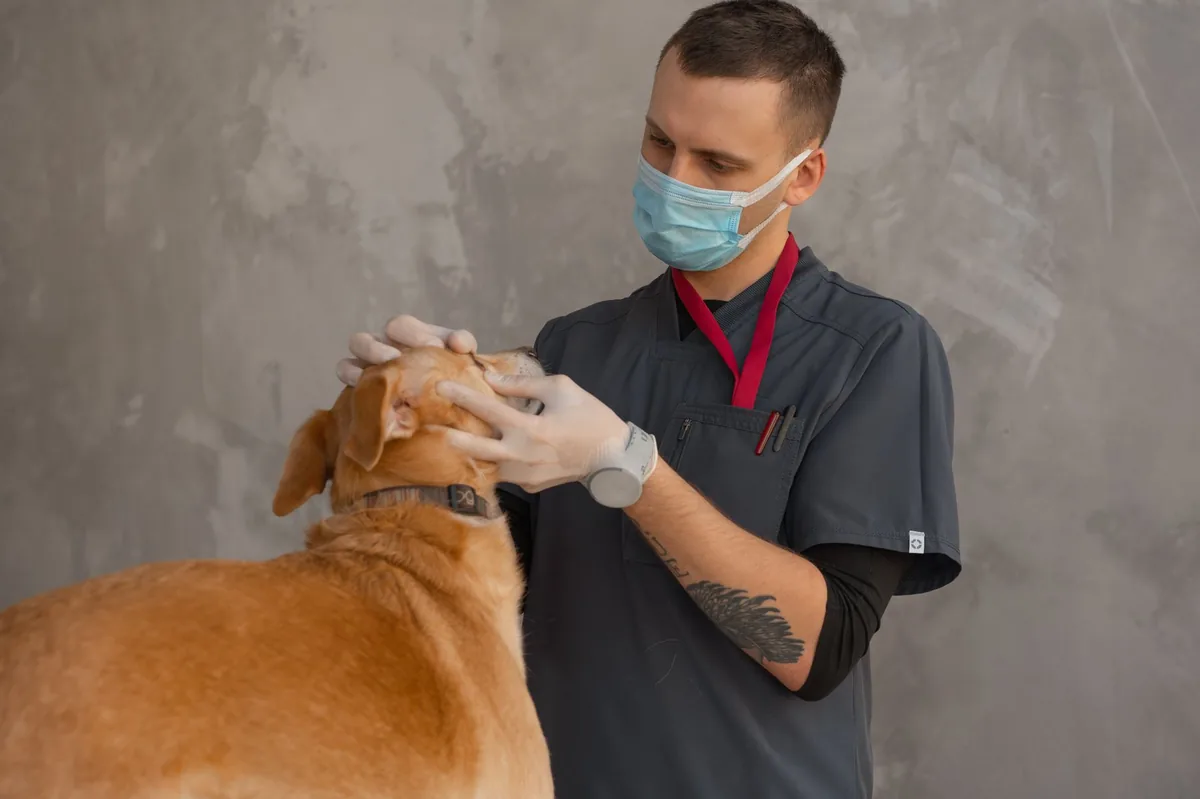
The diagnostic work‑up starts with a thorough history: age, breed, recent injuries, diet changes, and any previous surgeries. Your vet will perform a physical exam, paying special attention to the anal sphincter tone, rectal palpation, and neurological assessment of the tail and hind limbs.
Typical tests include:
- Blood work: CBC and chemistry panel to rule out metabolic diseases (e.g., hypothyroidism) that can affect nerve function.
- Fecal analysis: Checks for parasites or infections that could be irritating the colon.
- Imaging: X‑rays or MRI of the lumbosacral spine to spot disc disease, tumors, or spinal cord compression.
- Rectal pressure testing: Measures sphincter strength and helps differentiate muscular weakness from nerve loss.
- Ultrasound: Evaluates the colon and pelvic organs for masses or structural abnormalities.
In some cases, a referral to a veterinary neurologist or a specialist in internal medicine may be recommended for advanced imaging or electrodiagnostic studies.
Treatment options
Medical treatment
Most dogs respond well to a combination of medications that improve sphincter tone and address underlying inflammation.
- Anal sphincter stimulants: Drugs such as bethanechol (a cholinergic agent) can help the sphincter contract more strongly. Your vet will dose based on your dog’s weight and severity.
- Antidiarrheal agents: Loperamide or diphenoxylate can firm up loose stool, making it easier for a weakened sphincter to hold.
- Anti‑inflammatory medications: If an underlying IBD or infection is present, a short course of corticosteroids or a gut‑specific anti‑inflammatory (e.g., budesonide) may be prescribed.
- Anal sphincter injections: Botulinum toxin (Botox) can be used experimentally to relax an over‑active sphincter that paradoxically contributes to leakage; ask your vet about this option.
All prescriptions should be discussed with your vet; dosage and duration will be tailored to your dog’s condition.
Supplements and supportive care
Adjuncts can improve muscle tone and reduce inflammation:
- Omega‑3 fatty acids (EPA/DHA): Found in fish oil, these help dampen gut inflammation and may support nerve health.
- Probiotics: Strains like Enterococcus faecium can stabilize gut flora, especially after antibiotic use.
- Vitamin E and selenium: Antioxidants that may aid muscle recovery, though evidence is moderate.
Supplements should be introduced gradually and only after consulting your vet, especially because some can affect clotting or interact with medications.
Procedures or surgery
When medical management fails, surgical options aim to restore continence by addressing the underlying cause.
- Anal sphincter plication (sphincteroplasty): Tightening the external sphincter muscle to improve closure. Recovery usually takes 2‑3 weeks, with a cost ranging from US $2,000‑$4,000.
- Stool bulking agents (e.g., colon‑targeted fiber implants): Placed surgically to increase stool bulk and improve sphincter sealing.
- Spinal decompression surgery: If a disc herniation or tumor is compressing the nerves, removing the pressure can restore function. Hospital stay can be 3‑5 days, and costs vary widely (US $4,500‑$10,000).
Post‑operative care includes strict rest, controlled bathroom access, and possible physiotherapy to rebuild pelvic strength.
Diet and nutrition
Nutrition plays a pivotal role in managing fecal incontinence. The goal is to provide a balanced diet that produces firm, well‑formed stool without overloading the digestive system.
Foods to favor are those that are highly digestible, contain moderate fiber, and have a steady release of energy. Wet or semi‑moist diets often produce softer stools, so many owners find that a combination of high‑quality kibble and a modest amount of canned food works best.
Fiber matters. Soluble fiber (e.g., psyllium) absorbs water and creates a gel that firms stool, while insoluble fiber adds bulk. A diet with about 3‑5 % total dietary fiber is typically recommended for dogs with mild leakage. Prescription renal or gastrointestinal formulas often contain the right balance, but you don’t need a brand name to achieve it.
Here’s a quick guide to feeding choices:
| Category | Do feed | Limit | Avoid |
|---|---|---|---|
| Protein | High‑quality chicken, turkey, or fish | Raw organ meats (excessive) | Low‑quality fillers (e.g., meat by‑products) |
| Fiber | Cooked pumpkin, sweet potato, psyllium supplement | Excessive bran or wheat | High‑fat treats |
| Fats | Moderate omega‑3 sources (fish oil) | Very high‑fat foods | Butter, lard |
| Carbohydrates | Rice, oatmeal, barley (cooked) | Excessive corn or wheat gluten | Starchy snacks (bread, crackers) |
When transitioning to a new diet, do it gradually over 7‑10 days to avoid upsetting the gut. Start with 75 % of the current food mixed with 25 % of the new diet, then shift by 25 % each few days. This slow change helps keep stool consistency stable.
Hydration is also essential. Dehydration can lead to harder stools that are difficult for a weakened sphincter to pass, while over‑hydration may soften stool too much. Offer fresh water at all times, and consider a low‑sodium diet if your dog has concurrent heart disease.
For dogs with severe leakage, your vet may recommend a therapeutic “high‑fiber, low‑fat” diet or a prescription gastrointestinal formula (e.g., Hill’s i/d, Royal Canin Gastrointestinal). These are designed to produce firm stool without excessive bulk.
Finally, remember to keep the feeding area clean and dry. A wet food mat can become a breeding ground for bacteria, worsening skin irritation around the anal area.
Cost and prognosis
Financial considerations vary widely based on the cause, treatment path, and geographic location. Below are typical ranges for the United States and the United Kingdom, expressed as estimates.
| Service | US (USD) | UK (GBP) |
|---|---|---|
| Initial vet exam & basic labs | $150‑$300 | £80‑£150 |
| Advanced imaging (MRI/CT) | $1,000‑$2,500 | £700‑£1,500 |
| Medications (first 3‑month supply) | $80‑$250 | £50‑£180 |
| Anal sphincter plication surgery | $2,000‑$4,000 | £1,200‑£2,500 |
| Spinal decompression surgery | $4,500‑$10,000 | £3,000‑£7,000 |
| Long‑term dietary management (prescription food) | $50‑$120 per month | £30‑£80 per month |
Many pet insurers cover a portion of diagnostics and surgery, but coverage for chronic medications and specialty diets can be limited. Check your policy’s “chronic condition” clause and ask your vet’s office for itemized quotes.
Prognosis depends on the underlying cause. Dogs with simple sphincter weakness often achieve good control with diet and medication, leading to a normal quality of life. Neurological cases that involve irreversible spinal damage may require lifelong management and have a more guarded outlook. Early detection and consistent care improve outcomes across the board.
Prevention and home care
While some risk factors (age, genetics) can’t be changed, you can lower the chance of developing fecal incontinence—or keep existing problems from worsening—through daily habits.
- Maintain a healthy weight: Obesity adds pressure on the pelvic floor and can accelerate muscle fatigue.
- Regular exercise: Gentle walks and controlled pelvic‑strengthening exercises (e.g., slow squats with assistance) keep the sphincter muscles toned.
- Scheduled bathroom breaks: Consistency reduces urgency and gives the sphincter time to engage fully.
- Promptly treat GI infections: Parasites or bacterial overgrowth can inflame the colon and weaken control.
- Protect the perianal skin: Use a barrier cream (e.g., zinc‑oxide) after accidents, and keep the area clean and dry.
- Annual veterinary check‑ups: Early screening for spinal disease or endocrine disorders catches problems before they cause incontinence.
After surgery or a major medical episode, follow your vet’s rehabilitation plan closely. This may include physiotherapy, bladder training, and a gradual return to normal activity.
From our vet team: “Bowel incontinence can feel overwhelming, but most dogs adapt well with the right combination of diet, medication, and lifestyle tweaks. The biggest difference we see is owners who keep a daily log of accidents, diet, and activity—this data helps us fine‑tune treatment faster and often prevents the condition from getting worse.”
Key takeaways
- Bowel incontinence is the loss of stool control; it’s often caused by muscle weakness, spinal disease, or gastrointestinal inflammation.
- Early signs include small dribbles after walks, skin irritation, and changes in stool consistency—different from watery diarrhea.
- Veterinary work‑up involves physical exam, blood work, fecal analysis, and imaging to pinpoint the underlying cause.
- Medical management (sphincter stimulants, diet changes, supplements) works for many dogs; surgery is an option for severe or structural problems.
- Feeding a high‑quality, moderate‑fiber diet and maintaining a healthy weight help reduce leakage and improve overall comfort.
Myth vs. fact
Myth: “Bowel incontinence means my dog will never be clean again.”
Fact: With proper medical or surgical treatment, most dogs achieve significant improvement and can live comfortably without constant accidents.
Myth: “Incontinence is the same as diarrhea.”
Fact: Incontinence involves loss of control over formed stool, while diarrhea is a separate issue characterized by frequent, watery bowel movements.
Myth: “Only old dogs get fecal leakage.”
Fact: While senior dogs are more prone, younger dogs with spinal injuries, trauma, or tumors can also develop incontinence.
Frequently asked questions
What are the early signs of bowel incontinence in dogs?
Early signs include occasional small dribbles after walks, a slight staining of the dog’s hindquarters, and mild skin irritation. These symptoms often appear before the dog has a full‑blown accident.
Is bowel incontinence in dogs curable or only manageable?
Many cases are manageable rather than curable; however, with a tailored combination of medication, diet, and sometimes surgery, most dogs regain acceptable control and a good quality of life.
Which breeds are most likely to develop fecal incontinence?
Boxers, German Shepherds, Labrador Retrievers, and large mixed breeds have a higher reported incidence, likely due to genetic predisposition to weaker sphincter muscles or spinal issues.
What tests do vets run to diagnose bowel incontinence?
Vets typically start with a physical exam and rectal tone assessment, followed by blood work, fecal analysis, and imaging (X‑ray, MRI, or CT) to look for spinal disease or abdominal masses.
Can diet alone control fecal leakage in dogs?
Diet is a cornerstone of management—high‑quality, moderate‑fiber foods can firm stool and reduce leakage, but most dogs also need medication or other therapies for full control.
How much does treatment for bowel incontinence usually cost?
Initial diagnostics range from $150‑$300, while medication may add $80‑$250 for a three‑month supply. Surgical options can run $2,000‑$10,000 depending on the procedure and region.
Ask the PuppaDogs community
Have a question this article didn’t fully answer? Want to compare notes with other dog owners who’ve been through this? Our community forum is moderated by experienced owners and vets — and answers tend to come fast. Ask in the PuppaDogs community →
References
- American College of Veterinary Internal Medicine (ACVIM). “Neurologic Causes of Fecal Incontinence.” 2022.
- American Animal Hospital Association (AAHA). “Guidelines for Management of Chronic Incontinence in Dogs.” 2023.
- Merck Veterinary Manual. “Fecal Incontinence.” 2021 edition.
- Veterinary Partner (University of Minnesota). “Anal Sphincter Function and Weakness in Dogs.” 2022.
- World Small Animal Veterinary Association (WSAVA). “Nutrition for Gastrointestinal Health.” 2022.
- American Veterinary Medical Association (AVMA). “Pet Insurance and Chronic Conditions.” 2023.
- Cornell University College of Veterinary Medicine. “Spinal Cord Disease in Dogs.” 2021.
- UC Davis Veterinary Medicine. “Dietary Fiber and Stool Consistency in Dogs.” 2020.


