












Quick take: Botulism in dogs is a rare but serious food‑borne illness caused by the neurotoxin‑producing bacterium *Clostridium botulinum*. Early signs include weakness, drooping jaw, and difficulty swallowing. Prompt veterinary care—often intensive supportive therapy—is essential for a good chance of recovery.
It’s 2 a.m., and your 8‑month‑old Labrador mix is lying on the couch, refusing to get up for his usual morning walk. His tongue hangs loosely, and when you gently lift his front paw, it sags like a wilted flower. You’ve Googled “dog won’t move” and the first result mentions botulism. Your heart races, but you’re not alone—many owners face this frightening moment without a clear roadmap.
We understand how unsettling it is to see a beloved pup suddenly lose muscle strength. The good news is that with rapid veterinary intervention, many dogs bounce back. In this guide we’ll explain exactly what botulism in dogs is, how it sneaks into a dog’s diet, what to watch for, how vets confirm the diagnosis, what treatment looks like, how much it may cost, and how you can keep your dog safe from this toxin in the first place.
What is botulism in dogs?
Botulism is an illness caused by the toxin produced by *Clostridium botulinum*, an anaerobic (oxygen‑loving) bacterium that thrives in low‑oxygen, high‑protein environments. When a dog ingests the preformed toxin—usually from contaminated food—the toxin blocks the release of acetylcholine, a neurotransmitter essential for muscle contraction. The result is a rapid, progressive paralysis that starts with the facial muscles and can spread to the limbs, respiratory system, and even the heart.
In dogs, botulism is considered uncommon. The American Veterinary Medical Association (AVMA) reports only a few dozen cases per year in the United States, but the true number may be higher because mild cases can be mistaken for other neuromuscular disorders. Puppies and young dogs are most at risk because they often explore the world with their mouths and may be fed improperly stored leftovers.
What causes botulism?
Botulism arises when a dog consumes the toxin rather than the living bacteria. The most frequent sources are:
- Improperly stored or reheated meat, fish, or poultry. Low‑acid, high‑protein foods left at room temperature for more than 2 hours can allow the toxin to develop.
- Fermented foods or raw‑feeding mishaps. Homemade raw diets that aren’t kept frozen or refrigerated can harbor toxin‑producing spores.
- Contaminated commercial treats. Rarely, factory‑produced treats have been recalled after botulinum toxin was detected.
- Environmental exposure. Dogs that scavenge in garbage bins, hunt dead rodents, or eat spoiled carrion can ingest the toxin.
Risk factors include feeding your dog table scraps, especially after a party or picnic, and using a slow‑cooker or pressure‑cooker without proper cooling. The toxin is heat‑stable; it survives typical cooking temperatures unless boiled for at least 10 minutes.
Signs and symptoms
Botulism progresses quickly—often within a few hours of ingestion. Early signs are subtle, but they become unmistakable as the toxin spreads:
| Stage | Signs |
|---|---|
| Mild (1‑4 hrs) | Drooping ears or eyelids, soft/weak bark, slight gait instability. |
| Moderate (4‑12 hrs) | Marked facial weakness, difficulty swallowing (dysphagia), tongue‑drop, reluctant to eat, limb weakness. |
| Severe (12‑24 hrs) | Paralysis of the throat and diaphragm, inability to breathe without assistance, flaccid limbs, loss of gag reflex. |
Key red flags include a “hung‑jaw” appearance, a limp or “floppy” gait, and a hoarse or absent bark. Respiratory distress—rapid breathing, open‑mouth panting, or collapse—is a medical emergency.

When to call your vet
Call your vet today if you notice any of the early signs—drooping ears, weak bark, or difficulty swallowing. These symptoms can progress quickly, and a prompt exam can prevent severe paralysis.
Go to an emergency veterinary hospital right now if your dog shows any of the following:
- Inability to stand or walk
- Severe jaw drop or inability to close the mouth
- Labored or absent breathing
- Loss of gag reflex (you cannot elicit a gag when you gently touch the back of the throat)
This article is for informational purposes only and does not replace a hands‑on examination by a qualified veterinarian.
How vets diagnose botulism
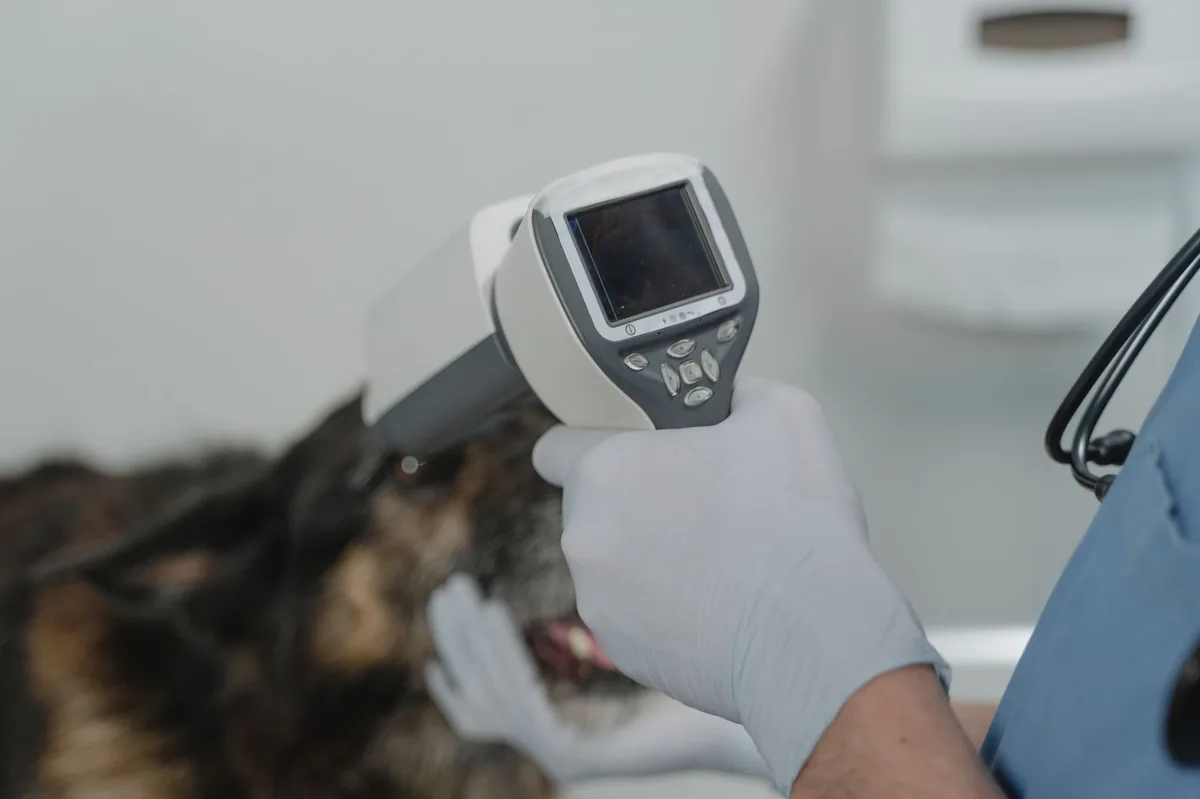
Because the clinical picture can mimic other neuromuscular disorders (like myasthenia gravis or tick‑borne paralysis), veterinarians use a combination of history, physical exam, and specific tests:
- History and dietary recall. Your vet will ask about recent meals, leftovers, or raw‑food diets.
- Neurological exam. Tests for reflexes, muscle tone, and gag response help pinpoint the affected nerves.
- Blood work. A complete blood count (CBC) and chemistry panel are usually normal, but they rule out metabolic causes.
- Botulinum toxin assay. Samples of stool, vomit, or suspect food are sent to a reference laboratory for toxin detection. This test is highly specific but may take 24–48 hours.
- Electromyography (EMG). In some referral centers, EMG can demonstrate the characteristic “decremental response” of botulism‑induced neuromuscular blockade.
Because the toxin test can be slow, vets often start treatment based on clinical suspicion alone—especially if the dog is deteriorating.
Treatment options
Medical treatment
The cornerstone of botulism care is intensive supportive therapy. Most dogs require hospitalization in an intensive care unit (ICU) where veterinarians can monitor breathing, fluids, and electrolytes. Common medical interventions include:
- Mechanical ventilation. If the diaphragm is paralyzed, a ventilator maintains oxygenation until the toxin clears (usually 2–3 weeks).
- Antibiotics. Broad‑spectrum antibiotics such as ampicillin‑sulbactam or enrofloxacin are used to prevent secondary bacterial infections. Ask your vet about this option.
- Antitoxin. In some countries, an equine‑derived botulinum antitoxin is available for dogs, but it is rarely used because of limited supply and potential allergic reactions.
- Fluid therapy. IV fluids keep the dog hydrated and support kidney function while the toxin is metabolized.
Supplements and supportive care
Adjunctive supplements can aid recovery, though they are not curative:
- Omega‑3 fatty acids (EPA/DHA). These help reduce inflammation and support nerve health. A high‑quality fish‑oil supplement can be added once the dog is stable.
- Vitamin B‑complex. B vitamins, especially thiamine (B1), support nerve metabolism.
- Probiotics. A gentle probiotic may help restore gut flora after antibiotics, but avoid raw‑culture products that could introduce new bacteria.
All supplements should be discussed with your vet to ensure they won’t interfere with other medications.
Procedures or surgery
Botulism rarely requires surgery, but severe cases may need a tracheostomy to secure the airway if ventilation is not available. The procedure involves creating a temporary opening in the neck to allow breathing. Recovery from a tracheostomy can take 1–2 weeks, and the cost ranges from $1,200 to $3,000 in the U.S., depending on hospital fees.
Diet and nutrition
During the acute phase, the goal is to keep the dog well‑nourished without overloading the gastrointestinal tract. A highly digestible, low‑fat diet is ideal because it minimizes the workload on the pancreas and liver while providing essential nutrients for nerve repair.
Recommended foods include:
- Prescription therapeutic diets labeled “neurological support” (e.g., a renal‑style diet with added omega‑3s).
- Boiled chicken breast (no skin) mixed with white rice—both are easy to digest and low in protein‑derived toxins.
- Commercial “gastro‑intestinal” canned foods that list “limited ingredient” and “highly digestible protein” on the label.
Foods to avoid until the dog regains full swallowing ability:
- Raw meat, bones, or fish—these can harbor spores or cause additional GI upset.
- High‑fat treats, cheese, or greasy leftovers, which may delay gastric emptying.
- Fermented or canned foods that have been left unrefrigerated for more than two hours.
When the dog is ready to resume a normal diet, transition slowly over 5–7 days: mix 25 % recovery diet with 75 % regular kibble, then gradually increase the kibble proportion. This helps prevent gastrointestinal upset and allows the gut microbiome to rebalance.
| Do feed | Limit | Avoid |
|---|---|---|
| Boiled chicken, white rice, prescription neurological diet | Low‑fat treats, small amounts of cottage cheese | Raw meat, spoiled leftovers, high‑fat foods |
Hydration is also critical. Offer fresh water frequently, and consider adding a low‑sodium electrolyte solution (such as Pedialyte, diluted 1:1 with water) if the dog is not drinking enough. Always ask your vet before introducing any new supplement or electrolyte product.
Cost and prognosis
Because botulism often demands intensive care, the price tag can be steep. Typical expenses in the United States range from $2,500 to $6,000, depending on length of ICU stay, need for mechanical ventilation, and any additional procedures. In the United Kingdom, costs are roughly £1,800–£4,500, reflecting similar intensive‑care requirements.
Prognosis hinges on how quickly treatment begins. If veterinary care starts within 12 hours of symptom onset, survival rates climb to 80–90 percent. Delayed treatment (beyond 24 hours) drops survival to under 50 percent, primarily because respiratory failure becomes harder to reverse.
Most dogs that survive the acute phase regain normal muscle function within 2–4 weeks, though lingering weakness may persist for a month or more. Ongoing physiotherapy—gentle passive range‑of‑motion exercises and short, controlled walks—helps rebuild strength.
Prevention and home care
Preventing botulism is largely about safe food handling:
- Never feed dogs leftovers that have been left out at room temperature for more than two hours. Refrigerate or discard promptly.
- Cook meat, fish, and poultry thoroughly. Boil for at least 10 minutes to inactivate any preformed toxin.
- Store raw diets in a freezer until you’re ready to serve them, and thaw in the refrigerator—not on the counter.
- Dispose of garbage securely. Use covered bins and keep them out of reach of scavenging pets.
- When feeding treats, choose commercially packaged options with clear “use‑by” dates and store them in a cool, dry place.
After recovery, continue monitoring your dog’s strength and appetite. Schedule a follow‑up exam 1–2 weeks after discharge and again at 1 month to ensure full neurologic recovery. If you ever suspect a food source might be compromised, err on the side of caution and discard it.
Vet’s note
From our vet team: Botulism can look like “just a weak dog” at first, but the toxin spreads fast. If you suspect botulism, get your pup to a veterinary emergency clinic immediately—time is the most critical factor. Even if the cost seems high, remember that supportive care, especially ventilation, is what saves lives. And once your dog is stable, focus on gentle rehabilitation and a clean, toxin‑free diet to prevent a relapse.
Key takeaways
- Botulism is caused by a toxin that blocks nerve signals, leading to rapid muscle weakness.
- Early signs include drooping jaw, soft bark, and difficulty swallowing; seek veterinary care right away.
- Treatment is supportive—often requiring ICU care, ventilation, and fluids—and may cost several thousand dollars.
- Prevention centers on proper food storage, thorough cooking, and avoiding raw leftovers for dogs.
- Most dogs recover fully if treated promptly, but rehabilitation and a careful diet are essential for a smooth comeback.
Myth vs. fact
Myth: Botulism only affects dogs that eat raw meat.
Fact: While raw feeding can be a risk, the toxin most commonly comes from improperly stored cooked foods, leftovers, or contaminated commercial treats.
Myth: If a dog looks fine after a few hours, the toxin must be gone.
Fact: Symptoms can lag up to 24 hours after ingestion; a dog may appear normal before the paralysis suddenly worsens.
Frequently asked questions
What causes botulism in dogs?
Botulism is caused by ingesting the preformed botulinum toxin, usually from spoiled or improperly stored meat, fish, or poultry, and occasionally from contaminated commercial treats.
What are the early symptoms of botulism in dogs?
Early signs include a soft or weak bark, drooping ears or eyelids, difficulty swallowing, and a “hung‑jaw” appearance. These symptoms can appear within a few hours of eating the contaminated food.
How is botulism diagnosed in a dog?
Veterinarians combine a detailed dietary history with a neurological exam, blood work to rule out other diseases, and a lab test for botulinum toxin in stool or suspect food. Diagnosis is often made on clinical suspicion before the toxin test returns.
What is the standard treatment for canine botulism?
Treatment is primarily supportive: intensive care with IV fluids, antibiotics to prevent secondary infection, and mechanical ventilation if breathing muscles are affected. Antitoxin may be used in some regions, and supplements like omega‑3s can aid recovery.
Can a dog fully recover from botulism?
Yes—most dogs that receive prompt, aggressive care recover fully. Neuromuscular function typically returns within 2–4 weeks, though some may need physiotherapy to rebuild strength.
How much does botulism treatment cost for a dog?
In the U.S., treatment usually ranges from $2,500 to $6,000, depending on ICU stay length and need for ventilation. In the U.K., costs are roughly £1,800–£4,500. Insurance may offset part of the expense.
Ask the PuppaDogs community
Have a question this article didn’t fully answer? Want to compare notes with other dog owners who’ve been through this? Our community forum is moderated by experienced owners and vets — and answers tend to come fast. Ask in the PuppaDogs community →
References
- American Veterinary Medical Association (AVMA). “Botulism in Dogs.” AVMA Guidelines, 2023.
- Merck Veterinary Manual. “Botulism.” Section on Neurotoxins, 2022.
- American Animal Hospital Association (AAHA). “Critical Care Standards for Small Animals.” 2022 edition.
- World Small Animal Veterinary Association (WSAVA). “Guidelines for Food‑Borne Illnesses in Companion Animals.” 2021.
- University of California, Davis School of Veterinary Medicine. “Clostridium botulinum and Food Safety.” Veterinary Nutrition Lecture, 2020.
- American College of Veterinary Internal Medicine (ACVIM). “Neuromuscular Disorders in Dogs.” Consensus Statement, 2022.
- Veterinary Information Network (VIN). “Botulism Toxin Assay and Interpretation.” 2023.
- Pet Nutrition Alliance. “Digestible Protein for Recovery Diets.” Position Paper, 2021.
- British Veterinary Association (BVA). “Cost of Intensive Care for Small Animals.” 2022.
- American College of Veterinary Surgeons (ACVS). “Airway Management in Small Animals.” 2020.


