











Quick take: Bone deformity and dwarfism in dogs are genetic or developmental conditions that affect skeletal growth, often leading to short limbs, abnormal bone shape, and chronic pain. While some dogs live comfortable lives with supportive care, severe cases may need surgery and lifelong management. Early detection, veterinary evaluation, and tailored nutrition are key to maintaining quality of life.
It’s 9 p.m., and you’ve just noticed that Max, your 7‑month‑old Labrador mix, isn’t sprinting to the kitchen like he usually does. Instead, he’s waddling, his front legs looking a little shorter than his back, and his gait is stiff. You run a quick search for “short legs in puppies” and the results flood your screen with terms like “dwarfism” and “bone deformity.” Your heart races—could this be something serious?
We get it. Seeing a beloved pup struggle can feel overwhelming, especially when you’re not sure what the words mean or how urgent the situation is. The good news is that, with the right information and veterinary guidance, you can make informed decisions that keep Max comfortable and active. Below we break down everything you need to know about bone deformity and dwarfism in dogs—from what the condition is, to how it’s diagnosed, treated, and lived with.
In this guide we’ll cover the definition, causes, signs, diagnostic work‑up, treatment options (medical, supplements, and surgery), diet recommendations, costs, prognosis, prevention, and everyday care tips. We’ll also answer common questions like “Is dwarfism hereditary?” and “Can I prevent it?” so you have a full picture at your fingertips.
What is Bone Deformity and Dwarfism in Dogs?
Bone deformity refers to any abnormal shape, size, or growth pattern of a dog’s skeletal system. Dwarfism, medically called skeletal dysplasia or osteochondrodysplasia, is a specific type of bone deformity where the long bones (like the femur and humerus) grow abnormally short, leading to a disproportionate body—short limbs with a relatively normal torso.
These conditions can range from mild, where a dog appears “short‑legged” but otherwise healthy, to severe, where joint pain, arthritis, and reduced mobility become lifelong challenges. According to the Merck Veterinary Manual, skeletal dysplasias affect roughly 1 in 10,000 dogs, but certain breeds have a much higher prevalence.
What causes it?
Bone deformities and dwarfism arise from a mix of genetic, developmental, and environmental factors. Below is a concise overview of the main categories.
| Cause | Details |
|---|---|
| Genetic mutations | Single‑gene defects (e.g., FGFR3, COL2A1) that affect cartilage formation and bone elongation. Many are inherited in an autosomal recessive pattern. |
| Breed predisposition | Breeds such as the Dachshund, Scottish Terrier, and Miniature Bull Terrier are over‑represented. Mixed‑breed dogs can inherit these genes from one parent. |
| Developmental issues | Intrauterine growth restriction, nutritional imbalances during rapid growth phases, or exposure to certain toxins (e.g., excess vitamin D) can disrupt normal bone development. |
| Secondary conditions | Metabolic disorders (like hypothyroidism) or chronic inflammation can alter bone remodeling, leading to deformities over time. |
Signs and symptoms
Recognizing bone deformity early helps prevent secondary complications. Symptoms typically progress from subtle to severe.
| Severity | Typical signs |
|---|---|
| Mild | Shortened limbs, slightly abnormal gait, “pigeon‑toed” stance, occasional limping after play. |
| Moderate | Persistent lameness, reduced activity, joint swelling, difficulty climbing stairs or jumping onto furniture. |
| Severe | Chronic pain, marked arthritis, spinal curvature, inability to bear weight on affected limbs, secondary deformities (e.g., crooked spine). |
Other clues include a “pug‑like” facial appearance in some dwarf breeds, a noticeable difference in limb length when the dog is lying down, and a tendency to favor one side when walking.
When to call your vet
Call your vet today if:
- Your dog shows persistent limping or stiffness lasting more than 48 hours.
- There’s swelling, heat, or visible deformity around a joint.
- The dog avoids normal activities (e.g., climbing stairs, playing fetch).
- You notice a sudden change in gait, especially after growth spurts.
Go to an emergency veterinary hospital now if:
- Your dog cannot bear weight on any limb.
- There’s severe pain (yelping, trembling) or the dog is vocalizing continuously.
- You see signs of a fracture (bone protruding through skin, sudden collapse).
- There’s rapid swelling of the abdomen or chest, indicating possible spinal involvement.
This article is for informational purposes only and does not replace professional veterinary care.
How vets diagnose it
Diagnosis starts with a thorough history—age of onset, growth rate, diet, and any family history of skeletal issues. The physical exam focuses on limb length measurements, gait analysis, and palpation of joints for pain or swelling.
Imaging is pivotal:
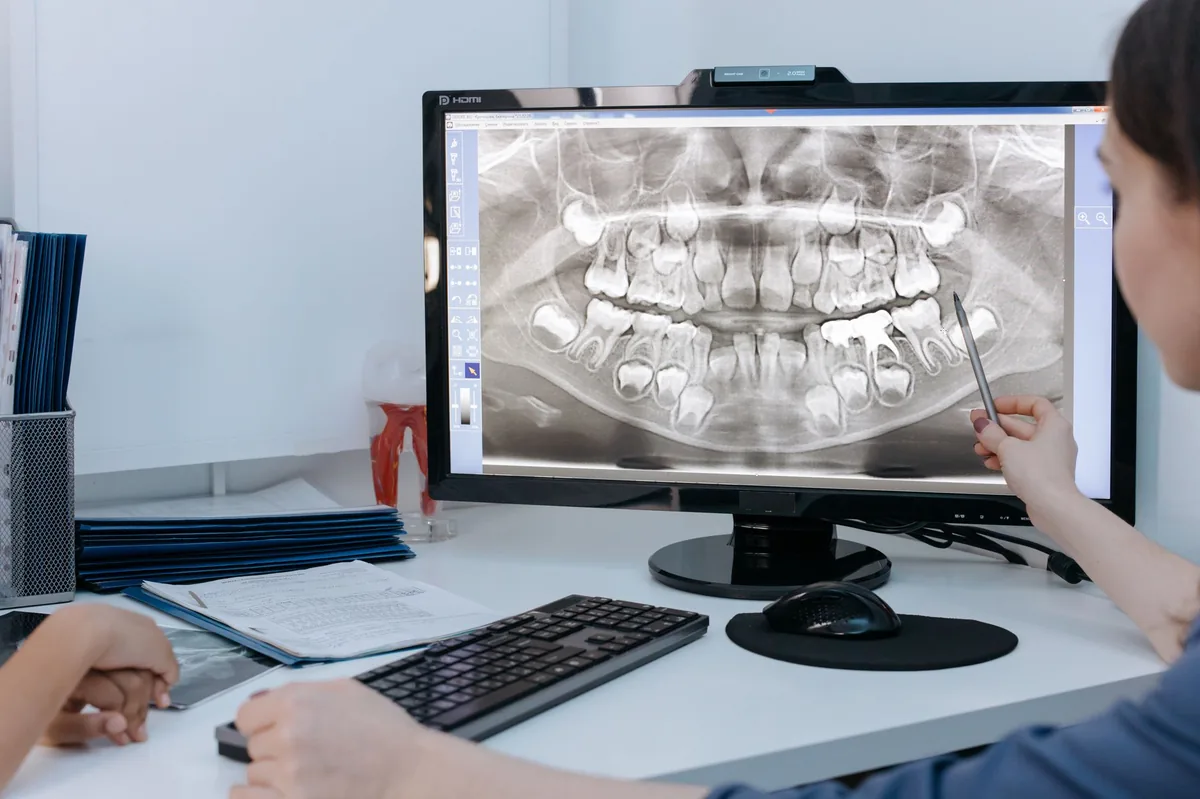
- Radiographs (X‑rays): Reveal bone shape, growth plate status, and any angular deformities.
- Computed tomography (CT) or MRI: Provide 3‑D detail for complex cases, especially when planning surgery.
- Ultrasound: Occasionally used to assess soft‑tissue structures around joints.
Genetic testing is increasingly available for breeds with known mutations. A simple cheek swab can confirm the presence of a dwarfism‑related gene, helping guide breeding decisions.
Treatment options
Medical treatment
When surgery isn’t immediately required, medical management focuses on pain relief and slowing progression:
- Non‑steroidal anti‑inflammatory drugs (NSAIDs): Medications such as carprofen or meloxicam reduce inflammation and pain. Ask your vet about these options.
- Immunosuppressants: In rare cases where an autoimmune component contributes to joint inflammation, drugs like prednisone may be prescribed.
- Joint supplements: Glucosamine, chondroitin, and omega‑3 fatty acids (EPA/DHA) support cartilage health and can lessen stiffness.
- Analgesics: Gabapentin or amantadine can be added for neuropathic pain, especially in older dogs with secondary arthritis.
Supplements and supportive care
Evidence supports certain nutraceuticals for dogs with skeletal abnormalities:
- Omega‑3 fatty acids: Anti‑inflammatory properties help manage chronic joint pain. Look for products with at least 500 mg EPA per serving.
- Vitamin C and E: Antioxidants that may protect cartilage from oxidative damage—use only as directed by your vet.
- Probiotics: Support gut health, which can indirectly affect nutrient absorption crucial for bone health.
Physical therapy—gentle range‑of‑motion exercises, hydrotherapy, and low‑impact treadmill work—can improve muscle strength and joint stability. Your vet may refer you to a certified canine rehabilitation specialist.
Procedures or surgery
When deformities cause severe pain or functional limitation, surgical correction can be life‑changing. Common procedures include:
- Corrective osteotomy: Cutting and realigning the bone, then securing it with plates or screws.
- Joint replacement (total hip or knee): Replaces arthritic joints with prosthetic implants, often reserved for older dogs with severe degeneration.
- Spinal decompression: For dogs with vertebral malformations causing nerve compression.
Recovery typically involves 6–12 weeks of restricted activity, followed by a structured rehab program. Hospital stay can range from a few days to a week, depending on the complexity of the surgery.
Diet and nutrition
Nutrition plays a central role in supporting bone health and managing pain for dogs with dwarfism. While no single “cure‑diet” exists, certain principles can help maintain optimal skeletal function.
Key nutritional goals:
- Provide highly digestible, high‑quality protein to support bone matrix formation.
- Ensure adequate calcium (Ca) and phosphorus (P) balance—generally a Ca:P ratio of 1.2:1 to 1.4:1 is recommended for growing dogs, per AAFCO guidelines.
- Include joint‑support nutrients (glucosamine, chondroitin, omega‑3s) in the daily diet.
- Maintain a healthy body condition score (BCS) to reduce excess weight load on already compromised joints.
Below is a quick reference for feeding dogs with skeletal abnormalities.
| Food category | What to feed | What to limit/avoid |
|---|---|---|
| High‑quality commercial kibble | Brands meeting AAFCO “growth” or “maintenance” with added glucosamine and omega‑3s. | Cheap, grain‑heavy formulas lacking joint nutrients. |
| Prescription therapeutic diet | Renal or joint formulas (e.g., “Joint Health” diet) that control mineral levels and add joint supplements. | Regular kibble without veterinary endorsement. |
| Fresh foods | Cooked lean meats, boiled sweet potatoes, and green beans for balanced protein and carbs. | Bone‑on‑the‑bone, excessive dairy, or raw cartilage that could cause GI upset. |
| Supplements | EPA/DHA oil (500 mg EPA per day for a 20 kg dog), glucosamine‑chondroitin tablets. | High‑dose vitamin D or calcium supplements unless prescribed. |
When transitioning to a new diet, do it gradually over 7‑10 days to avoid digestive upset. Start with 25 % new food mixed with 75 % current food, then increase the new food proportion each few days.
Hydration is also important. Adequate water supports cartilage health and helps flush metabolic waste from the joints. Consider adding a low‑sodium broth to the bowl if your dog is a picky eater.
For dogs that are overweight, a modest calorie reduction (10‑15 % less than maintenance) can alleviate joint stress. Use a body condition calculator to monitor ideal weight.
Finally, always discuss any diet change with your veterinarian, especially if your dog is on medication, as certain foods can interact with drugs (e.g., high‑fat meals may affect NSAID absorption).
Cost and prognosis
Financial considerations are a real part of caring for a dog with bone deformity. Below are rough cost estimates, which can vary by region, clinic, and severity.
| Expense | US (USD) | UK (GBP) |
|---|---|---|
| Initial veterinary exam & X‑rays | $150‑$300 | £120‑£250 |
| Advanced imaging (CT/MRI) | $800‑$2,000 | £600‑£1,500 |
| Genetic testing (breed‑specific) | $150‑$250 | £100‑£200 |
| Medical management (NSAIDs, supplements, 6‑month supply) | $200‑$500 | £150‑£400 |
| Surgical correction (osteotomy) | $3,000‑$7,000 | £2,500‑£5,500 |
| Joint replacement | $5,500‑$10,000 | £4,500‑£8,500 |
| Rehabilitation (physical therapy sessions) | $75‑$150 per session | £60‑£120 per session |
Prognosis depends on severity and treatment compliance. Dogs with mild dwarfism often live a normal lifespan, especially when weight is controlled and joint health is supported. More severe forms may develop chronic arthritis, which can shorten life expectancy by a few years if unmanaged. However, many owners report a good quality of life with appropriate pain control and activity modification.
Prevention and home care
While genetic dwarfism cannot be “prevented” in the classic sense, responsible breeding and early management can reduce the impact.
- Breeding practices: Use genetic testing to identify carriers and avoid breeding two carriers together. The American Kennel Club (AKC) recommends only breeding dogs with clear test results for known skeletal dysplasia genes.
- Nutrition during growth: Feed a balanced, high‑quality diet during the puppy stage. Avoid over‑supplementation of calcium, which can exacerbate growth plate disorders.
- Weight management: Keep adult dogs at a healthy BCS (4‑5/9). Excess weight adds stress to already compromised joints.
- Regular veterinary check‑ups: Schedule exams every 6 months during growth years, and annually thereafter. Early X‑rays can catch subtle deformities before they become painful.
- Safe exercise: Encourage low‑impact activities like swimming or controlled leash walks. Avoid high‑impact jumping until the growth plates close (usually around 12‑18 months for most breeds).
At home, monitor your dog’s gait daily. A simple “walk‑around” test—watching how they lift each paw—can alert you to early changes. If you notice sudden stiffness, pain, or limping, contact your vet promptly.
From our vet team: “We’ve seen dogs with dwarfism thrive when pain is managed early and weight is kept in check. The most rewarding part is watching a once‑cautious pup happily chase a ball again after a tailored rehab plan.”
Key takeaways
- Bone deformity and dwarfism are genetic or developmental conditions that cause short limbs and joint pain, but many dogs live comfortably with proper care.
- Early signs include abnormal gait, shortened limbs, and reluctance to jump; watch for swelling or severe pain as red‑flag symptoms.
- Diagnosis relies on physical exams, X‑rays, and sometimes genetic testing; your vet will guide the work‑up.
- Medical management (NSAIDs, supplements, rehab) can control pain, while surgery is an option for severe deformities.
- Feed a high‑quality, balanced diet with joint‑support nutrients, keep your dog at a healthy weight, and avoid excess calcium during growth.
- Costs vary widely—from a few hundred dollars for diagnostics to several thousand for surgery—but many owners find the investment worthwhile for a better quality of life.
Myth vs. fact
Myth: All short‑legged dogs have dwarfism.
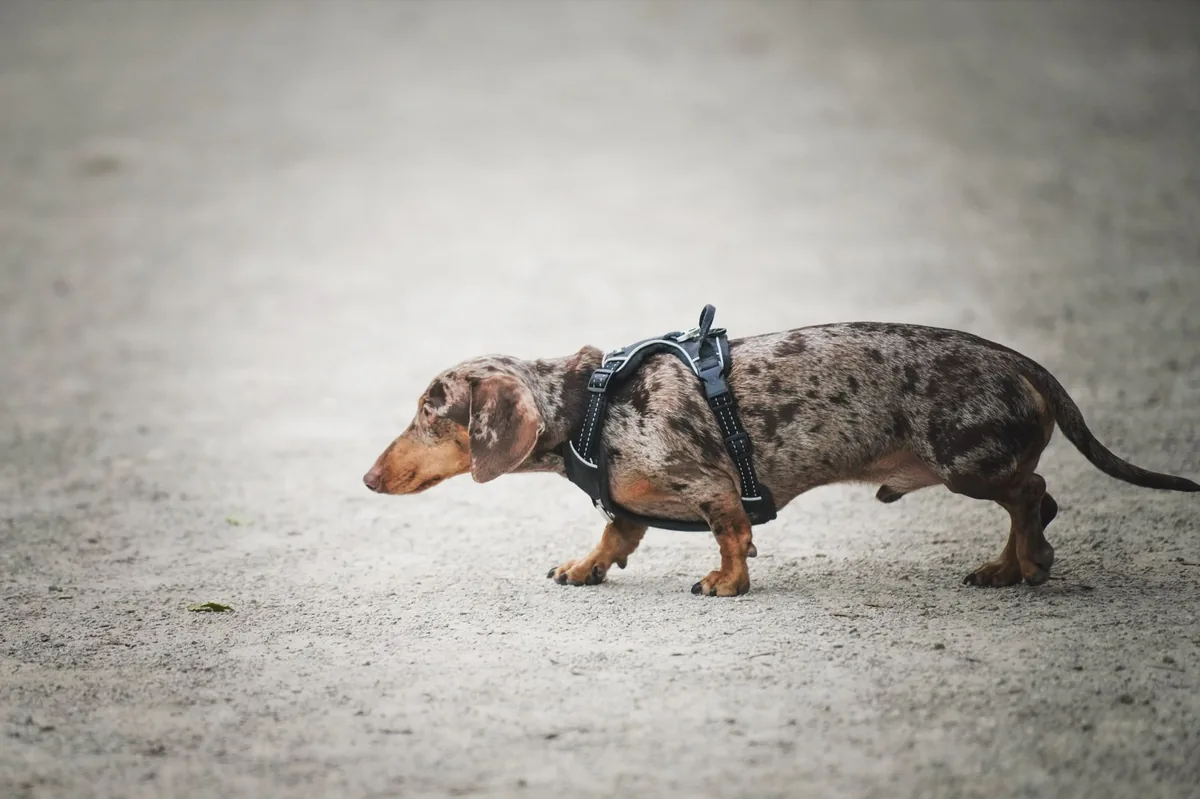
Fact: Some breeds are naturally short‑legged (e.g., Dachshunds) without underlying skeletal dysplasia. True dwarfism involves abnormal bone growth and often pain.
Myth: Dwarfism can be cured with a special diet.
Fact: Diet supports bone health but cannot reverse genetic mutations; it can, however, reduce pain and improve mobility.
Myth: A dog with dwarfism will always have a shortened lifespan.
Fact: Many dogs with mild forms live normal lifespans when pain is managed and weight is controlled.
Frequently asked questions
What causes bone deformities and dwarfism in dogs?
These conditions are most often caused by inherited genetic mutations that affect cartilage and bone growth, though nutritional imbalances and developmental issues can also play a role.
How can I tell if my dog has dwarfism?
The quickest clue is a noticeable difference in limb length combined with a stiff or abnormal gait; a vet will confirm the diagnosis with X‑rays and possibly genetic testing.
Is dwarfism in dogs painful?
Yes, many affected dogs experience chronic joint pain and arthritis, especially as they age. Pain management and physiotherapy can greatly improve comfort.
What diagnostic tests are needed for skeletal dwarfism?
Standard diagnostics include a full physical exam, radiographs of the limbs and spine, and, for certain breeds, a DNA test to identify known mutations.
Can dwarfism be treated or cured?
There is no cure for the genetic basis, but medical therapy, supplements, and corrective surgery can alleviate pain and improve function.
Are there any breeds that are more likely to develop bone deformities?
Yes. Breeds such as the Dachshund, Scottish Terrier, Miniature Bull Terrier, and certain lines of French Bulldogs have higher incidences of skeletal dysplasia.
Ask the PuppaDogs community
Have a question this article didn’t fully answer? Want to compare notes with other dog owners who’ve been through this? Our community forum is moderated by experienced owners and vets — and answers tend to come fast. Ask in the PuppaDogs community →
References
- American Animal Hospital Association (AAHA). “AAHA Guidelines for Orthopedic Care in Dogs.” 2023.
- American Veterinary Medical Association (AVMA). “Canine Skeletal Dysplasia Overview.” 2022.
- Merck Veterinary Manual. “Osteochondrodysplasia in Dogs.” Updated 2024.
- World Small Animal Veterinary Association (WSAVA). “Guidelines for Nutritional Management of Dogs with Orthopedic Disease.” 2021.
- American Kennel Club (AKC). “Breed Health Surveys: Skeletal Disorders.” 2022.
- Cornell University College of Veterinary Medicine. “Genetic Testing for Dwarfism in Dogs.” 2023.
- UC Davis School of Veterinary Medicine. “Joint Supplement Efficacy in Canine Osteoarthritis.” 2021.
- Plumb’s Veterinary Drug Handbook. “NSAID Use in Dogs.” 12th Edition, 2020.
- AAFA (American Association of Feline Practitioners) – included for comparative reference on bone health; 2023.
- British Veterinary Association (BVA). “Cost of Canine Orthopedic Surgery in the UK.” 2022.
- National Research Council (NRC). “Nutrient Requirements of Dogs.” 2006 – still the basis for AAFCO standards.
- Veterinary Orthopedic Society. “Physical Rehabilitation Protocols for Canine Joint Disease.” 2020.


