









Quick take: Bone cancer (chondrosarcoma) is a malignant tumor that arises from cartilage cells in a dog’s bone. It most often affects middle‑aged to older large‑breed dogs, grows slowly, and can cause pain, swelling, and lameness. Early detection, imaging, and surgical removal plus possible adjunct therapy give the best chance for a good quality of life, though treatment can be costly.
It’s 11 p.m., and you’re sitting on the couch watching your 8‑year‑old German Shepherd, Max, limp toward his favorite blanket. He pauses, whines, and then settles down, his tail tucked low. You notice a faint swelling above his right hind leg and wonder if it’s just a sprain from yesterday’s hike. The internet buzzes with “bone cancer” headlines, and your heart races.
First, take a breath. You’re not alone—many owners spot a subtle limp or a small lump before the diagnosis is confirmed. In most cases, chondrosarcoma grows slowly enough that you have time to gather information, ask the right questions, and work with your vet on a plan that balances comfort, cost, and your dog’s personality.
In this guide we’ll explain what bone cancer (chondrosarcoma) in dogs actually is, why it happens, how to recognize it, what your vet will do to confirm it, and the range of treatment options—including surgery, medical therapy, and supportive care. We’ll also dive into diet recommendations, typical expenses, prognosis, and steps you can take to reduce risk. By the end you’ll have a clear roadmap for the next conversation with your veterinarian.
What is bone cancer (chondrosarcoma) in dogs?
Bone cancer (chondrosarcoma) is a malignant tumor that originates from cartilage‑producing cells (chondrocytes) within a bone. In plain language, it’s a cancer that grows inside the bone’s cartilage layer, slowly eroding bone tissue and often causing pain and swelling. Chondrosarcoma accounts for about 5–10 % of all canine bone tumors, making it the second‑most common primary bone cancer after osteosarcoma.
It tends to appear in middle‑aged to senior dogs, especially large and giant breeds such as German Shepherds, Rottweilers, Great Danes, and Labrador Retrievers. The disease can affect any bone, but the ribs, pelvis, and long bones of the limbs are most frequently involved. Because the tumor grows from cartilage, it often expands outward, creating a palpable lump before it invades deeper structures.
What causes bone cancer (chondrosarcoma) in dogs?
The exact cause of chondrosarcoma is still unknown, but several risk factors have been identified.
- Breed predisposition: Large and giant breeds have a higher incidence, likely due to their greater bone mass and growth rate.
- Age: Most cases are diagnosed in dogs older than six years, when cellular mutations have had time to accumulate.
- Genetic factors: Certain family lines within breeds show clustering, suggesting inherited susceptibility.
- Environmental influences: Chronic inflammation, previous bone injury, or exposure to certain radiation sources may increase risk, though evidence is limited.
- Sex hormones: Intact males sometimes have a slightly higher rate, possibly linked to growth‑factor pathways.
Signs and symptoms
Owners usually notice the disease when the tumor becomes large enough to affect the surrounding tissue.
| Severity | Typical signs |
|---|---|
| Mild | Occasional limp, subtle swelling, slight reluctance to jump or run. |
| Moderate | Persistent lameness, visible lump, pain on palpation, decreased activity, loss of appetite. |
| Severe | Marked pain, large deforming mass, refusal to move, weight loss, secondary fractures. |
Other red‑flag clues include a sudden change in gait, a firm or bony swelling that is warm to the touch, or a dog that seems “stiff” after a short walk. Because these signs can also stem from arthritis or injury, a veterinary exam is essential for accurate diagnosis.
When to call your vet
Call your vet today if you notice any of the following:
- Persistent limp lasting more than 48 hours
- A new, firm swelling on a limb or ribcage
- Decreased appetite or unexplained weight loss
- Signs of pain when the area is touched
Go to an emergency veterinary hospital right now if your dog shows any of these urgent signs:
- Sudden inability to stand or walk
- Severe, unrelenting pain (crying, trembling)
- Visible fracture or broken bone
- Rapid swelling with bruising or bleeding
This information is for educational purposes only and does not replace professional veterinary care.
How vets diagnose bone cancer (chondrosarcoma)
Diagnosis starts with a thorough history and physical exam, followed by imaging and tissue sampling.
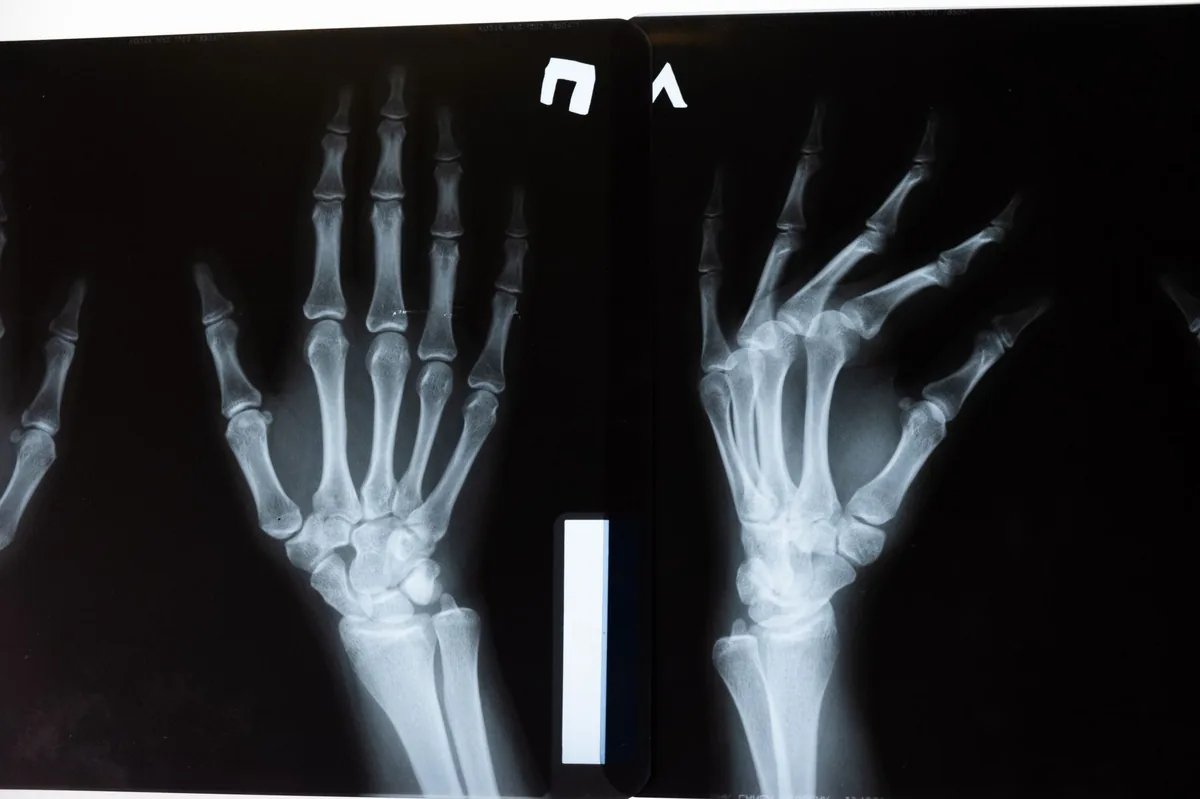
- Radiographs (X‑rays): Reveal a characteristic “mixed lytic‑blastic” pattern—a combination of bone loss and new bone formation that suggests a cartilage tumor.
- Advanced imaging: CT (computed tomography) or MRI provides three‑dimensional detail, helps assess the tumor’s size, and guides surgical planning.
- Fine‑needle aspiration (FNA) or core needle biopsy: A small sample of cells is taken for cytology or histopathology. The pathologist looks for atypical chondrocytes and confirms malignancy.
- Staging tests: Chest X‑rays or a CT scan of the lungs checks for metastasis (spread), which is less common in chondrosarcoma than in osteosarcoma but still possible.
All of these steps are performed under sedation or light anesthesia, ensuring your dog stays comfortable while the vet gathers the information needed for a treatment plan.
Treatment options
Medical treatment
While surgery is the cornerstone of curative intent, medical therapy can help control pain, reduce inflammation, and slow tumor growth.
- NSAIDs (non‑steroidal anti‑inflammatory drugs): Drugs such as carprofen or meloxicam are commonly prescribed to manage pain and inflammation. Ask your vet about the best option for your dog’s kidney and liver health.
- Bisphosphonates: Medications like pamidronate may be used to inhibit bone resorption and alleviate pain. They are given intravenously by a vet.
- Targeted therapy: In some cases, veterinarians may discuss off‑label use of drugs like toceranib (Palladia) to inhibit tumor blood vessel growth. This is typically reserved for tumors that can’t be fully removed.
- Chemotherapy: Chondrosarcoma often responds poorly to traditional chemotherapy, but it may be considered if the tumor is inoperable or has metastasized. Your vet will weigh the benefits against potential side effects.
Supplements and supportive care
Adjunctive supplements can improve overall well‑being, though they don’t replace conventional treatment.
- Omega‑3 fatty acids (EPA/DHA): Fish‑oil supplements have anti‑inflammatory properties and may help maintain joint health during periods of reduced activity.
- Glucosamine and chondroitin: These are often recommended for dogs with concurrent joint disease; they support cartilage health but have limited effect on the tumor itself.
- Probiotics: A healthy gut can aid in nutrient absorption, especially if the dog is on a restricted diet after surgery.
- Analgesic adjuncts: Gabapentin or amantadine may be added for neuropathic pain, under veterinary guidance.
Procedures or surgery
Surgical removal offers the best chance for long‑term control.
- Limb‑sparing surgery: When the tumor is in a limb but not too close to critical structures, surgeons can excise the tumor and reconstruct the bone with plates, screws, or bone grafts. Recovery typically takes 8–12 weeks, with gradual return to normal activity.
- Amputation: For tumors that compromise the entire bone or nearby nerves, amputation of the affected limb may be recommended. Dogs adapt remarkably well, often returning to full mobility within weeks.
- Radiation therapy: In cases where surgery isn’t feasible, external beam radiation can shrink the tumor and relieve pain. It usually involves 10‑15 sessions over three weeks.
- Cost range: Surgical procedures (including pre‑op imaging, anesthesia, and post‑op care) can run from $4,500 to $10,000 USD in the United States; in the United Kingdom, typical fees range £3,500–£7,500. These figures are estimates and vary by clinic, region, and complexity.
Diet and nutrition
While no single diet can cure chondrosarcoma, nutrition plays a vital role in supporting recovery, maintaining body weight, and easing the strain on affected bones.
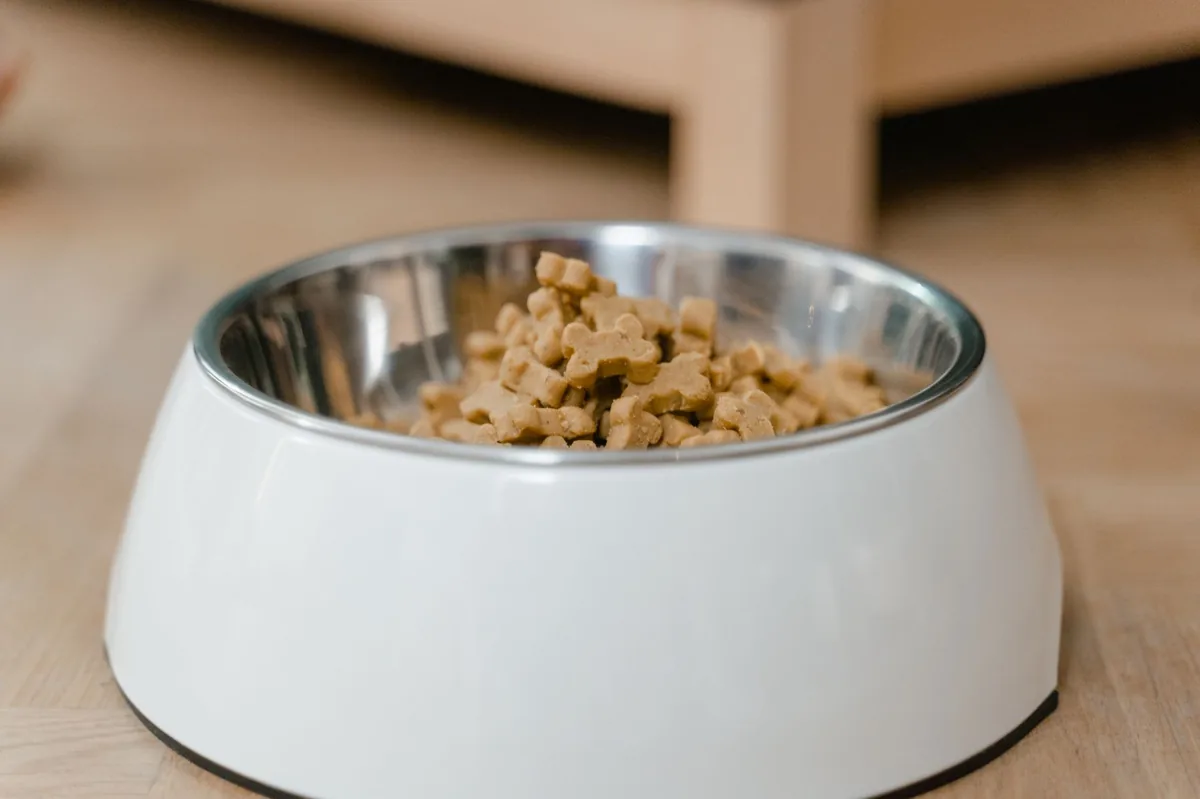
Because the tumor can cause chronic pain and reduced activity, many dogs lose muscle mass or become under‑conditioned. Feeding a highly digestible, moderate‑calorie diet helps preserve lean tissue without overloading the skeletal system.
Key nutritional principles:
- High‑quality protein: Aim for 18–22 % of the diet to come from digestible animal sources (chicken, turkey, fish). Protein supports tissue repair and immune function.
- Controlled calcium and phosphorus: Excess calcium can exacerbate bone remodeling. Look for a calcium‑to‑phosphorus ratio near 1:1 to 1.2:1, as recommended by the AAFCO for adult maintenance.
- Omega‑3 fatty acids: Including fish oil or flaxseed oil can reduce inflammation around the tumor and improve joint comfort.
- Limited sodium: High sodium can increase fluid retention and pressure on joints; choose low‑salt formulas.
- Antioxidant‑rich ingredients: Vitamins C and E, as well as selenium, may help counter oxidative stress associated with cancer growth.
Prescription therapeutic diets are not required for chondrosarcoma, but some veterinarians recommend a “joint‑support” formula (often labeled as “orthopedic” or “senior”) because of the added glucosamine, chondroitin, and omega‑3s. Brands vary, and we avoid naming specific products to keep the advice unbiased.
| Do feed | Limit | Avoid |
|---|---|---|
| Lean cooked meats, high‑quality kibble, canned senior formulas with added omega‑3 | Excessive treats, high‑fat table scraps | Raw bones (risk of fracture), high‑calcium supplements, overly salty foods |
When transitioning to a new diet, introduce the new food gradually over 7–10 days, mixing increasing amounts with the old food. This reduces gastrointestinal upset and helps you monitor appetite. Offer smaller, more frequent meals if your dog is uncomfortable eating a large portion at once.
Hydration is also crucial. Encourage fresh water, and consider adding low‑sodium broth to meals if your dog is reluctant to drink. For dogs with reduced mobility, a shallow water dish can make drinking easier.
Cost and prognosis
Financial considerations are a major part of decision‑making for bone cancer treatment. Below is a rough breakdown of typical expenses in the United States and United Kingdom, based on data from the American Animal Hospital Association (AAHA) and the Royal College of Veterinary Surgeons (RCVS).
| Service | US (USD) | UK (GBP) |
|---|---|---|
| Initial exam, blood work, X‑ray | $300–$600 | £150–£300 |
| CT or MRI scan | $800–$1,500 | £600–£1,200 |
| Biopsy (histopathology) | $400–$800 | £250–£500 |
| Surgical removal (limb‑sparing) | $4,500–$10,000 | £3,500–£7,500 |
| Amputation | $2,500–$4,000 | £2,000–£3,800 |
| Radiation therapy (full course) | $5,000–$7,500 | £4,000–£6,500 |
| Post‑op pain meds & supplements (3 months) | $150–$400 | £100–£300 |
Prognosis depends heavily on tumor location, size, and whether metastasis is present. For localized chondrosarcoma that can be surgically removed, median survival times range from 12 to 24 months, with many dogs enjoying a good quality of life for years after surgery. If the cancer has spread to the lungs or other organs, life expectancy shortens to 4–8 months, and the focus often shifts to palliative comfort.
Prevention and home care
Because the exact cause of chondrosarcoma is unclear, primary prevention is difficult. However, owners can adopt habits that may lower overall cancer risk and support bone health.
- Maintain a healthy weight: Obesity puts extra stress on joints and bones, potentially accelerating tumor growth.
- Provide regular, low‑impact exercise: Activities like short walks, swimming, or gentle play keep muscles strong without overloading the skeleton.
- Limit exposure to known carcinogens: Avoid unnecessary radiation (e.g., repeated X‑rays) and keep your dog away from tobacco smoke.
- Annual wellness exams: Routine check‑ups allow vets to spot subtle lameness or swelling early, when treatment is most effective.
- Nutrition: Feed a balanced diet rich in antioxidants and omega‑3 fatty acids, as outlined above.
After treatment, follow your vet’s schedule for re‑checks and imaging—usually every 3–6 months for the first year, then annually. Keep a log of your dog’s activity level, appetite, and any pain cues; this helps the veterinary team adjust pain management or detect recurrence early.
From our vet team: “If your dog is diagnosed with chondrosarcoma, the most important thing you can do right now is to stay calm, gather as much information as possible, and have an open conversation with your veterinarian about goals of care. Whether you pursue surgery, palliative medicine, or a combination, we’ll tailor the plan to your dog’s personality, age, and quality‑of‑life priorities.”
Key takeaways
- Chondrosarcoma is a cartilage‑based bone cancer that most often affects large, older dogs and grows slowly but can cause pain and swelling.
- Early signs include a persistent limp, a firm lump, or reduced activity; prompt veterinary evaluation is crucial.
- Diagnosis relies on X‑rays, advanced imaging (CT/MRI), and a biopsy; staging scans check for lung metastasis.
- Surgery (limb‑sparing or amputation) offers the best chance for long‑term control; adjunct NSAIDs, bisphosphonates, and omega‑3 supplements can improve comfort.
- Nutrition should focus on high‑quality protein, balanced calcium‑phosphorus, and anti‑inflammatory omega‑3s, while avoiding excess calcium and high‑salt foods.
- Typical treatment costs range from $4,500 to $10,000 USD for surgery, with additional expenses for imaging, hospital stays, and post‑op care.
Myth vs. fact
Myth: Bone cancer always spreads quickly and is untreatable.
Fact: Chondrosarcoma often grows slowly; when caught early and surgically removed, many dogs live comfortably for a year or more.
Myth: All bone tumors require amputation.
Fact: Limb‑sparing surgery is possible for many chondrosarcomas, preserving function while removing the tumor.
Myth: A raw diet can cure bone cancer.
Fact: No diet can cure cancer, but balanced nutrition supports overall health and recovery; raw bones can pose fracture risks for dogs with weakened bones.
Frequently asked questions
How much does treatment for bone cancer (chondrosarcoma) usually cost?
Typical expenses range from $4,500 to $10,000 USD for surgical removal, plus $300–$600 for diagnostics and $150–$400 for post‑op pain meds and supplements; costs vary by region and complexity.
Is chondrosarcoma contagious to other dogs?
No, bone cancer is not infectious; it arises from a dog’s own cells and cannot be passed to other animals or humans.
What is the expected recovery time after limb‑sparing surgery?
Most dogs need 8–12 weeks of restricted activity, followed by gradual physiotherapy; many return to normal walks within three to four months, though full strength may take longer.
Can my senior dog still enjoy an active life after treatment?
Yes—when pain is well‑controlled and the tumor is removed, many dogs resume favorite activities like short walks or gentle play, especially with supportive care and a balanced diet.
Are there any home‑based therapies that can slow tumor growth?
Supplements such as omega‑3 fatty acids may modestly reduce inflammation, but they are not a substitute for veterinary‑directed treatment; always discuss any additions with your vet.
What follow‑up care is needed after surgery?
Regular re‑checks every 3–6 months for the first year, including physical exams and chest X‑rays to monitor for metastasis, are standard; your vet will tailor the schedule to your dog’s progress.
Ask the PuppaDogs community
Have a question this article didn’t fully answer? Want to compare notes with other dog owners who’ve been through this? Our community forum is moderated by experienced owners and vets — and answers tend to come fast. Ask in the PuppaDogs community →
References
- American Animal Hospital Association (AAHA). “AAHA Canine Cancer Guidelines” 2023.
- American Veterinary Medical Association (AVMA). “Bone Tumors in Dogs” 2022.
- Merck Veterinary Manual. “Chondrosarcoma” entry, 2021.
- World Small Animal Veterinary Association (WSAVA). “Guidelines for Diagnosis and Treatment of Canine Bone Tumors” 2020.
- Cornell University College of Veterinary Medicine. “Bone Cancer in Dogs – Clinical Overview” 2022.
- Royal College of Veterinary Surgeons (RCVS). “Cost of Veterinary Surgical Procedures” 2023.
- American College of Veterinary Internal Medicine (ACVIM). “Management of Canine Bone Neoplasia” 2021.
- AAFP (American Association of Feline Practitioners) – referenced for comparative oncology data, 2020.


