













Quick take: Blood in the chest (pleural effusion with hemorrhage) is a medical emergency in dogs. It often signals trauma, tumor, or severe infection, and rapid veterinary care is essential to diagnose the cause, stop the bleeding, and protect your dog’s breathing.
It’s 11 p.m., and you’ve just noticed your 7‑year‑old mixed‑breed Labrador lying still on the couch, breathing shallowly, and a faint dark line appears under the ribcage when you press gently. Your heart races as you wonder whether it’s something you can fix at home. You scroll through articles, but the language feels vague, and the pictures are either too graphic or too generic.
First, take a breath. You’re not alone—many owners discover a similar sign after a fall, a car accident, or an unexplained coughing episode. The bottom line is that blood in the chest is a red‑flag condition that demands immediate veterinary attention. Below we break down what it means, why it happens, what you might see, how vets find the source, and what treatment, cost, and after‑care look like. We’ll also give you practical steps you can take tonight and help you feel prepared for the vet visit.
Understanding “blood in the chest in dogs” starts with the basics of the pleural space, the common causes, and the warning signs that differentiate a mild bruise from a life‑threatening bleed. Our vet team walks you through each step, from diagnosis to recovery, so you know exactly what to expect.
What is blood in the chest in dogs?
Blood in the chest, medically called a hemorrhagic pleural effusion, is the accumulation of blood within the pleural cavity—the thin space between the lungs and the chest wall. Normally this space contains only a tiny amount of lubricating fluid, allowing the lungs to expand smoothly. When blood fills the cavity, it compresses the lungs, making it harder for the dog to breathe and reducing oxygen exchange.
Hemorrhagic pleural effusion is relatively uncommon but serious. The American College of Veterinary Internal Medicine (ACVIM) estimates that less than 5 % of dogs presenting with respiratory distress have a primary bleeding source in the chest. The condition can affect dogs of any age or breed, though larger breeds and active dogs are more likely to experience blunt trauma that leads to internal bleeding.
What causes it?
Blood can enter the pleural space for several reasons. The most common categories are:
- Trauma: blunt force (car accidents, falls, being hit by a vehicle) can tear blood vessels in the chest wall or lungs.
- Neoplasia (tumors): malignant growths such as hemangiosarcoma, pulmonary carcinoma, or metastatic mast cell tumors can rupture and bleed.
- Coagulopathy: clotting disorders—whether genetic, liver disease‑related, or drug‑induced (e.g., anticoagulants)—can cause spontaneous bleeding.
- Infection: severe bacterial infections (like pyothorax) or parasitic infestations (heartworm) may erode vessels and lead to hemorrhage.
- Penetrating injuries: stab wounds or foreign objects (e.g., a broken rib puncturing the lung) can introduce blood directly.
Risk factors include high‑energy activities (agility, off‑leash running), older age (higher tumor risk), and underlying clotting disorders. Certain breeds—German Shepherds, Golden Retrievers, and Boxers—have a slightly higher incidence of hemangiosarcoma, a tumor that frequently bleeds into the chest.
Signs and symptoms
Because the chest houses vital organs, even a small amount of blood can cause noticeable changes. Early signs are often subtle, while severe bleeding rapidly becomes an emergency.
| Severity | Early / Mild Signs | Moderate Signs | Severe / Late Signs |
|---|---|---|---|
| Respiratory | Occasional cough, slight panting | Labored breathing, rapid panting | Very shallow breaths, inability to inhale |
| Behavior | Restlessness, slight lethargy | Reluctance to move, seeking cool spots | Unresponsiveness, collapse |
| Physical | Visible bruising on ribs, mild flank pain | Visible swelling, pale gums | Distended abdomen, bluish gums, cyanosis |
Other clues include a sudden drop in activity level, a change in posture (leaning to one side), or a noticeable “fluid wave” when you gently press the side of the ribcage and feel a shifting liquid. If you hear a “gurgling” sound with the stethoscope, that can indicate fluid in the chest.

When to call your vet
Call your vet today if you notice any of the following:
- Persistent coughing or gagging that doesn’t improve in an hour.
- Pale or bluish gums, especially after a fall or trauma.
- Visible swelling or a fluid wave under the ribs.
- Rapid breathing (more than 30 breaths per minute) or labored panting.
Go to an emergency veterinary hospital right now if you see any of these critical signs:
- Your dog is unable to stand or is collapsing.
- Severe shortness of breath—dog is gasping or making a “gurgling” sound.
- Sudden loss of consciousness or collapse.
- Profuse external bleeding from a wound that could be connected to the chest.
These red‑flag symptoms mean the bleeding may be compromising oxygen delivery. Prompt emergency care can be life‑saving.
This article is for informational purposes only and does not replace a hands‑on veterinary exam.
How vets diagnose it
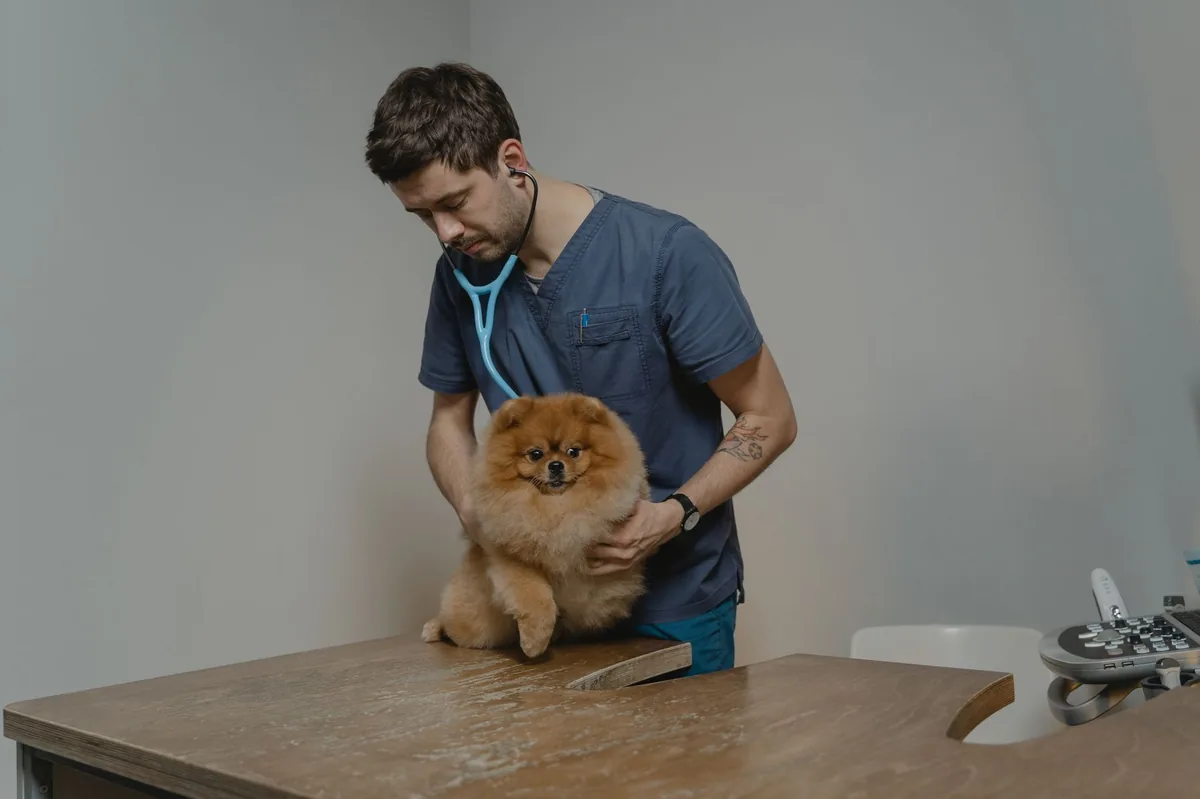
The diagnostic work‑up begins with a thorough history (recent injuries, known tumors, medications) and a physical exam. The vet will then use a combination of the following tools:
- Thoracic radiographs (X‑rays): Reveal fluid accumulation, lung collapse, or fractures.
- Ultrasound: Differentiates fluid types (blood vs. pus) and can guide a needle for sampling.
- Diagnostic thoracocentesis: A needle is placed between the ribs to withdraw fluid. The sample is examined for red blood cells, bacterial growth, or tumor cells.
- Blood work: CBC, chemistry panel, and coagulation tests assess anemia, organ function, and clotting status.
- Advanced imaging: CT scans or MRI may be recommended for detailed tumor mapping or to locate hidden sources of bleeding.
Each test gives the vet a piece of the puzzle. For example, a high red blood cell count in the thoracentesis fluid confirms hemorrhagic effusion, while a low platelet count on blood work points toward a clotting disorder.
Treatment options
Medical treatment
Once the cause is identified, the primary goal is to stop the bleeding and support breathing. Common medical approaches include:
- Fluid therapy: Intravenous crystalloids keep blood pressure stable while the dog loses blood.
- Blood transfusions: Needed when anemia is severe; most veterinary hospitals have donor blood banks.
- Immunosuppressants: Drugs such as prednisone or cyclosporine may be used if an immune‑mediated clotting problem is suspected.
- Antibiotics: Broad‑spectrum agents (e.g., amoxicillin‑clavulanate) are given if infection is a concern.
- Coagulation agents: Vitamin K1 or plasma may be administered for clotting factor deficiencies.
Ask your vet about these options; dosing will be tailored to your dog’s weight and severity.
Supplements and supportive care
While supplements cannot replace medical treatment, some can aid recovery:
- Omega‑3 fatty acids (EPA/DHA): Anti‑inflammatory properties may help reduce secondary inflammation after bleeding.
- Vitamin C: Supports collagen synthesis and may aid vascular healing, but only under veterinary guidance.
- Probiotics: Helpful if antibiotics are used, to maintain gut health.
These are optional and should be discussed with your vet to avoid interactions with other medications.
Procedures or surgery
If a tumor or torn blood vessel is the source, surgery may be required. Typical procedures include:
- Thoracotomy: Opening the chest cavity to control bleeding, remove a tumor, or repair a torn lung lobe.
- Laser coagulation: For smaller vascular lesions, a laser can seal bleeding vessels without a full thoracotomy.
Recovery from chest surgery usually involves 7‑10 days of restricted activity, pain management, and follow‑up X‑rays to ensure fluid does not re‑accumulate. Costs can range from $3,500 to $8,000 in the U.S., depending on the complexity and length of hospitalization.
Diet and nutrition
Nutrition plays a key role in recovery from any internal bleed. After a hemorrhagic event, your dog needs high‑quality protein, adequate calories, and nutrients that support blood production and tissue repair.
What to feed:
- Highly digestible protein sources: Cooked chicken, turkey, or lean beef provide the amino acids needed for new red blood cell formation.
- Iron‑rich foods: Small amounts of cooked liver (once a week) or iron‑fortified kibble can help replenish iron stores, but avoid excessive liver due to vitamin A toxicity.
- Omega‑3 supplements: A daily dose of EPA/DHA (as prescribed by your vet) can reduce inflammation and support vascular health.
- Antioxidant‑rich fruits: Blueberries or sliced apples (seedless) add vitamin C and polyphenols, which aid healing.
What to limit or avoid:
- High‑fat meals: Fat slows gastric emptying and can exacerbate nausea after anesthesia.
- Raw bones: While many owners feed raw, sharp bone fragments can cause additional trauma to a healing chest wall.
- Excessive sodium: Reduces the ability of the kidneys to manage fluid balance, which can worsen chest fluid buildup.
Prescription diets: If your dog develops chronic pleural effusion or underlying heart disease, a low‑sodium “cardiac” diet (often labeled “renal‑cardiac” in veterinary formularies) can help manage fluid balance. Brands vary, but the nutrient profile should include:
| Category | Do feed | Limit | Avoid |
|---|---|---|---|
| Protein | High‑quality animal protein | Moderate | Low‑quality fillers |
| Fat | Moderate (10‑12 % of calories) | High | Excessive animal fats |
| Sodium | Low (<0.3 %) | Standard | High‑salt treats |
| Iron | Balanced (per vet recommendation) | None | Excessive liver |
Transitioning to a new diet should be gradual—mix 25 % new food with 75 % old food for the first 2–3 days, then increase the new food proportion every couple of days. This reduces gastrointestinal upset and lets you monitor for any food‑related reactions.
Hydration is equally important. Offer fresh water frequently, but avoid large volumes at once if your dog is still recovering from surgery; small, frequent sips are safer.
During the recovery phase, many owners find it helpful to use a weight‑based calorie calculator to ensure their dog receives enough energy without over‑feeding, which could strain the heart.
Cost and prognosis
Financial considerations vary widely based on the underlying cause, required diagnostics, and treatment intensity. Below is a rough estimate of typical expenses in the United States and United Kingdom (prices are in local currency, rounded to the nearest hundred).
| Item | US (USD) | UK (GBP) |
|---|---|---|
| Initial exam & X‑rays | $150–$300 | £120–£250 |
| Thoracic ultrasound & fluid analysis | $200–$400 | £150–£300 |
| Blood transfusion (per unit) | $500–$800 | £400–£650 |
| Surgical thoracotomy | $3,500–$8,000 | £2,800–£6,500 |
| Post‑op ICU stay (per day) | $300–$600 | £250–£500 |
| Medications (first month) | $100–$250 | £80–£200 |
Overall prognosis depends on the cause. Dogs with traumatic bleeds that are quickly addressed often recover fully within weeks. In contrast, hemangiosarcoma carries a guarded prognosis, with median survival of 2–4 months despite surgery and chemotherapy, according to the AAHA Oncology Guidelines.
Quality of life after treatment is a major factor. Most dogs that survive the acute phase regain normal activity levels, especially when pain is well‑controlled and nutrition is optimized.
Prevention and home care
While you can’t prevent every accident, you can reduce the risk of chest bleeding by:
- Keeping dogs on a leash or in a secure yard during high‑energy play.
- Ensuring your pet is up‑to‑date on vaccinations and parasite preventives (heartworm, tick‑borne disease) to avoid infections that could cause vascular damage.
- Regular veterinary wellness exams that include blood work, especially for breeds prone to clotting disorders.
- Using protective gear (e.g., dog harnesses) for dogs that participate in agility or flyball.
- Monitoring for signs of anemia (pale gums, lethargy) after any injury, even if it seems minor.
After a diagnosis, follow your vet’s schedule for re‑checks—often an X‑ray or ultrasound 7–10 days post‑procedure to confirm the chest is clear. Keep a log of your dog’s breathing rate, appetite, and activity level; sharing this with your vet can guide adjustments in medication or diet.
From our vet team: “Seeing blood in the chest is frightening, but early detection and swift veterinary care dramatically improve outcomes. Even if the cause is a tumor, stabilizing your dog’s breathing and addressing anemia buys valuable time for treatment decisions.”
Key takeaways
- Blood in the chest is a medical emergency—call your vet immediately if your dog shows labored breathing or pale gums.
- Common causes include trauma, tumors, clotting disorders, and severe infections; breed predispositions exist for certain cancers.
- Diagnosis relies on X‑rays, ultrasound, and thoracocentesis to confirm hemorrhagic fluid and identify the source.
- Treatment may involve fluid therapy, blood transfusions, surgery, and supportive medications; costs vary widely.
- High‑quality protein, iron‑rich foods, and omega‑3 supplements aid recovery, while low‑sodium diets help manage fluid balance.
- Prevent future episodes by using safe play environments, staying current on preventives, and monitoring for anemia after injuries.
Myth vs. fact
Myth: “If my dog isn’t coughing, there’s no blood in the chest.”
Fact: Blood can accumulate without a cough; shallow breathing, pale gums, or a fluid wave under the ribs are more reliable indicators.
Myth: “Only large breeds get chest bleeding.”
Fact: While larger dogs may be more prone to trauma, any dog can develop a hemorrhagic pleural effusion from tumors or clotting disorders.
Myth: “Home remedies can stop the bleeding.”
Fact: Internal chest bleeding requires veterinary intervention; home care is limited to monitoring and keeping the dog calm while you arrange transport.
Frequently asked questions
Can blood in the chest be contagious?
No, the condition itself is not contagious. However, underlying infections that cause bleeding, such as bacterial pneumonia, can spread to other animals if proper hygiene isn’t maintained.
How much will treatment cost?
Initial diagnostics (exam, X‑ray, ultrasound) typically range from $350–$700. If surgery or a blood transfusion is needed, total expenses can climb to $4,000–$8,000. Costs differ by region; the UK figures are listed in the cost table above.
What is the typical recovery time?
Most dogs stabilize within 24–48 hours after fluid removal and supportive care. Full recovery, including return to normal activity, usually takes 2–4 weeks, depending on the underlying cause and whether surgery was performed.
What is the long‑term prognosis?
Prognosis hinges on the cause. Traumatic bleeds have a good prognosis if treated promptly. Malignant tumors like hemangiosarcoma carry a guarded prognosis, with median survival of 2–4 months despite aggressive therapy.
Can I prevent this from happening again?
Preventive measures include safe play environments, regular health screenings for at‑risk breeds, and up‑to‑date parasite preventives. While you can’t control all accidents, minimizing risk factors helps.
Should I feed my dog a special diet during recovery?
Yes. A diet rich in highly digestible protein, moderate fat, low sodium, and supplemented with omega‑3 fatty acids supports healing. Your vet may recommend a therapeutic cardiac or renal diet if fluid balance is a concern.
Ask the PuppaDogs community
Have a question this article didn’t fully answer? Want to compare notes with other dog owners who’ve been through this? Our community forum is moderated by experienced owners and vets — and answers tend to come fast. Ask in the PuppaDogs community →
References
- American College of Veterinary Internal Medicine (ACVIM). “Guidelines for Diagnosis and Management of Hemorrhagic Pleural Effusion.” 2022.
- American Animal Hospital Association (AAHA). “Emergency Care Standards for Small Animals.” 2023.
- Merck Veterinary Manual. “Pleural Effusion” chapter. Updated 2023.
- American Veterinary Medical Association (AVMA). “Blood Transfusion Protocols in Dogs.” 2021.
- World Small Animal Veterinary Association (WSAVA). “Nutritional Recommendations for Dogs Recovering from Surgery.” 2022.
- Cornell University College of Veterinary Medicine. “Hemangiosarcoma in Dogs – Clinical Guidelines.” 2023.
- Veterinary Oncology Society. “Cost of Cancer Care for Dogs.” 2022.
- UC Davis School of Veterinary Medicine. “Thoracic Ultrasound Techniques.” 2021.


